





Carved Wood Board
Carved wood board pieces bring functional folk art and traditional craftsmanship into domestic spaces through varied historical forms.
Carved Wood Board
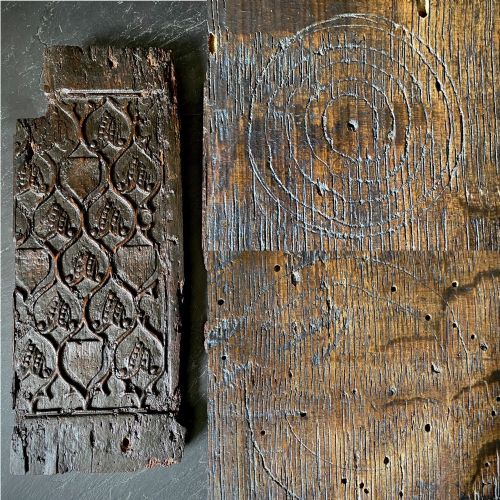
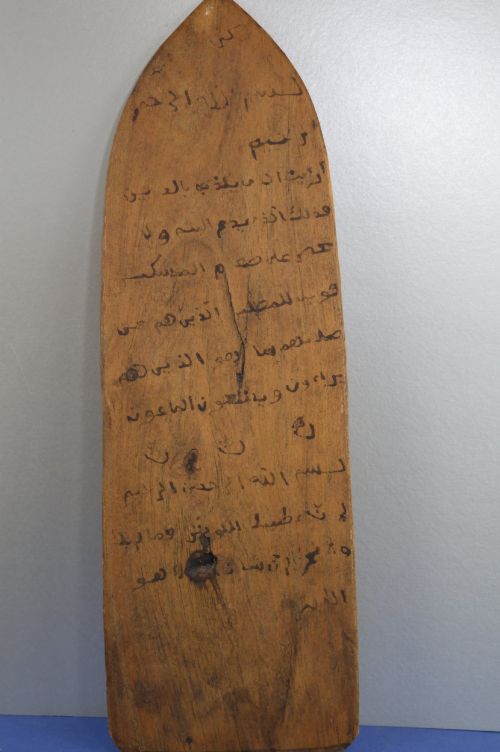
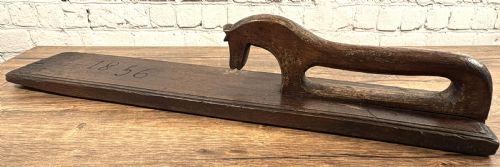
A carved wood board encompasses a remarkably diverse range of historic utilitarian items, from utilitarian laundry tools to decorative architectural panels and games equipment. When examining this selection, buyers encounter everything from Scandinavian mangle boards with carved horse head handles to intricate West African Islamic scholars' prayer boards and English fairground carousel panels.
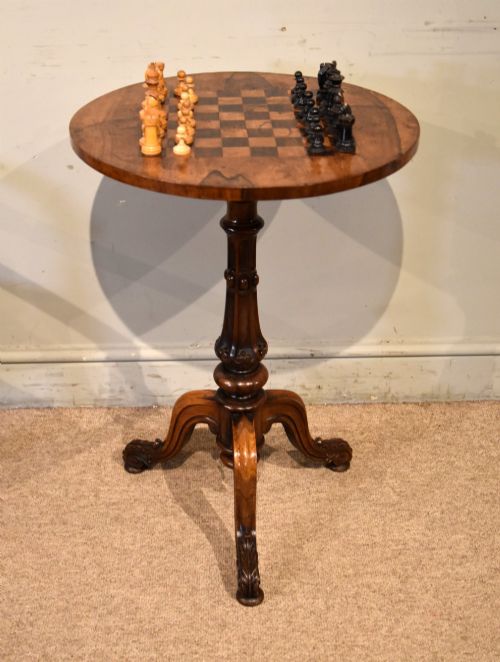
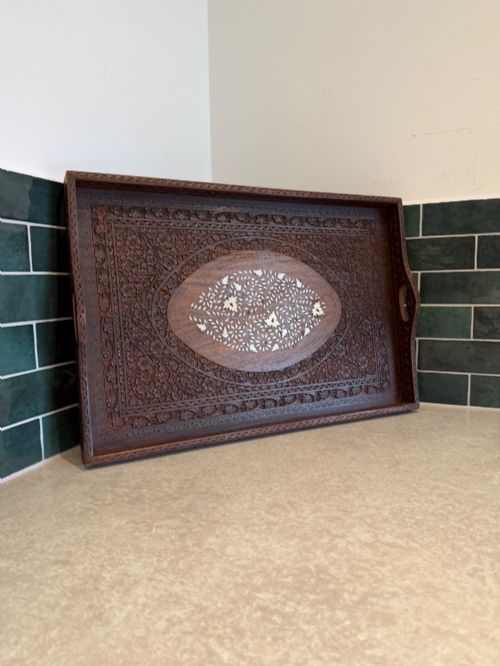
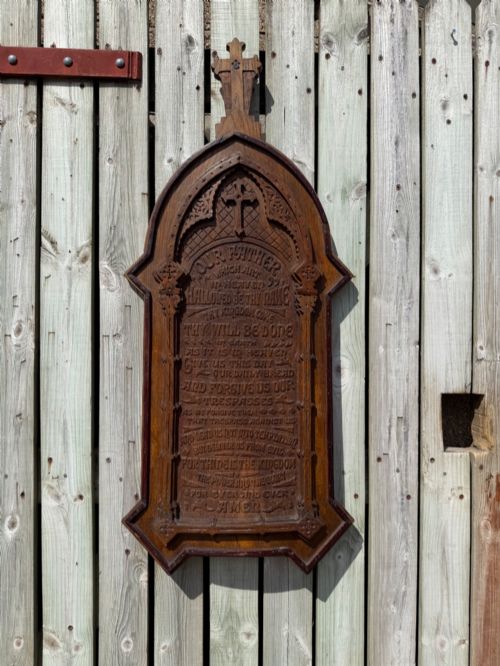
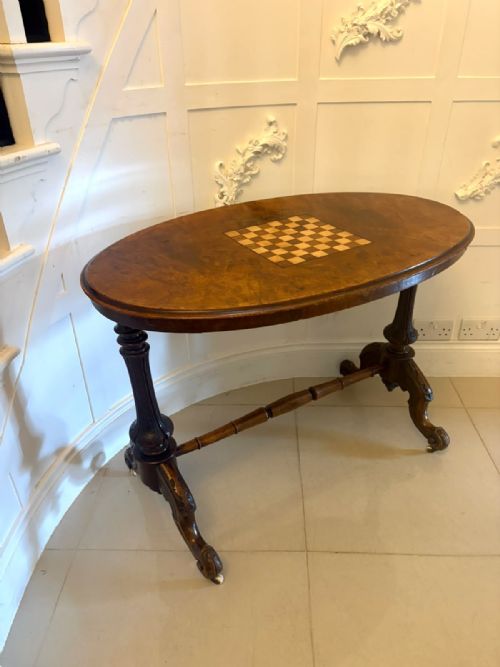
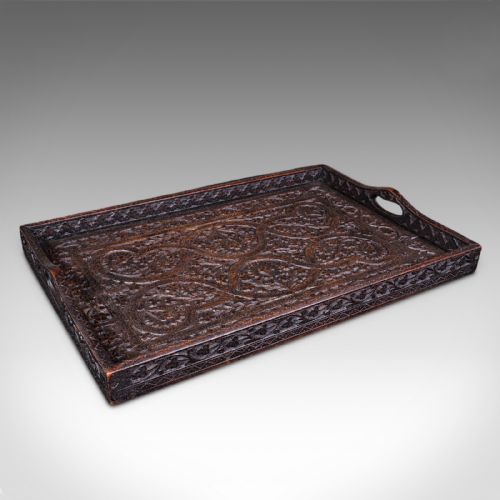
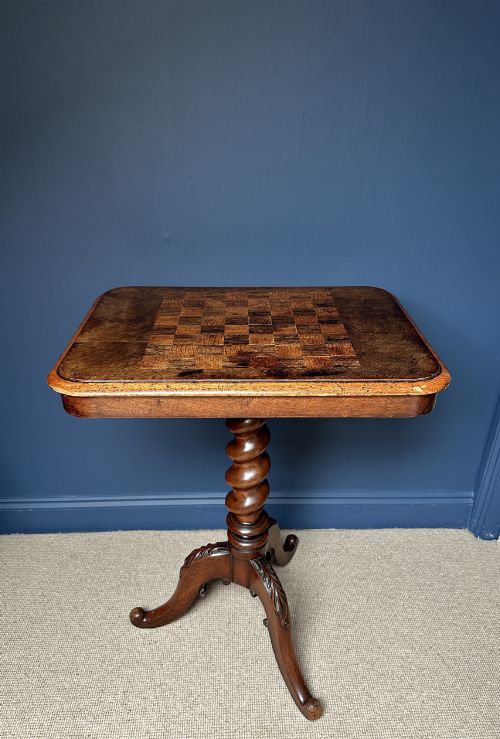
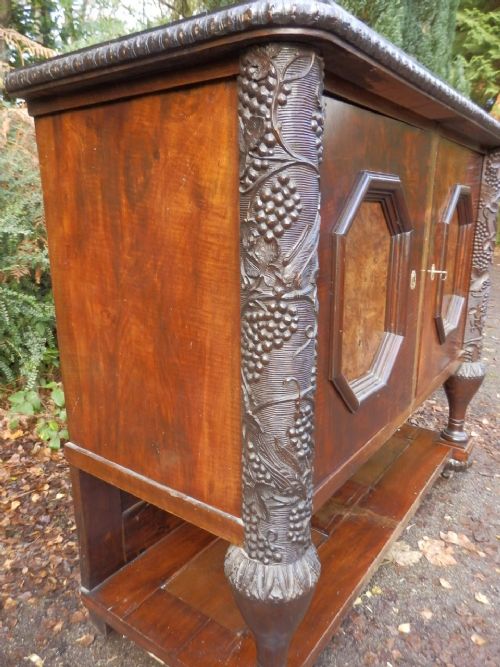
The objects span multiple centuries, with pieces originating from the seventeenth century through to the early twentieth century. Common functional forms include serving trays, coin trays, games tables with inlaid chess boards, architectural salvage, and religious artefacts. Regional traditions strongly influence these items, producing distinct styles such as Anglo-Indian, Jacobean Revival, Gothic Revival, and Folk Art.
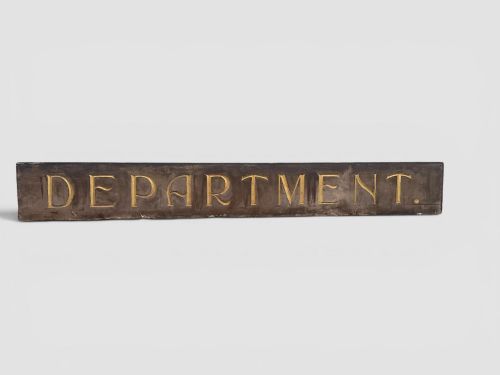
Domestic items such as cribbage boxes, lace folders, and gingerbread moulds also appear alongside large signage and trade boards. This variety reflects the widespread historical application of woodcarving across everyday domestic, commercial, and ritual life.
How they were made
Makers utilised a wide selection of timbers suited to each object's specific function, relying predominantly on hardwoods such as oak, mahogany, walnut, burr walnut, rosewood, and shisham wood. Wood selection dictated the depth and clarity of the carving, with dense hardwoods holding crisp chip-carving and detailed relief work over generations of handling.
Surface treatment varied according to the origin and purpose of the board, incorporating natural polished wood grains, painted finishes, and occasional gilded highlights. Traditional hand tools shaped these panels, employing gouges, chisels, and knives to achieve the distinct regional patterns found on European mangle boards and eastern platters alike.
Carved Wood Board Retail Price Guide 2026
Typical asking prices for carved wood board among the pieces listed under this phrase on Sellingantiques today, from the lower quarter to the upper quarter. They describe what is for sale here now, not the wider market.
What varies in quality
The standard of execution in carving defines the upper tier of these pieces, separating utilitarian production from master craftsmanship. Crispness in relief work, confident chip-carving, and well-proportioned sculptural elements such as horse head handles indicate superior workshop standards.
The preservation of original surface finishes and patination heavily influences desirability among collectors. Examples retaining authentic historic paint, untouched wax surfaces, or original brass hardware command greater appreciation than those stripped or overly restored in later periods.
The Carved Wood Board Glossary
- Mangle board
- A traditional Scandinavian wooden laundry tool used with a rolling pin to smooth linens. These boards frequently feature elaborate carved decoration and end handles.
- Chip carving
- A carving technique where small chips are removed from a single piece of wood at shallow angles. This method creates geometric patterns common on seventeenth and eighteenth-century Dutch and Norwegian boards.
- Treen
- Small handmade wooden household objects. Items such as lace folders and small boxes fall into this collectible category.
- Gingerbread mould
- A heavy wooden board carved with intaglio designs for stamping festive cakes. These large boards often display dramatic pictorial figures.
- Scholars board
- A wooden tablet inscribed with religious script for study. West African Islamic examples display precise calligraphic carving.
Carved Wood Board: Frequently Asked Questions
What is a mangle board used for?
Historically, mangle boards functioned as domestic laundry equipment in Scandinavian households. They worked alongside a cylindrical wooden roller to press and flatten woven fabrics.
Over time, many of these boards became valued folk art objects rather than laundry tools. Prospective husbands often carved them as engagement gifts for brides, explaining the intricate decorative handles.
How do I identify seventeenth century oak boards?
Seventeenth century oak boards display deep hand-chiselled tool marks and dense grain patterns indicative of slow-grown timber. They frequently utilise chip carving to form geometric borders and dated inscriptions.
Construction methods also help determine age, relying on pegged joints and hand-sawn board thickness rather than modern fixings.
What are fairground carousel panels?
Fairground carousel panels are large wooden decorative boards carved and painted for amusement rides during the early twentieth century. They often feature pictorial scenes or striking decorative motifs designed to catch the eye.
These panels represent a vibrant branch of folk art created specifically for public entertainment rather than domestic use.
How should I display a wooden prayer board?
Wooden prayer boards suit wall mounting or display on specialised stands that support their weight without causing damage. Placing them away from direct heat sources prevents the timber from drying and splitting.
Maintaining stable indoor humidity preserves both the carved script and the historic wood surface.