


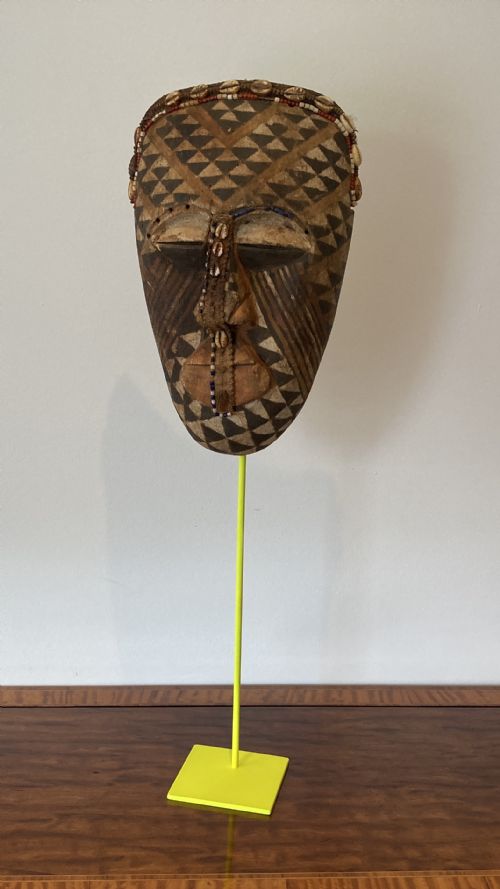


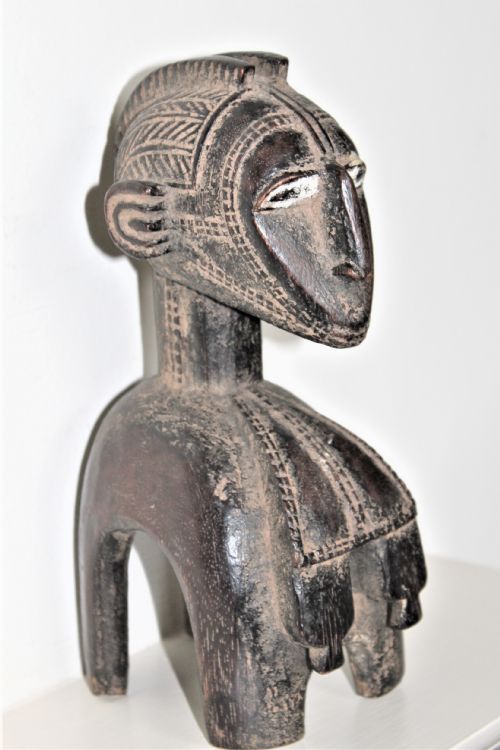

Carved Wood African Mask
These carved wood african mask examples bring raw sculptural power into a modern room, shaped by hands across the nineteenth century.
Carved Wood African Mask
A carved wood african mask represents the rich sculptural heritage of various peoples and regions across the continent, including the Ivory Coast, Gabon, and the Congo. When searching for a carved wood african mask, buyers encounter striking ritual objects fashioned in styles such as West African Tribal, Kuba, and Traditional African Art. The pieces listed on this page span the nineteenth century and the Edwardian era, capturing distinct regional traditions.
Most items appearing here take the form of tribal masks, wall sculptures, and helmet masks originating from specific groups like the Baule, Gouro, and Songye. These artefacts served ceremonial and dance functions within their original societies before entering the decorative sphere. Collectors find variations ranging from the sleek surfaces of Punu masks to the monumental presence of Baga shoulder pieces.
How they were made
Artisans carved these masks from dense tropical hardwoods using traditional hand tools, shaping the contours to embody ancestral spirits or animal forms. The natural timber often bears tool marks beneath subsequent layers of enhancement.
Listings feature works in wood, pigment, kaolin, and natural fibre across nineteenth-century styles.
What varies in quality
The strength of the carving distinguishes superior pieces, where the facial planes and volumes demonstrate a confident command of form. Softer or more derivative carving lacks the architectural definition found in masterworks from recognised groups.
Surface history and pigment preservation dictate the desirability of an example, as authentic ritual use leaves an integrated patina across the wood. Intact attachments like natural fibre elements and original kaolin coatings preserve the integrity of the object.
Ligbi People·Baule·Gouro·Mahongwe·Songye·Kuba·Punu·Bamum·Baga·Chokwe
The Carved Wood African Mask Glossary
- Kaolin pigment
- A fine white clay used to adorn the surfaces of ritual objects. It often highlights the eyes and ritual scars on masks from Central and West Africa.
- Patina
- The surface sheen and colour built up through handling, ageing, and ceremonial use over many decades. A good patina indicates genuine age and history.
- Reliquary guardian
- A wooden carving placed above containers holding ancestral relics to protect them. These figures share sculptural traits with ceremonial masks.
- Shoulder mask
- A massive ceremonial sculpture supported on the wearer's shoulders rather than the face. The Baga Nimba is a prominent example of this sculptural scale.
- Tribal art
- Creative works produced by indigenous peoples, particularly those from African, Oceanic, and Native American cultures. This category encompasses both utilitarian and sacred objects.
Carved Wood African Mask: Frequently Asked Questions
How do I hang a carved wood african mask safely?
Mounting heavy wooden masks requires custom metal armatures that support the weight from beneath without piercing the old timber. Professional framing specialists can secure the sculpture safely to a wall.
Ensure the hanging location avoids direct sunlight and dramatic humidity shifts, which can cause ancient hardwoods to split. Proper clearance allows air circulation around the pigmented surfaces.
Are these masks from the nineteenth century authentic?
The pieces listed on this page originate from the nineteenth century and the Edwardian period, reflecting the historical span of tribal art collecting. Each region utilised specific carving methods and native timbers appropriate to that era.
Examining the tool marks, wood shrinkage, and pigment integration helps confirm the age of the sculpture. Natural wear patterns accumulated over time distinguish period items from later reproductions.
What do the different mask forms represent?
Masks fulfilled specific societal roles, ranging from agricultural fertility rites to ancestral veneration and judicial ceremonies. Animal depictions, such as warthogs or antelopes, often symbolised specific traits valued by the community.
Human faces frequently displayed scarification marks that denoted clan membership and social status within groups like the Baule or Gouro. Understanding the tribal origin provides context for the symbolic geometry carved into the wood.