



Tribal Art Wall Decor
These tribal art wall decor pieces bring striking texture and cultural history to interiors, offering handcrafted textiles, carved masks, and metalwork.
Tribal Art Wall Decor
When you search for tribal art wall decor, you encounter a diverse range of objects spanning the nineteenth and twentieth centuries, originating from Central Asian, Afghan, and African traditions. The selection includes woven wool textiles, carved wooden masks, reliquary guardians, and decorative shields.
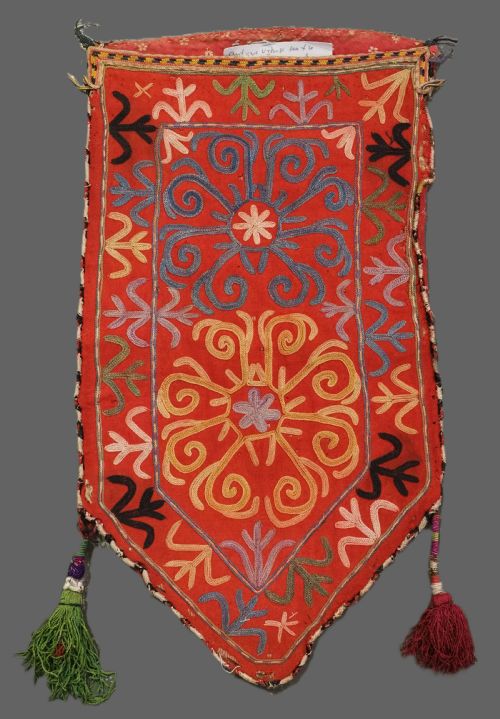
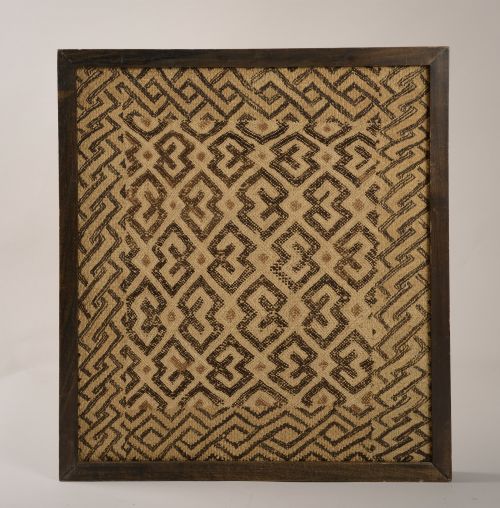
You are most likely to meet Central Asian embroideries and woven bags alongside West African carved masks and Kuba raffia tapestries. These items represent distinct cultural practices, from Yomut Turkmen nomadic work to Gouro and Mahongwe craftsmanship.
The forms function primarily as visual focal points for interiors, mounted on walls as textiles, framed panels, or solid wooden sculptures. Each object carries the specific utility and artistic heritage of its region of origin.
How they were made
Makers shaped these works using organic materials gathered from their local environments, employing wood, bone, natural pigments, and raffia. Carved pieces utilise dense timbers finished with pigments, while textiles rely on wool and plant fibres woven on traditional looms.
Metal elements incorporate brass and copper, frequently worked into decorative plaques or utilitarian objects later adapted for display. Weaving techniques combine plain weave structures with intricate embroidery and bone inlay work.
The construction reflects regional availability and generational techniques, ensuring that materials like raffia cloth and brass retain their authentic structural properties.
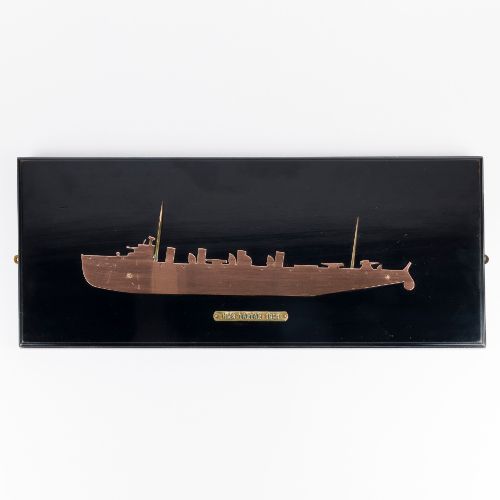
One unexpected item on offer is a plaque salvaged from a First World War destroyer, proving that naval history occasionally crosses paths with tribal art.
What varies in quality
Quality rests upon the precision of the carving, the complexity of the weave, and the integrity of the natural materials used. Finer examples display deeper sculptural relief, disciplined symmetry in textile patterns, and well-preserved organic pigments.
The condition of the surface finish and the stability of the textile ground influence the overall standing of an individual piece. Greater artistry appears in items where traditional motifs are executed with particular fluency and depth.
The Tribal Art Wall Decor Glossary
- Kuba cloth
- A textile woven from raffia palm fibres by the Kuba people of Central Africa, known for geometric cut-pile embroidery designs.
- Jezail
- A traditional type of long-barrelled matchlock or flintlock firearm from Afghanistan, sometimes found mounted as wall pieces with bone inlay.
- Reliquary guardian
- A carved wooden figure placed above containers holding ancestral relics, particularly associated with Mahongwe traditions in Gabon.
- Uut kap
- A large tent bag or hanging produced by Central Asian tribes, designed for domestic storage and decorative interior display.
Tribal Art Wall Decor: Frequently Asked Questions
How do I hang antique textiles safely?
Mount textiles using a hidden fabric sleeve stitched to the reverse, supporting a thin wooden batten or metal rod.
Avoid direct piercing with nails or pins, which stresses the historic wool, cotton, or raffia fibres.
Are these pieces suitable for direct sunlight?
Keep natural dyed wools, raffia tapestries, and pigmented wooden masks away from prolonged direct sunlight.
Ultraviolet light fades organic pigments and dries out natural fibres over time.
How do I distinguish Central Asian from African pieces?
Central Asian items typically feature woven wool, embroidery, and geometric pile work originating from nomadic steppe cultures.
African pieces in this category generally consist of carved timber masks, metalwork, and raffia textiles from West and Central regions.