

Carved Walnut Wood
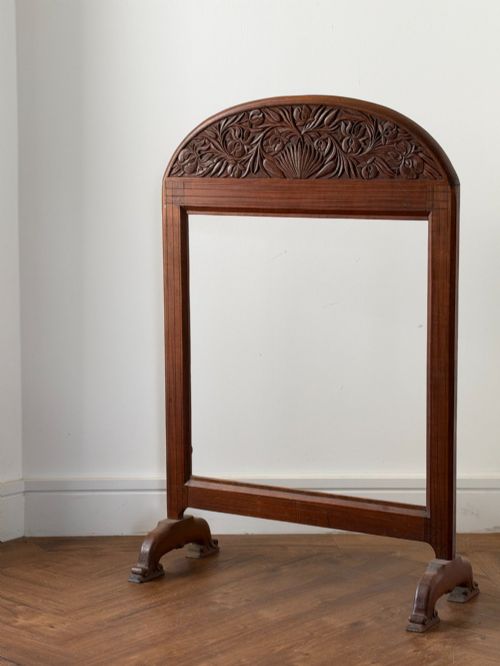
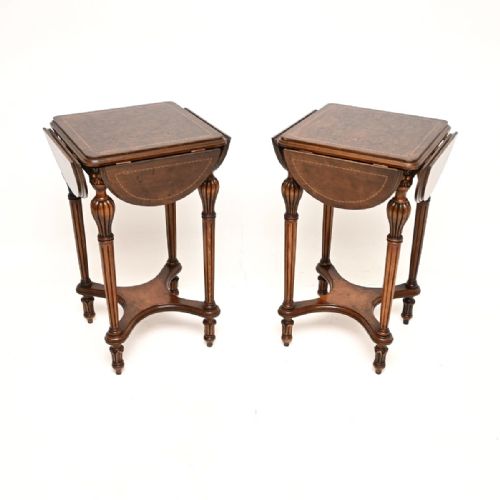
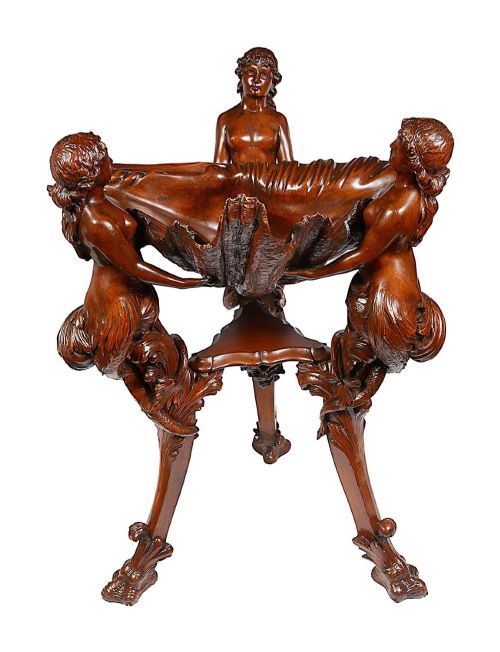
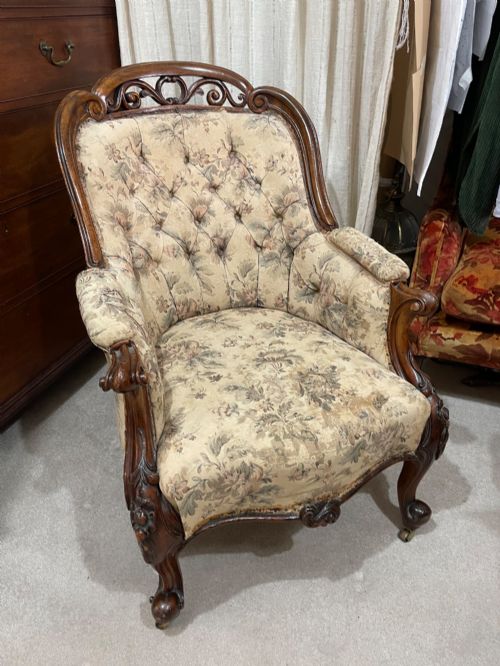
Carved walnut wood brings warmth and deep grain pattern into a room through tables, chairs, and decorative panels shaped by the hand.
Carved Walnut Wood
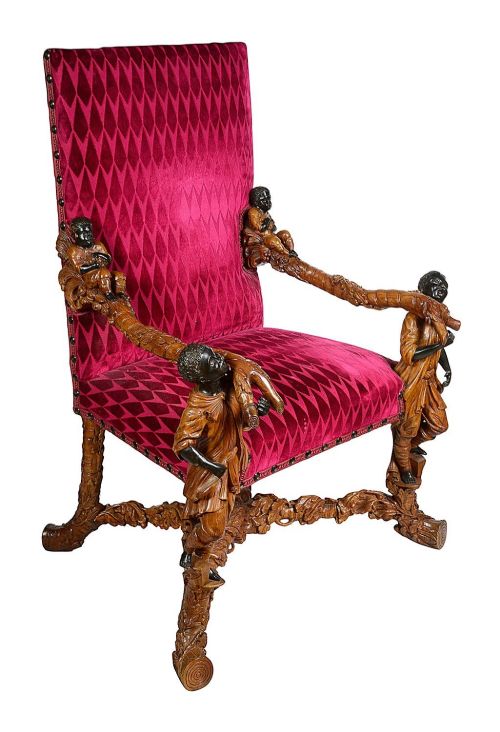
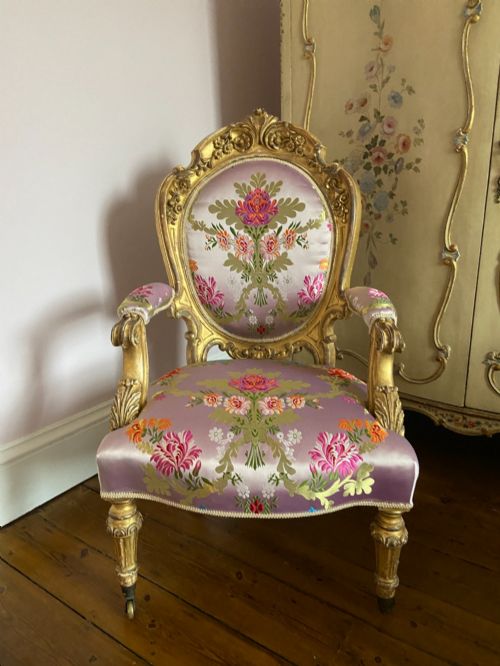
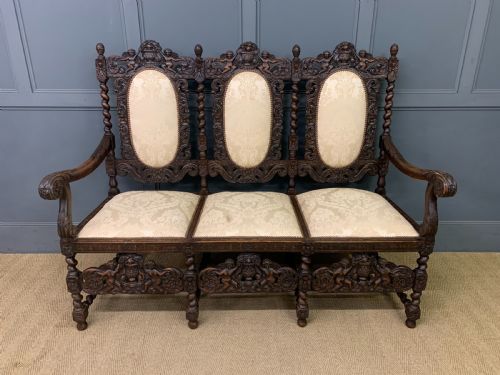
When searching for carved walnut wood, buyers encounter furniture and decorative objects spanning the sixteenth to the twentieth centuries, with nineteenth-century examples appearing most frequently on this page. These pieces include dining chairs, side tables, armchairs, writing desks, and sculptural items originating from British, French, Italian, and Dutch makers.
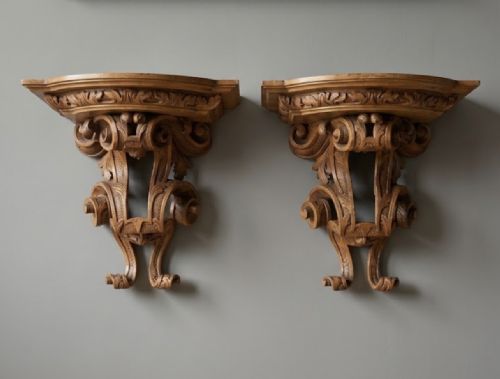
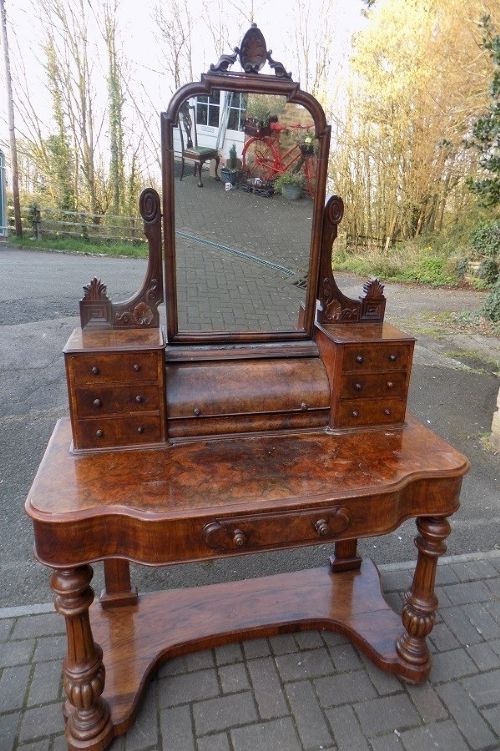
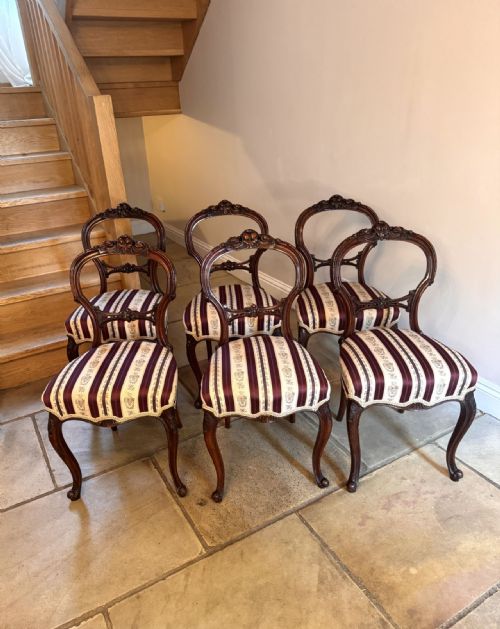
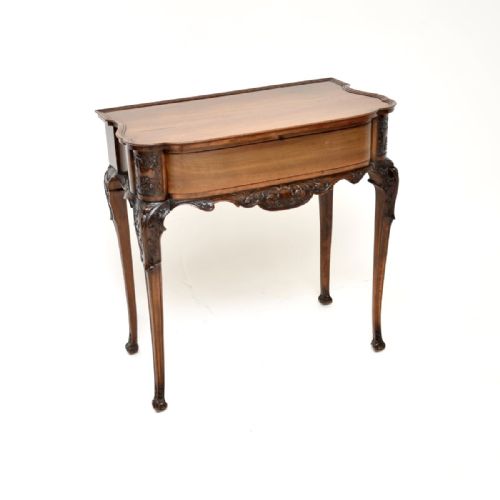
The selection ranges from early Italian Renaissance benches and Georgian wall brackets to Victorian balloon-back chairs, Edwardian bookcases, and later Art Deco seating. Walnut provides a dark, rich ground for ornament, whether shaped into cabriole legs, applied foliage, or figurative panels.
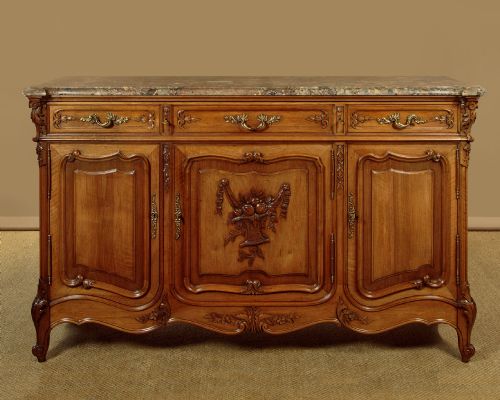
Object forms vary widely from functional storage, such as sideboards and chests of drawers, to decorative pedestals, torchères, and framed mirrors. Buyers select these items to anchor a room with traditional timber character and tactile surface carving.
How they were made
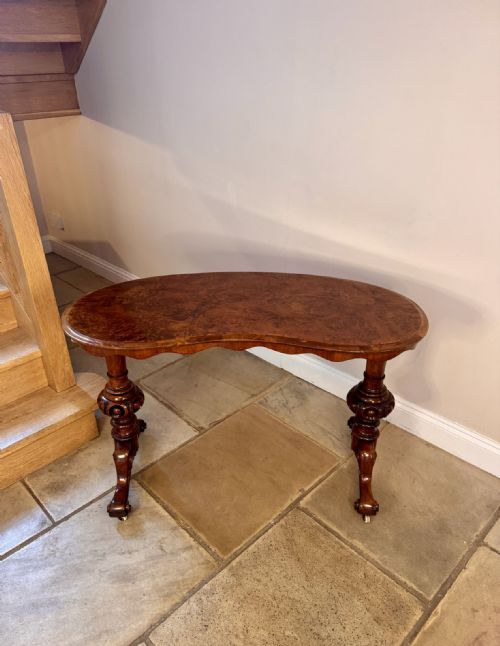
Makers utilised solid walnut and burr walnut veneers over secondary timbers, applying hand-carving techniques to shape scrolls, foliage, and figurative elements directly into the dense wood. Burr walnut sections yielded swirling, highly figured grain patterns that were often arranged symmetrically across tabletop surfaces and drawer fronts.
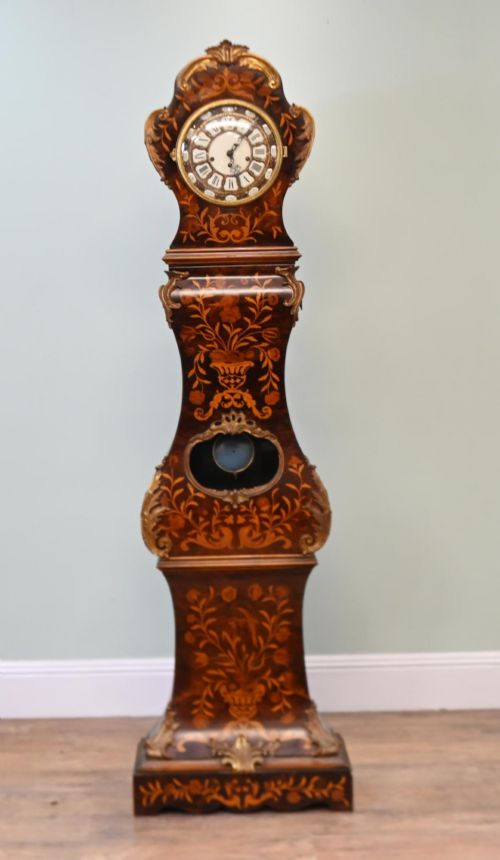
Joinery methods combined traditional framing with marquetry inlay utilising contrasting timbers, brass hardware, glass panels, and cane work. Surface finishes relied on hand-applied polishes that enhanced the natural colour variation and grain depth of the walnut without obscuring the tool marks left by the carver.
Carved Walnut Wood Retail Price Guide 2026
Typical asking prices for carved walnut wood among the pieces listed under this phrase on Sellingantiques today, from the lower quarter to the upper quarter. They describe what is for sale here now, not the wider market.
Bear musical seats from the nineteenth century hide mechanical tunes inside carved Swiss figures, waiting to serenade unsuspecting sitters.
What varies in quality
The distinction between standard and superior pieces rests on the crispness of the hand-carving and the selection of the timber grain. Finer examples display deep, undercut relief work where foliage and figures emerge cleanly from the background, while lesser pieces rely on shallow, machine-assisted or repetitive stamping.
Quality also shows in the choice of burr walnut veneer symmetry, the integration of marquetry details, and the structural integrity of the joints. Well-executed furniture maintains balanced proportions and original hardware, whereas altered or heavily restored items lose their historical coherence.
James Shoolbred·Valentino Besarel
The Carved Walnut Wood Glossary
- Burr walnut
- A veneer sliced from the gnarled growths on walnut trees, prized for its intricate, swirling grain patterns. Cabinet makers utilised this timber on prominent surfaces like tabletops and drawer fronts.
- Marquetry
- The art of applying pieces of veneer to a structure to form decorative patterns and pictures. Makers combined walnut with lighter woods to create contrasting pictorial scenes.
- Cabriole leg
- A furniture leg that bends outward in a convex curve and tapers inward in a concave curve, ending in a pad or claw foot. This form appeared frequently on eighteenth-century and revival seating.
- Torchère
- A tall ornamental stand designed to hold a candle or lamp. These pieces featured carved walnut stems supported on tripod or pedestal bases.
Carved Walnut Wood: Frequently Asked Questions
How do I clean carved walnut wood?
Dust surfaces regularly with a soft, dry cloth to prevent dirt accumulation in the carved recesses. Avoid using modern aerosol polishes or silicone sprays, which can build up a hazy film over the timber grain.
Apply a traditional microcrystalline wax sparingly once or twice a year if the wood appears dry. Buff the surface gently after application to maintain a natural, low-sheen protection.
Where should I place a walnut desk?
Position writing tables and desks away from direct sunlight and heat sources to prevent the walnut timber from drying out or warping. Consistent indoor humidity levels help preserve both solid wood and delicate veneer surfaces.
Allow enough clearance around armchairs and side tables so the carved details avoid daily friction from foot traffic or doors. Placing pieces in stable environments ensures the joinery remains secure over time.
How do I date a walnut chair?
Examine the construction methods, joinery marks, and hardware beneath the seat or inside the frame. Hand-cut dovetails, timber shrinkage patterns, and tool textures offer clues regarding the manufacturing era.
Compare the decorative style, such as Victorian balloon backs or Georgian cabriole legs, with established design periods. Upholstery webbing and interior stuffing often reveal whether a piece retains its original components or received later restorations.
Can I mix walnut with other woods?
Walnut pairs well with many timbers due to its mid-to-dark brown tones and neutral undertones. Mixing it with lighter woods like oak or mahogany creates visual contrast within a traditional or eclectic interior scheme.
Anchor the room by repeating the walnut tone in at least two distinct locations, such as a side table and a framed mirror. This ties disparate wooden furniture together into a cohesive arrangement.