


Carved Walnut Wingback
Carved walnut wingback armchairs offer deep-seated comfort and stately silhouettes, bringing historical character and rich timber grain directly into a room.
Carved Walnut Wingback
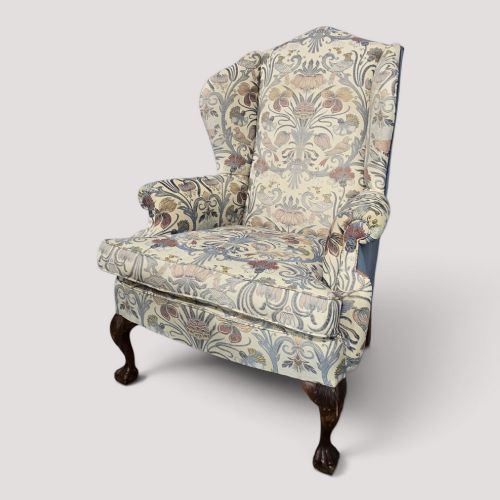
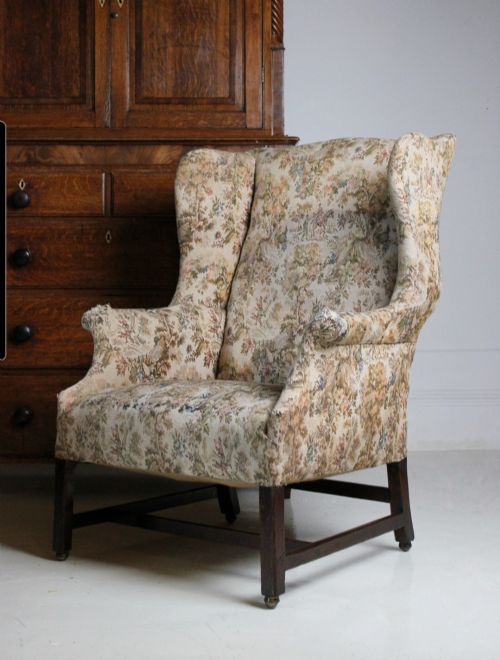
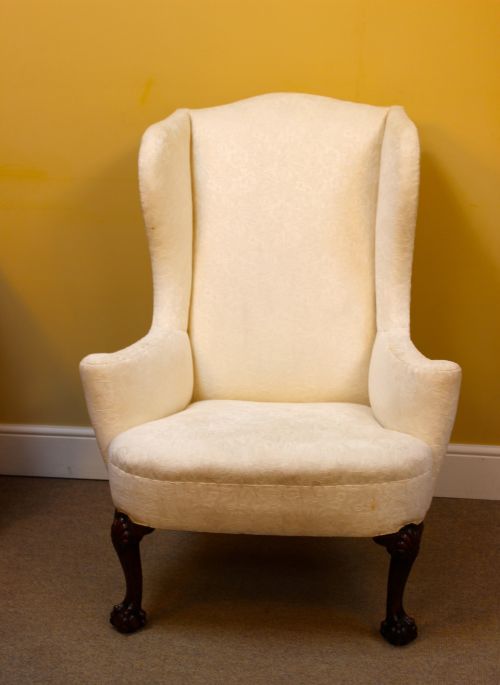
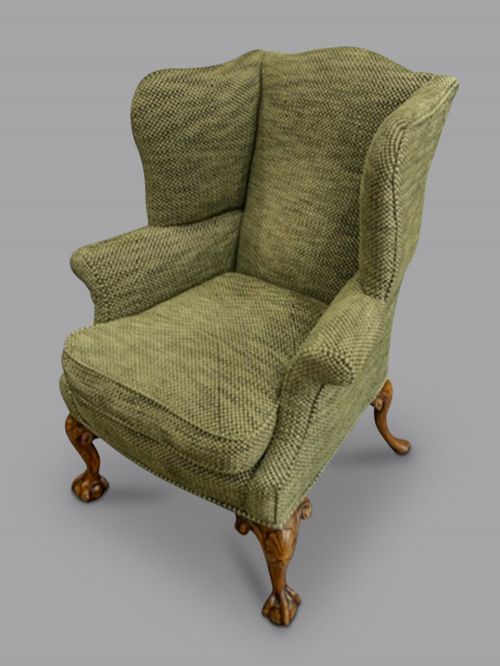
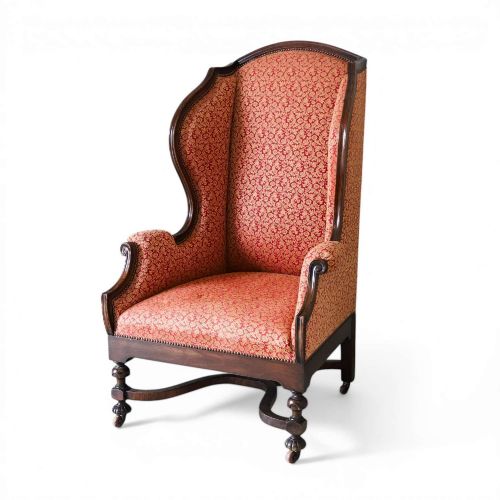
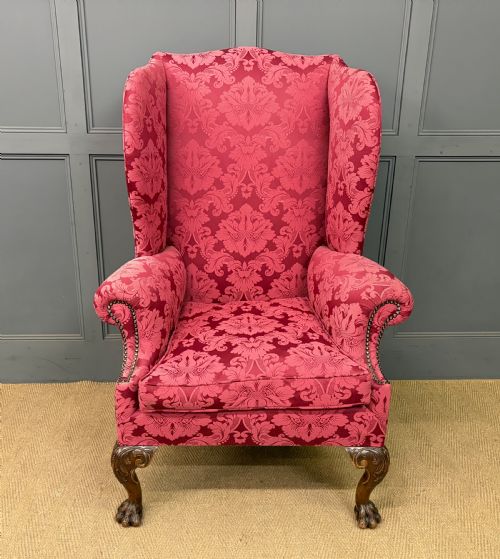
A carved walnut wingback chair is a commanding fireside seat defined by its protective upholstered wings and exposed timber frame. You will frequently encounter nineteenth-century interpretations alongside revival pieces from the early twentieth century.
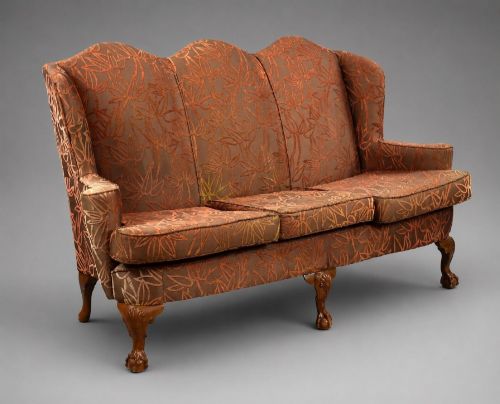
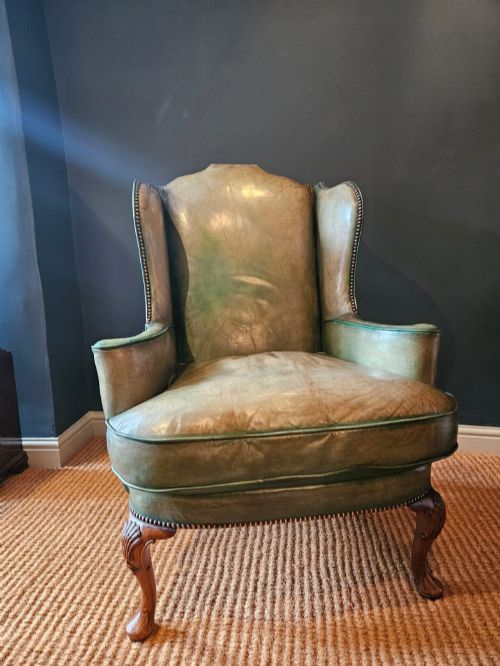
The selection ranges from early eighteenth-century models through to Edwardian and later reproductions. Common forms include armchairs and library seats upholstered in textiles, damask, velvet, leather, or hessian.
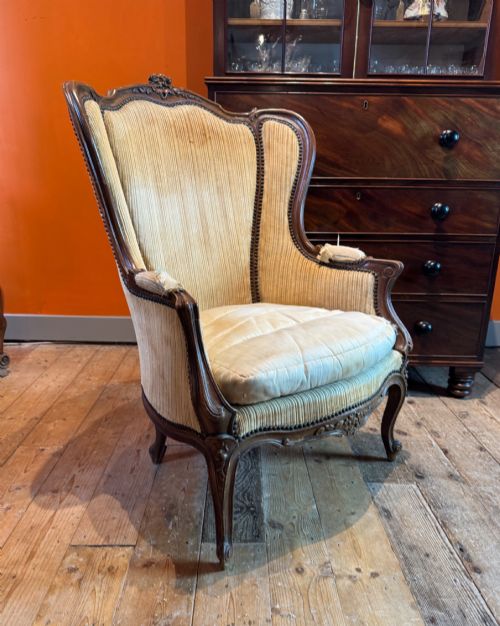
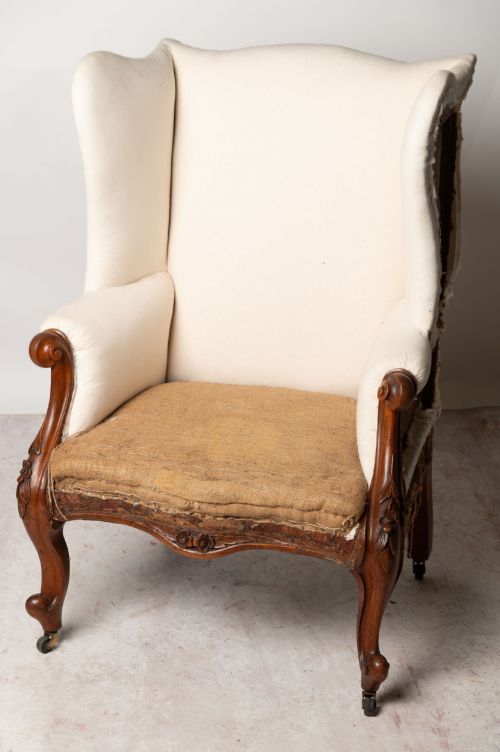
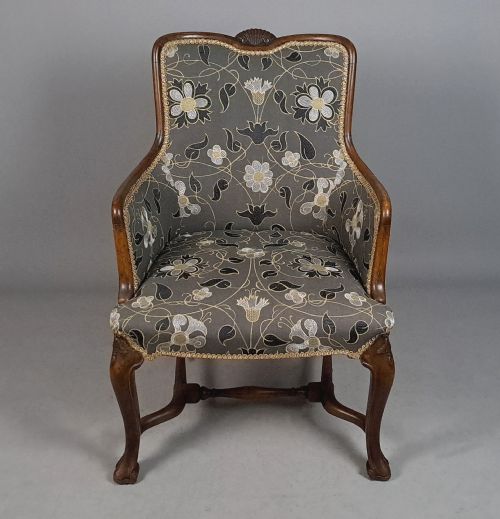
Revival movements heavily influence the selection on offer, with Queen Anne style, Carolean style, and Victorian rococo revival pieces appearing regularly. These variations draw upon historical precedents while utilising the durable hardwood frames characteristic of the genre.
Quality variations in carved walnut wingback
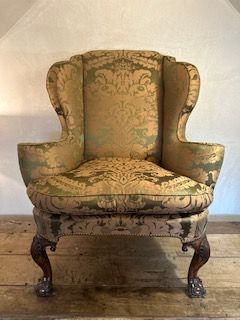
The crispness of the timber carving and the fidelity of the period revival style distinguish finer examples from standard production. A well-executed frame displays deep, clean relief work on the cabriole legs and frame borders.
The integrity of the walnut timber and the quality of the chosen upholstery materials significantly impact the overall presentation. Original or sympathetic textile choices maintain the historical coherence of the piece.
The wings were originally engineered to trap fireplace heat around your ears while blocking rogue draughts from drafty country house hallways.
Howard And Sons
The Carved Walnut Wingback Glossary
- Wingback
- An upholstered armchair with projecting side panels designed to shield the sitter from draughts. These wings form an integral part of the upper frame.
- Cabriole leg
- A furniture leg that curves out and then tapers inward, typically ending in a pad or claw foot. This form is common in eighteenth-century and revival seating.
- Damask
- A reversible figured fabric traditionally woven in silk, wool, or linen, often utilised for formal upholstery. Its patterned surface catches the light.
- Hessian
- A coarse woven fabric typically utilised as a traditional foundation or under-upholstery layer in period seating. It provides structural support beneath outer decorative textiles.
- Carolean
- Pertaining to the reign of Charles II, characterised by ornate carved woodwork and rich textiles. Revival versions of this style emerge in nineteenth-century seating.
Carved Walnut Wingback: Frequently Asked Questions
How do I identify a revival chair?
Revival chairs often replicate earlier historical styles such as Queen Anne or Carolean designs while utilising nineteenth or twentieth-century construction methods. Examine the timber patination, joinery techniques, and secondary woods to determine the true period of manufacture.
Comparing the carving style against known eighteenth-century exemplars helps clarify whether a piece is an original period artefact or a later nineteenth-century homage.
What textiles are used on these chairs?
Upholstery materials span historical options including damask, velvet, leather, and hessian. Many pieces retain later textile updates chosen by previous owners to suit domestic interiors.
Original fabric is uncommon on early examples, meaning reupholstery in traditional materials is a standard part of maintaining these functional seating items.
Where were wingback chairs placed?
Wingback armchairs were traditionally positioned near hearths and fireplaces to utilise the protective wings against cold draughts. Their enclosed upper section retained heat from the fire for the person seated.
Over time, they transitioned into libraries, drawing rooms, and studies as reading and fireside lounge chairs.
How should I care for walnut frames?
Walnut timber benefits from minimal intervention, requiring only occasional dusting with a soft, dry cloth. Avoid placing wooden frames in direct sunlight or near heat sources to prevent timber splitting.
Applying microcrystalline wax periodically helps nourish the polished surface without building up excessive residues.