


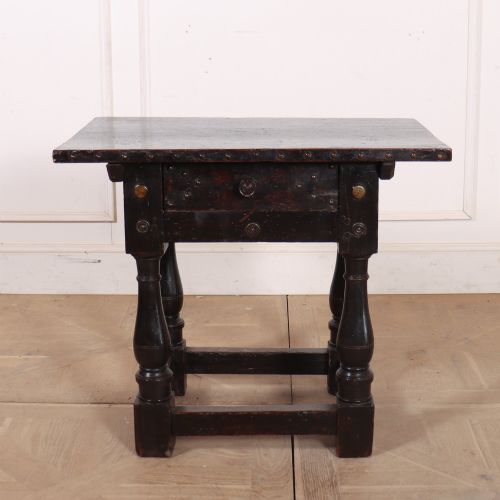
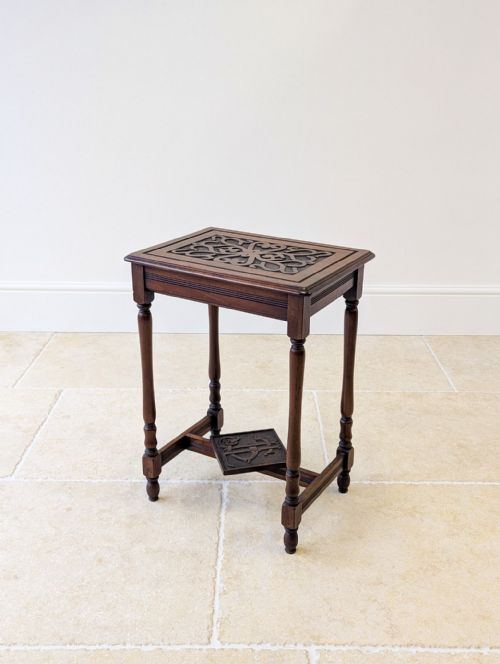
Carved Walnut Lamp
A carved walnut lamp brings warmth and tactile richness to a room, offering both practical illumination and traditional craftsmanship.
Carved Walnut Lamp
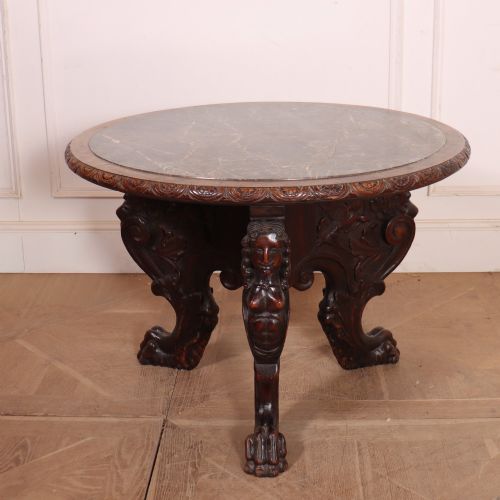
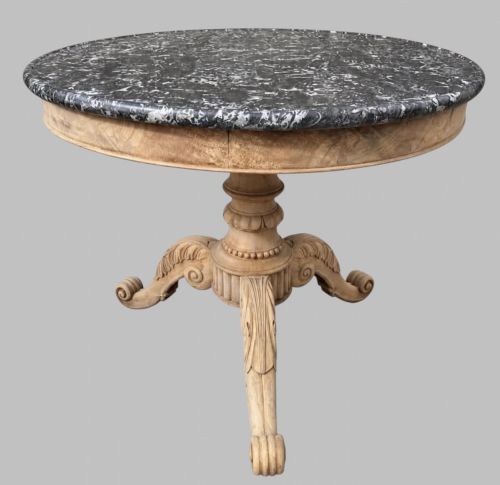
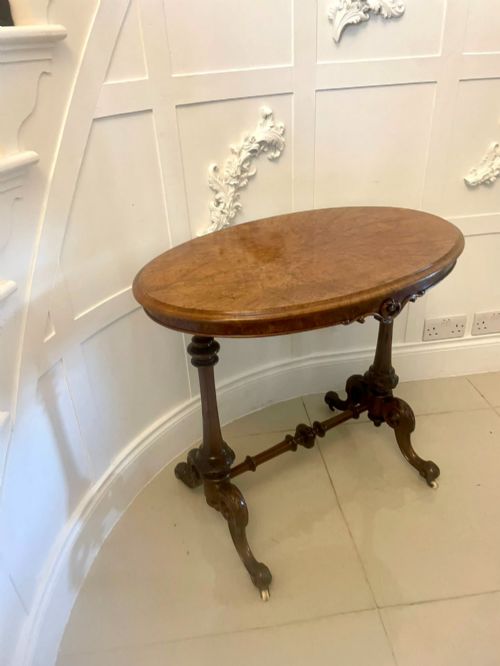
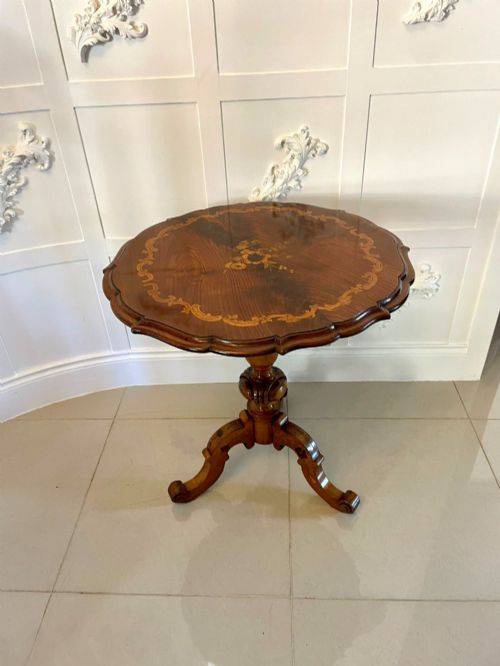
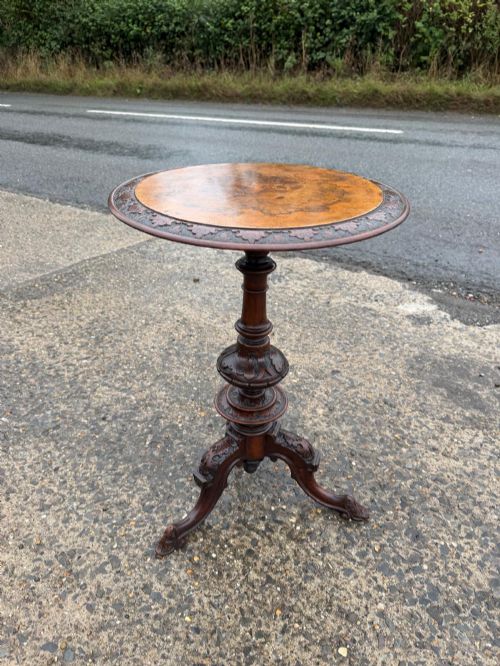
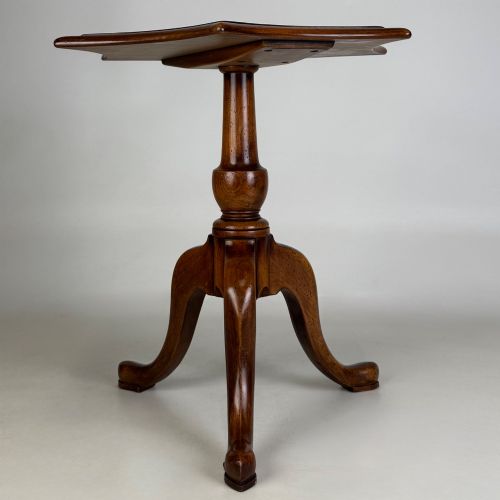
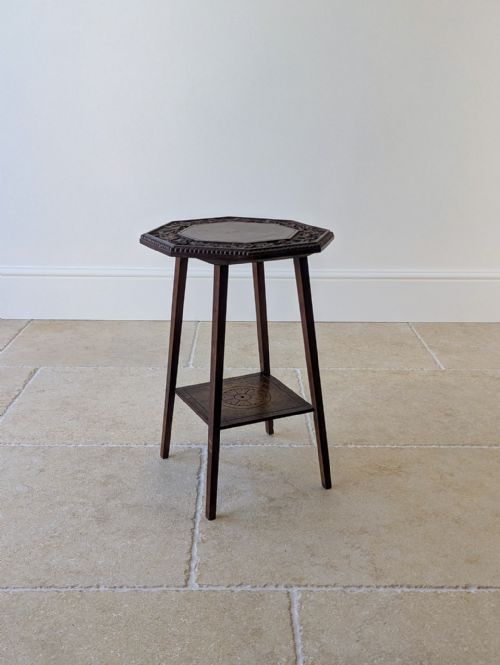
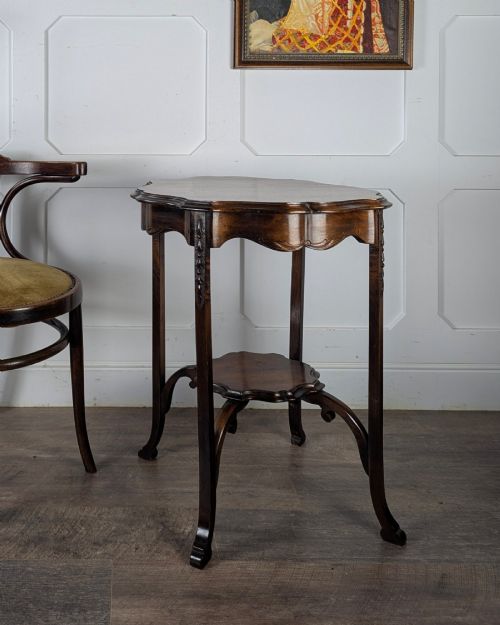
When searching for a carved walnut lamp, buyers encounter pieces primarily originating from the Victorian and Edwardian periods, spanning the nineteenth and early twentieth centuries. These items predominantly take the form of standard floor lamps, tall standing lamp columns, and occasional tables designed to support lighting.
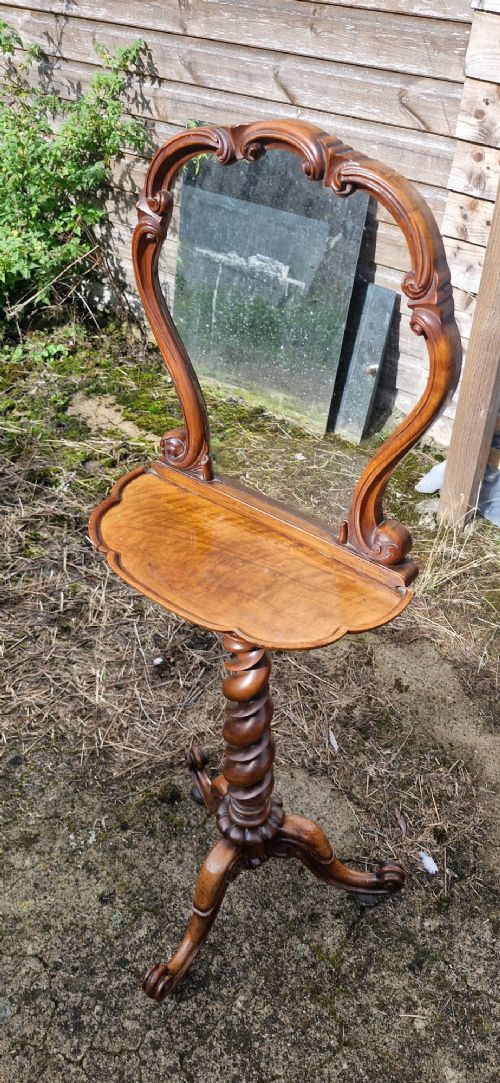
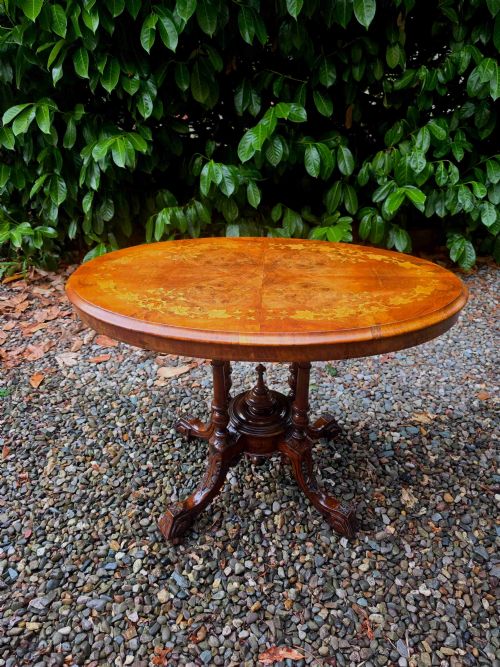
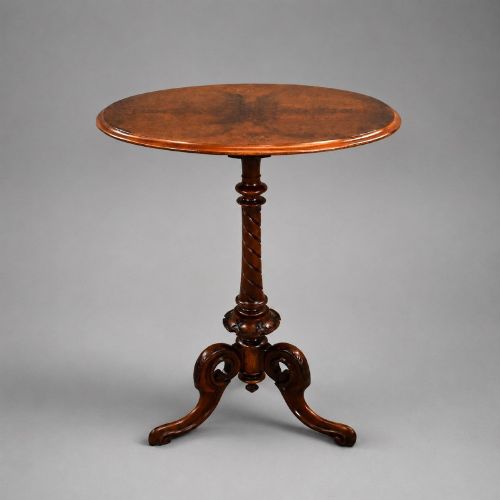
The selection ranges from robust pedestal designs and barley twist columns to intricately detailed standard lamps with tripod bases. Many examples utilise burr walnut or figured wood veneers to add visual depth to the standard lamp format.
How they were made
Makers utilised solid walnut and decorative burr walnut veneers over secondary timbers, often incorporating brass fittings, marble, and glass elements into the construction of lamp tables and standard lamp stands. Woodturning techniques produced barley twist and pedestal columns, while hand carving defined the decorative capitals and tripod bases.
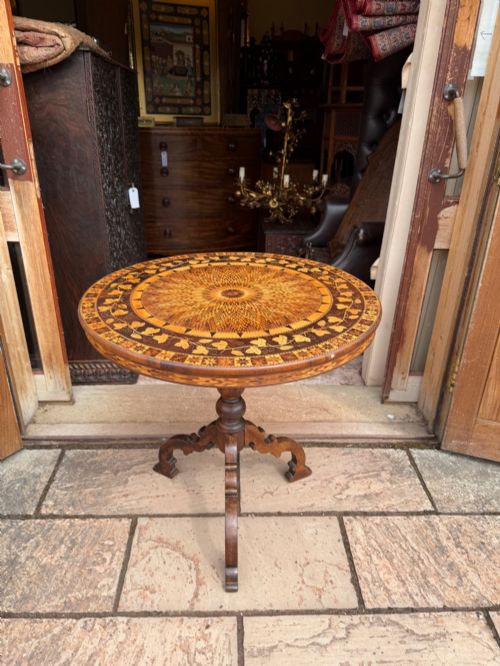
Surface treatments included French polishing to accentuate the natural figuring of the walnut grain, alongside marquetry inlays and ebonised details seen in Arts and Crafts and Victorian iterations.
Listings feature walnut, burr walnut, mahogany, and ebonised wood across Victorian and Edwardian periods.
What varies in quality
Quality rests upon the selection of timber, where figured burr walnut and substantial solid walnut denote higher production standards than plain secondary woods. The crispness and depth of the hand carving on the column and base further separate standard workshop output from finer examples.
Structural integrity of the turned pedestal and stability of the tripod base dictate practical utility, alongside the preservation of the original polished surface finish and any marquetry or inlay work.
Liberty of London
The Carved Walnut Lamp Glossary
- Walnut
- A hard, dense timber prized for its rich dark brown colour and varied grain patterns, frequently utilised in fine nineteenth-century furniture.
- Burr Walnut
- A specialised wood veneer taken from a tree growth or burl, displaying intricate, swirling patterns that create highly decorative surfaces.
- Standard Lamp
- A tall floor-standing lamp designed to provide ambient room illumination, often featuring a carved wooden column and a heavy weighted base.
- Marquetry
- The art of applying decorative pieces of veneer to a structure to form ornamental patterns and pictures.
- Barley Twist
- A turned woodwork pattern resembling a spiral rope, popular in Victorian and Edwardian furniture supports.
Carved Walnut Lamp: Frequently Asked Questions
What periods do these lamps come from?
The available pieces predominantly date from the Victorian and Edwardian eras, spanning the mid-nineteenth century through to the early twentieth century. Standard floor lamps and lamp tables from these periods reflect prevailing design movements including Arts and Crafts.
Craftsmen during these decades utilised solid walnut and burr veneers, applying traditional turning and carving techniques that help modern collectors date individual pieces.
How were standard lamps used historically?
Standard lamps provided adjustable ambient lighting in principal rooms before fitted ceiling fixtures became common, often positioned beside seating areas.
Floor-standing columns were weighted at the base for stability and designed to support fabric lampshades that directed light downwards for reading or sewing.
How do I care for a walnut lamp?
Maintain the wood by dusting with a soft, dry cloth and applying a traditional beeswax polish sparingly to preserve the polished surface.
Keep wooden lamp stands away from direct heat sources and strong sunlight to prevent the walnut timber and burr veneers from drying out or fading.
Are these lamps wired for modern use?
Many antique lamp standards have been re-wired at various points in their history to comply with modern electrical safety standards.
Buyers should inspect the internal wiring and consult a qualified electrician to ensure any vintage standard lamp or table lamp meets current regulations before use.