






Carved Walnut Bedroom Desk
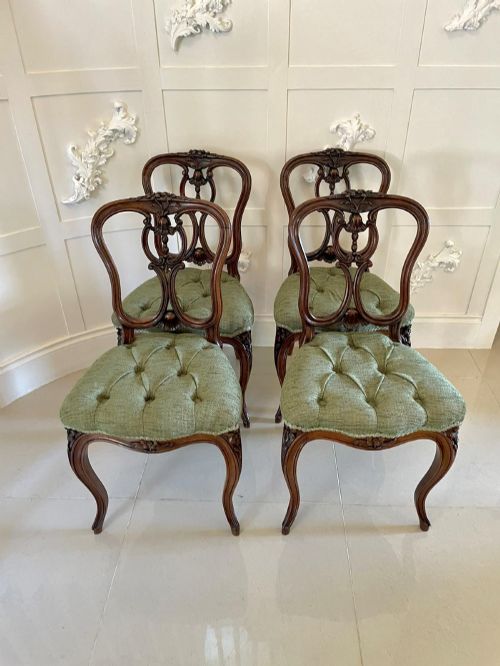
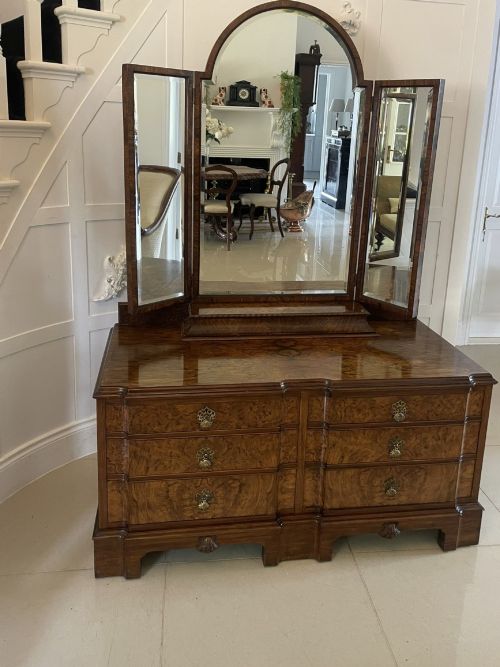
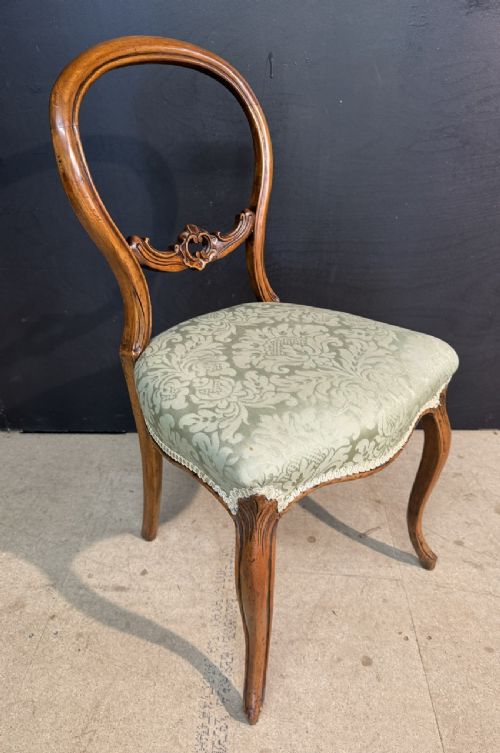
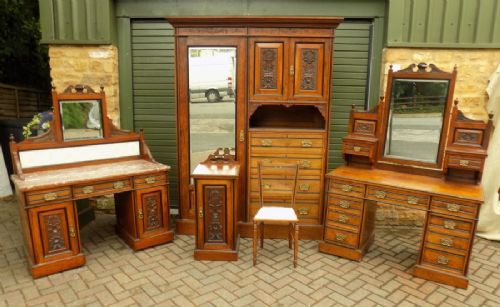
These carved walnut bedroom desk pieces and related seating bring rich wood grain and period carving into domestic spaces.
Carved Walnut Bedroom Desk
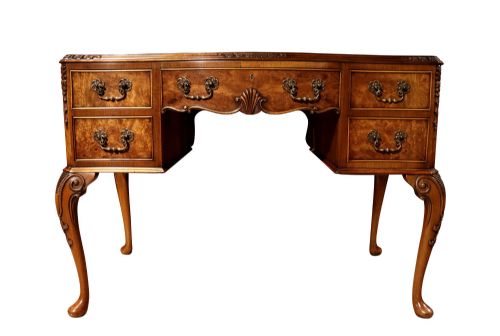
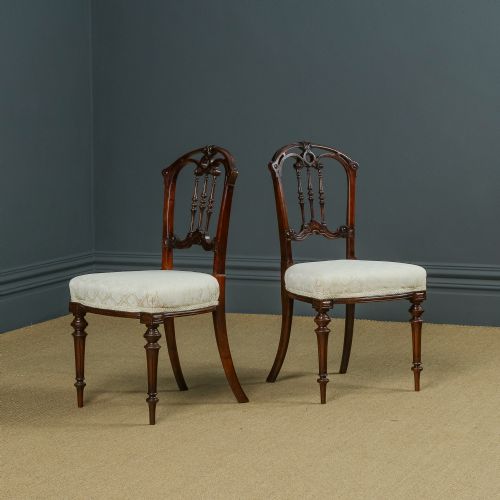
When you search for a carved walnut bedroom desk, you encounter various pieces of furniture designed for dressing and writing rooms. The selection includes dressing tables, writing desks, lowboys, and complementary seating such as side chairs, armchairs, and vanity chairs.
Most examples originate from the Victorian and Edwardian eras, alongside pieces dated to the nineteenth century, nineteen-twenty, and eighteen-fifty. You will frequently find dressing tables and writing desks paired with carved chairs reflecting styles like Queen Anne Revival, Rococo Revival, and Louis XV style.
What varies in quality
The choice of veneer defines the visual weight of a piece, with figured burr walnut commanding attention through complex grain patterns rather than plain timber. Crispness in hand-carved detailing across cabriole legs and frames distinguishes standard production from finer workshop output.
Structural integrity relies on the retention of original brass fittings, leather writing inserts, and sound frame construction. The preservation of original upholstery and hand-painted decorative touches also influences the standing of individual examples.
Several armchairs are recorded with hand-painted decorative surfaces, proving that Victorian makers could not resist adding floral art to functional furniture.
Shoolbred and Co
The Carved Walnut Bedroom Desk Glossary
- Lowboy
- A small low dressing or side table with drawers, commonly supported on four legs. This form appears in nineteenth-century walnut cabinetry.
- Duchess dressing table
- A large nineteenth-century dressing table featuring a central mirror flanked by small drawers and a tiered superstructure. These often incorporate pedestals or compartments for bedroom storage.
- Secretaire
- A piece of furniture containing a built-in writing drawer or fold-down writing flap concealing small compartments. Nineteenth-century examples often combine drawer banks with writing surfaces.
Carved Walnut Bedroom Desk: Frequently Asked Questions
What is a duchess dressing table?
A duchess dressing table is a large Victorian dressing station featuring a large central mirror and tiered drawers. It served as a principal piece of bedroom furniture for grooming.
These pieces often incorporated burr walnut veneers and matched low chairs or writing seats.
How do I use a lowboy today?
A lowboy functions effectively as a compact dressing table, hallway console, or small writing desk. Its modest footprint suits modern bedroom layouts.
Pair it with a side chair or tub armchair from the same period to maintain a consistent aesthetic.
What distinguishes burr walnut from plain walnut?
Burr walnut uses timber cut from tree growths that produce chaotic, highly decorative grain patterns. Plain walnut displays a more uniform, straight or mildly figured grain.
Cabinet makers reserved burr veneers for the primary visual surfaces of high-status desks and tables.
Are these chairs meant for desks?
Many chairs listed under this category served multiple roles including vanity seating, hall seats, and occasional bedroom chairs. Their carved backs and upholstered pads provided comfort for dressing or writing.
Compact dimensions allowed them to tuck neatly beneath matching writing desks and dressing tables.