




Carved Wall Fragment
A carved wall fragment brings tangible history into a room, offering tactile remnants of earlier architecture and sacred spaces.
Carved Wall Fragment
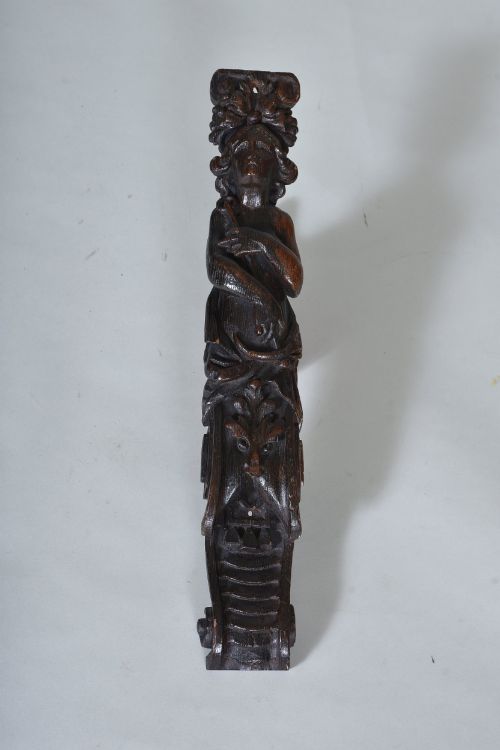
A carved wall fragment is a liberated piece of historic architecture, sculpture or furniture, rescued from buildings and interiors across centuries. When searching for a carved wall fragment, buyers encounter architectural salvage, wall panels, reliefs and ceiling bosses originating from diverse European and global workshops.
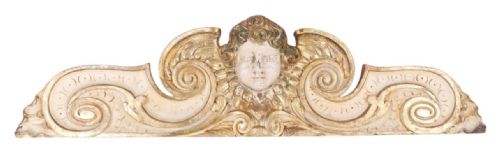
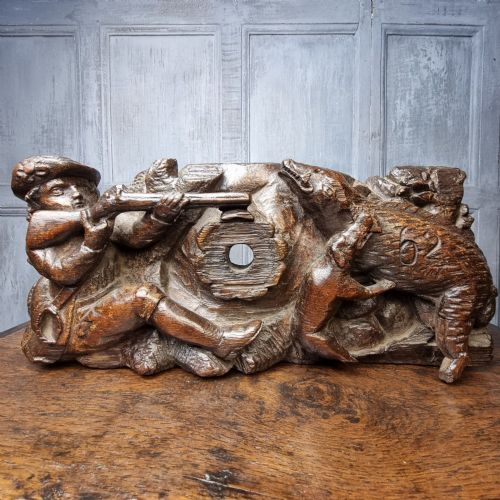
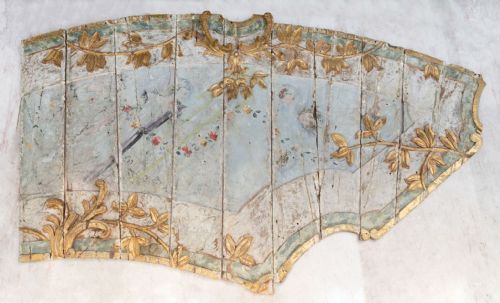
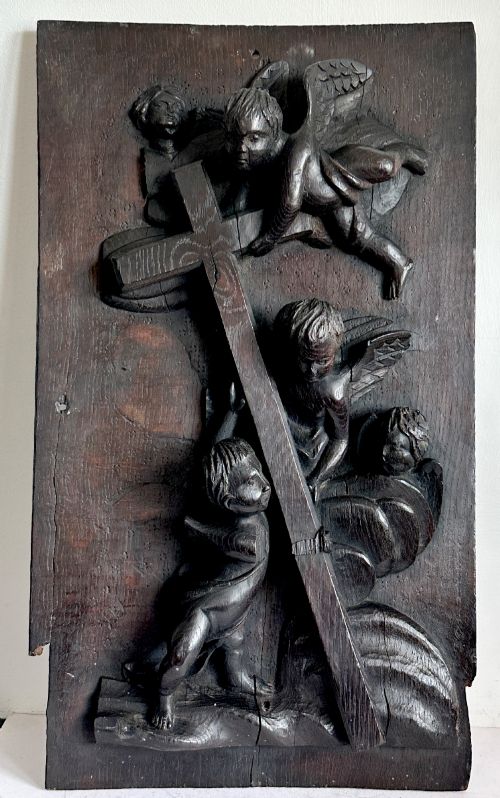
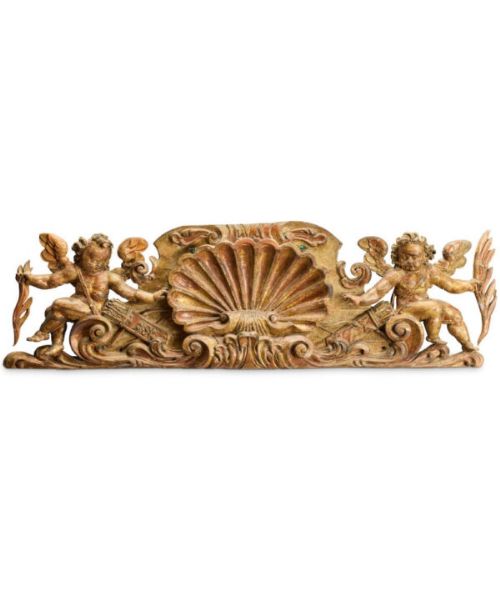
Oak panels and architectural fragments from the sixteenth and seventeenth centuries dominate the selection, alongside eighteenth-century giltwood appliques and nineteenth-century decorative carvings. These pieces function as standalone wall decor, retaining the physical tool marks and patination of their original contexts.
Materials and construction
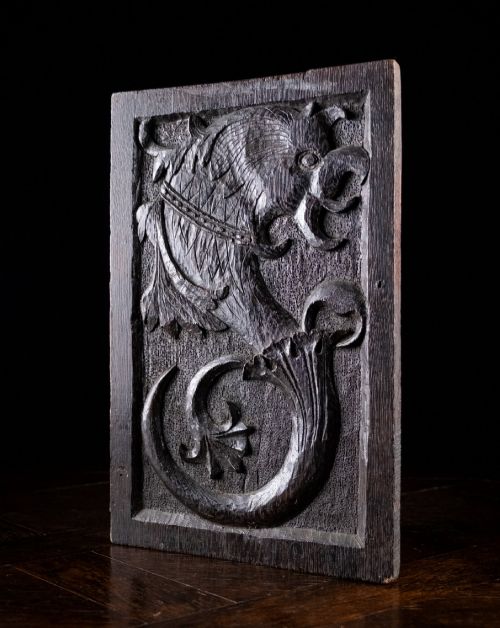
Timber forms the primary medium, with dense native oak and walnut carved using chisels and gouges to achieve high relief and intricate undercut details. Artisans shaped these hard woods for structural ornamentation, friezes and panels destined for churches, civic buildings and grand houses.
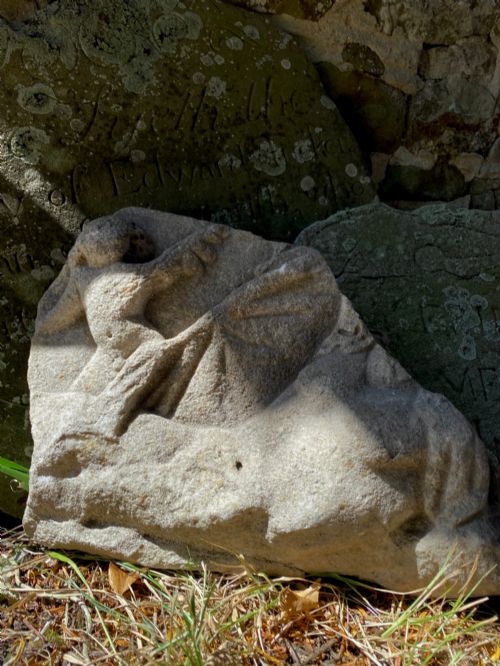
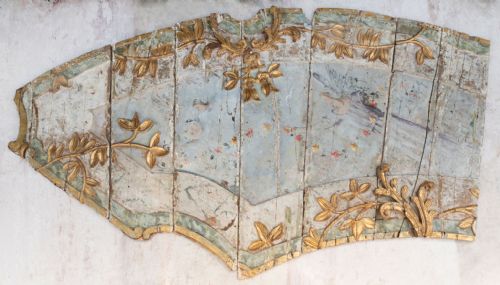
Surface treatments amplify the carved forms through the application of gesso, gold leaf, parcel gilt and paint. Some elements utilise contrasting sandstone or soft limestone, carved directly with figurative scenes, heraldry or architectural tracery.
Carved Wall Fragment Retail Price Guide 2026
Typical asking prices for carved wall fragment among the pieces listed under this phrase on Sellingantiques today, from the lower quarter to the upper quarter. They describe what is for sale here now, not the wider market.
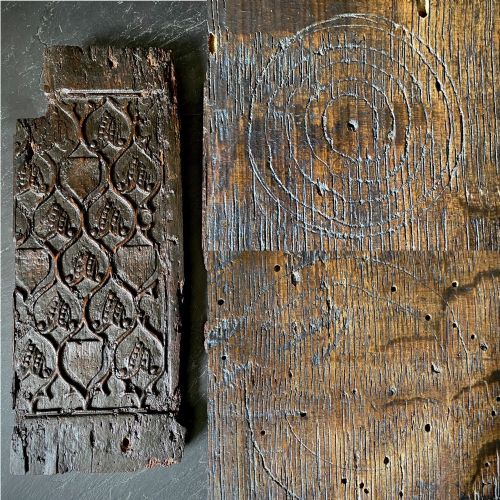
Witch marks hide in plain sight on old oak panels, carved to trick wandering spirits into chasing endless circles.
Assessing quality and execution
The integrity of the remaining timber and the clarity of the period style indicate the skill of the original workshop. Pieces displaying precise Gothic tracery or Baroque modelling command greater visual weight than heavily worn or later recut fragments.
Hugues Sambin·Grinling Gibbons
The Carved Wall Fragment Glossary
- Architectural salvage
- Building elements rescued from demolition or alteration for reuse or display. These pieces range from small decorative mouldings to large structural panels.
- Giltwood
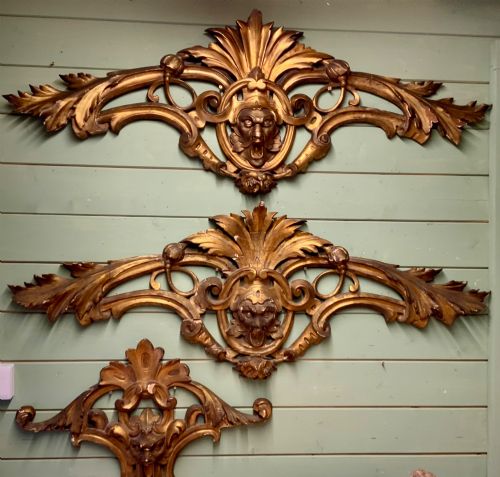
- Timber that has been coated with a thin layer of gold leaf or gold powder over a prepared gesso ground. This technique creates a luminous surface suited to Baroque and Rococo interiors.
- Ceiling boss
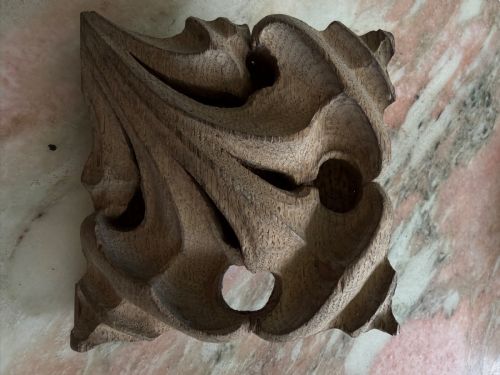
- A decorative projecting block placed at the intersection of ribs in a vaulted ceiling. They frequently feature carved foliage, heraldry or figurative motifs.
- Tracery
- Openwork ornamentation in stone or wood, commonly associated with Gothic windows and panels. It uses intersecting ribs to form geometric patterns or flowing lines.
- Apollropaic mark
- A symbol carved into timber or stone to ward off evil spirits and witchcraft. Common examples include concentric circles and burn marks found on early domestic panelling.
Carved Wall Fragment: Frequently Asked Questions
How were carved wall fragments used originally?
These fragments served as structural decoration, integrated into the fabric of churches, palaces, and manor houses. They ornamented overdoors, friezes, ceilings, and wood-panelled rooms.
Over time, alterations or demolitions separated these elements from their parent structures, preserving them as standalone decorative items.
How do I hang a heavy wooden carving?
Heavy oak and walnut carvings require secure fixings anchored directly into wall studs or masonry using appropriate brackets. The weight and irregular shape of architectural salvage demand professional installation to protect both the wall and the piece.
Ensure the hanging hardware supports the deepest load-bearing points without straining fragile projecting details.
How can I tell the period of a carved panel?
Dating relies on stylistic clues, tool marks, and timber characteristics unique to specific centuries. Sixteenth and seventeenth-century pieces often display robust oak construction with primitive or Mannerist motifs, while eighteenth-century items lean towards refined giltwood and classical symmetry.
Surface patination and historical wear patterns further corroborate the age of the wood and the authenticity of the carving.
How do I care for antique wood carvings?
Maintain a stable indoor environment away from direct heat sources and extreme humidity fluctuations to prevent timber splitting. Dust gently with a soft, dry brush and avoid applying modern polishes or oils to historic finishes.
Unfinished oak and giltwood surfaces react poorly to moisture, requiring dry maintenance to preserve their patination.