


Carved Walking Cane
When you search for a carved walking cane, you are looking at functional props of status that combine everyday utility with fine decorative craft.
Carved Walking Cane
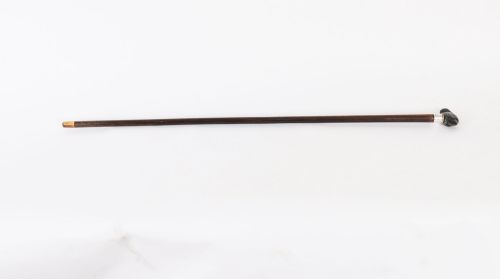
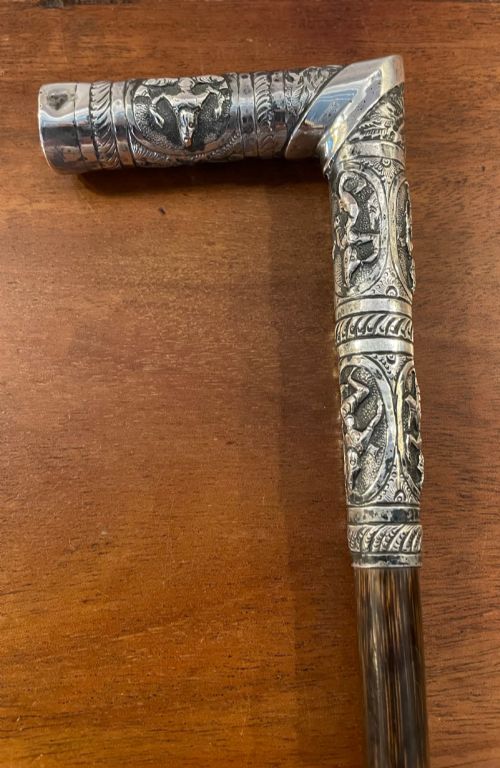
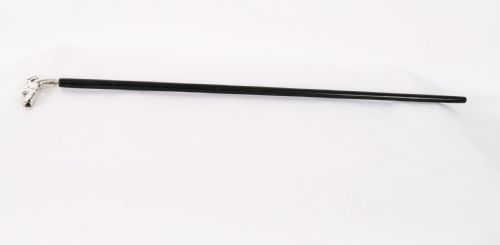
A carved walking cane is a traditional support stick fitted with an ornate handle or decorative shaft, designed to reflect the social standing or personal taste of the owner. These pieces appear frequently across the nineteenth and early twentieth centuries, spanning Victorian, Edwardian, and Art Deco periods.
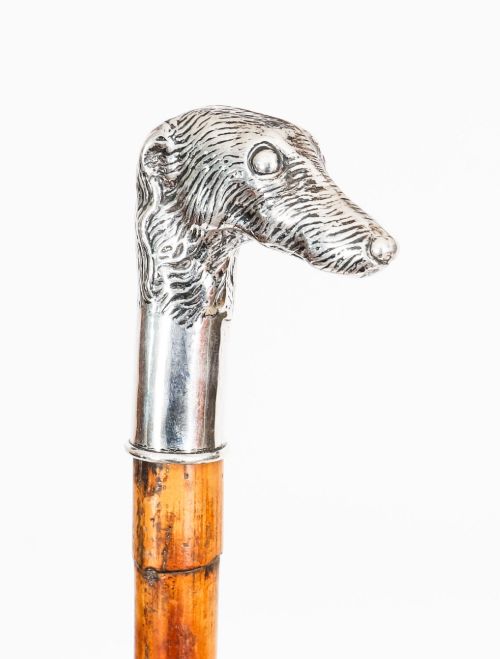
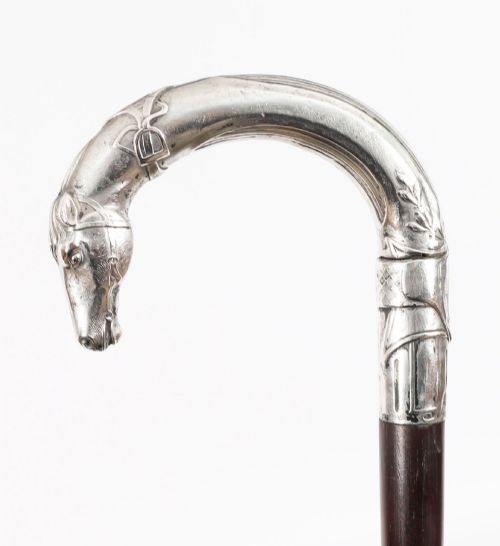
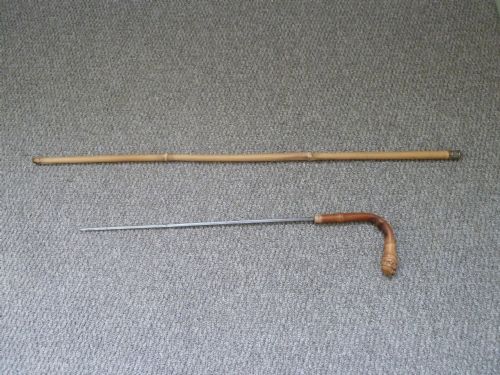
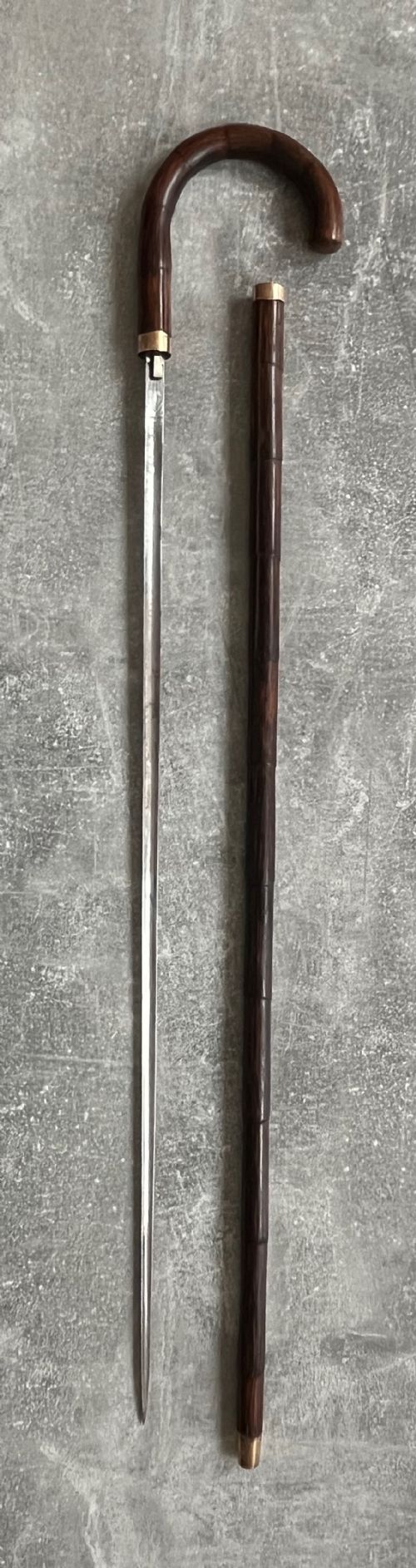
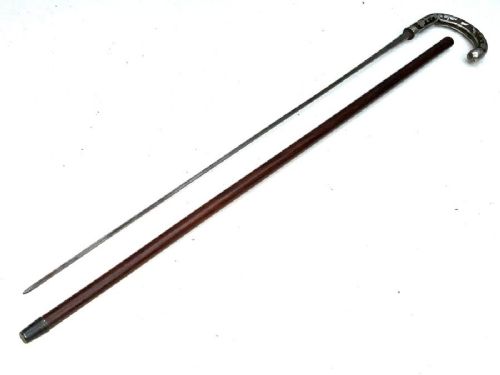
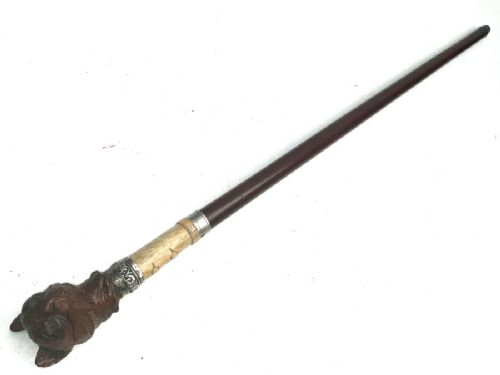
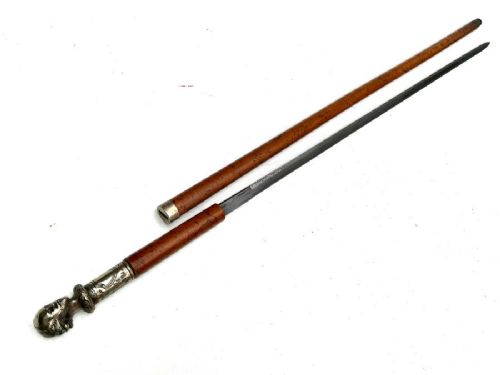
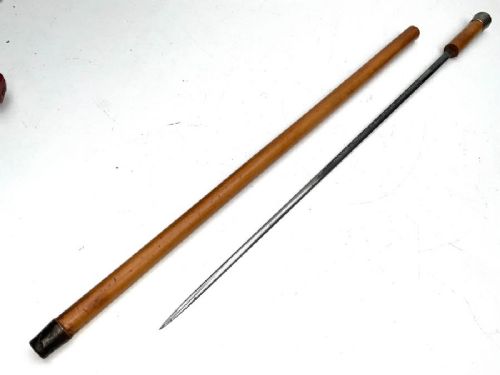
The selection ranges from standard gentleman's walking sticks to specialised gadget pieces incorporating hidden sword blades, snuff boxes, or corkscrews. Many examples showcase detailed animal forms on the handle, such as dogs, horses, birds, and boars, alongside ethnic motifs and folk art traditions.
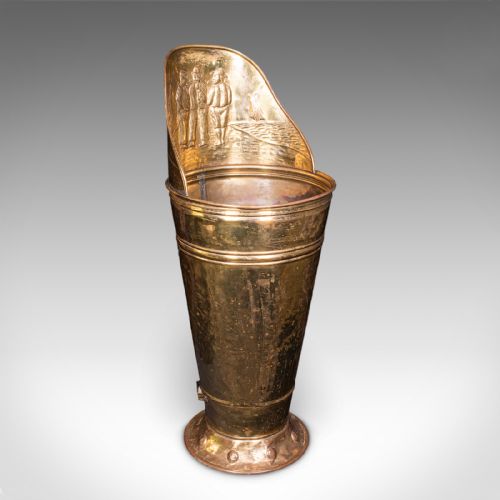
Origins vary widely, encompassing English workshop production, French silver-mounted novelties, Imperial German military gear, and Asian export pieces. Alongside the canes themselves, the category includes companion hall furniture like oak and brass umbrella and stick stands intended for country houses.
How They Were Made
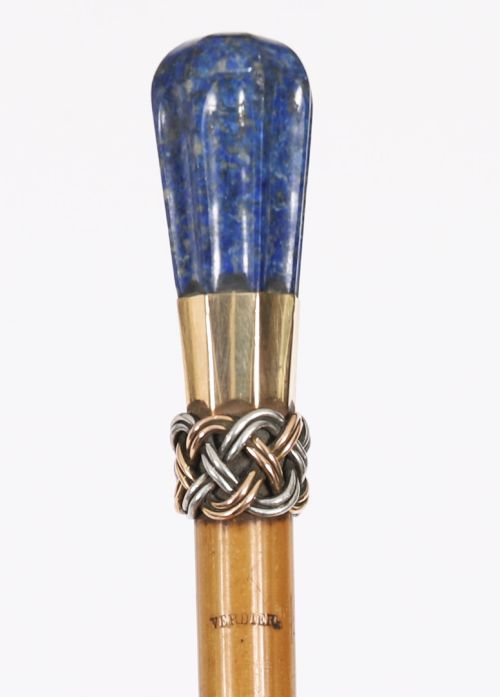
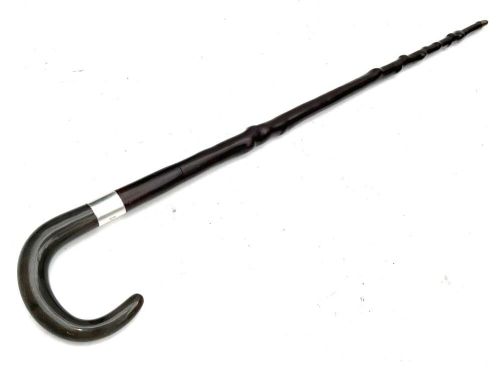
Maker workshops utilised a variety of natural materials, combining sturdy timbers such as oak, hardwood, and bamboo for shafts with metals like silver, brass, steel, and gold for mounts and pommels. Horn, bone, and whalebone also provided durable mediums for intricate hand carving on handles.
Carved Walking Cane Retail Price Guide 2026
Typical asking prices for carved walking cane among the pieces listed under this phrase on Sellingantiques today, from the lower quarter to the upper quarter. They describe what is for sale here now, not the wider market.
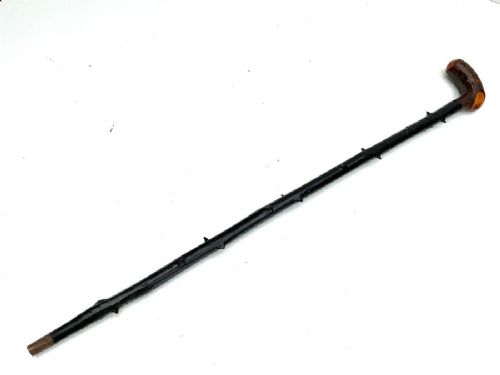
The selection includes regional styles such as Traditional Irish blackthorn and Asian export bamboo alongside European military pieces.
What Varies in Quality
The standard of a carved walking cane rests upon the depth and precision of the craftsmanship evident in the handle and shaft. Superior pieces display finely articulated animal carvings or crisp metal embossing, whereas simpler examples rely on basic turned wood and minimal decoration.
Material selection also dictates overall merit, distinguishing solid silver mounts, gold pommels, and high-grade Toledo steel blades from standard plated metal and plain timber. Furthermore, the complexity of integrated gadgets, such as functional corkscrews or hidden mechanisms, separates standard walking aids from collectible conversation pieces.
Brigg·Henry Borlase Stevens
The Carved Walking Cane Glossary
- Pommel
- The rounded knob or decorative handle on the top of a cane. This part often takes the form of an animal head or a metal cap.
- Gadget cane
- A walking stick that conceals a functional tool within its shaft or handle. Common hidden items include swords, snuff boxes, and corkscrews.
- Colonial India
- A historical context associated with British military or administrative presence abroad. Pieces from this origin often utilise local materials and specific regional carving styles.
- Blackthorn
- A dense, tough wood traditionally used for Irish walking sticks. The natural thorns are trimmed or smoothed down along the shaft.
- Hall stand
- A piece of hallway furniture designed to hold coats, hats, and walking sticks. These often feature built-in metal or wooden umbrella wells.
Carved Walking Cane: Frequently Asked Questions
What is a sword stick?
A sword stick is a walking cane that houses a concealed steel blade within its hollow shaft. The blade is secured by a locking mechanism and is released by pulling the handle.
These pieces were carried for personal defence or as gentlemanly novelties during the nineteenth and early twentieth centuries.
How do I date an antique cane?
Dating relies on identifying the style of the carving, the materials used, and any hallmarks on the metal mounts. Victorian and Edwardian examples often feature distinct animal motifs and specific metal working techniques.
Maker marks or stamps on silver and gold pommels provide the most precise chronological indicators.
What was a gadget cane used for?
A gadget cane served a dual purpose by combining walking support with a hidden utilitarian tool or novelty item. Common examples include sticks with integrated snuff boxes, corkscrews, or specialised mechanisms.
These objects were popular among gentlemen who appreciated clever engineering and discreet utility.
How should I display walking sticks at home?
Walking sticks are traditionally housed in dedicated hall stands, umbrella stands, or wall-mounted racks. Period oak, brass, and demi-lune stands provide stable upright storage.
Grouping sticks together in a hallway or study showcases the variety of handles and materials.