





Carved Timber Crest
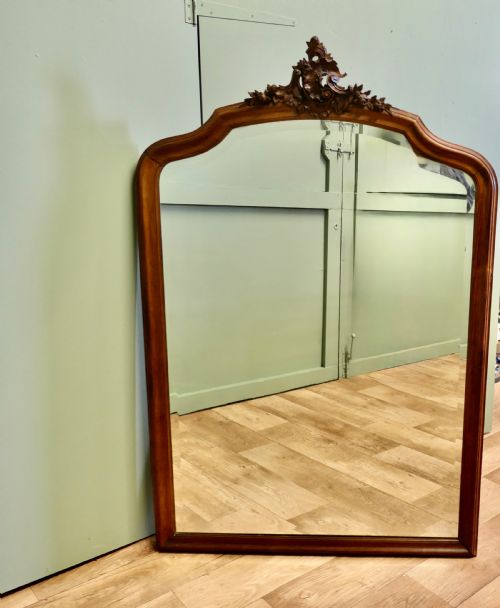
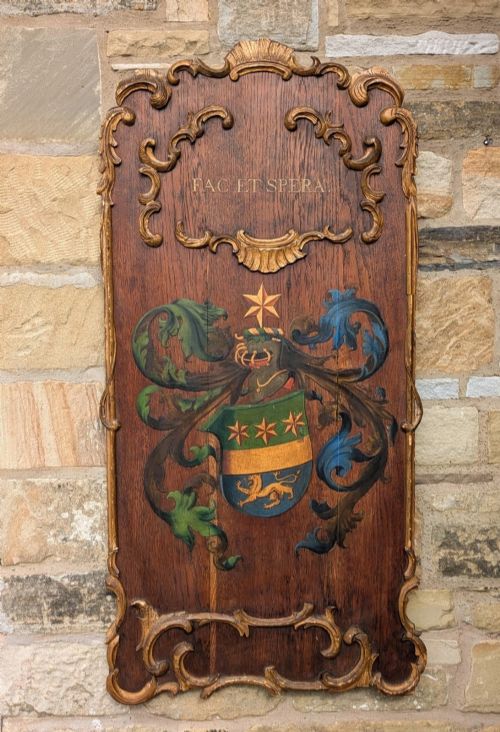
Carved timber crest examples are decorative architectural elements and sculptural panels that bring rich historic texture and heraldic authority to a room.
Carved Timber Crest
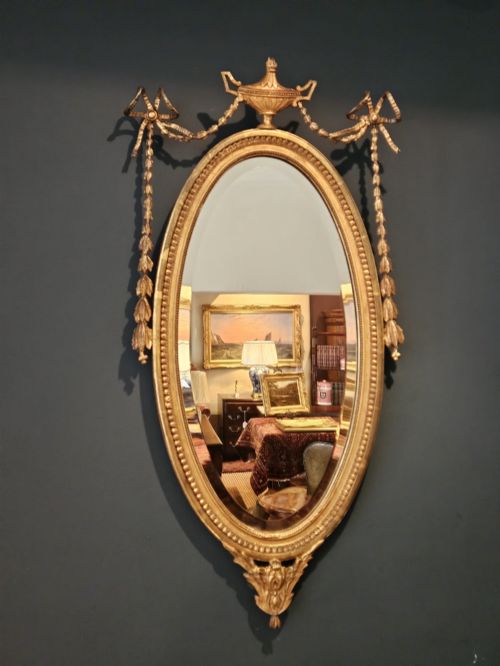
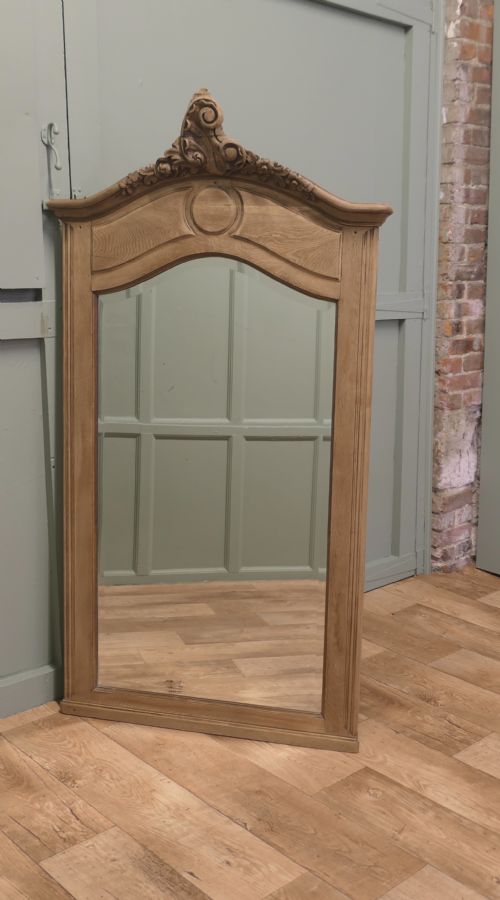
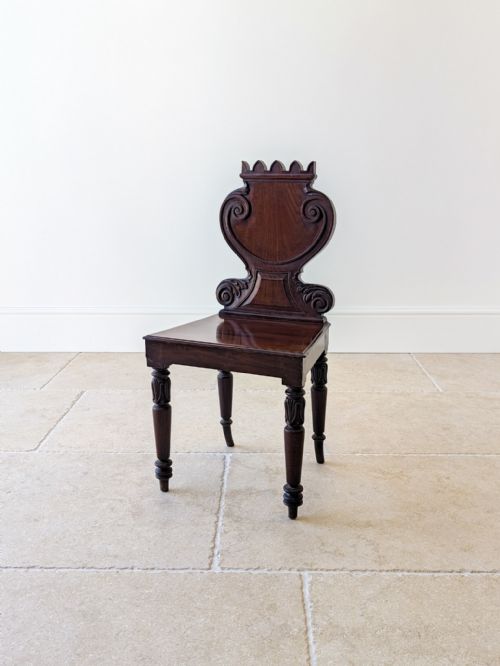
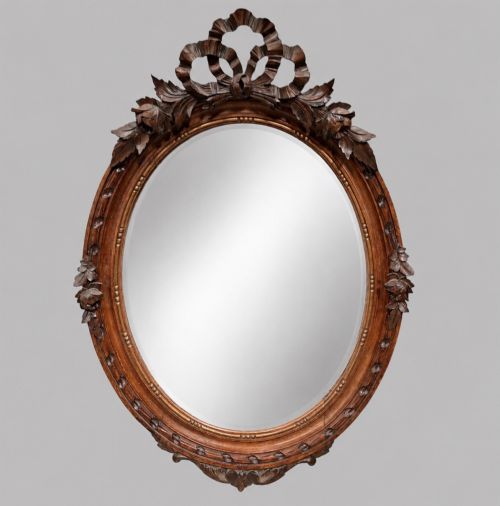
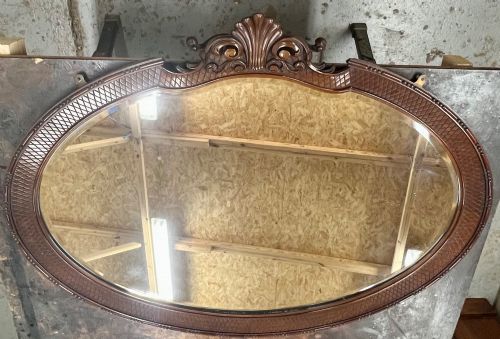
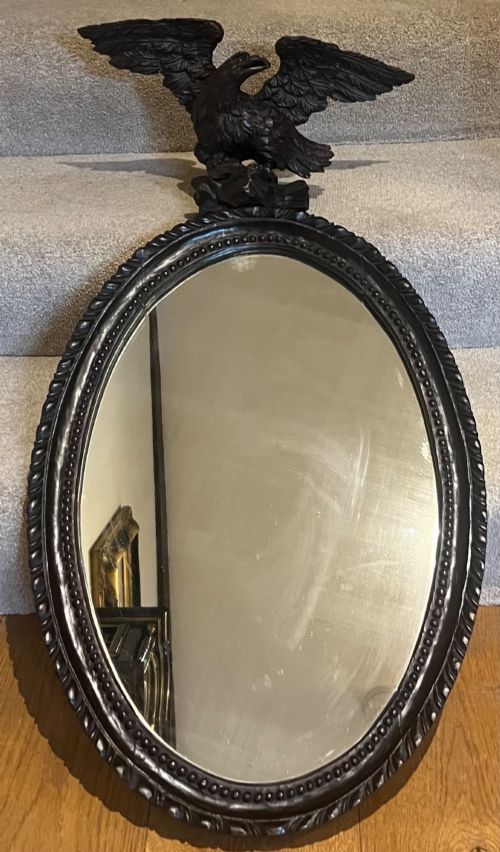
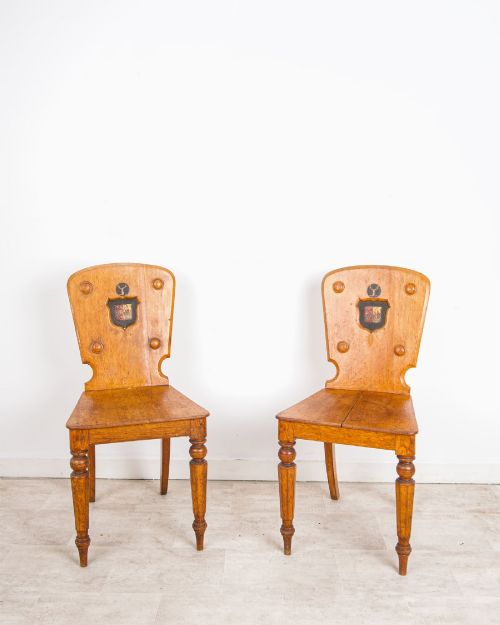
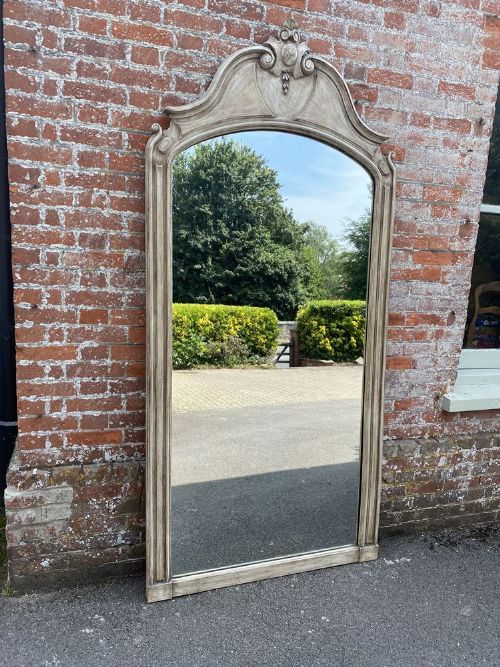
The assortment includes specialised forms such as heraldic shield back chairs, French painted architectural pelmets, and carved wooden mirror frames rendered in oak, walnut, and mahogany. Many pieces incorporate symbolic elements like eagles, cartouche emblems, and shell backs designed to anchor grand interiors or country house libraries. You also find items linked to specific cultural traditions, including Anglo-Indian cabinets and tribal carved masks.
How they were made
The makers of these carvings relied predominantly on solid hardwoods like oak, walnut, mahogany, and beech, which provided the dense grain necessary for sharp, enduring relief work. Artisans employed traditional hand chisels and gouges to shape the timber directly, achieving depth and dimension without relying on modern machinery. Some surfaces received layers of paint, gesso, or dark wax to enhance the visual weight of the carved foliage and heraldic devices.
Where mirrors and panels formed the base structure, joinery techniques such as mortise and tenon joints kept the wooden frames stable over centuries of environmental change. Veneers were occasionally applied to secondary carcase woods, contrasting with deeply carved solid crestings pinned or glued to the top of mirror frames and chair backs. The combination of structural joinery and sculptural hand carving ensured these decorative components could withstand both daily use and structural tension.
Carved Timber Crest Retail Price Guide 2026
Typical asking prices for carved timber crest among the pieces listed under this phrase on Sellingantiques today, from the lower quarter to the upper quarter. They describe what is for sale here now, not the wider market.
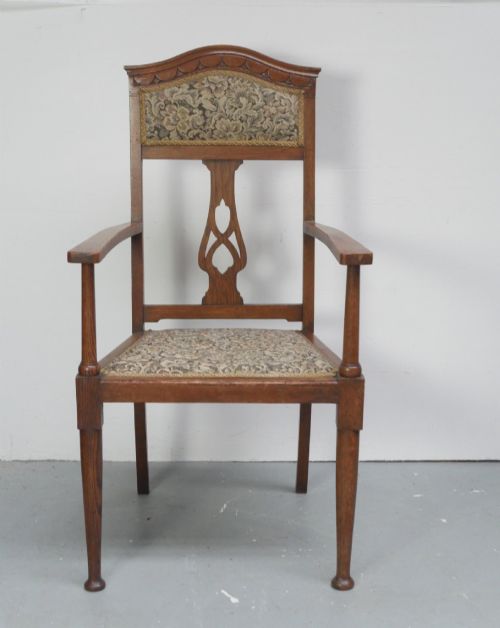
Listings feature items from the 17th to the 20th century, utilising oak, walnut, mahogany, and beech across mirror frames and chairs.
What varies in quality
The standard of a carved timber crest rests upon the depth, precision, and confidence of the hand carving rather than the mere age of the timber. Superior pieces exhibit crisp undercutting, where the artisan has cleared away the background wood to let leaves, ribbons, or heraldic charges stand free in high relief. Lesser examples show flat, mechanical tooling with rounded edges and timid depth that lack sculptural presence.
Proportion and wood selection further separate exceptional pieces from standard production. High-grade items display carefully matched timber grain that follows the natural curves of the design, whereas lower-quality variants use secondary softwoods covered by heavy paint or dark finishes to mask inferior joining. The integration of the crest into its host object - whether a chair back, mirror frame, or architectural panel - determines its aesthetic harmony.
Gillows
The Carved Timber Crest Glossary
- Heraldic shield
- A flat or slightly curved panel shaped like a medieval shield, frequently carved with coats of arms or family crests. These were incorporated into chair backs and wall plaques during the Victorian era.
- Cartouche
- An ornamental tablet or oval frame resembling a scroll or rolled-up piece of paper, often bearing an emblem or inscription. This motif appears frequently on nineteenth-century decorative panels and mirrors.
- Gesso
- A plaster-like mixture applied to wood surfaces as a base for paint or gilding, allowing for smooth, moulded decorative details. It was commonly used on nineteenth-century French frames.
- Pelmet
- A wooden architectural board mounted above a window or doorway to conceal curtain fixtures, often richly carved and painted. They served as structural ornamentation in grand nineteenth-century interiors.
- Architectural salvage
- Elements rescued from buildings undergoing demolition or remodeling, including carved panels, crests, and mouldings. These pieces allow modern interiors to incorporate authentic historic craftsmanship.
Carved Timber Crest: Frequently Asked Questions
What is a carved timber crest used for?
These carvings served as decorative focal points on furniture, wall displays, and architectural archways. They added dignity and familial identity to domestic interiors.
Over time, many of these elements became detached from their original settings and survived as independent wall plaques or decorative mirrors.
How do I identify the period of a carved crest?
Dating relies on observing the wood species, tool marks, and stylistic influences such as Regency classical revival or heavy Victorian heraldry. Examining the back of the panel reveals construction methods characteristic of specific decades.
Comparing the depth of relief work and the type of finish applied helps narrow down whether a piece dates to the mid-nineteenth century or later.
How should I hang a heavy wooden wall mirror?
Large carved mirrors require secure fixing directly into wall studs or masonry using appropriate heavy-duty brackets. The substantial weight of solid oak or walnut frames demands stable wall anchors.
Consulting a professional installer ensures the hanging hardware supports the combined weight of the timber frame and glass safely.
Can I place these pieces in modern rooms?
These wooden carvings offer a strong textural contrast when integrated into contemporary minimalist or industrial spaces. Their rich patination and organic forms soften stark architectural lines.
Positioning a carved panel or mirror as a singular focal point allows the historic craftsmanship to stand out without overwhelming the room.