




Carved Timber Bedstead
A carved timber bedstead brings substantial presence and historic character to a bedroom, offering solid construction through walnut, mahogany, oak and fruitwood.
Carved Timber Bedstead
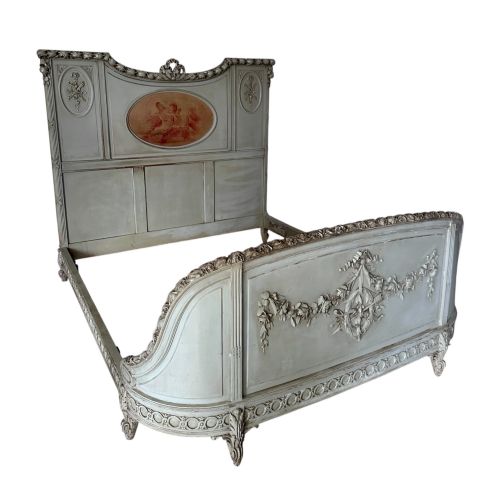
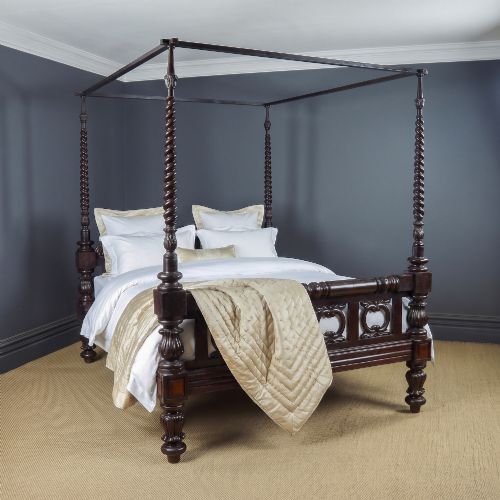
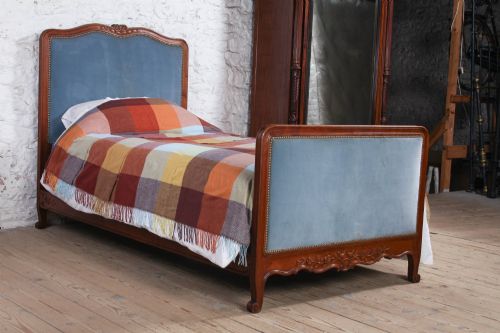
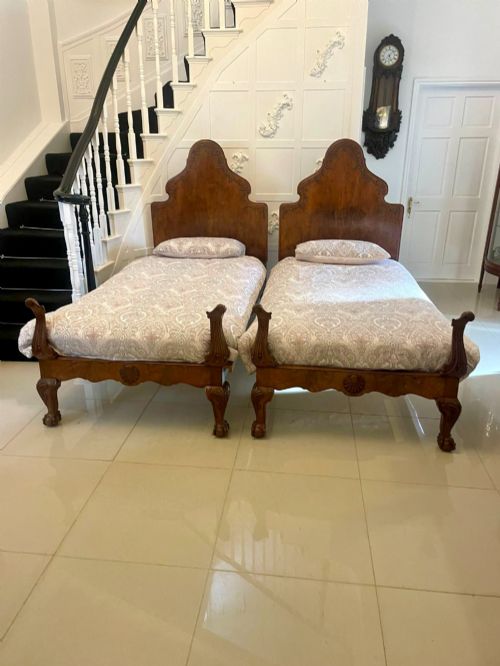
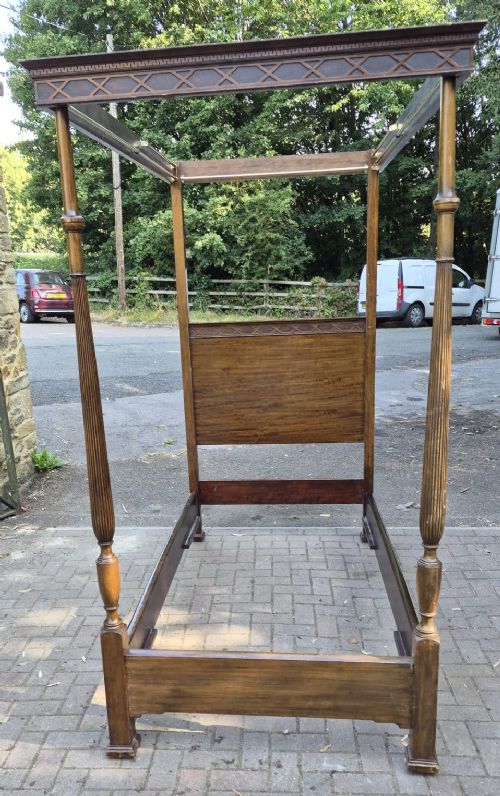
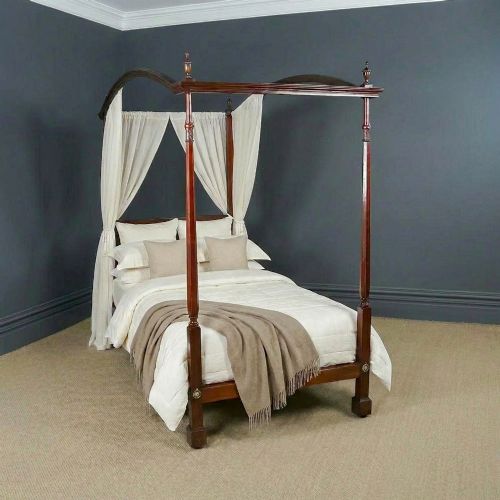
A carved timber bedstead provides a focal point for a bedroom, appearing in forms such as single beds, double beds, king sizes, super king sizes, four poster beds, half tester beds and full tester beds. These frames emerge from periods including the seventeenth century, eighteenth century, nineteenth century, Victorian era, Edwardian era and up through the 1930s.
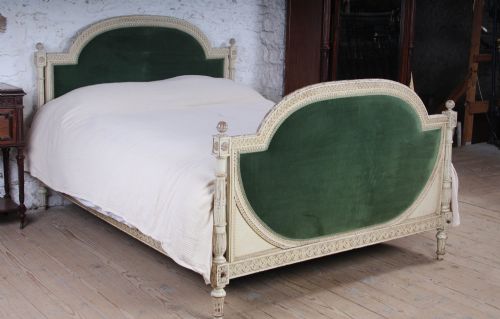
Buyers encounter examples shaped by various design traditions, including French Provincial, French Chateau, Louis XIV style, Louis XVI style, Gothic style, Arts and Crafts, Queen Anne style, French Aesthetic Movement and Georgian Revival. Construction materials span walnut, burr walnut, mahogany, oak, fruitwood, Hungarian ash, plum pudding mahogany and Chinese hardwood, sometimes paired with iron, brass or hand-painted floral panels.
Origin points vary widely, taking in English workshops, French makers, Portuguese makers and Chinese makers. These pieces operate primarily as functional sleeping furniture that doubles as sculptural woodwork within domestic spaces.
How carved timber bedsteads were made
Cabinetmakers and joiners constructed these frames using dense hardwoods like walnut, mahogany and oak, frequently selecting burr walnut, fruitwood, Hungarian ash and plum pudding mahogany for decorative grain patterns. Timber sections were joined using traditional woodworking joints, and structural metal components such as iron and brass occasionally reinforced the side rails and bed bases.
Surface decoration relied on hand-carved motifs, fruitwood inlay, caning, faux bamboo turning and hand-painted floral panels on French models. Wood surfaces were finished with polishes or waxes that highlighted the natural figure of the timber.
Carved Timber Bedstead Retail Price Guide 2026
Typical asking prices for carved timber bedstead among the pieces listed under this phrase on Sellingantiques today, from the lower quarter to the upper quarter. They describe what is for sale here now, not the wider market.
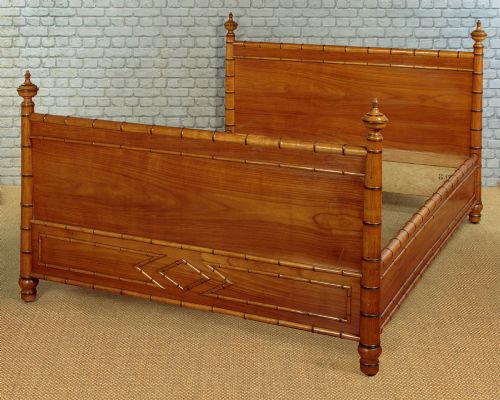
One Victorian bedstead cleverly disguises its structural strength behind delicate faux bamboo turnings.
What varies in quality in carved timber bedsteads
The sophistication of the hand-carved detail and the selection of timber figure distinguish higher tiers of production, particularly when cabinetmakers utilised burr walnut or plum pudding mahogany. The integrity of the original joints and the survival of secondary elements such as side rails, testers and original fabric determine the structural coherence of the piece.
Attribution to known firms or documented makers introduces distinction, as does the purity of stylistic execution within regional traditions like French Chateau or Arts and Crafts.
Oliver Morel·Heals of London
The Carved Timber Bedstead Glossary
- Tester
- A flat wooden canopy or sounding board suspended over a four-poster bed. A half tester covers only the upper portion near the headboard.
- Burr walnut
- Wood taken from the warted growth on a walnut tree, yielding highly figured grain patterns prized for decorative veneer and panels.
- Faux bamboo
- Timber turned and carved to imitate the segmented stalks of natural bamboo, popular during the nineteenth century.
Carved Timber Bedstead: Frequently Asked Questions
How do I know the period of a bed?
Dating relies on examining the timber species, construction joints, carving styles and overall proportions of the frame. Pieces from the seventeenth century utilise heavy oak and simple hand joinery, whereas Victorian and Edwardian examples introduce machine assistance and revival styles like Georgian Revival or Gothic.
Comparing the decorative motifs, such as Louis XIV scrolling or Arts and Crafts simplicity, helps place the bed within its historical era.
Will an antique bed fit modern mattresses?
Many antique bedsteads were built to historical sizing standards that differ slightly from current mattress dimensions. Buyers frequently verify side rail lengths and internal widths to ensure standard modern mattresses fit comfortably within the antique frame.
Custom mattress makers can also supply bespoke sizes tailored to specific historical dimensions.
How do I care for timber bed frames?
Maintenance involves dusting timber surfaces regularly with a soft cloth and occasionally applying appropriate furniture wax to nourish the wood. Avoiding direct sunlight and extreme humidity changes protects the joints and prevents the timber from splitting.
Checking structural bolts and side rail fixings periodically ensures the frame remains stable during daily use.