

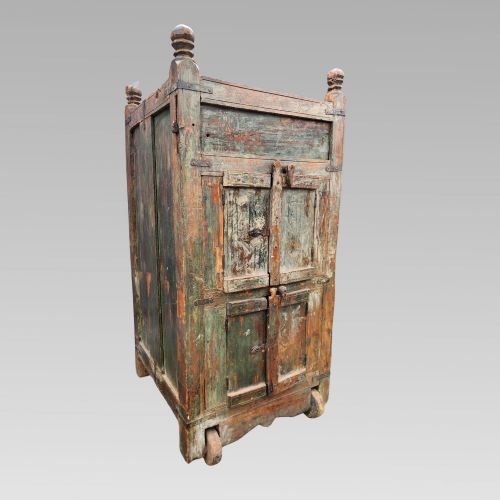
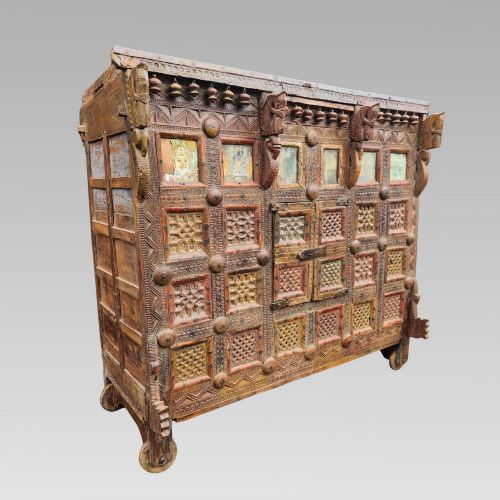
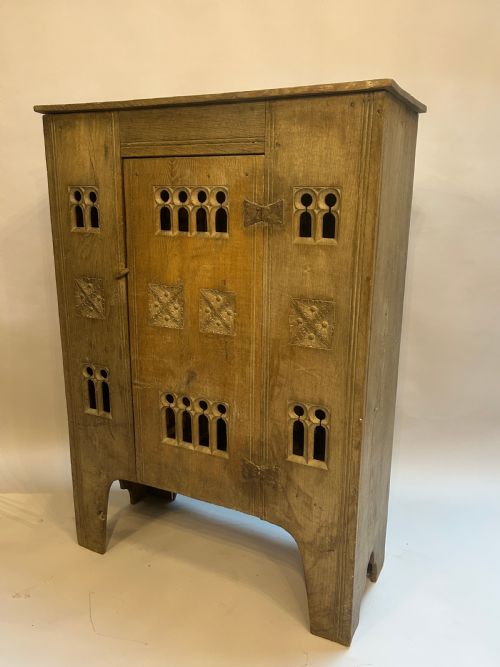
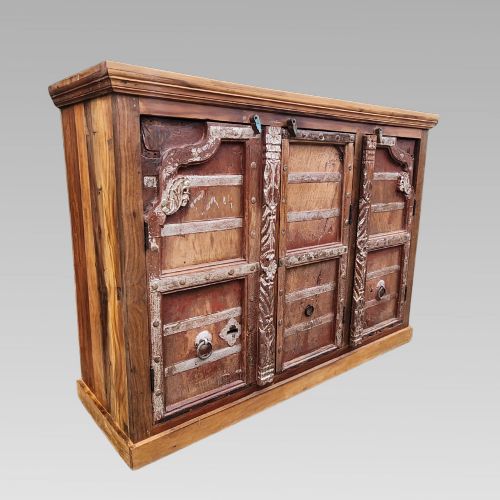
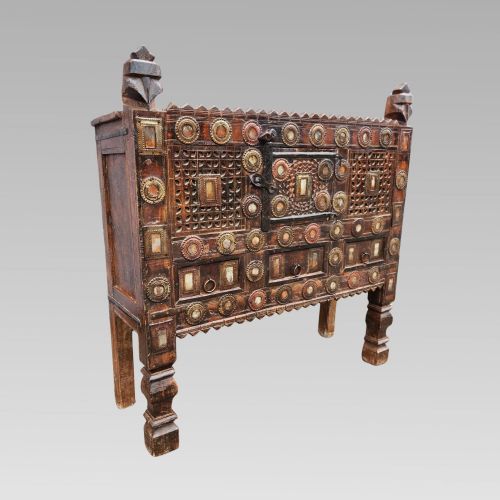


Carved Teak Cupboard
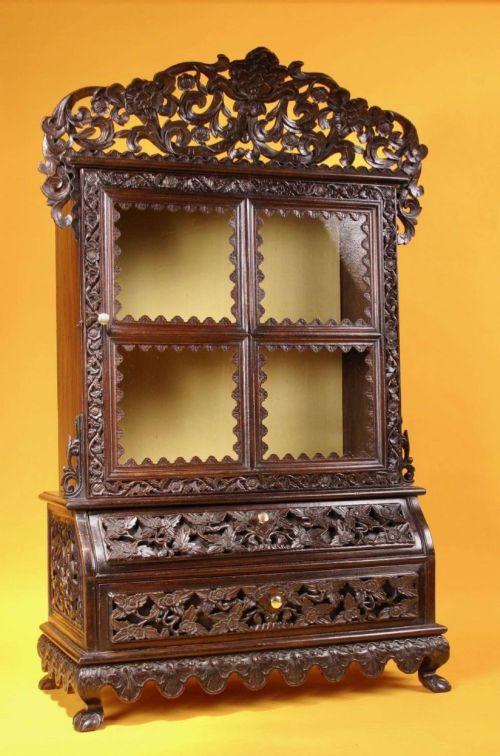
These carved teak cupboard examples range from Victorian veranda gin cabinets to nineteenth century Anglo-Indian storage pieces.
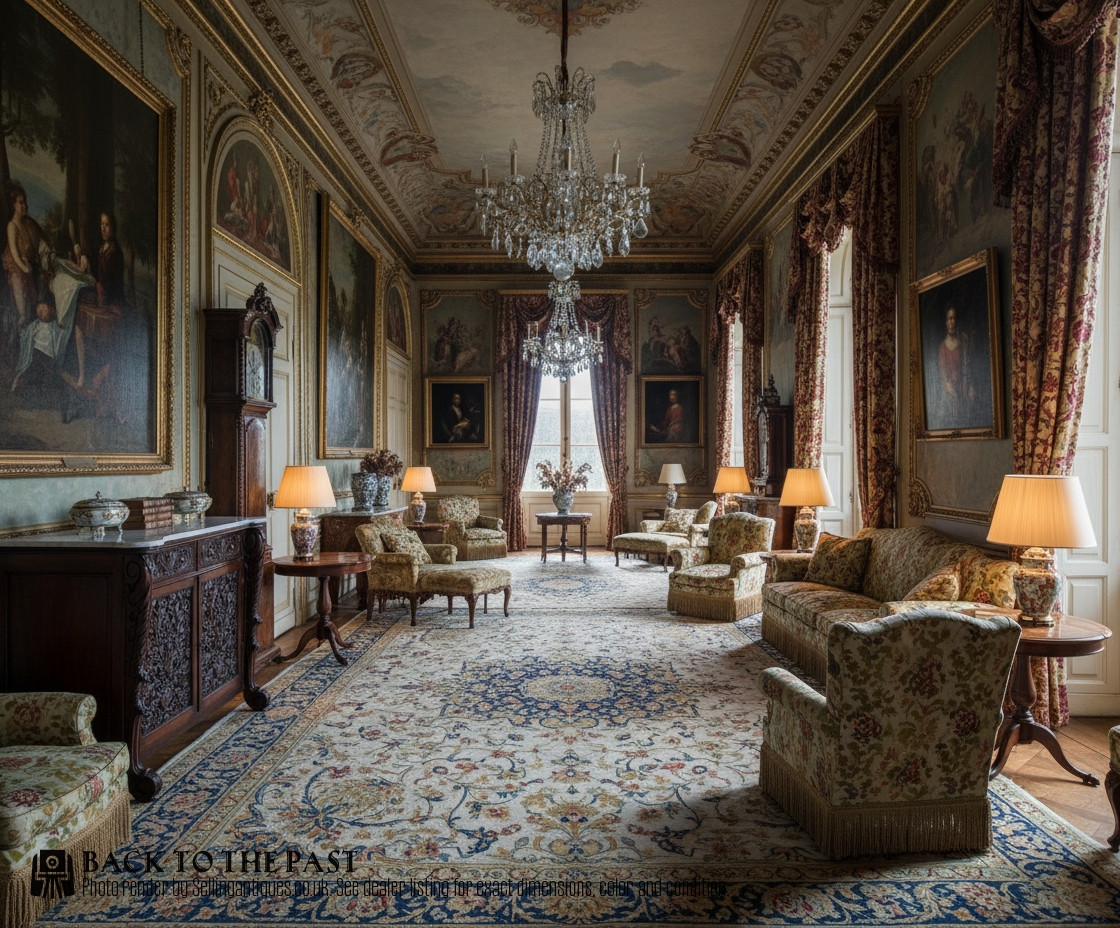
Carved Teak Cupboard
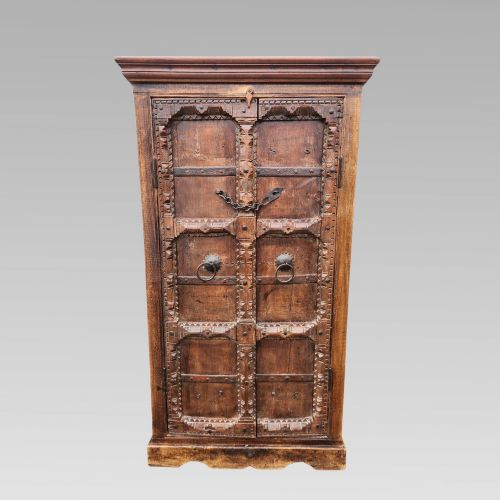
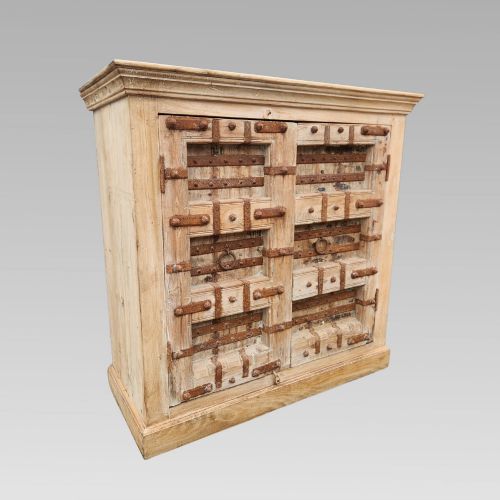
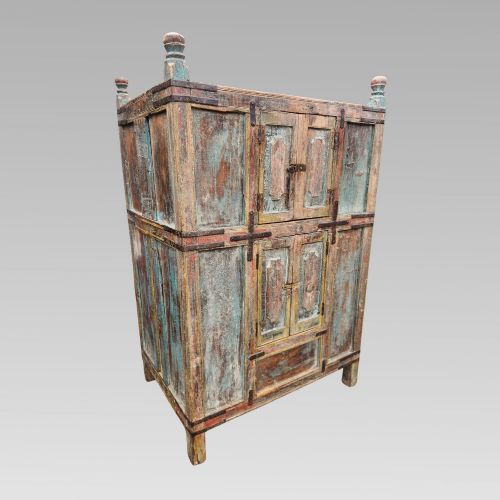
A carved teak cupboard spans several distinct forms including nineteenth century cabinets, Almirahs, Damchiya dowry chests, and tall storage units.
The most common examples on this page are nineteenth century Anglo-Indian cabinets and twentieth century reclaimed teak storage cupboards.
Objects originate from regional traditions such as traditional Indian, Indian provincial, and Indian folk art alongside Burmese specimen pieces.
How they were made
Makers constructed these cabinets using dense tropical timbers, primarily teak and hardwood, occasionally incorporating rosewood.
Structural and decorative elements frequently integrate iron, brass, glass, paint, and bone inlay alongside traditional carving techniques.
Veranda gin cabinets provided colonial households with secure refreshment close to the porch.
What varies in quality
The depth and intricacy of the carving separate standard utilitarian storage from statement pieces intended for formal rooms.
The integration of reclaimed materials and secondary timbers influences the overall character and visual weight of each cabinet.
The Carved Teak Cupboard Glossary
- Almirah
- A freestanding cupboard or wardrobe used for storage. This term originates from the Indian subcontinent and typically describes tall cabinetry.
- Damchiya
- A traditional dowry chest adapted for storage. These low cabinets often feature heavily carved panels and compartmented interiors.
- Anglo-Indian
- A design style produced during the British colonial period. It blends European furniture forms with traditional South Asian craftsmanship and ornamentation.
- Specimen
- A piece constructed to display varied timber samples or decorative techniques. These items highlight the range of available materials.
Carved Teak Cupboard: Frequently Asked Questions
What is an Almirah?
An Almirah is a traditional storage cupboard used primarily for household goods and clothing.
These pieces range from plain utilitarian storage to highly decorated statement furniture.
How old are these cupboards?
The pieces span from the Victorian era and the nineteenth century through to the nineteen thirties.
Dates are established through timber analysis, construction methods, and stylistic indicators.
Where were they made?
Items originate across South Asia, including India, Ceylon, and Burma.
Regional workshops utilised local hardwoods and distinct decorative motifs.
What materials are used?
Teak is the primary timber, supported by hardwoods and occasional rosewood.
Details often include brass, iron, glass, and bone inlay.