



Carved Table Centerpiece
A carved table centerpiece anchors a dining surface with substantial presence, drawing the eye through dramatic form and detailed surface work.
Carved Table Centerpiece
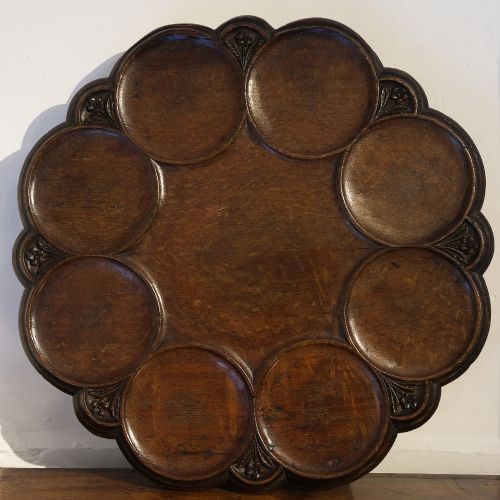
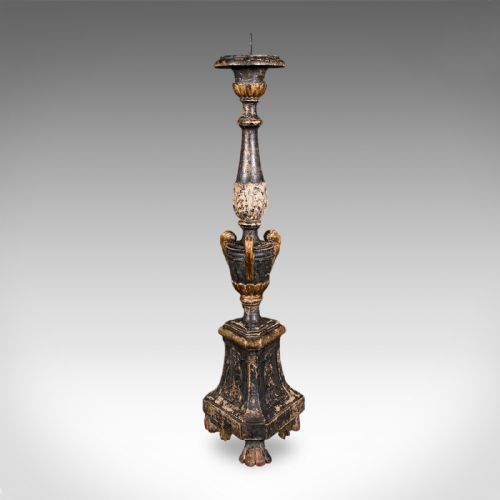
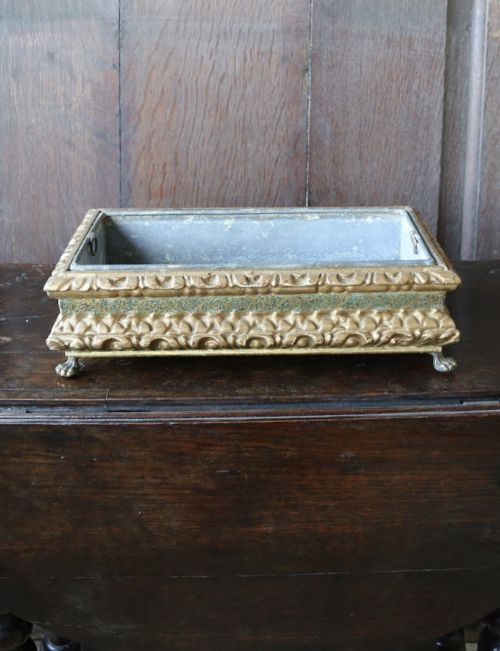
A carved table centerpiece brings height, sculptural form and ornamental focus to the middle of a dining or display surface. When searching for a carved table centerpiece, collectors encounter diverse configurations including fruit bowls, rotating lazy susans, epergnes, and jardiniere planters.
The materials span solid timbers like oak and mahogany alongside giltwood, porcelain, glass and sterling silver. Many examples incorporate carved wooden decoration featuring fruiting vines or botanical motifs.
Dating ranges from the seventeenth century through the Georgian and Victorian eras into the early twentieth century. Forms reflect regional traditions including English country, Black Forest, Italian baroque, and French belle epoque styles.
How they were made
Makers shaped structural elements from dense timbers such as mahogany and oak, employing hand-carving techniques to render intricate surface ornament like fruiting vines. Other workshops combined carved wood bases with blown glass inserts, mirrored glass, or baccarat crystal components.
Giltwood and ebonised pieces rely on applied gold leaf or dark finishes over carved wooden foundations. Metal versions utilise sterling silver, ormolu, copper and old Sheffield plate, often paired with champleve enamel or porcelain.
Periods represented stretch from the 17th century through Georgian and Victorian eras to 1930.
What varies in quality
Quality rests in the depth, crispness and ambition of the carved decoration rather than mere surface embellishment. Finer examples display undercut foliage and balanced proportions that demonstrate sculptural confidence from the maker.
Material integration also separates standard items from exceptional ones, particularly where glass or crystal vessels fit precisely into carved wooden frames or metallic mounts.
The Carved Table Centerpiece Glossary
- Lazy Susan
- A rotating tray placed on a table to assist with passing food. These revolving versions frequently feature substantial turned and carved mahogany or oak construction.
- Epergne
- A large ornamental centerpiece designed for holding fruit, flowers, or sweetmeats across multiple tiers. They often combine carved bases with glass trumpets or crystal bowls.
- Jardiniere
- A decorative ceramic or metal pot or stand used for holding plants. Examples appear in majolica porcelain and accommodate interior floral arrangements.
- Campana Urn
- A classical vessel shape resembling an inverted bell with a flared rim. This form frequently supports lamps, wine coolers, or floral displays.
- Tazza
- A shallow ornamental cup or bowl raised on a stem and foot. These pieces serve as decorative table centerpieces within aesthetic movement collections.
Carved Table Centerpiece: Frequently Asked Questions
What is a carved table centerpiece?
A carved table centerpiece is an ornamental object designed to sit in the middle of a dining table or sideboard. These items range from fruit bowls and rotating trays to epergnes and jardiniere planters.
They combine sculptural woodwork with materials like glass, porcelain, and silver to create a decorative focal point.
How were centerpieces used historically?
Historically, centerpieces served both decorative and functional roles during formal dining. They held fruit, flowers, or sweets while displaying the host's taste and wealth.
Rotating lazy susans and revolving trays facilitated the sharing of dishes across large dining tables.
How do I style a centerpiece at home?
Placement depends on the scale and form of the piece in relation to your dining surface or sideboard. Open bowls and glass epergnes allow for seasonal displays of fruit or floral arrangements.
Allow the carved wooden details and metallic surfaces to remain visible without overcrowding the surrounding space.
How do I identify different periods?
Period identification relies on observing stylistic markers, wood choices, and manufacturing techniques. Seventeenth and eighteenth-century items often show heavier hand-carved giltwood or oak.
Victorian and later pieces incorporate diverse revivals, including Black Forest foliage, aesthetic movement forms, and early twentieth-century porcelain.