




Carved Stone Bowl
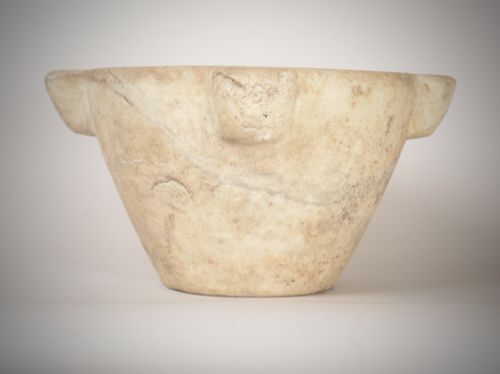
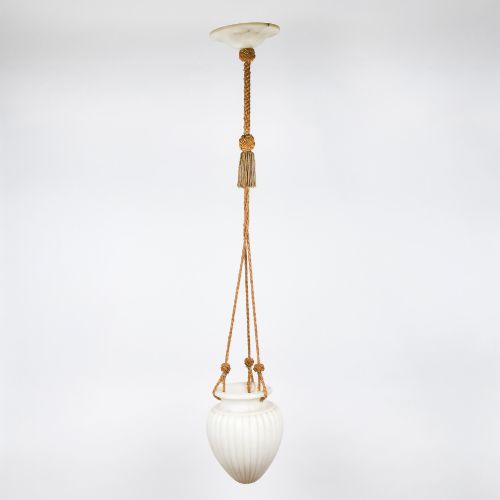
When you search for a carved stone bowl, you encounter heavy mortars, grand tour tazze and alabaster pendant lights fashioned from durable minerals.
Carved Stone Bowl
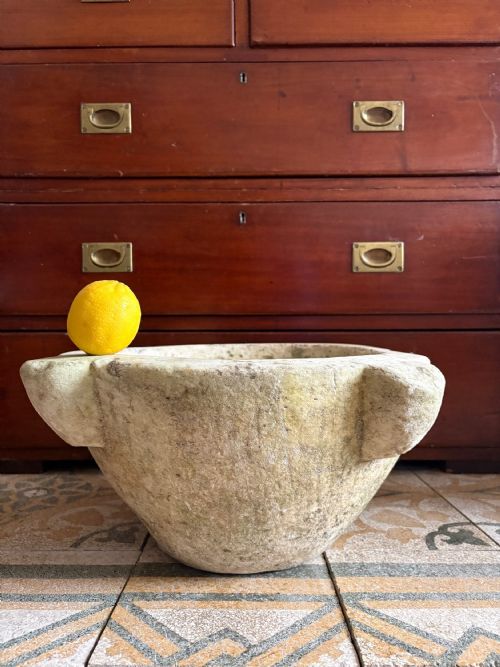
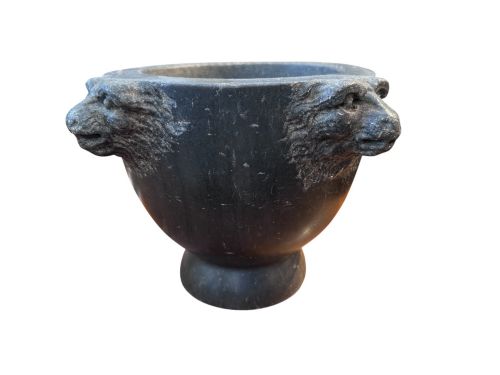
A carved stone bowl encompasses utilitarian kitchenware such as eighteenth century mortars alongside decorative objects like marble tazze and alabaster hanging lights. These pieces span from the seventeenth century through the mid twentieth century, originating from workshops in Italy, France, Sweden and China.
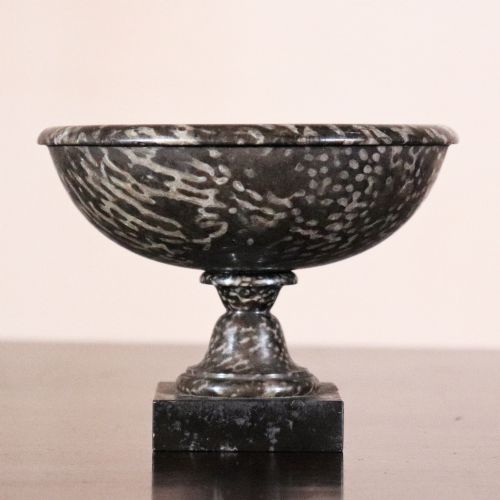
You are most likely to meet heavy marble mortars from the eighteenth century or nineteenth century neoclassical tazze resting on black marble bases. Alabaster pendant lights from the nineteen twenties and nineteen thirties also appear frequently among the listings.
How they were made
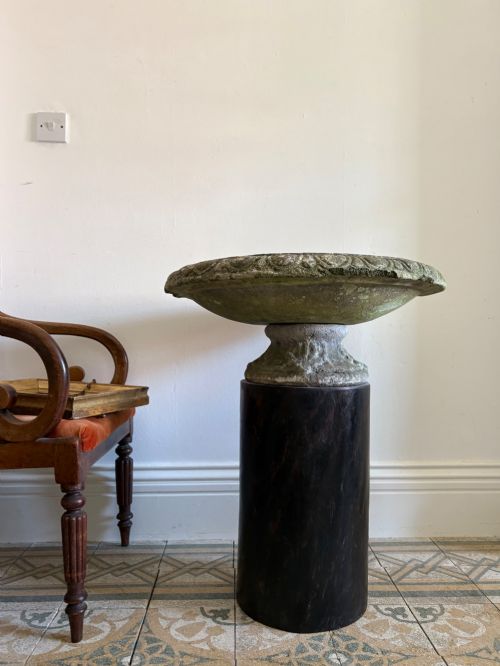
Makers shaped these items from natural materials including white marble, alabaster, basalt, malachite, sienna marble and banded agate using hand carving techniques. Cast stone and reconstituted stone also appear in nineteenth and twentieth century garden planters and birdbaths.
Specialised items incorporate complementary elements such as gilt brass, bronze ormolu mounts and fabric cord suspensions for hanging lights. Chinese puzzle cups demonstrate intricate hand carving across multiple fitted stone rings.
Carved Stone Bowl Retail Price Guide 2026
Typical asking prices for carved stone bowl among the pieces listed under this phrase on Sellingantiques today, from the lower quarter to the upper quarter. They describe what is for sale here now, not the wider market.
Periods represented span from the seventeenth century through to nineteen fifty, encompassing neoclassical, art deco and rustic country styles.
What varies in quality
The distinction rests on the selection of the mineral and the precision of the carver's hand rather than any functional utility. Highly figured alabaster, rich antico rosso marble and banded agate command greater attention than uniform sandstone or basic cast stone.
Grand tour souvenirs and monumental neoclassical tazze demonstrate refined proportion and careful adherence to classical models. Utility items like kitchen mortars show quality through sheer mass and the integrity of the original stone block.
The Carved Stone Bowl Glossary
- Tazza
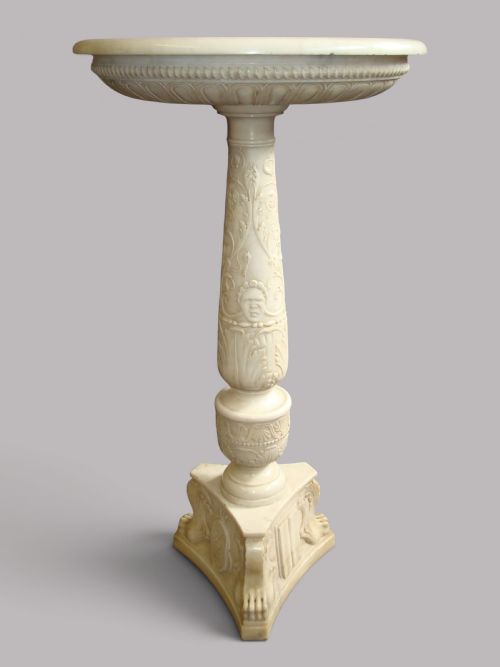
- A shallow bowl set on a pedestal foot, frequently created during the nineteenth century as a grand tour souvenir after the antique. These decorative vessels showcase colourful marbles and alabaster.
- Mortar
- A heavy kitchen or apothecary bowl designed to withstand grinding with a pestle. Eighteenth century examples in white marble or basalt display substantial proportions.
- Alabaster
- A fine grained translucent stone utilised for both decorative tazze and nineteen twenties ceiling lights. Its translucency allows pendant lamps to diffuse a soft interior glow.
- Ormolu
- Gilt bronze mounts applied to nineteenth century decorative bowls and miniature agate tazze. This technique adds metallic contrast to the carved stone body.
Carved Stone Bowl: Frequently Asked Questions
What is a stone mortar used for?
Stone mortars served as kitchen and apothecary vessels for grinding herbs, spices and chemicals. Their heavy stone construction provided the necessary mass for rigorous pestle work.
Today these substantial eighteenth century and nineteenth century bowls function as decorative objects or sculptural centrepieces in domestic spaces.
How do I identify a grand tour tazza?
Grand tour tazze typically date from the nineteenth century and employ decorative minerals like malachite, rosso antico or highly figured alabaster. They often rest upon black marble block bases and copy classical antiquities.
These souvenir pieces reflect the European travels of collectors who sought portable antiquities and classical reproductions for their homes.
Are alabaster lights fragile?
Alabaster is a softer mineral than granite or hard marble, meaning it scratches or chips if handled without care. Hanging lights from the nineteen twenties and thirties require secure ceiling fixings due to the weight of the stone.
Dusting with a dry cloth keeps the translucent surface clear without risking moisture damage to the porous alabaster material.
How can I tell the age of a carved stone bowl?
Dating relies on stylistic clues, tool marks and the specific mineral types favoured during particular periods, such as eighteenth century white marble mortars or art deco alabaster dishes. Neoclassical motifs often point to nineteenth century revival work.
Examination of the underside and interior wear patterns reveals whether a piece served a utilitarian function or was carved purely for display.