


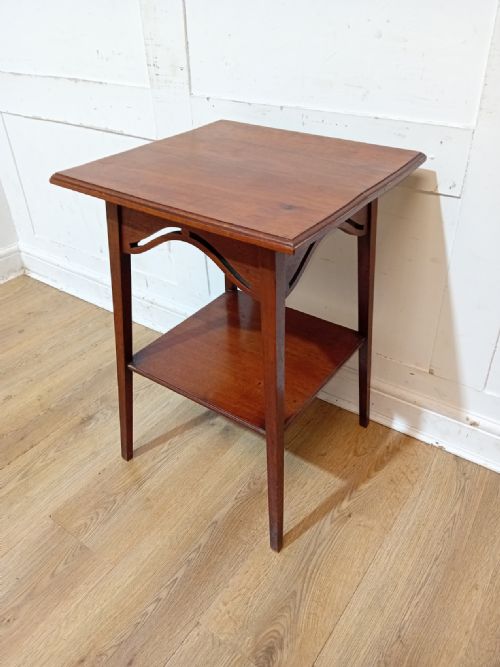


Carved Square Table
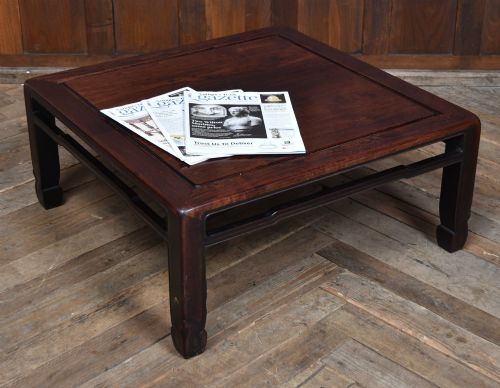
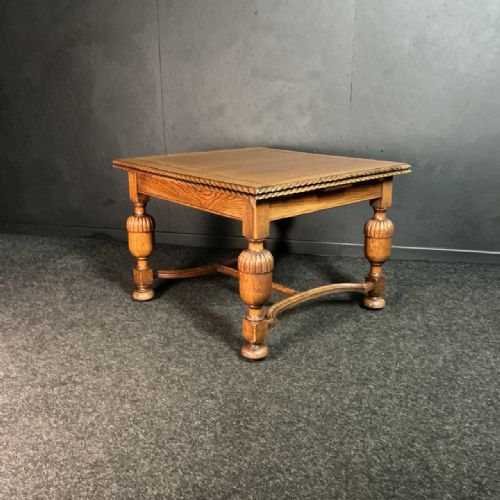
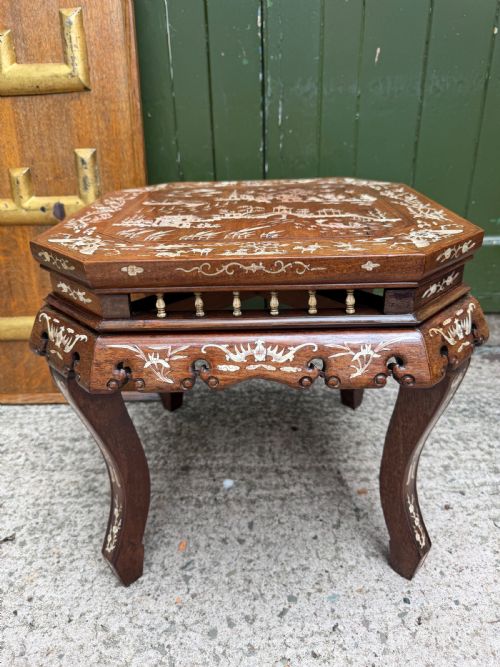
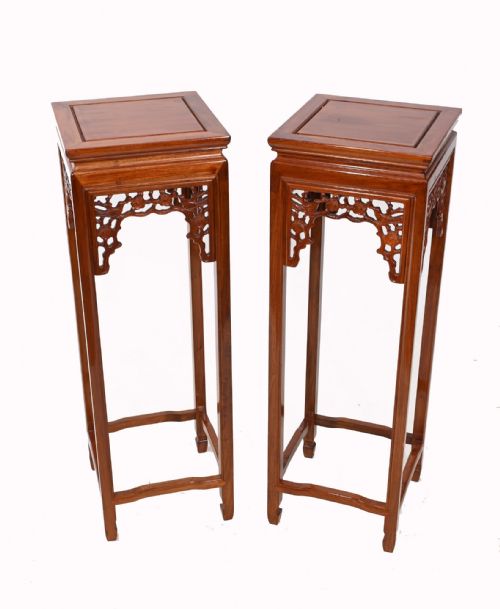
A carved square table brings structural balance to a room, offering geometric clarity paired with intricate hand-carved ornamentation.
Carved Square Table
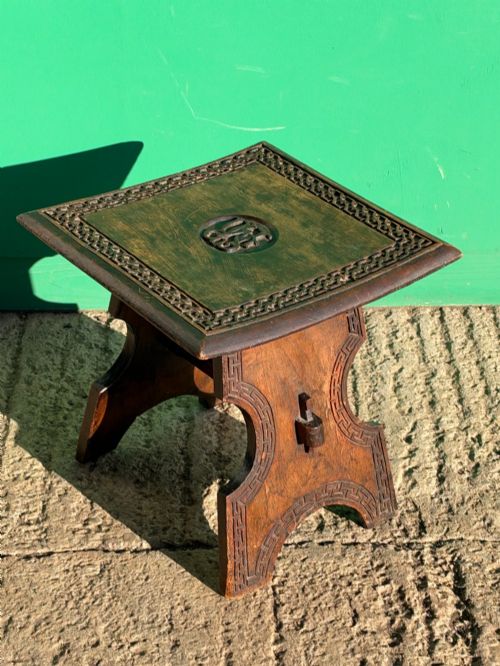
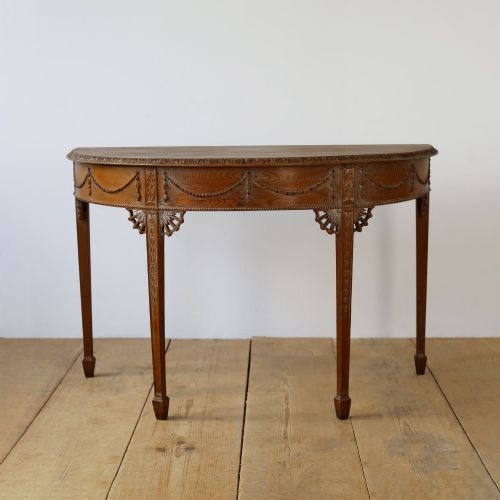
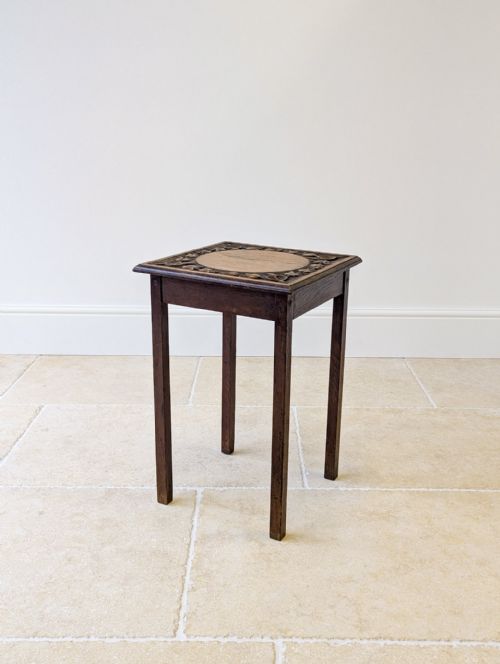
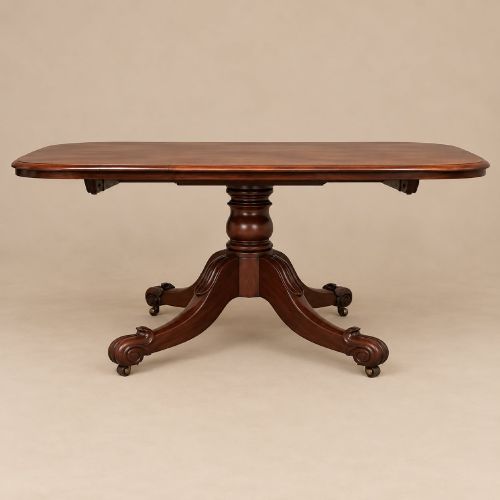
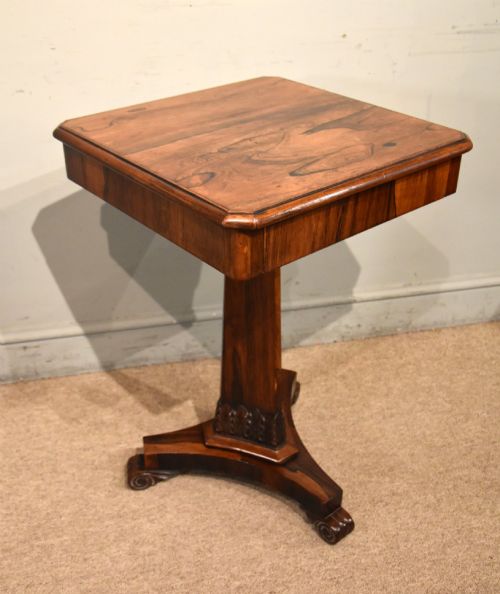
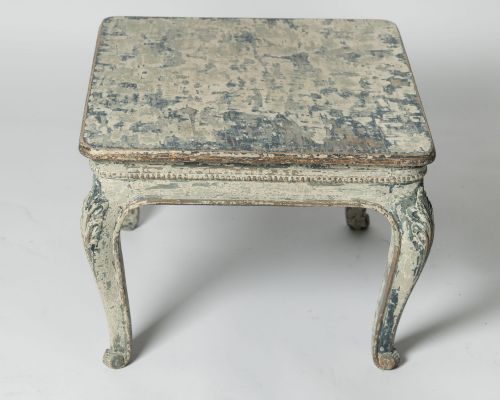
A carved square table appears across several centuries, with nineteenth-century examples forming the majority of the selection on this page. These pieces serve primarily as occasional tables, low tables, coffee tables, and side tables within various domestic settings.
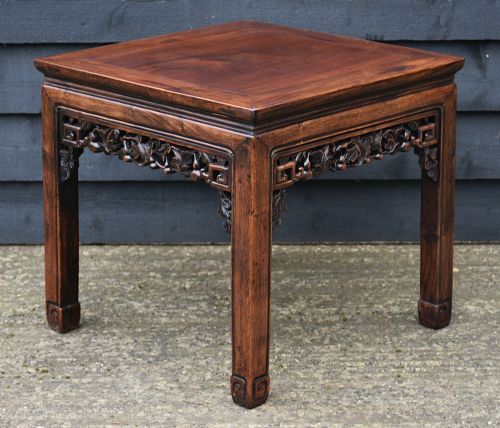
The materials span diverse origins, encompassing European oak, mahogany, and walnut alongside Asian rosewood, padouk, and hardwood. Stylistic influences range from Victorian and Edwardian British designs to Chinese traditional and Anglo-Indian aesthetics.
Buyers encounter versatile proportions, from compact plant stands and low tea tables to larger centre tables capable of seating several people. The square footprint provides a stable centrepiece that anchors both formal drawing rooms and relaxed interiors.
Materials and Technique
Cabinetmakers utilised dense timbers such as mahogany, rosewood, oak, and walnut to ensure structural integrity and a fine surface finish. Hardwoods permitted deep relief carving without compromising the stability of the square top and supporting frame.
Surface decoration frequently involved intricate hand-carving, bone inlay, or brass wire embellishment set flush into the wood. Joinery techniques varied from traditional draw-leaf mechanisms and mortise-and-tenon joints to steady pedestal and tripod configurations.
Carved Square Table Retail Price Guide 2026
Typical asking prices for carved square table among the pieces listed under this phrase on Sellingantiques today, from the lower quarter to the upper quarter. They describe what is for sale here now, not the wider market.
A travelling merchant once used a repurposed bullock cart base as a coffee table.
Judging Quality
The distinction between standard production and superior craftsmanship lies in the crispness and depth of the hand-carved details. Pierced foliage, sharp geometric borders, and secure inlay work indicate a higher level of artisan skill.
Timber selection dictates overall visual weight and durability, with choice grains like burr yew, figured mahogany, and richly patinated rosewood commanding greater visual interest. Structural cohesion, balanced proportions, and minimal timber shrinkage separate refined examples from utilitarian items.
Liberty of London
The Carved Square Table Glossary
- Draw-leaf table
- A dining or side table with pull-out leaves stored beneath the main surface, extending the top length when required.
- Occasional table
- A small, movable table designed for occasional use in a sitting room, hallway, or bedroom.
- Padouk
- A heavy, durable tropical hardwood with a reddish-brown hue, frequently utilised in fine Asian furniture making.
- Joint stool
- A sturdy, low wooden stool constructed with pegged mortise-and-tenon joints, common in early British domestic interiors.
- Pedestal stand
- A raised support structure featuring a central column resting on a stable base, holding a compact square or circular top.
Carved Square Table: Frequently Asked Questions
Where should I place a carved square table?
A carved square table suits smaller sitting rooms as an end table or lamp stand, where its geometric lines fit neatly into corners. Larger versions function well as low coffee tables or central display surfaces in open spaces.
Positioning the table away from direct heat sources protects the timber and delicate inlay work from drying out and cracking over time.
How do I care for antique hardwood tables?
Dust the carved surfaces regularly with a soft, dry cloth to prevent debris accumulating in the recesses of the ornamentation. Apply a quality beeswax periodically to nourish the wood and maintain a natural sheen without building up a heavy residue.
Avoid using silicone-based polishes or placing damp items directly onto the unsealed timber grain.
What is the difference between an occasional table and a centre table?
An occasional table is typically smaller and lighter, designed to be moved easily around a room as needed for holding drinks or books. A centre table stands larger and more substantial, intended to anchor the middle of a formal reception space.
Centre tables often feature finished decoration on all four sides so they appear balanced from every angle in the room.
How do I identify Chinese rosewood from European timbers?
Chinese rosewood exhibits a dense, heavy weight and a dark, rich reddish-brown coloration with distinctive natural grain figuring. The joinery and carving styles often reflect traditional mortise techniques and Asian motifs such as longevity symbols or floral reliefs.
European equivalents typically utilise native hardwoods like oak, walnut, or mahogany shaped by prevailing regional revival styles.