

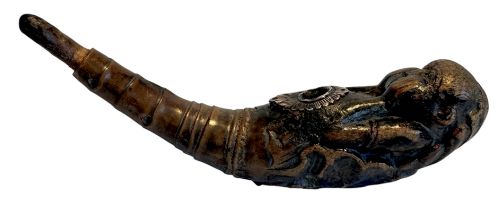
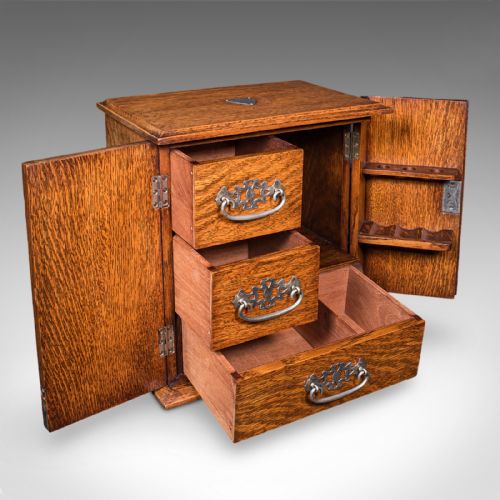


Carved Smoking Pipe
A carved smoking pipe offers a tangible link to historical tobacco and opium customs through intricate handwork in wood, bone, and meerschaum.
Carved Smoking Pipe
A carved smoking pipe encompasses functional tobacco pipes, cheroot holders, and opium pipes originating from various global traditions spanning the eighteenth, nineteenth, and early twentieth centuries.
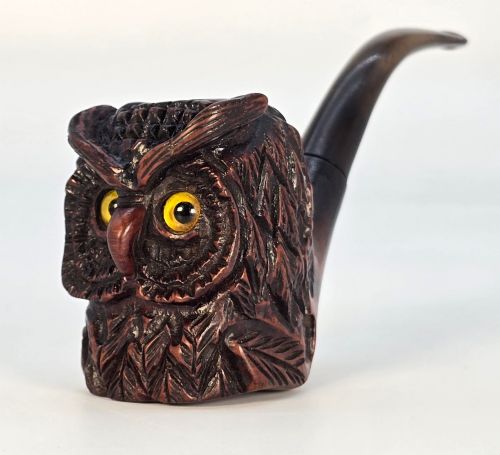
Collectors encounter diverse regional interpretations in this category, ranging from European Black Forest linden wood animal carvings and French briar to Chinese bamboo and carved bone examples.
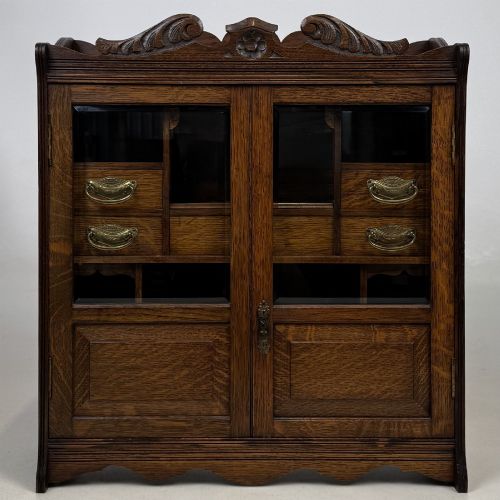
The selection frequently includes related smoking accessories such as tobacco boxes, cabinets, and Japanese silk pouches with pipecases alongside the pipes themselves.
Materials and construction methods
Carvers shaped these objects from organic materials including fruitwood, linden wood, bamboo, briar, meerschaum, horn, bone, and quill.
Metals such as brass and white metal frequently provide mounts, stems, or decorative banding to reinforce the wooden and meerschaum bowls.
Artisans employed detailed hand carving, piercing, and polishing techniques to create figural motifs, animal forms, and narrative scenes directly into the raw material.
Carved Smoking Pipe Retail Price Guide 2026
Typical asking prices for carved smoking pipe among the pieces listed under this phrase on Sellingantiques today, from the lower quarter to the upper quarter. They describe what is for sale here now, not the wider market.
Listings feature organic materials including meerschaum, horn, amber, bone, and various woods spanning the eighteenth to twentieth centuries.
Factors determining quality
The refinement of the hand carving dictates visual merit, where deep relief work and expressive anatomical details in figural pieces distinguish superior examples.
Material selection plays a crucial role, with choice meerschaum, dense fruitwood, and finely grained briar elevating the status of an individual pipe.
Condition and completeness matter greatly, particularly when original fitted cases, amber mouthpieces, or matching accessories like ojime beads and pouches remain intact.
Butz Choquin
The Carved Smoking Pipe Glossary
- Meerschaum
- A soft, white mineral, hydrous magnesium silicate, prized for its porous nature that absorbs nicotine and colours richly with use. It allows for exceptionally crisp hand-carved relief details.
- Treen
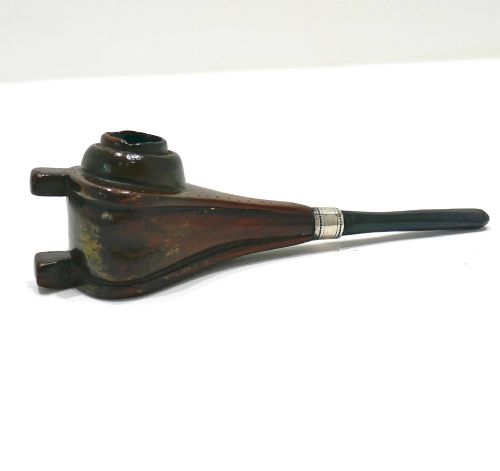
- Small handmade wooden household objects and utilitarian wares. Victorian novelty treen often takes whimsical shapes such as bellows or animals.
- Cheroot Holder
- A short tube or mouthpiece designed to hold a cheroot while smoking. They frequently feature carved figural motifs and come in fitted leather cases.
- Humidor
- A specialised box or cabinet designed to store tobacco at a controlled humidity. Nineteenth-century examples often feature elaborate wood carvings.
Carved Smoking Pipe: Frequently Asked Questions
What distinguishes French briar pipes?
French briar utilises the dense root burl of the tree, offering superior heat resistance and durability compared to softer woods. Makers shaped these roots into sturdy bowls designed for regular use.
Markings or stamps on the wood often help identify the workshop origin, such as nineteenth-century French production centres.
Are opium pipes different from tobacco pipes?
Opium pipes feature distinct construction designed for vaporising rather than burning tobacco, typically incorporating specialised bowls attached to long stems. They often reflect specific cultural origins like Qing Dynasty China.
Decoration on these pieces frequently includes auspicious animals and symbolic figures carved directly into bone or bamboo.
What is Black Forest woodcarving?
Black Forest carving refers to nineteenth-century wooden decorative objects and animal sculptures originating primarily from the Swiss and German regions. These pieces are celebrated for lifelike representations of bears and forest fauna.
Master carvers utilised linden wood to achieve realistic textures, fur details, and glass eyes in humidores and smoking accessories.