

Carved Silver Handle
A carved silver handle turns everyday instruments, fruit knives and walking canes into tactile objects of utility and display.
Carved Silver Handle
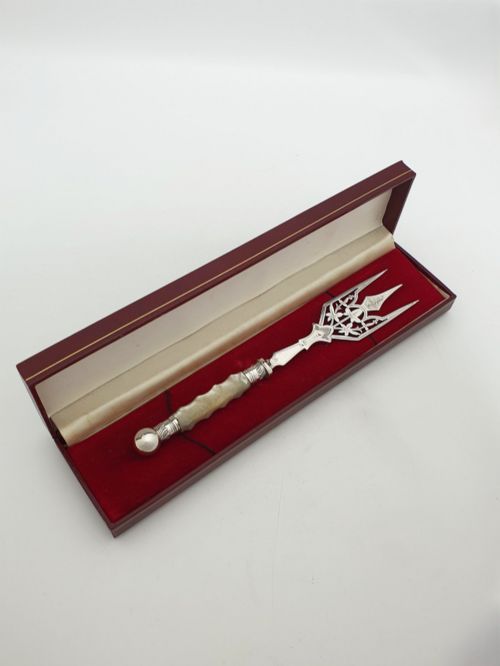
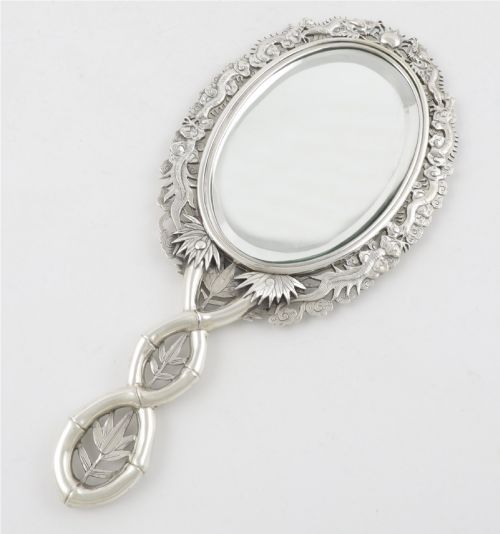
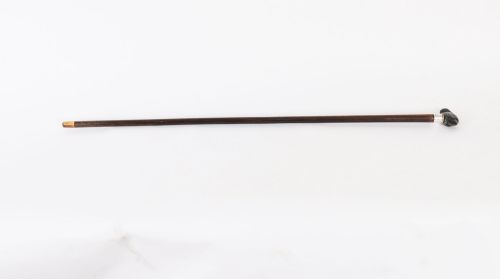
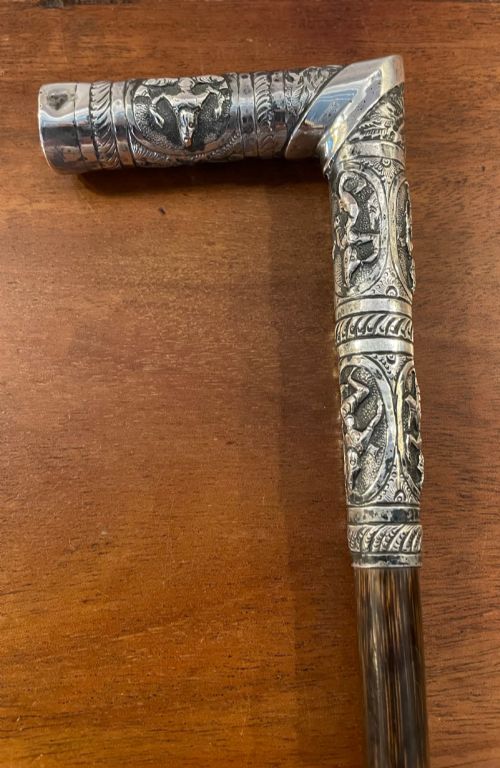
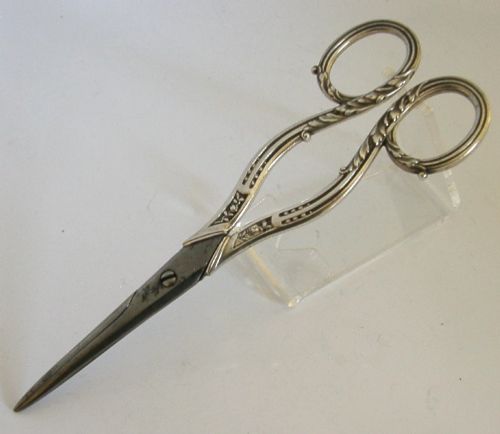
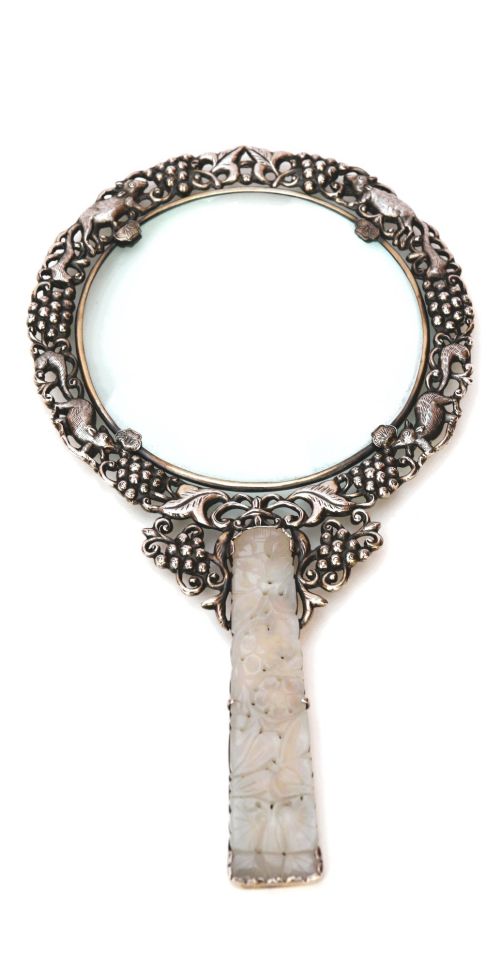
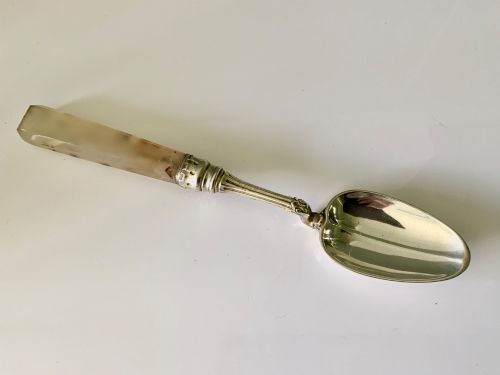
When searching for a carved silver handle, buyers encounter a diverse selection of utility items and accessories originating primarily from the nineteenth and early twentieth centuries. Walking canes, fruit knives, magnifying glasses and serving pieces dominate the inventory.
Victorian and Edwardian examples sit alongside Georgian pieces and Asian export items, reflecting broad international craftsmanship from periods spanning the 1800s to the 1930s. The forms range from simple handheld fruit cutlery to elaborate novelty walking sticks featuring animal heads and hidden gadgets.
How they were made
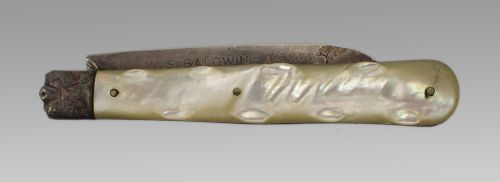
Makers combined sterling silver or silver plate with organic materials such as mother of pearl, horn, jade, hardwood and antler. Handles were shaped by hand, employing techniques like chasing, embossing and detailed carving to render animal motifs and foliage.
Blades, shafts and functional components in steel, bamboo or cherry wood were then joined securely to the metal grips, relying on traditional fitting methods appropriate for walking sticks, cutlery and magnifying glasses.
Carved Silver Handle Retail Price Guide 2026
Typical asking prices for carved silver handle among the pieces listed under this phrase on Sellingantiques today, from the lower quarter to the upper quarter. They describe what is for sale here now, not the wider market.
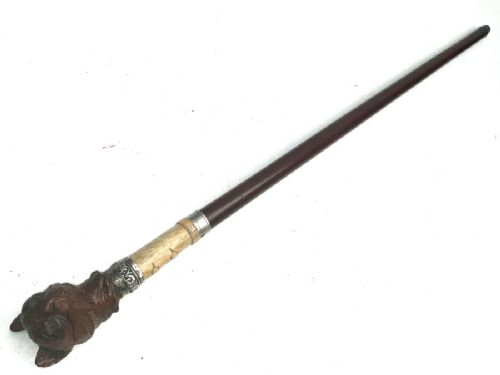
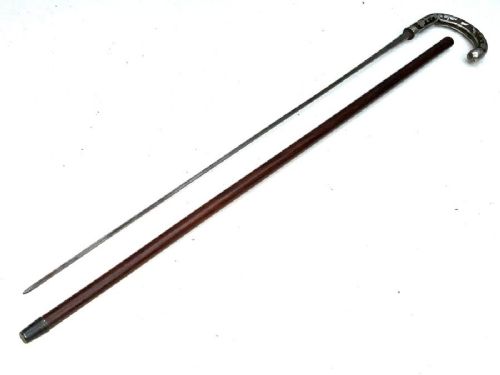
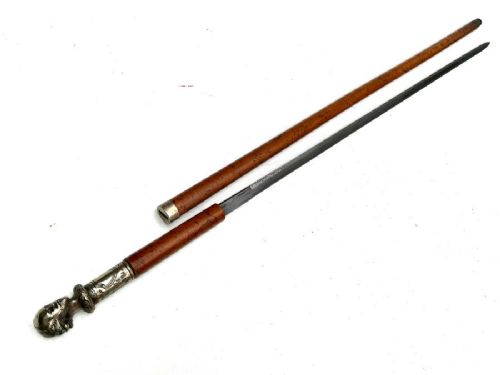
Several walking sticks double as secret toolboxes, housing everything from corkscrews and snuff boxes to hidden blades.
What varies in quality
Material selection also dictates overall distinction, with solid sterling silver, high-grade mother of pearl and dense hardwoods showing superior preservation and weight compared to plated alternatives or lesser secondary timbers.
Roberts Cadman·Brigg
The Carved Silver Handle Glossary
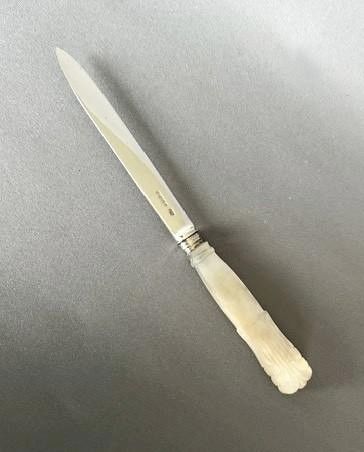
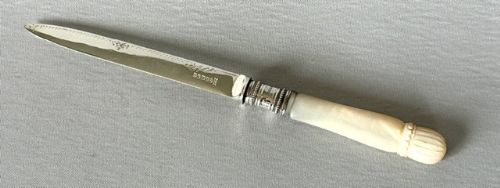
- Fruit knife
- A small pocket or desk knife fitted with a silver or silver-plated blade and decorative handle, designed specifically for slicing fruit without acid corrosion.
- Walking stick
- A traditional mobility aid or gentleman's accessory often finished with an ornate metal handle, sometimes housing a hidden sword, flask or gadget.
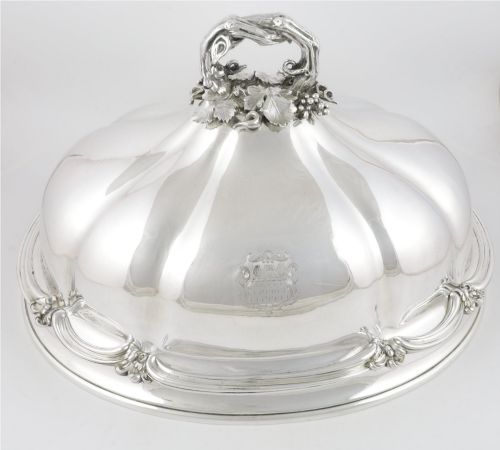
- Old Sheffield plate
- An early fused plating technique where a thin sheet of silver is fused to a copper base, visible in older serving items and domes.
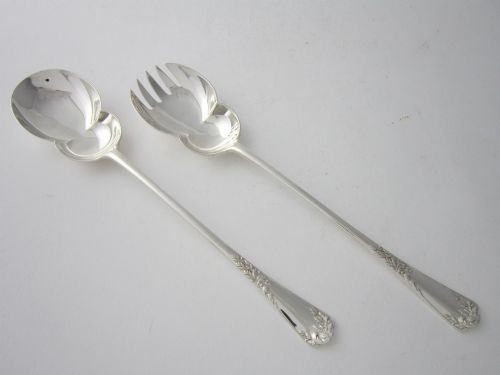
- Bifurcate spoon
- A specialised serving spoon featuring a divided or tined bowl, frequently encountered in nineteenth-century fish and fruit sets.
- Sterling silver
- An alloy containing a high proportion of pure silver by mass, utilised across nineteenth and twentieth-century domestic implements and handles.
Carved Silver Handle: Frequently Asked Questions
What were carved silver handled canes used for?
These walking sticks functioned primarily as gentleman's accessories, signifying social standing while occasionally concealing functional items like swords, flasks or snuff boxes inside the shaft.
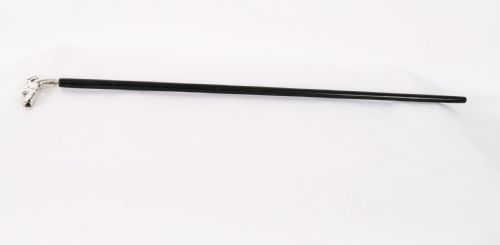
Many examples feature distinct carved animal heads or novelty motifs that served as personal statements during daily promenades.
How should I clean silver handles safely?
Gentle dusting with a soft microfiber cloth preserves the detailed chased or embossed relief without wearing down the metallic surface.
Avoid harsh chemical dips, especially where silver meets organic elements like mother of pearl, horn or wood.
How can I tell a Victorian piece apart?
Victorian items often display characteristic hallmarks, heavier proportions, and dense floral or animal ornamentation associated with nineteenth-century manufacturing.
Comparing the style of the carving against documented periods helps establish whether an object originates from the early or late nineteenth century.
Were fruit knives with silver handles meant for daily dining?
These small folding knives were carried by individuals for personal use at dining tables to peel and slice fruit.
The silver blade prevented the staining and unpleasant metallic tastes that standard steel cutlery produced when touching acidic juices.