




Carved Silver Box
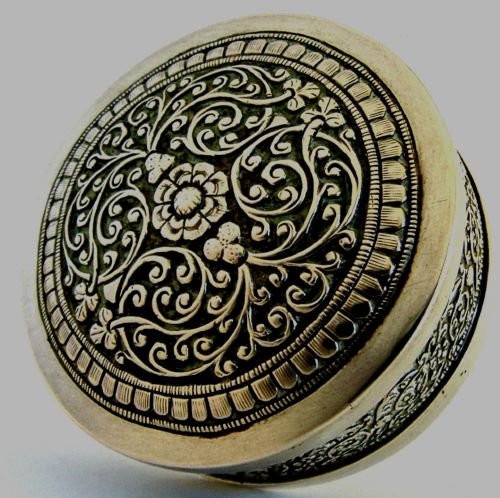
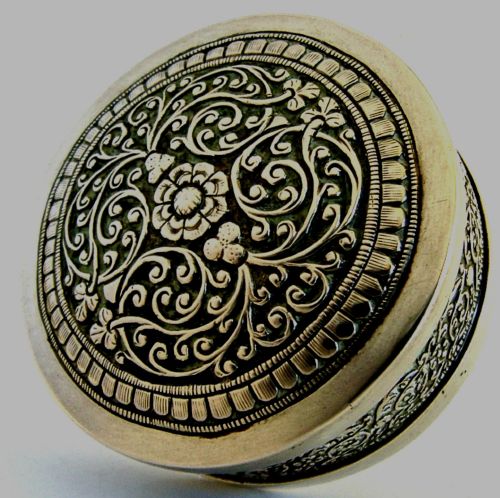
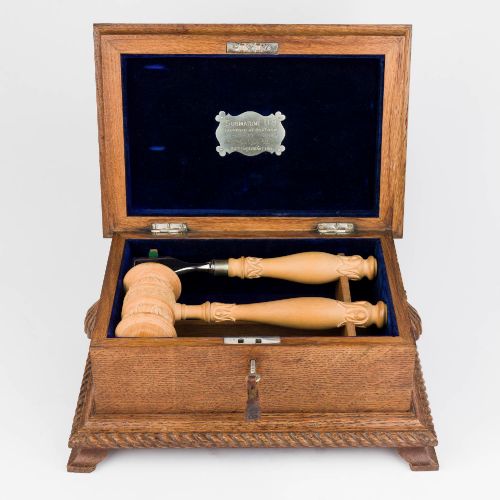
A carved silver box brings tactile depth to precious metal, combining chased, embossed or engraved work with natural materials like mother-of-pearl, ivory, wood and shell.
Carved Silver Box
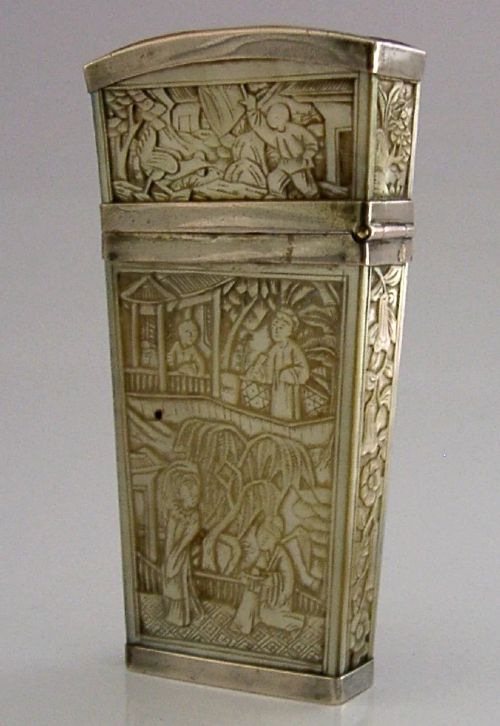
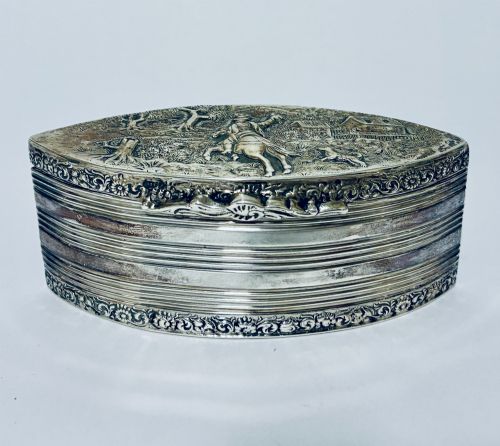
A carved silver box spans various functional forms, including small pocket snuff boxes, trinket receptacles, card cases and larger table caskets. These items appear across the nineteenth and early twentieth centuries, reflecting diverse global workshops from British Victorian makers to Chinese Export and Anglo-Indian silversmiths.
The phrase carved silver box encompasses pieces where metal mounts frame carved organic elements or where the silver itself receives deep chasings and repoussé relief. Surfaces often incorporate tortoiseshell, mother-of-pearl, cowrie shells or carved oak alongside sterling silver or silver plate.
How they were made
Silversmiths combined structural frames of sterling silver or silver plate with carved organic inlays, utilising dense hardwoods, bone, ivory and iridescent mother-of-pearl. Panels were secured within bezels or pinned directly to wooden cores.
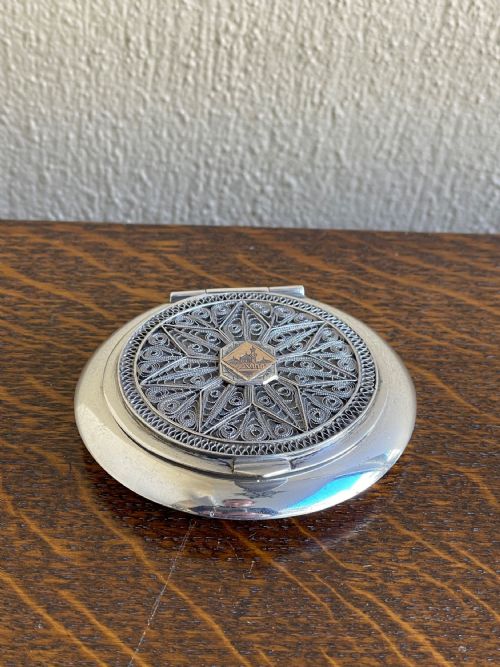
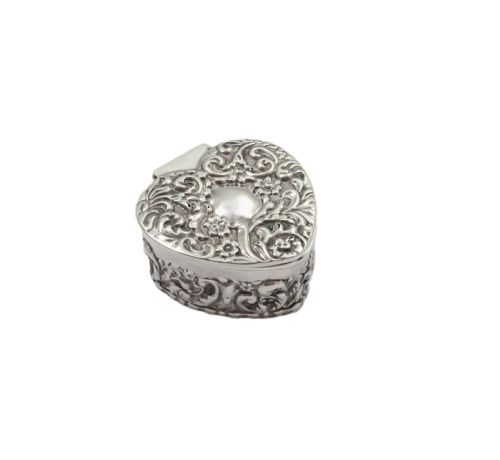
Decoration relied on hand-chasing, repoussé embossing and delicate filigree wirework, creating high-relief floral motifs, dragons or geometric patterns. Cast elements provided heavy hinges, thumbpieces and bracket feet for daily wear.
Some boxes double as covert launching caskets for naval submarines or secretive houses for betel nuts and spices.
What varies in quality
Quality rests in the crispness of the hand-carved detail on organic inserts and the depth of the metal relief work. Superior examples exhibit sharp undercutting in shell or wood and tight, well-aligned joints on lids and bezels.
The weight of the silver and the integration of internal linings, such as original velvet or silk, separate standard production items from workshop masterworks. Finer items retain tight hinge tension and clear hallmarks or maker stamps.
Wang Hing & Co·Walker and Hall
The Carved Silver Box Glossary
- Repoussé
- Metalworking technique where the design is hammered into relief from the reverse side. This method gives three-dimensional depth to floral and figural motifs on box lids.
- Chasing
- Working metal from the front by sinking the surface with punches to refine details. It is frequently used alongside repoussé work to sharpen outlines.
- Filigree
- Delicate ornamental work of fine silver wire twisted into openwork patterns. Persian and Asian boxes often employ this technique for lids and panels.
- Etui
- A small ornamental case holding needles, tweezers or cosmetics. These pocket containers frequently pair silver mounts with carved panels.
- Vesta case
- A small pocket box designed to hold matches, typically fitted with a striking strip. Victorian examples often feature engraved or embossed silver surfaces.
Carved Silver Box: Frequently Asked Questions
What were carved silver boxes used for?
These containers served practical and social roles for storing small valuables, loose tobacco, snuff, visiting cards or sewing implements. Their portable size made them personal accessories for pocket or dressing table use.
Larger caskets remained stationary in Victorian parlours or studies, functioning as decorative display pieces that housed jewellery or keepsakes.
How do I care for antique silver and shell?
Keep these pieces away from direct sunlight and extreme humidity to protect organic elements like mother-of-pearl, tortoiseshell and wood from warping or shrinking. Gentle dusting with a soft, dry cloth preserves the surface without abrasive polishes.
Avoid liquid dips on silver mounts that border organic inlays, as chemical solutions can permanently ruin shell, bone and wood.
How can I tell the period?
Examine the hallmarks on the silver components, which provide specific date letters and assay office marks for British pieces. Stylistic clues, such as Rococo Revival curves or Edwardian symmetry, help narrow down unhallmarked items.
The choice of organic materials, like cowrie shells in Georgian pieces or bamboo motifs in later periods, also indicates the era of manufacture.
Are these boxes solid silver or plated?
Listings include both solid sterling silver and silver-plated metal over base metals or wooden cores. Hallmarks usually confirm sterling standard, while unmarked items or those paired with carved oak often utilise silver plate.
Heavier items may feature cast silver mounts or thick plate that has withstood decades of handling.