






Carved Settle Box
A carved settle box combines a high-backed seat with integrated storage, offering substantial timber presence and practical utility for an entryway.
Carved Settle Box
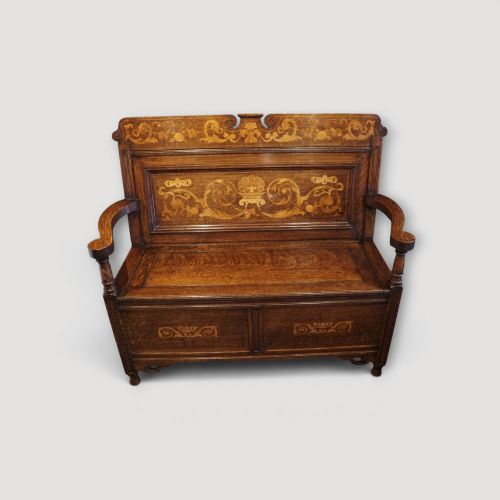
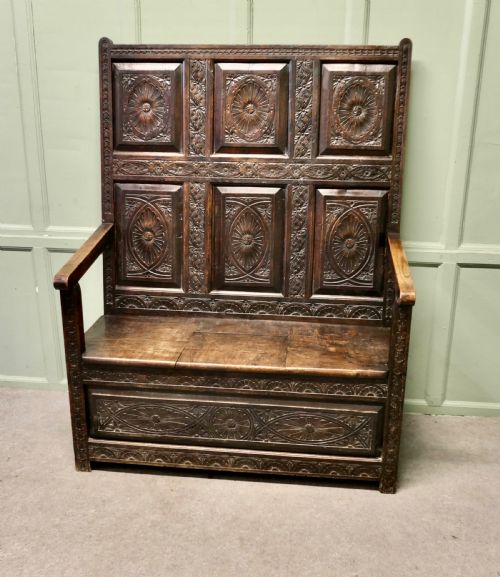
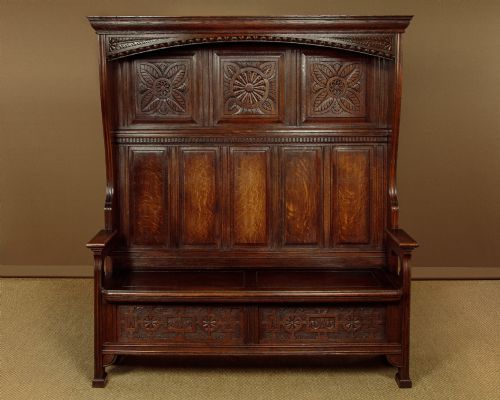
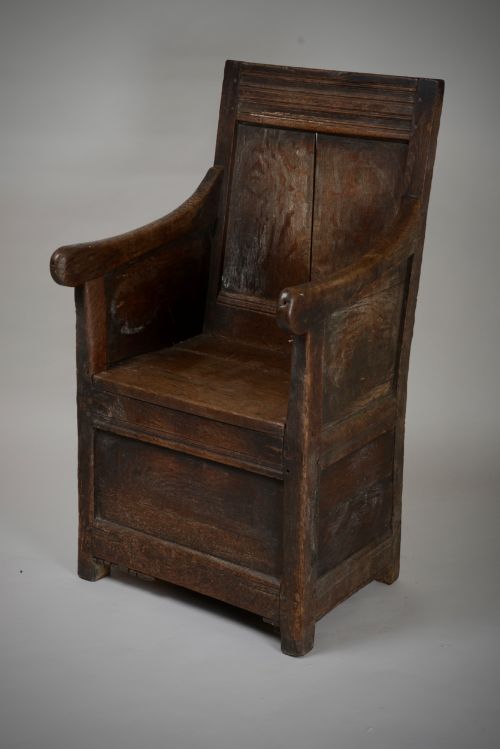
A carved settle box serves as a functional seating unit featuring a hinged lid or enclosed compartment beneath the seat, frequently placed in hallways or principal rooms. Buyers seeking a carved settle box will encounter various traditional iterations, predominantly executed in oak across multiple centuries, alongside regional alternatives in walnut and mahogany.
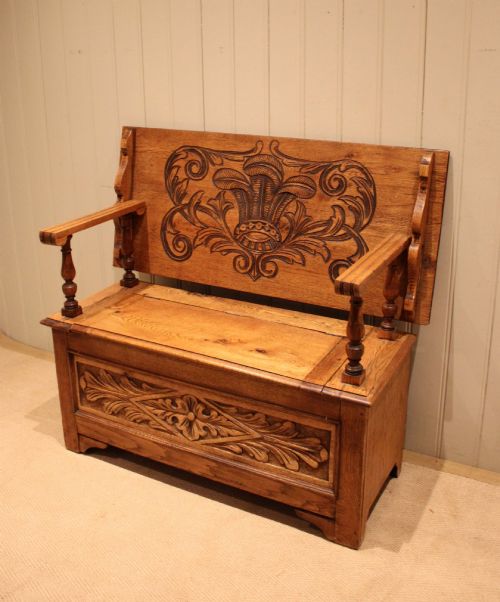
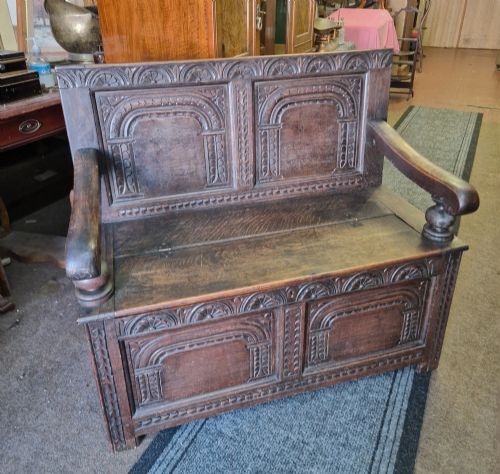
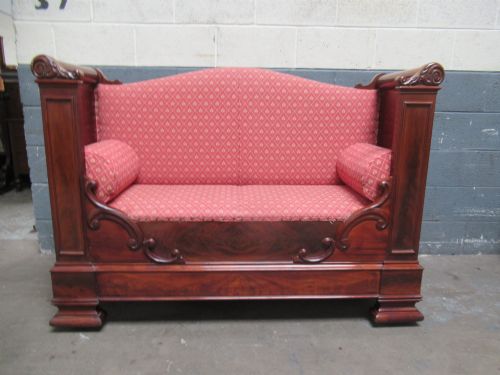
The selection ranges from robust seventeenth-century north country examples and eighteenth-century high-back forms to later revival pieces from the Victorian and Edwardian eras. These forms often incorporate lift-up lids, fold-over tops, or canopy configurations that reflect their domestic evolution.
Regional and international variations also appear, including Colonial Indian hardwood storage benches and Italian walnut cassapanca benches. The core function remains consistent: providing sturdy seating while concealing storage within the base.
Materials and construction methods
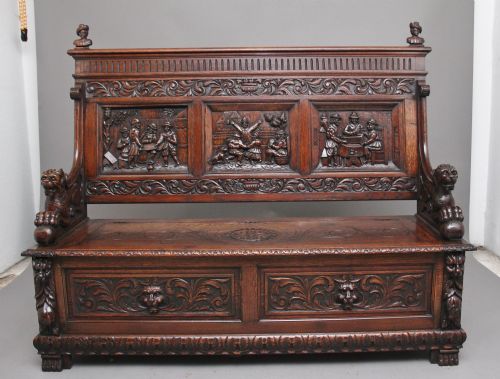
Solid oak serves as the primary timber, complemented by mahogany, walnut, and assorted hardwoods shaped through traditional joinery and panel construction. Carving and marquetry inlay provide surface ornamentation, utilising hand tools to apply decorative motifs such as Green Man masks or geometric patterns.
Hardware such as iron hinges facilitates the operation of lift-up seats and fold-over tops on storage compartments. Waxed or stripped finishes highlight the natural grain and colour of the wood across different periods of manufacture.
Carved Settle Box Retail Price Guide 2026
Typical asking prices for carved settle box among the pieces listed under this phrase on Sellingantiques today, from the lower quarter to the upper quarter. They describe what is for sale here now, not the wider market.
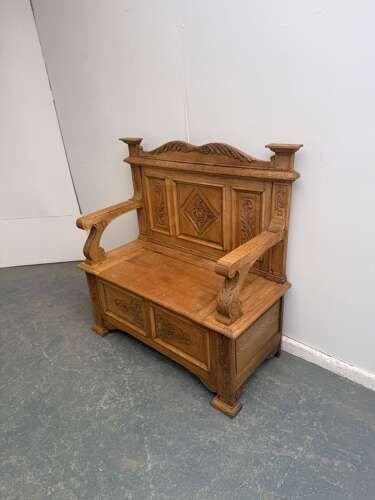
Some golden oak hall seats hide watchful Green Man carvings peering out from the woodwork to guard your coats.
Distinctions in craftsmanship and condition
Depth of carving and clarity of design separate standard production from superior examples, particularly visible in bespoke panels and figurative elements. The choice of timber grain, such as golden solid oak or figured mahogany, defines the visual weight of the piece.
Structural integrity of the integrated box base and the smooth operation of hinged elements indicate the standard of original joinery. The purity of the period style, from Jacobean revival to Art Nouveau, influences the overall character.
The Carved Settle Box Glossary
- Settle box
- A wooden bench featuring an enclosed storage compartment beneath the seat and a high back. This design protected occupants from draughts in older interiors.
- Lambing chair
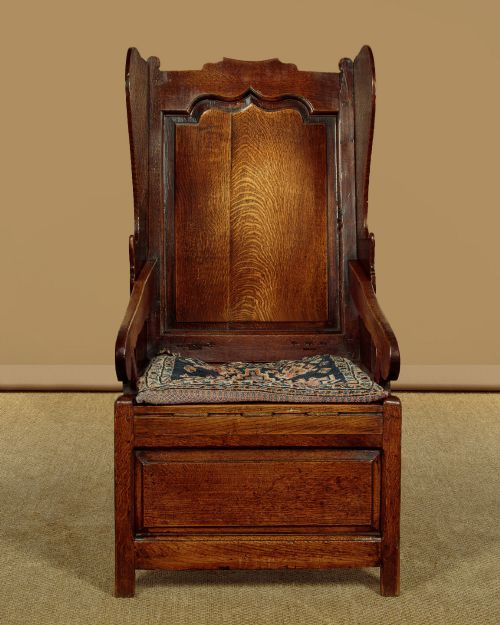
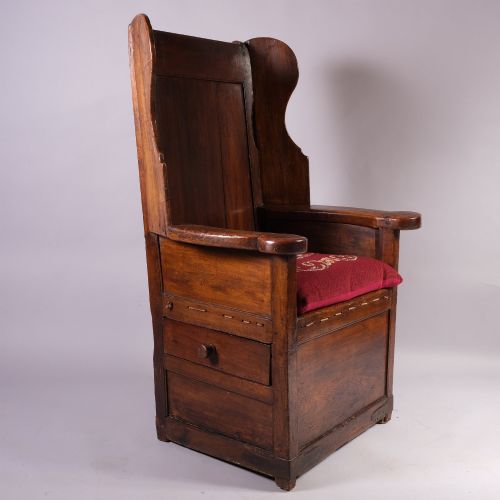
- An enclosed wooden armchair with wings designed to shield the sitter from cold air. These chairs frequently incorporate box bases for storage.
- Monks bench
- A convertible piece of furniture featuring a fold-over top that transforms the backrest into a table surface. It combines seating, storage, and table functions.
- Marquetry inlay
- The art of applying pieces of veneer to a structure to form decorative patterns. This technique enhances flat wooden surfaces on panels and friezes.
Carved Settle Box: Frequently Asked Questions
Where were carved settle boxes placed?
These pieces traditionally stood in entrance halls or principal living spaces where draught protection and storage were necessary. The enclosed base held household goods while the high back sheltered the occupants.
In modern settings, they function similarly as hallway seating or statement furniture pieces that provide concealed storage for everyday items.
How do I identify a seventeenth-century settle?
Early seventeenth-century examples typically feature heavy oak construction, pegged joinery, and simpler panel layouts without later revival motifs. Examining the interior timber and the wear patterns on the seat helps determine age.
Revival pieces from the Victorian or Edwardian periods often replicate these earlier styles but display machine-cut elements or lighter timber tones.
What is the difference between a settle and a hall bench?
A traditional settle incorporates a high solid back and enclosed box storage beneath the seat. Hall benches from later periods often feature open backs, panelled frames, or simpler coat hooks.
Both served similar entryways, but the settle prioritised draught exclusion and secure storage over open display.
How should I care for a waxed oak settle?
Maintain the timber by applying a traditional bees wax periodically to nourish the grain and preserve the finish. Avoid placing the wooden furniture near direct heat sources or strong sunlight to prevent splitting.
Dust regularly with a soft, dry cloth to protect the carved details and surface patination.