



Carved Serpentine Sculpture
A carved serpentine sculpture brings rich, dark greens and polished mineral weight directly into a room, drawing the eye with centuries of classical form.
Carved Serpentine Sculpture
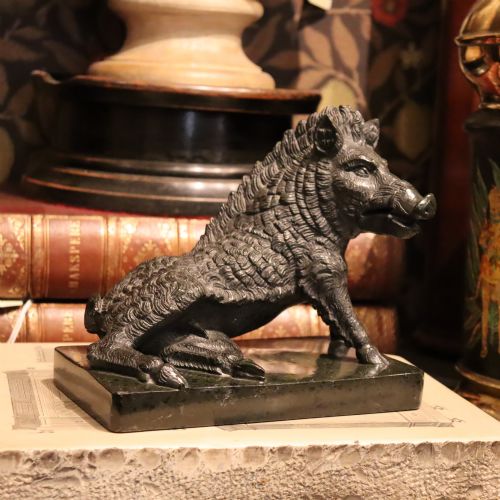
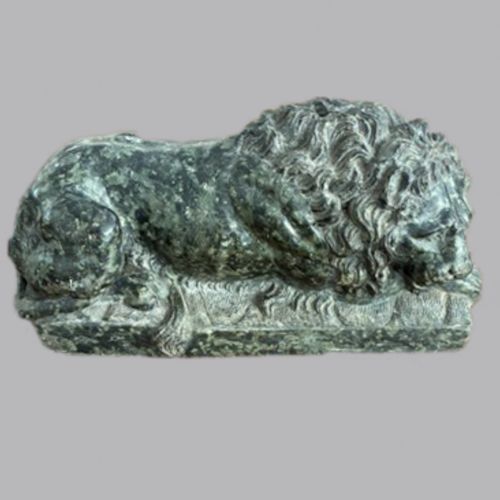
When you search for carved serpentine sculpture, you encounter dense mineral carvings ranging from grand tour classical animals to monumental East Asian figures. The most frequent pieces on this page are Italian Grand Tour models, including lions, boars, and hounds after antique originals, alongside columns and pedestals in variegated green stone.
The objects span the eighteenth, nineteenth, and early twentieth centuries, drawing on Neoclassical, Victorian, and Qing Dynasty traditions. Many take the form of small statues or architectural supports, utilising stone that mimics or contains genuine serpentine and green marble.
Origin points stretch from Italy and France to China, reflecting both European souvenir culture and Eastern hardstone carving traditions. These pieces function equally as tabletop ornaments and as robust pedestals designed to elevate other works of art.
Materials and construction
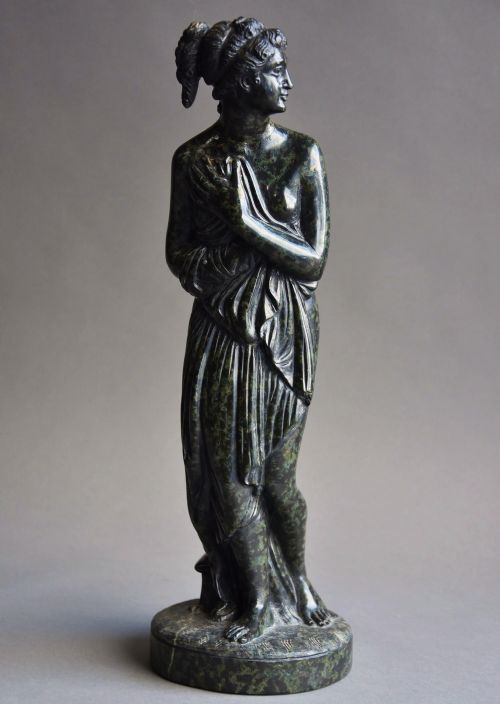
These works rely on serpentine, bowenite, and green marble, worked by hand to expose the mottled grain and varied strata of the stone. Craftsmen turned, shaped, and polished the material to achieve the deep lustre seen on figures like the Venus Italica and the Dogs of Alcibiades.
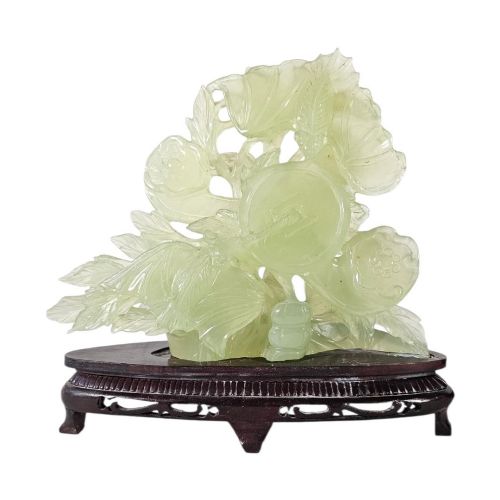
Italian workshops during the nineteenth century utilised local stone to recreate classical antiquities for the Grand Tour market, employing sawing, chiselling, and fine abrasive polishing. Chinese artisans shaped bowenite serpentine into complex figurative groups such as camels and riders, taking advantage of the stone's translucency and toughness.
Carved Serpentine Sculpture Retail Price Guide 2026
Typical asking prices for carved serpentine sculpture among the pieces listed under this phrase on Sellingantiques today, from the lower quarter to the upper quarter. They describe what is for sale here now, not the wider market.
Listings span the eighteenth to the early twentieth century, incorporating materials like bowenite, serpentine, and green marble.
Variations in quality
Quality rests upon the fidelity of the carving to its classical or natural model and the depth of the stone's polish. Superior examples display crisp anatomical detail in figures like lions and hounds, avoiding the softness that comes from hasty finishing.
The choice and figuring of the serpentine or green marble dictate visual impact, with richly variegated strata commanding greater attention than flat or muddy stone. Furthermore, the precision of the turning on pedestals and columns separates standard utility work from master-level execution.
The Carved Serpentine Sculpture Glossary
- Serpentine
- A group of green hydrous magnesium silicate minerals often used as a decorative stone. It takes a high polish and resembles jade in certain forms.
- Bowenite
- A hard, compact variety of serpentine prized for carving intricate figurative groups. It possesses a pale to deep green tone with subtle translucency.
- Grand Tour
- A cultural journey of Europe undertaken by wealthy young men in the eighteenth and nineteenth centuries. Travellers acquired local stone sculptures as souvenirs of classical sights.
- Neoclassical
- A style originating in the mid-eighteenth century inspired by the art and architecture of ancient Greece and Rome. It prioritises symmetry, restraint, and classical motifs.
- Variegated
- Marked by patches or streaks of different colours. In these stones, it refers to the natural veining of white and darker green running through the mineral.
Carved Serpentine Sculpture: Frequently Asked Questions
What is serpentine stone?
Serpentine is a hydrous magnesium silicate mineral that varies in colour from pale yellow to deep green, often featuring mottled or veined patterns.
It is heavy and dense, making it durable for both small figures and large architectural pedestals.
How were Grand Tour sculptures used?
Grand Tour sculptures served as educational and decorative souvenirs brought home by travellers visiting classical sites in Italy.
They were displayed in libraries and studies to demonstrate the owner's classical learning and refined taste.
Are these pieces solid marble?
Many listings refer to serpentine marble or green marble alongside pure serpentine and bowenite.
These are natural decorative stones selected for their rich colour and ability to take a smooth, glossy polish.
How do I care for a stone sculpture?
Dust the surface regularly with a soft, dry cloth to prevent accumulation in the carved crevices.
Avoid using harsh chemical cleaners or water, which can dull the polish of the serpentine and marble.
What subjects appear most often?
Classical animals such as lions, hounds, boars, and dogs of Alcibiades appear frequently alongside mythological figures like Venus.
Architectural forms such as columns and pedestals also feature prominently among the carvings.