



Carved Rococo Wine Table
These carved rococo wine table pieces are elegant occasional surfaces shaped by centuries of revival design, prized for bringing decorative flair and compact function to a room.
Carved Rococo Wine Table
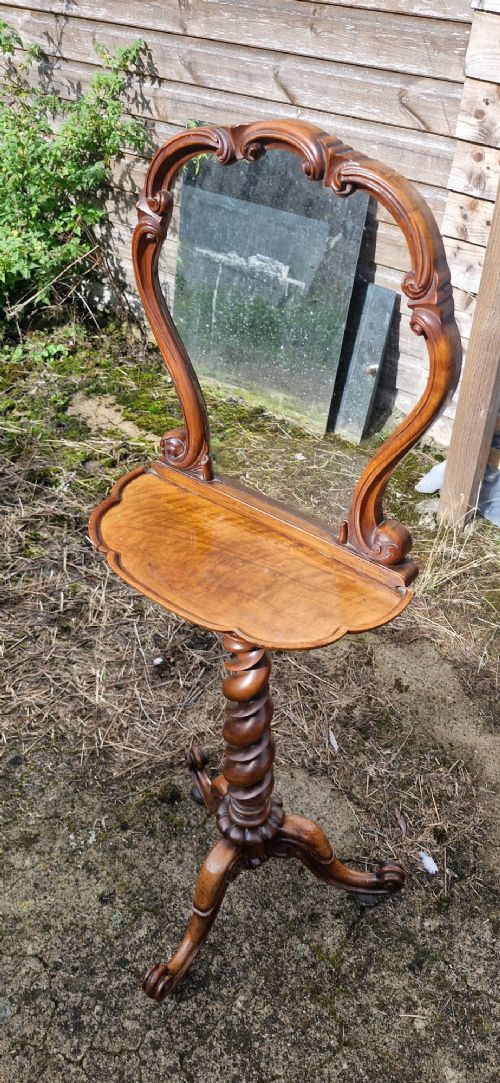
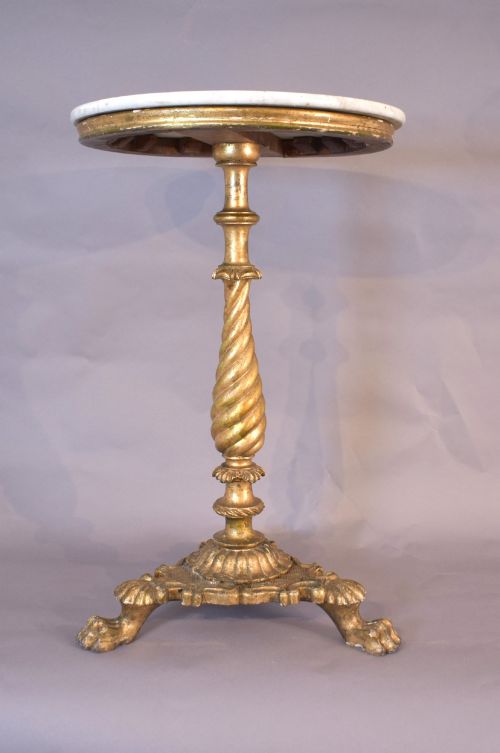
A carved rococo wine table represents a distinct lineage of small occasional furniture, drawing heavily on French Rococo Revival, Louis XV Revival, and Italian aesthetic traditions. When you search for a carved rococo wine table, you encounter compact circular or tripod forms that originated as functional serving stands or decorative centrepieces.
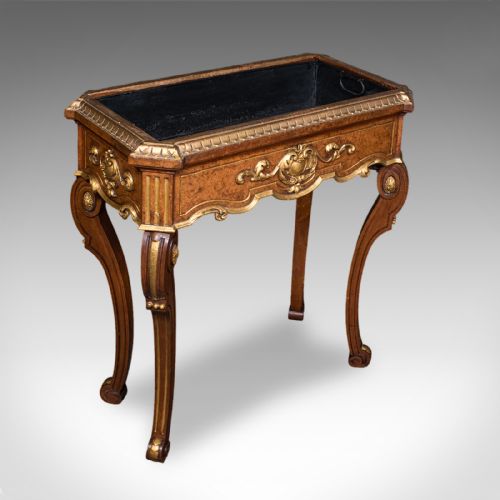
The pieces appearing on this page span the eighteenth and nineteenth centuries, alongside later revival interpretations up to the early twentieth century. You will frequently find walnut and mahogany timbers dominating the selection, often accompanied by elaborate tripod bases, tilt-top mechanisms, and occasional marble or leather surfaces.
Materials and Construction
Cabinetmakers relied on dense hardwoods such as mahogany and burr walnut, utilising their natural grain patterns to create rich tactile surfaces for tripod and occasional tables. Artisans also incorporated giltwood and ormolu mounts to enhance the ornate, flowing curves characteristic of the rococo style.
Joinery techniques focused on stability for pedestal and snap-top designs, balancing central columns with three-legged supports. Specialised flourishes such as inset marble slabs and leather tops added both weight and refined utility to the finished stands.
Carved Rococo Wine Table Retail Price Guide 2026
Typical asking prices for carved rococo wine table among the pieces listed under this phrase on Sellingantiques today, from the lower quarter to the upper quarter. They describe what is for sale here now, not the wider market.
Some tables feature secret snap-top mechanisms designed to hide the surface flat against a wall when the wine was finished.
Judging Quality and Finish
Quality rests primarily in the crispness of the carved ornamentation and the selection of timber veneers, where burr walnut or figured mahogany denotes a finer ambition. The fluency of the scrollwork and the integration of ormolu mounts distinguish standard production from exceptional examples.
Structural integrity within the tilt-top or tripod mechanism dictates longevity, ensuring the centre column maintains balance without wobble. Finer tables exhibit a harmonious proportion between the supporting legs and the upper surface, reflecting careful hand-craftsmanship.
The Carved Rococo Wine Table Glossary
- Rococo Revival
- A nineteenth-century design movement that resurrected the asymmetrical scrolls, shell motifs, and natural curves of the eighteenth-century French court. This style defines the ornamental carved details found on these tables.
- Tripod Table
- A small freestanding table supported by three legs radiating from a central pillar. This construction allows the surface to stand steadily on uneven floors.
- Ormolu
- Gilded bronze mounts applied to furniture to accent corners and legs. High-quality pieces feature finely chased details on these metallic additions.
- Snap-Top
- A table mechanism featuring a catch that allows the circular wooden top to tilt flat vertically when not in use. It is also known as a tilt-top table.
- Burr Walnut
- A distinctive wood veneer obtained from walnut tree growths, producing swirling and mottled grain patterns. It was favoured for high-status occasional tables.
Carved Rococo Wine Table: Frequently Asked Questions
What is a carved rococo wine table used for?
These pieces function primarily as decorative occasional tables, originally designed to hold beverages, books, or small display items beside seating. Their compact footprints make them versatile for placing in corners or beside armchairs in a sitting room.
Over time, their decorative surfaces and sculptural tripod bases have allowed them to serve as focal points for displaying lamps or decorative objects. They bring both historical character and practical tabletop space to modern interiors.
How do I distinguish eighteenth-century pieces from nineteenth-century revivals?
Distinguishing the periods relies on examining timber patination, construction marks, and the specific crispness of the carved motifs. Eighteenth-century examples display authentic age-related wear and hand-shaped joinery beneath the structure.
Nineteenth-century revival pieces often exhibit heavier proportions or machine-assisted joinery alongside deliberate attempts to mimic earlier styles. Comparing the secondary woods and the style of the carving helps clarify the exact date of manufacture.
Are these tables sturdy enough for daily use?
Tripod and pedestal tables offer stable surfaces for normal decorative items and drinks, provided the central column and leg joints remain secure. Regular use requires care not to place excessive weight on the outer edges of tilt-top mechanisms.
Placing the table away from direct heat sources and fluctuating humidity preserves the wooden joints and prevents veneer warping. With gentle handling, they integrate smoothly into active household spaces.
What distinguishes walnut from mahogany on these tables?
Walnut offers a warmer, lighter brown tone often enriched by swirling grain patterns or burr figures, frequently associated with earlier European cabinetmaking. Mahogany provides a deeper, reddish-brown hue with a straight grain that accepts sharp carving details particularly well.
Both timbers were chosen for their strength in supporting slender pedestal columns and tripod bases. The choice of wood often aligns with the specific regional origin and period style of the piece.