


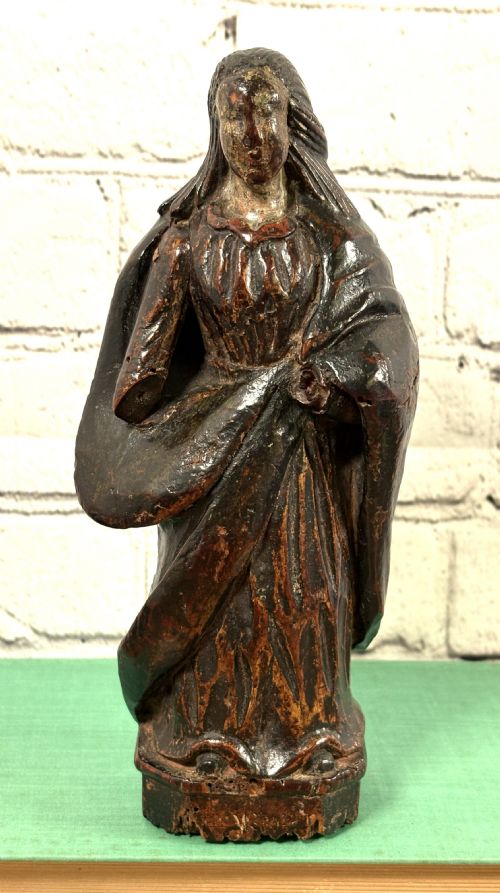

Carved Religious Statue
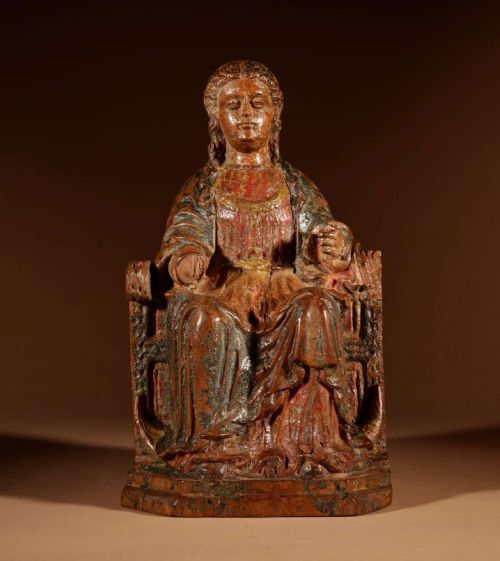
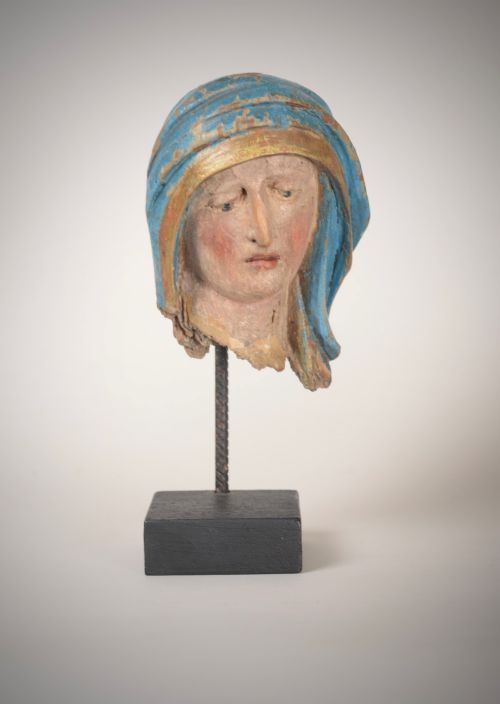
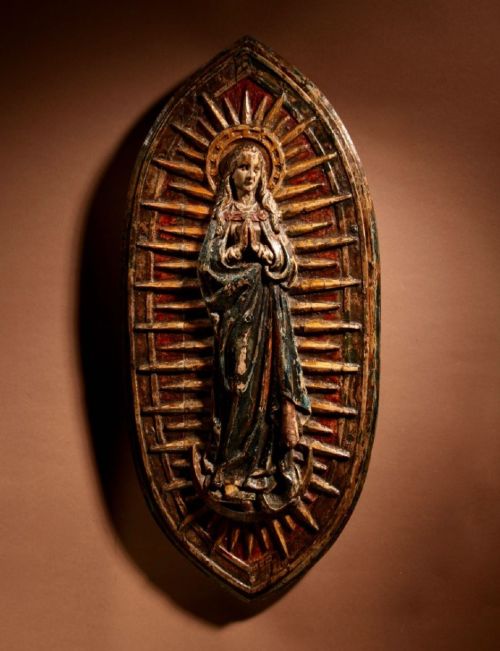
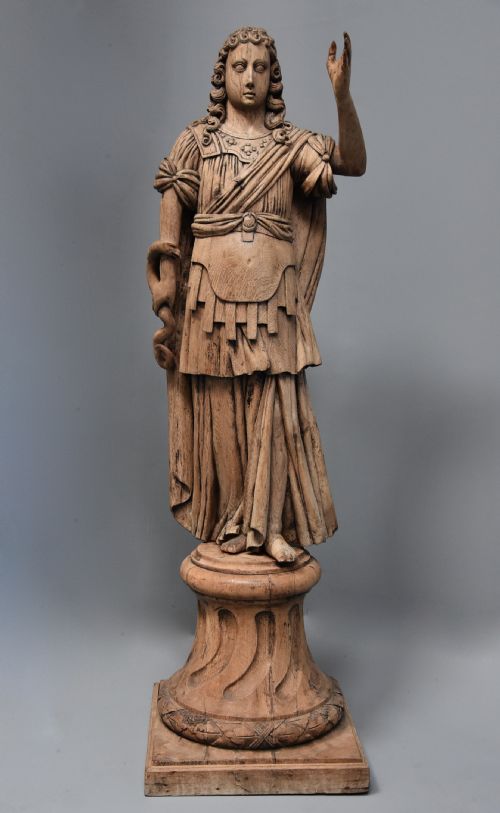
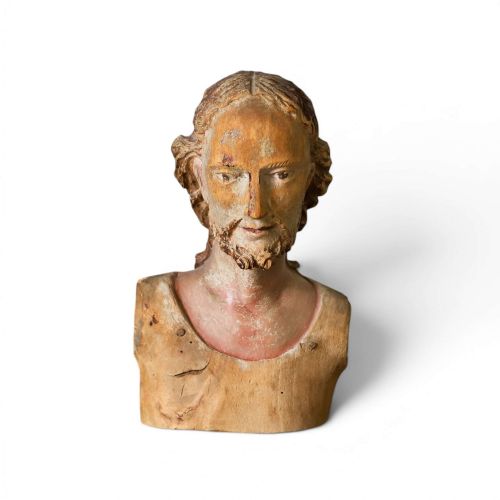
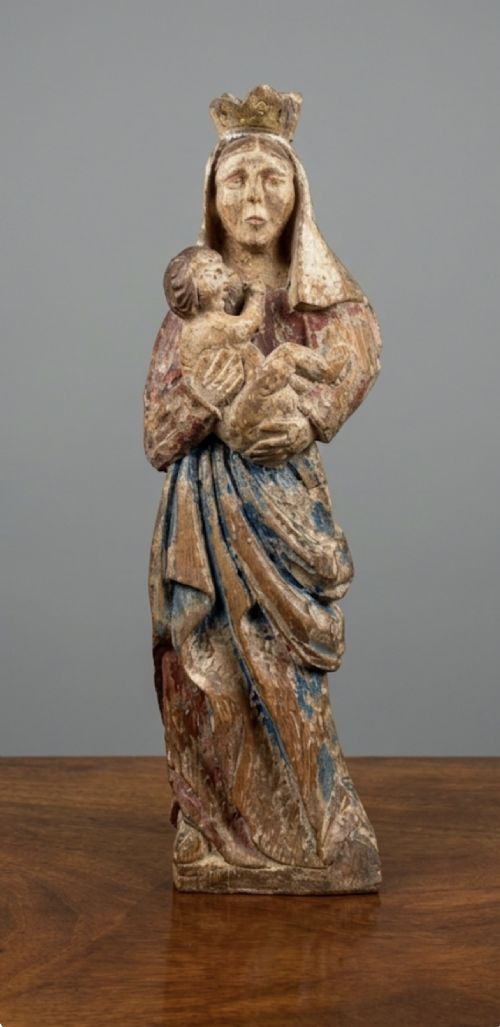
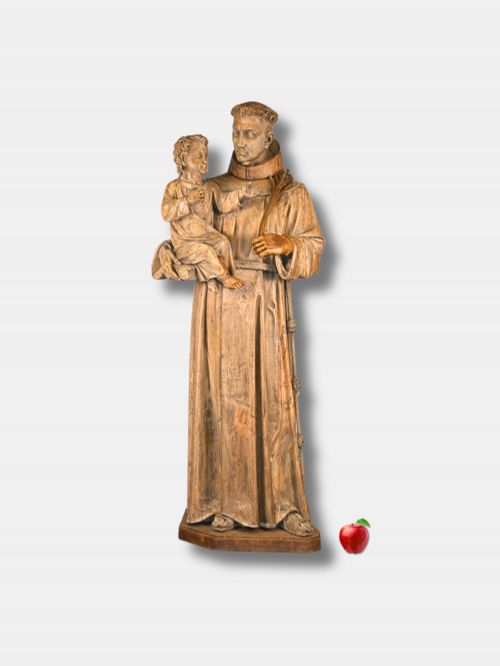
These carved religious statue examples bring centuries of devotion into a room, shaped from timber and painted or gilded by master hands.
Carved Religious Statue
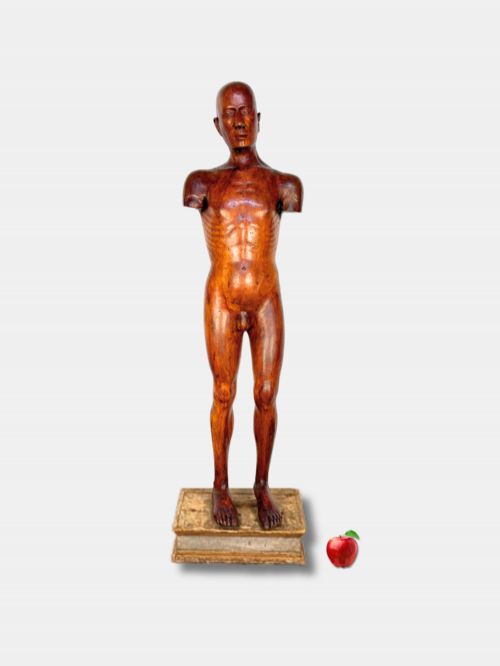
A carved religious statue bridges centuries of spiritual devotion and master woodworking, taking forms from single saints to elaborate altarpiece panels. Buyers searching for a carved religious statue encounter figures originating across Europe and Asia, spanning the sixteenth century to the early twentieth century.
The selection ranges from life-size continental figures in oak to small devotional carvings of walnut and limewood. Figures of the Madonna, saints, cherubs, and Buddhas dominate the available forms, reflecting diverse liturgical and domestic traditions.
Materials and construction methods
Craftsmen shaped these pieces primarily from woods such as oak, walnut, lime, and olive, utilising hand chisels and gouges to form expressive drapery and anatomical detail. Timber selection depended on regional availability, with dense oaks favoured for monumental European church figures.
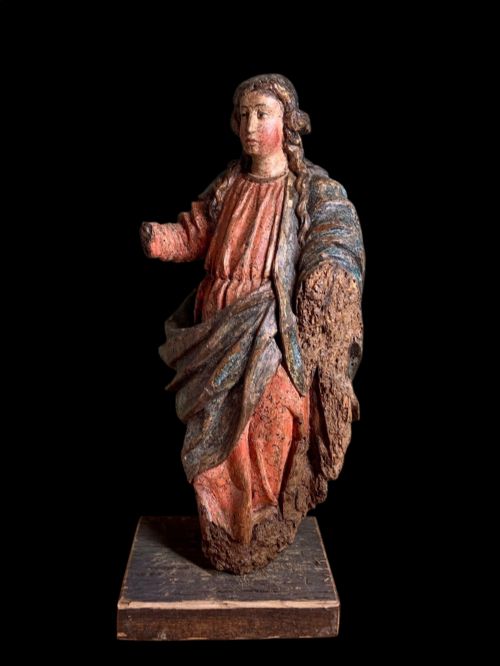
Surfaces frequently received layers of gesso preparation before being finished with polychrome paint, oil colours, or gold leaf. This combination of carved wood and applied pigments provided lifelike presence to saints, angels, and holy figures.
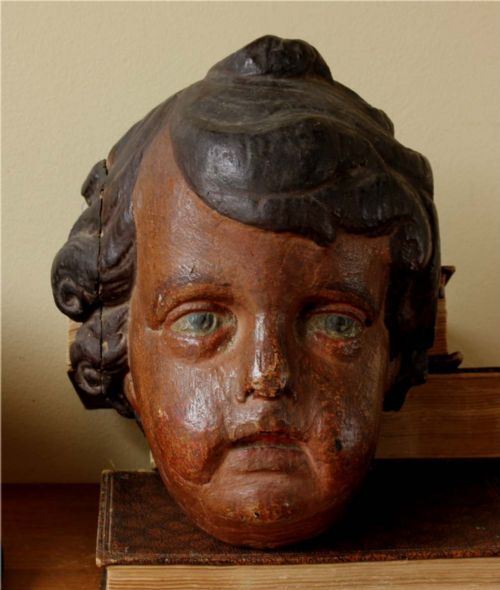
Look closely for the tiny wings of eighteenth-century putti heads peering down from church ceilings.
Distinctions in quality and execution
Quality rests in the precision of the carving, particularly in the rendering of facial expressions, hands, and the natural fall of garments. Superior examples display anatomical understanding and depth of relief, whereas simpler folk art pieces rely on stylised, direct forms.
The preservation of original surface treatments - such as early polychrome paint and gilt layers - dictates historical integrity. Pieces retaining genuine nineteenth-century or earlier surface layers without extensive modern overpainting command greater attention from collectors.
The Carved Religious Statue Glossary
- Polychrome
- Decorated in multiple colours. This term describes wooden sculptures painted with pigments to create lifelike skin tones and coloured garments.
- Gesso
- A plaster mixture applied to wood surfaces. It acts as a smooth base for subsequent layers of paint or gold leaf.
- Giltwood
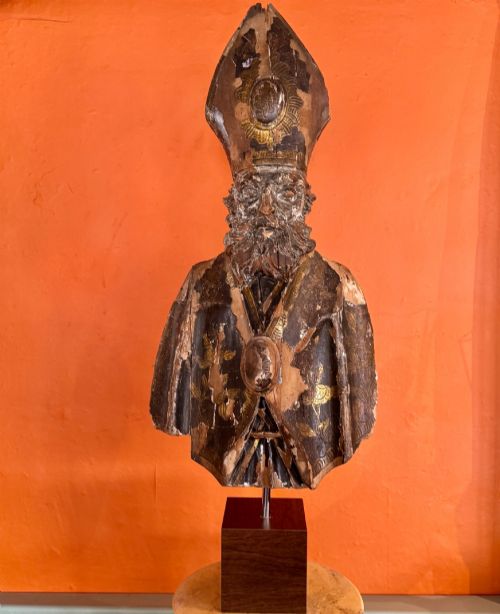
- Wood carved and covered with thin gold leaf. It is frequently seen on ecclesiastical busts, angels, and altarpiece frames.
- Capipote
- A Spanish devotional figure with a carved head and hands attached to a framework body. The body is typically dressed in real fabric vestments.
- Pieta
- A representation of the Virgin Mary holding the dead body of Jesus Christ. This subject appears in European wood carvings from the sixteenth century onwards.
Carved Religious Statue: Frequently Asked Questions
What woods were used for antique religious statues?
Carvers utilised local timber varieties depending on their workshop region. Oak and walnut appear frequently in northern European pieces, while limewood and olive wood support finer continental detailing.
Dense hardwoods provided structural stability for life-size figures, whereas softer woods allowed intricate undercut details on smaller devotional sculptures.
How can I tell if the paint is original?
Original polychrome surfaces show natural craquelure, age-related oxidation, and microscopic wear consistent with centuries of handling. Pigments integrate closely with the underlying gesso or wood substrate.
Modern repaint or restoration often sits abruptly on top of older surfaces, lacking the cumulative patina built up over generations of devotional use.
Where were these statues originally displayed?
Many larger works originated in churches, cathedrals, and monastic altarpieces as central objects of veneration. Life-size saints and angels commanded focal points within liturgical spaces.
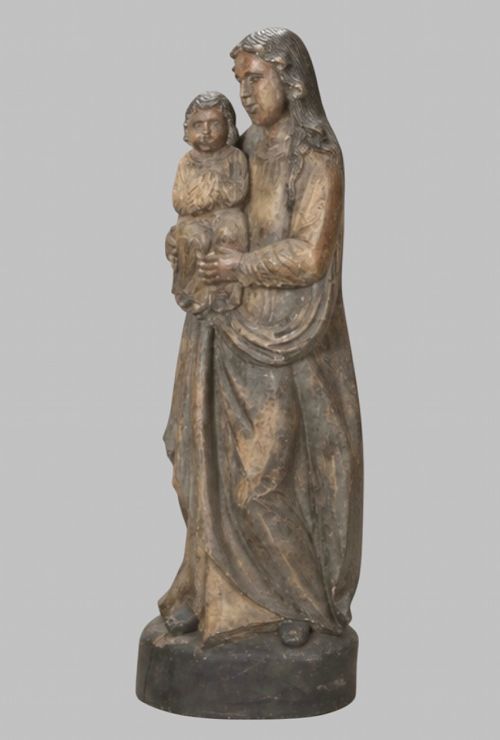
Smaller busts, Madonna figures, and panels belonged to private domestic shrines, home altars, or personal devotional spaces within houses.
How do I care for a wooden religious carving?
Maintain stable indoor humidity and temperature away from direct sunlight, radiators, or damp walls. Fluctuating conditions cause timber to expand and contract, risking splits in the wood and flaking of gesso.
Dust gently with a dry, soft brush and avoid applying modern polishes, waxes, or liquids to historic polychrome or gilt surfaces.