
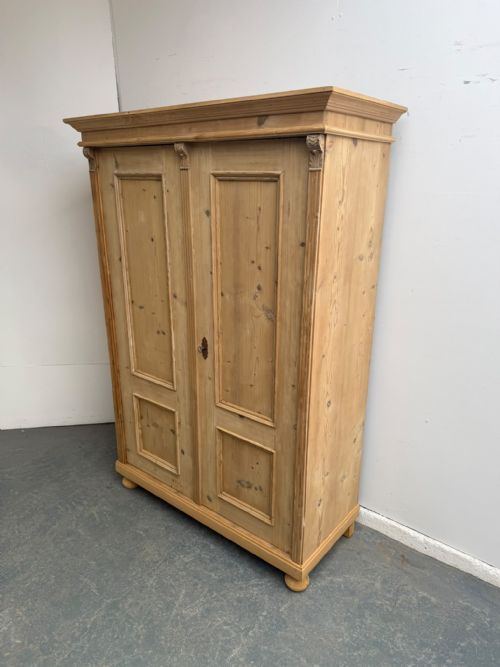
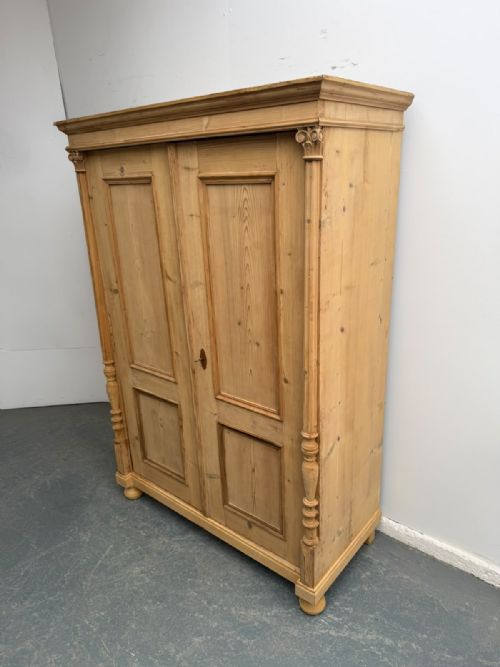
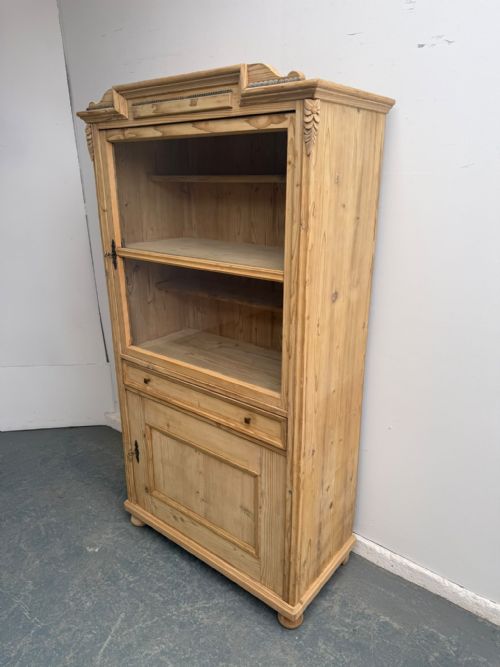
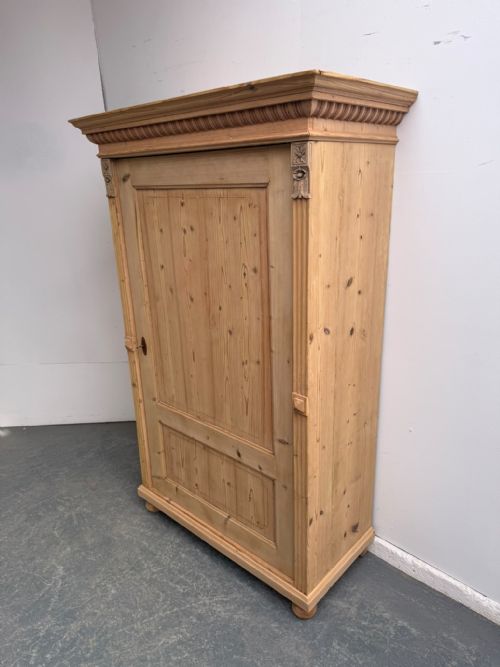




Carved Pine Linen Press
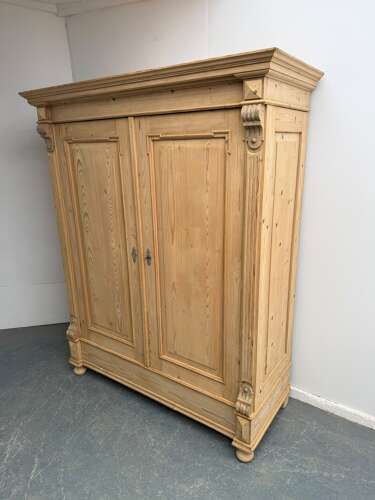
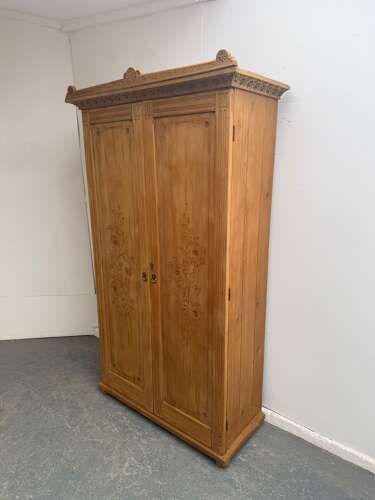
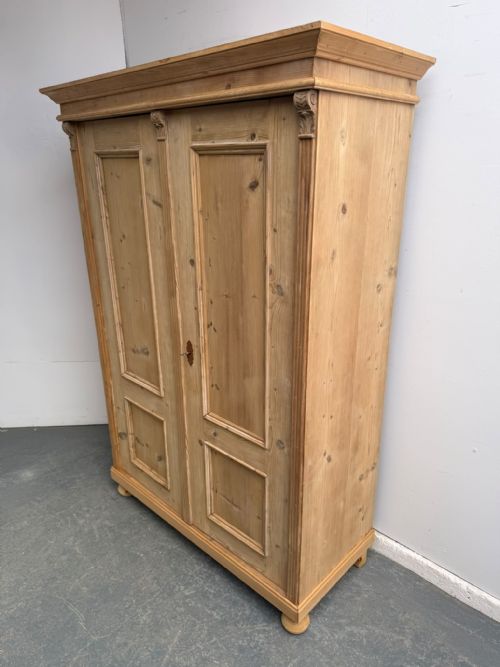
These carved pine linen press and wardrobe pieces bring honest country utility and warm grain to an interior.
Carved Pine Linen Press
A carved pine linen press represents a sturdy tradition of domestic storage, spanning periods from the eighteenth century through to the early twentieth century. Buyers seeking this phrase typically encounter large cupboards, knockdown wardrobes, and compactum units built to house linens and garments.
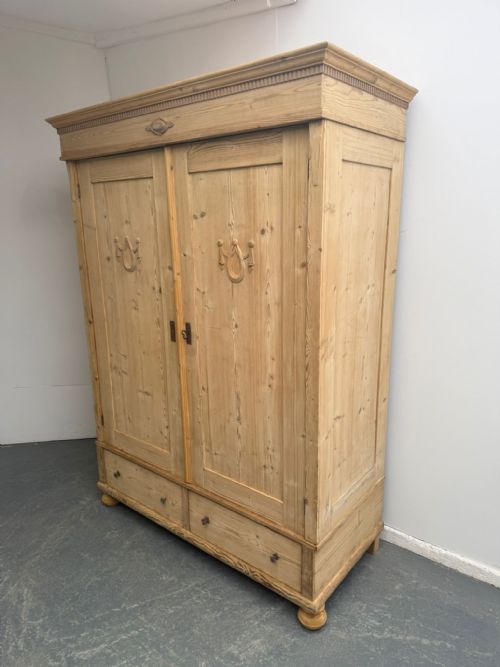
The material palette is predominantly pine and pitch pine, occasionally paired with oak or finished with historic paint schemes. Stylistic influences range from Victorian country and Arts and Crafts to Continental country, Hungarian folk, and Dutch country traditions.
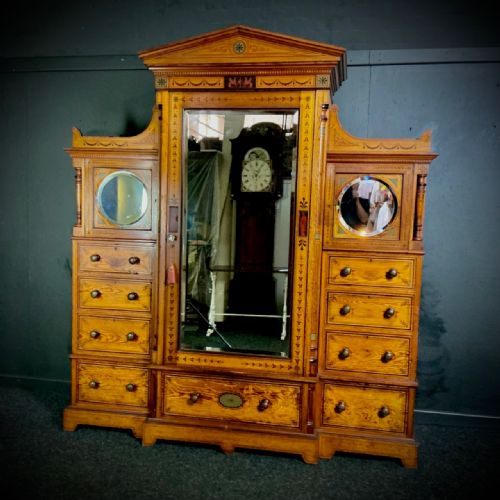
Forms vary from single-door and two-door cupboards to mirrored wardrobes and display cabinets fitted with internal shelving or drawers. These storage pieces suit bedrooms, hallways, and living spaces needing substantial architectural presence.
Materials and Construction
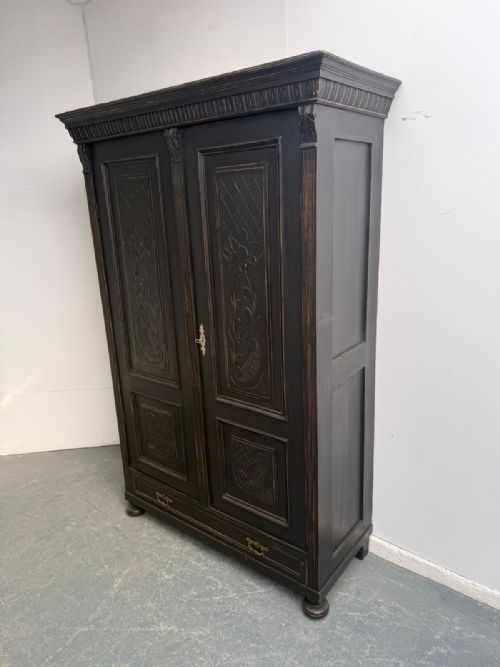
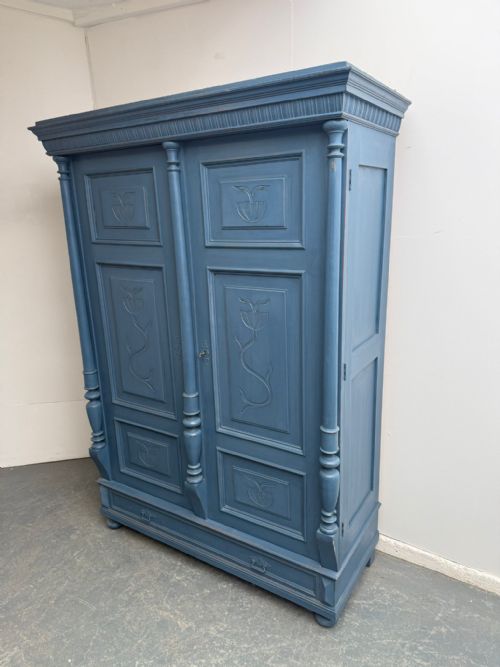
Makers utilised solid pine and pitch pine as the primary structural timbers, sometimes incorporating oak for added durability in structural framing. Surfaces were treated with wax or left ready for paint, while others retained decorative historic painted finishes in black or blue.
Hardware elements such as brass, iron, and metal fittings secure doors and drawers, alongside glass panels on display variations. Carved details and moulded sections define the Arts and Crafts, Art Nouveau, and folk styles seen across the inventory.
The collection spans Victorian, Edwardian, and eighteenth-century eras, featuring pine, pitch pine, oak, iron, brass, and glass.
Distinguishing Characteristics of Quality
The standard of a piece rests in the crispness of the carved details and the integrity of the original timber construction. Knockdown mechanisms, panel alignment, and the retention of original brass or iron hardware signal superior craftsmanship.
Surface treatments also dictate quality, whether through a deep, polished wax finish or intact period painted decoration. Items retaining original mirrored glass or uncompromised internal shelving stand apart from heavily altered examples.
The Carved Pine Linen Press Glossary
- Knockdown wardrobe
- A large wardrobe designed to be disassembled into flat panels for transport and reassembly. This clever engineering allowed massive furniture to move easily between rooms and houses.
- Compactum
- A fitted wardrobe combining hanging space, shelves, and internal drawers within a single footprint. These multi-purpose units maximised storage in Victorian bedrooms.
- Pitch pine
- A resinous variety of pine known for its durable qualities and striking, decorative grain patterns. It yielded a harder and heavier surface than standard softwoods.
- Linen press
- A tall cupboard traditionally used for storing folded linen and garments on internal shelves. The upper section usually housed shelving while the lower portion often featured drawers.
- Hungarian folk
- A regional aesthetic characterised by robust construction and traditional painted decoration. These pieces often incorporate contrasting oak elements alongside pine.
Carved Pine Linen Press: Frequently Asked Questions
How do I care for waxed pine furniture?
Maintaining waxed pine involves regular dusting with a soft cloth and the occasional application of a quality beeswax nourish. Avoid placing these pieces in direct sunlight or near heat sources to prevent the timber from drying out.
Keeping the surface properly waxed preserves the warm sheen and protects the softwood from moisture marks over time.
Are these wardrobes easy to move?
Many examples on this page are knockdown wardrobes designed to be dismantled into individual panels and components. This historical construction method makes transporting large cupboards through tight stairways and doorways straightforward.
One-piece wardrobes require careful measurement of entryways before purchase, as their solid frames cannot be disassembled.
How do I identify the period?
Dating pine furniture relies on examining construction marks, hardware types, and stylistic cues such as Victorian moulding or Arts and Crafts carving. Earlier eighteenth-century examples display distinct joinery and heavier proportions compared to twentieth-century pieces.
Paint layers, fastener styles, and timber selection further assist in pinpointing the era of manufacture.