

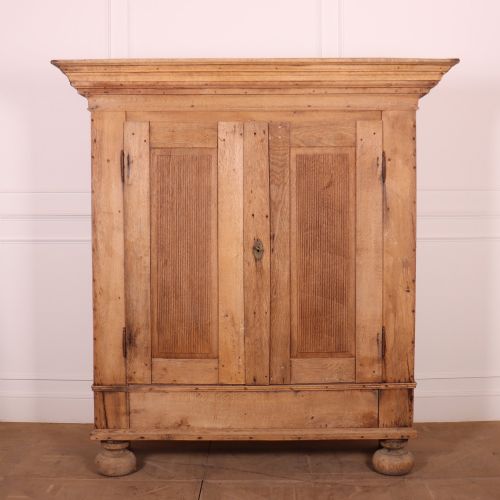
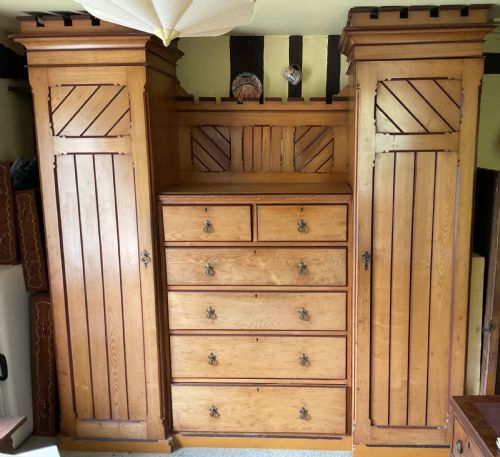
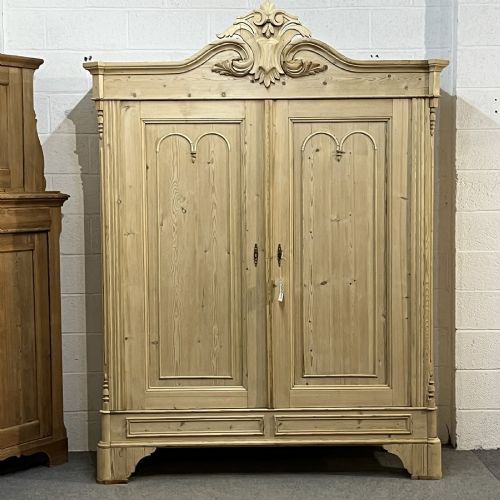
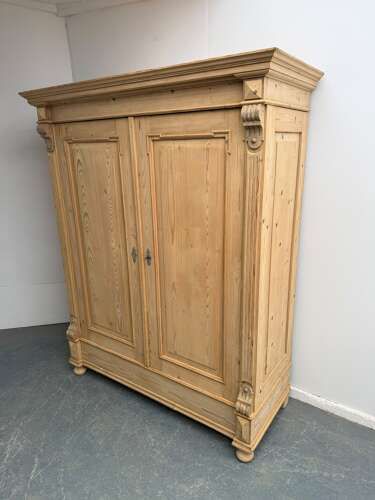
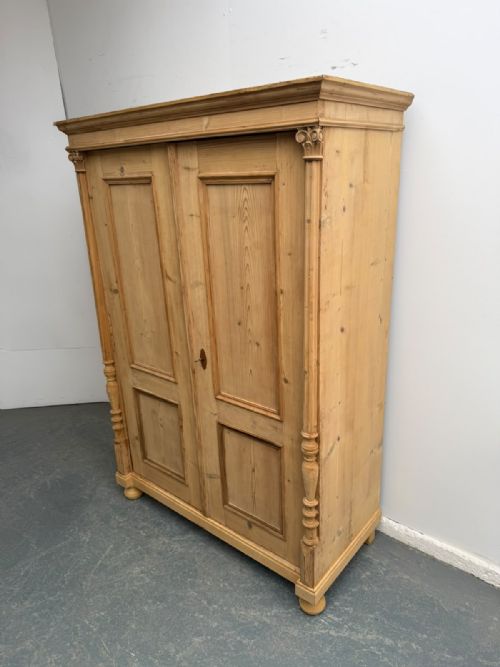
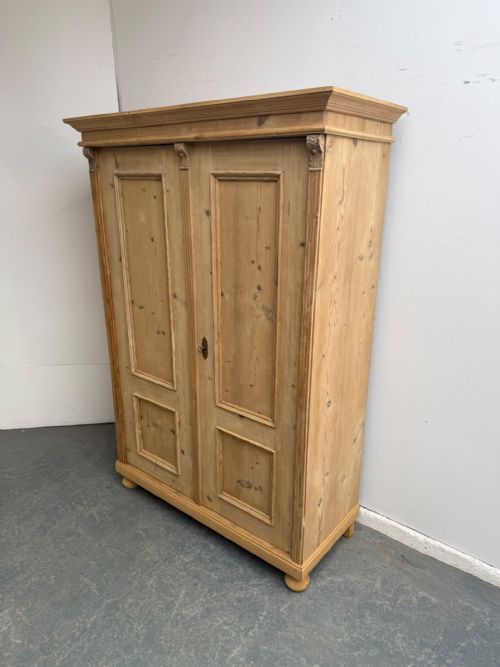
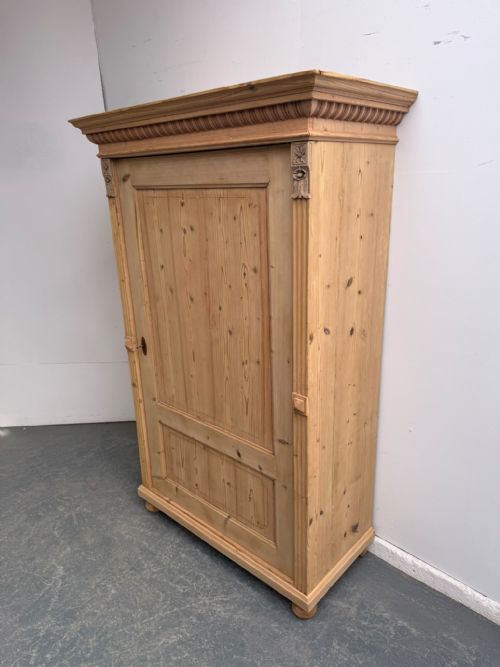

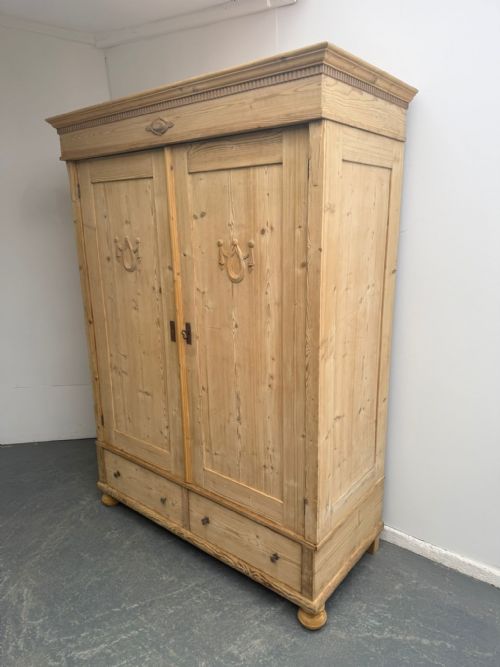
Carved Pine Armoire
These carved pine armoire selections offer generous domestic storage grounded in nineteenth-century and early twentieth-century cabinetmaking traditions.
Carved Pine Armoire
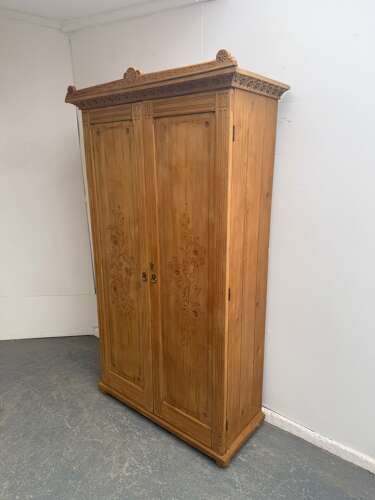
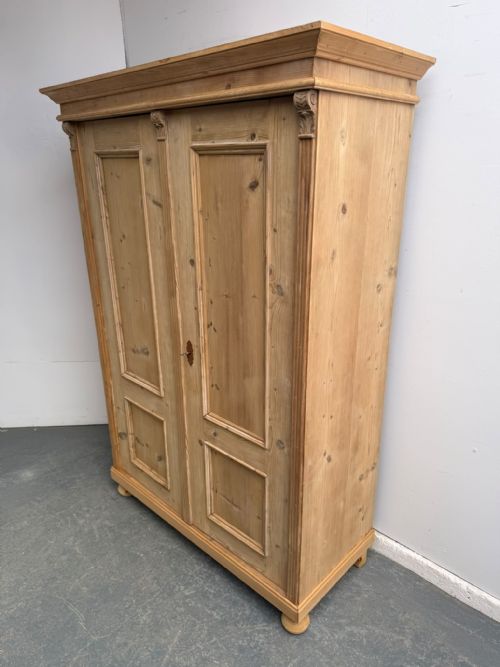
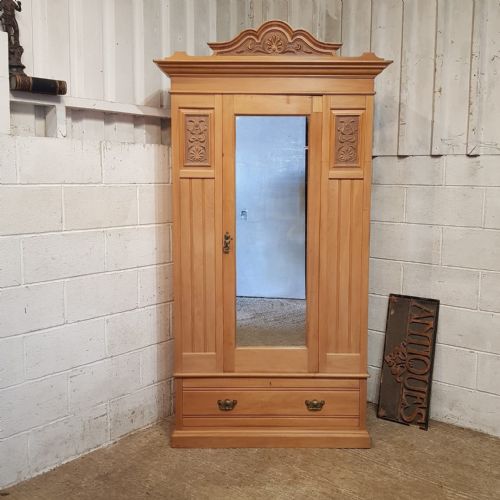
A carved pine armoire brings substantial timber storage into domestic spaces, appearing in forms such as tall hall wardrobes, large knockdown wardrobes, linen presses, and multi-door storage cupboards. Buyers searching for a carved pine armoire encounter pieces predominantly from the Victorian and Edwardian eras, alongside earlier continental and Scandinavian examples.
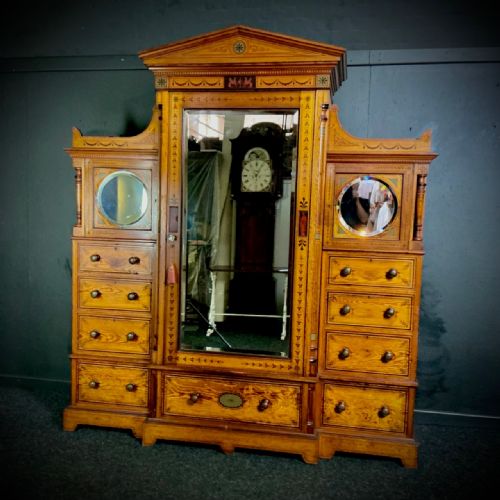
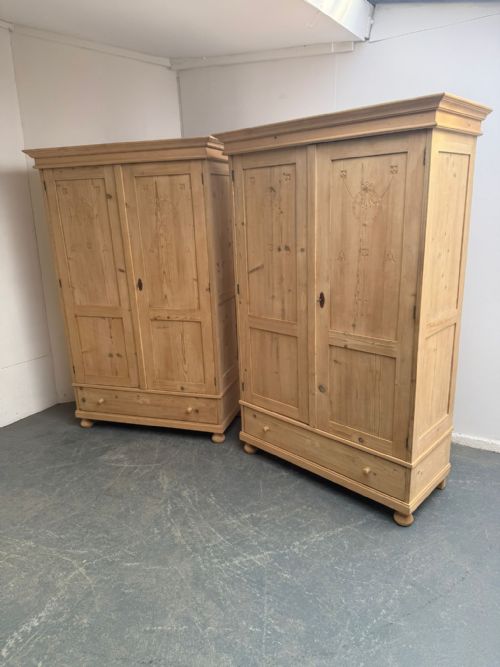
The construction typically spans single-door and two-door formats, often incorporating bottom drawers, internal shelving, or mirrored panels. Regional variations include Hungarian folk pieces, Dutch linen presses, and French buffet deux corps forms.
Many items survive in a waxed, painted, or stripped finish, reflecting both domestic utilitarian roots and decorative Arts and Crafts or Art Nouveau detailing.
Materials and construction methods
Makers relied primarily on solid pine and pitch pine, supplemented occasionally by oak and fitted with iron or brass hardware. Structural integrity was achieved through sturdy timber framing and, in larger examples, knockdown systems designed for transport and assembly in domestic rooms.
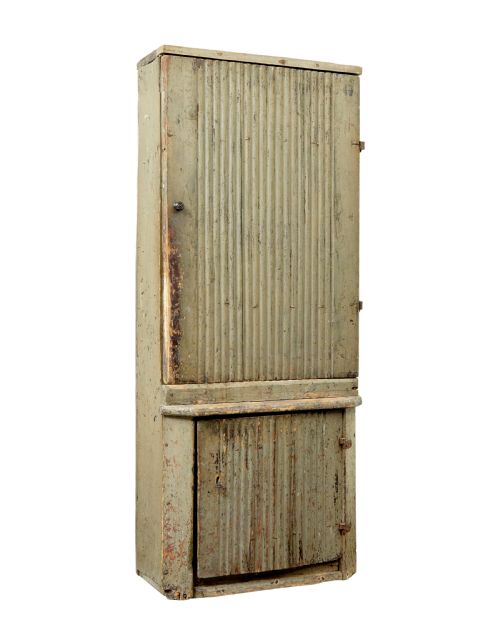
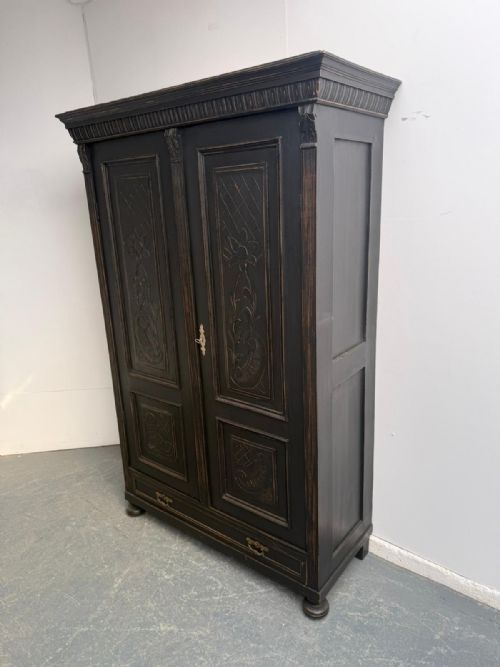
Surface decoration frequently involved hand-carved detailing, applied mouldings, or painted finishes in black, blue, and grey. Glass elements appeared in panel doors, while internal configurations relied on adjustable shelving or wooden hanging spaces.
Carved Pine Armoire Retail Price Guide 2026
Typical asking prices for carved pine armoire among the pieces listed under this phrase on Sellingantiques today, from the lower quarter to the upper quarter. They describe what is for sale here now, not the wider market.
Several Hungarian hall wardrobes arrived wearing coats of black and blue paint, proving that plain pine loves a bold outfit.
Assessing quality in period pine storage
Quality rests upon the crispness of the hand-carving and the proportional balance of the cornice, panels, and base. Superior pieces exhibit thoughtful joinery, such as panelled doors that accommodate seasonal timber movement without distortion.
The presence of original hardware, intact glass, and well-executed knockdown mechanisms distinguishes finer workshop output from simpler utilitarian cupboards. Surface treatments also play a role, with original painted schemes or carefully finished waxed pine holding distinct character.
The Carved Pine Armoire Glossary
- Armoire
- A tall standing cupboard or wardrobe with doors enclosing shelving or hanging space. Originating on the continent, the term often describes substantial storage furniture with architectural cornices.
- Knockdown
- A piece of furniture constructed to be easily dismantled into separate panels and sections for transport. This method was particularly useful for large wardrobes destined for upper bedrooms.
- Pitch Pine
- A dense, resinous variety of pine timber known for pronounced grain patterns and durability. It was frequently utilised in Victorian and Edwardian wardrobes.
- Linen Press
- A storage piece featuring upper sliding trays or shelves enclosed by doors, traditionally used for flat textiles. Many examples incorporate a chest configuration in the lower section.
Carved Pine Armoire: Frequently Asked Questions
How do I assemble a knockdown wardrobe?
Knockdown wardrobes utilise interlocking panels, wooden pegs, or internal bolts that allow the main sides, back, and top to separate for transport. Reassembly requires careful alignment of the joints to ensure the frame remains square before securing the doors.
Keeping the original numbered or matched parts aligned during the process prevents alignment issues with the cornices and base drawers.
What is the difference between an armoire and a compactum?
An armoire generally provides open hanging space or adjustable shelving behind one or two large doors. A compactum combines multiple storage functions into a single footprint, often integrating drawers, hanging sections, and internal compartments.
Compactum wardrobes tend to date from the later Victorian and Edwardian periods when internal fittings became more specialised.
Are these pieces finished in wax or paint?
Period pine furniture appears in both traditional wax finishes and historic painted surfaces. Many pieces were originally painted in regional styles, such as Hungarian folk decoration or Scandinavian finishes, while others received later coats of grey, black, or blue.
Unpainted examples highlight the natural grain of the pine and pitch pine through regular waxing.
How do I date a Victorian pine cupboard?
Dating relies on stylistic clues such as Arts and Crafts or Art Nouveau carved motifs, brass or iron hardware, and structural proportions. Earlier nineteenth-century examples often feature simpler plank construction and hand-cut details.
Later Edwardian versions frequently incorporate softer decorative lines and lighter pine timber selections.