

Carved Panel Screen
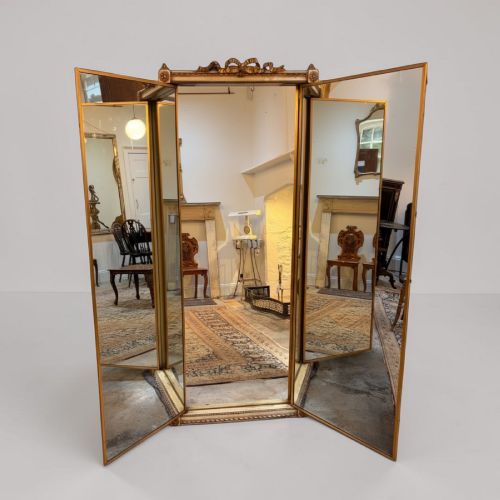
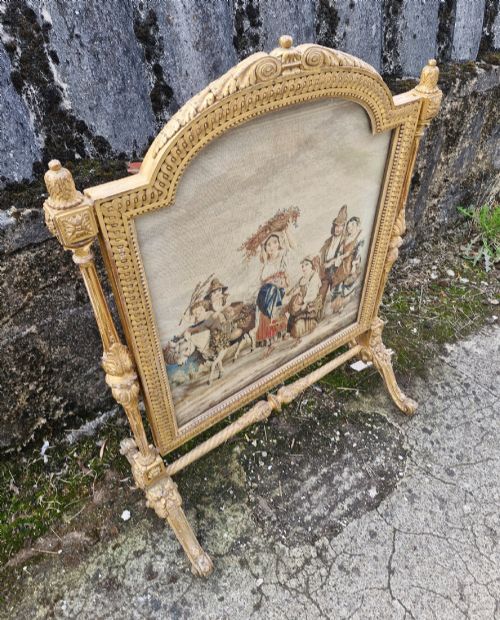
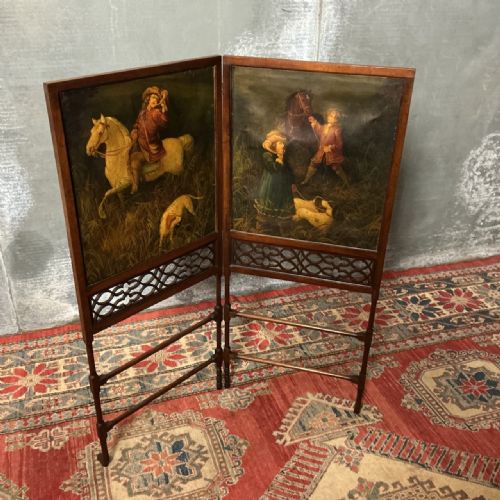
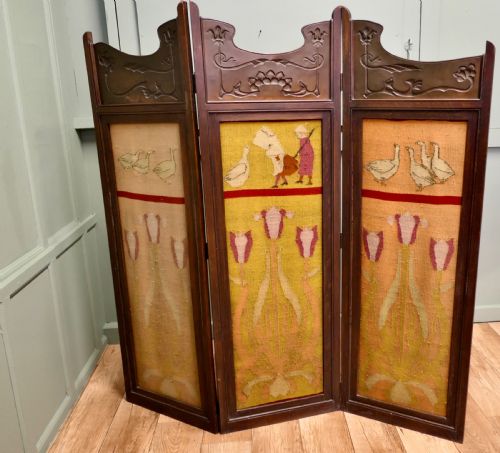
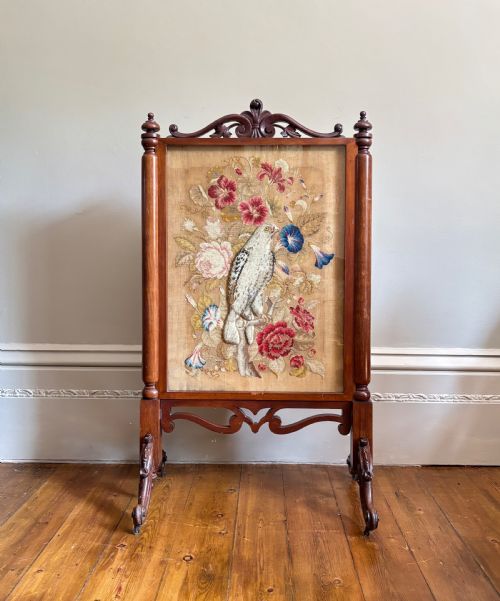
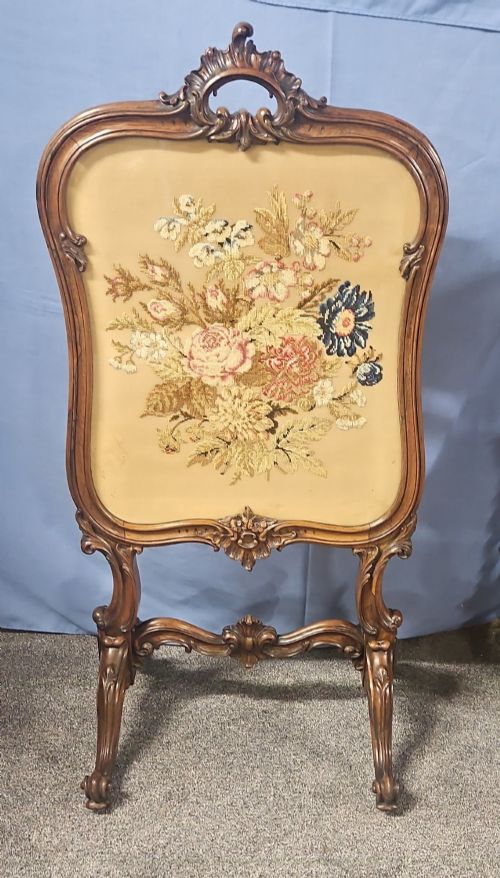
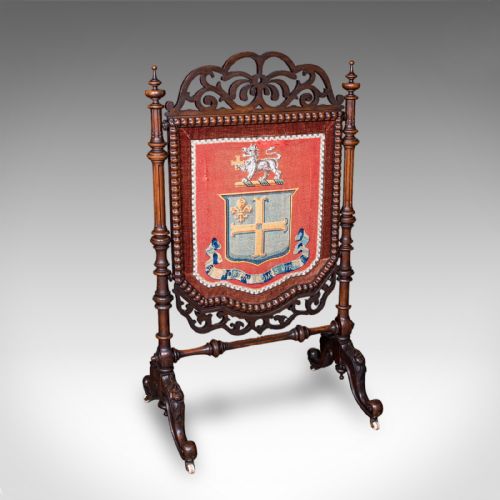
A carved panel screen divides a room or shields a hearth, bringing layered woodwork and textile panels into an interior.
Carved Panel Screen
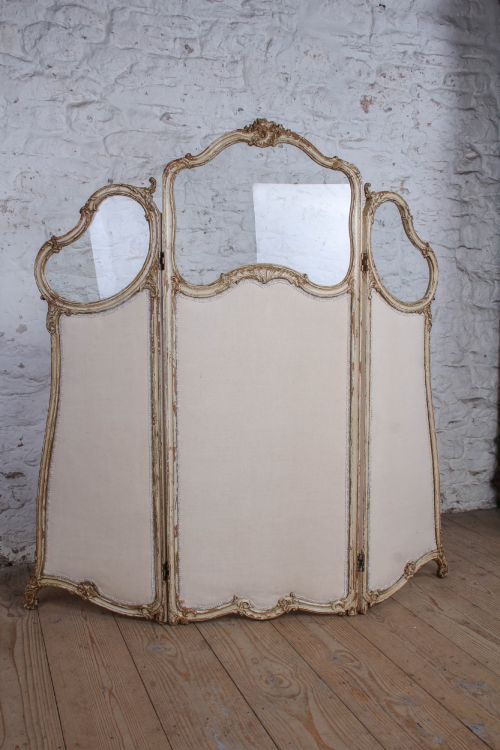
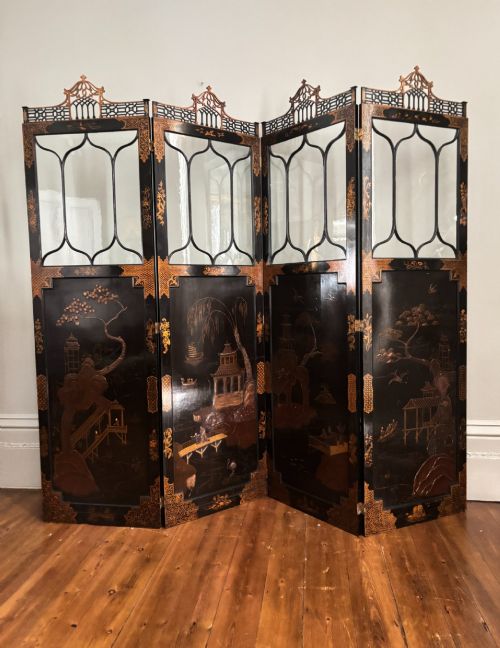
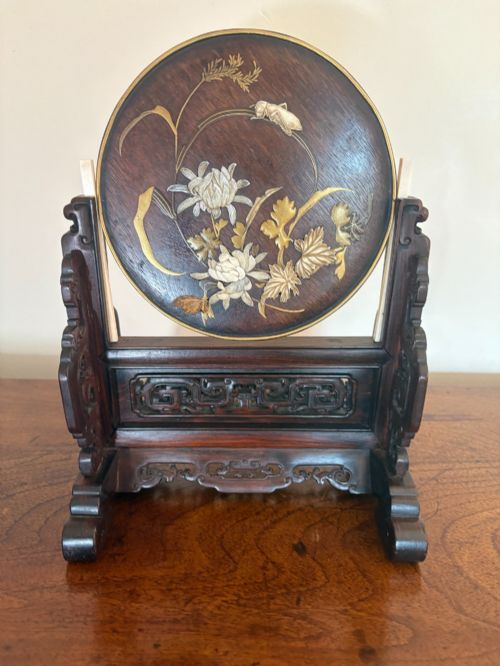
A carved panel screen appears across domestic spaces primarily as folding room dividers, freestanding fire screens, and smaller table variants. The selection spans nineteenth-century Victorian walnut and rosewood designs alongside diverse international traditions including Chinese Coromandel, Japanese folding pieces, and Anglo-Indian woodwork.
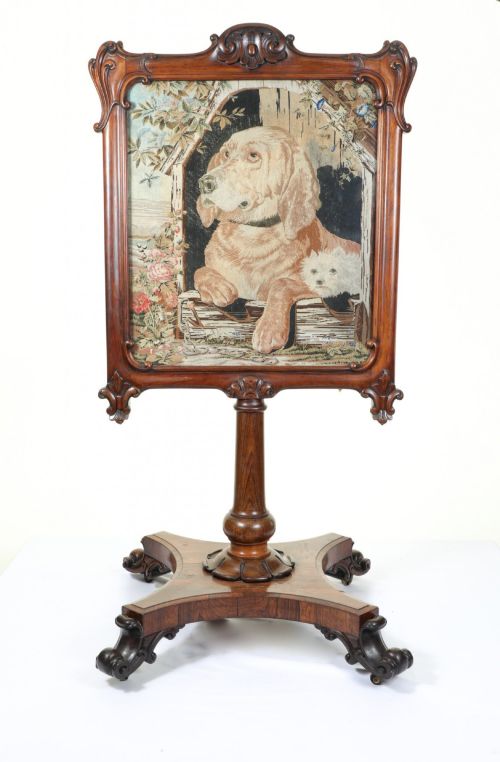
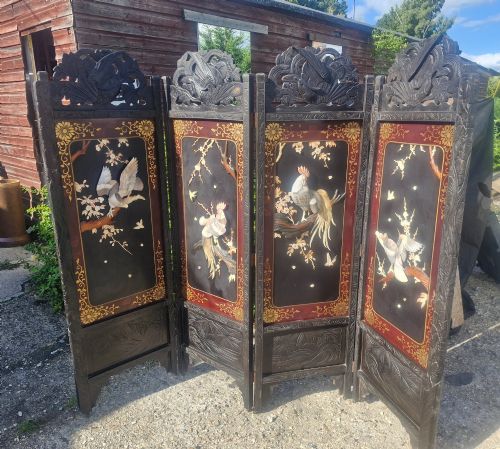
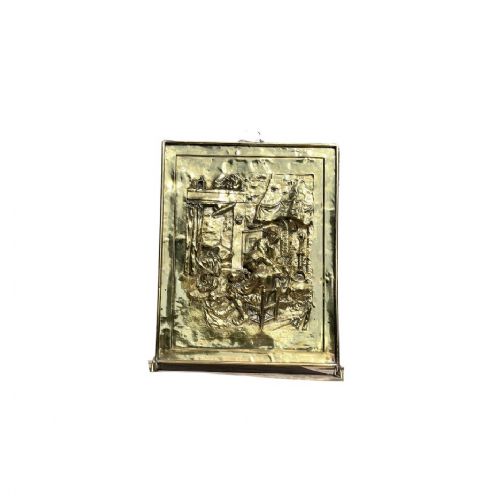
Folding screens dominate the selection, offering multiple hinged sections of hardwood, lacquer, or brass. Alongside these, smaller pole screens and modesty screens serve specific domestic functions while retaining intricate carved wooden frames.
Materials and Construction
Construction relies heavily on dense timbers such as mahogany, walnut, rosewood, padauk, and general hardwood, joined to form rigid frames for folding panels. Many incorporate secondary media, utilising brass fittings, copper, giltwood, and glass.
Surface decoration integrates deep hand-carving, lacquer work, bone inlay, and mother-of-pearl alongside textiles. Panels frequently display needlepoint, woolwork, embroidery, tapestry, and painted canvas held within the timber framework.
Carved Panel Screen Retail Price Guide 2026
Typical asking prices for carved panel screen among the pieces listed under this phrase on Sellingantiques today, from the lower quarter to the upper quarter. They describe what is for sale here now, not the wider market.
Several panels double as modesty screens, originally designed to shield diners from the direct heat of roasting fires.
Quality and Execution
Depth and precision of the woodwork dictate the standard of execution, separating standard production from skilled artisan carving. Crisp detailing in foliage, figures, and pierced fretwork marks superior examples.
The integration of decorative panels determines overall merit. Hand-stitched needlework, genuine Coromandel lacquer, and finely inlaid bone or abalone demonstrate higher craftsmanship than printed or plain secondary surfaces.
Paul Sormani
The Carved Panel Screen Glossary
- Pole screen
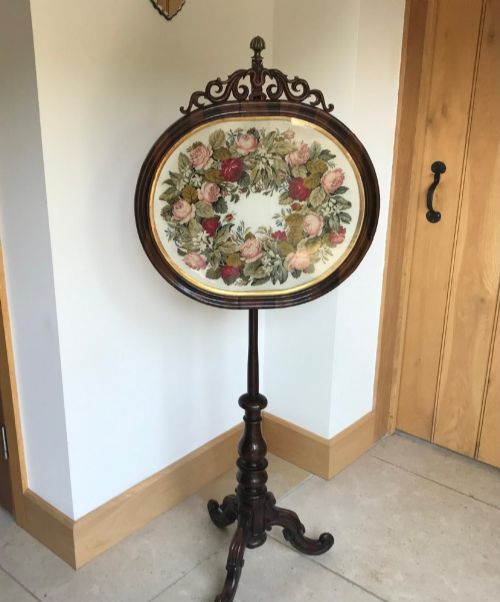
- A vertical wooden stand holding an adjustable sliding panel designed to block radiant heat from a fireplace. The screen mounts on a central pillar supported by tripod feet.
- Coromandel
- A type of Chinese incised lacquerwork where dark surfaces are carved, painted, and filled with coloured lacquers or ivory. The technique creates a rich low-relief pictorial effect across multiple folds.
- Mashrabiya
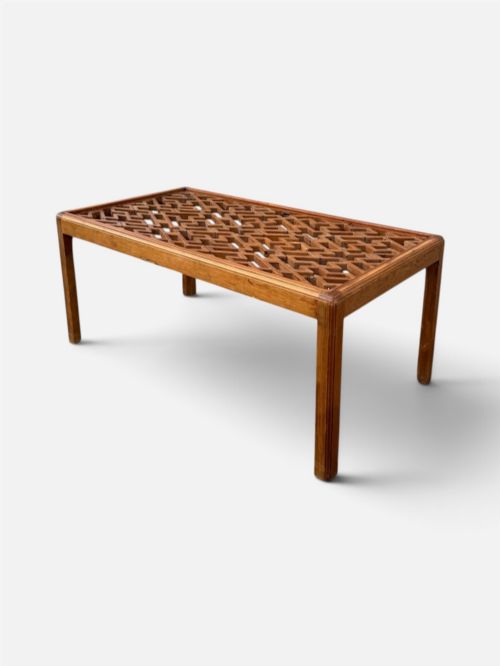
- An architectural element of turned wooden lattice joinery assembled into decorative panels. It provides ventilation and visual screening in traditional Middle Eastern interiors.
- Shibayama
- A Japanese craft technique embedding intricate motifs of ivory, mother-of-pearl, tortoise shell, and bone into wood or lacquer bases. The method produces raised polychrome decorative details.
- Berlin work
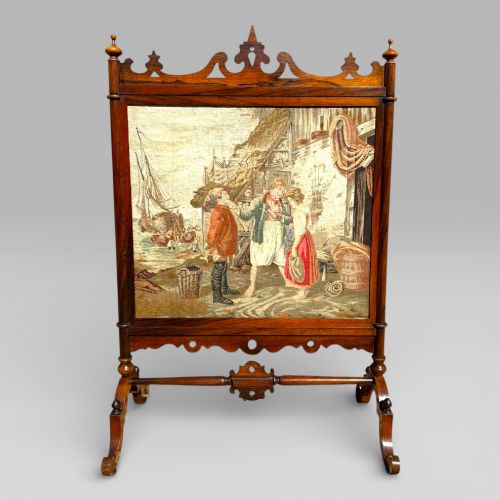
- A style of nineteenth-century canvas embroidery worked from colour-printed grid patterns using bright wool yarns. It frequently decorates Victorian fire screen inserts.
Carved Panel Screen: Frequently Asked Questions
What is a carved panel screen used for?
These pieces function primarily as room dividers, privacy partitions, or decorative barriers placed near fireplaces to deflect heat. Their substantial hinged panels allow them to alter the proportions and flow of a domestic interior.
Beyond practical duties, they serve as prominent visual focal points within a room. The integration of carved wood, lacquer, and textile panels introduces texture and historical character to modern spaces.
How do I date a Victorian fire screen?
Dating relies on timber choices, such as rosewood and walnut, combined with specific needlework techniques like Berlin woolwork. The presence of brass hardware and turned upright supports helps anchor pieces to the nineteenth century.
Stylistic revivals also guide attribution, with Gothic, Rococo, and Elizabethan motifs appearing across the period. Examining the joinery behind the frame provides further clues to its manufacture.
Are Chinese Coromandel screens heavy?
Large folding examples constructed from dense hardwood and heavy lacquer layers possess considerable weight. Moving or positioning multi-fold variants typically requires two people to prevent strain on the antique hinges.
Despite their heft, the folding mechanism allows them to collapse flat against a wall when not in use. Stability depends on positioning the folds at alternating angles to keep the structure upright.
How should I clean antique needlework panels?
Textile panels require gentle surface dusting using a soft brush rather than liquid cleaners. Moisture can damage aged wool, silk, and the underlying canvas or backing materials.
Keeping the screen away from direct sunlight prevents the fading of embroidered threads and painted surfaces. Professional textile conservators should handle deeper restoration or cleaning needs.