


Carved Oak Steps
These carved oak steps are solid pieces of functional timber, built to help you reach high shelves and designed to last centuries.
Carved Oak Steps
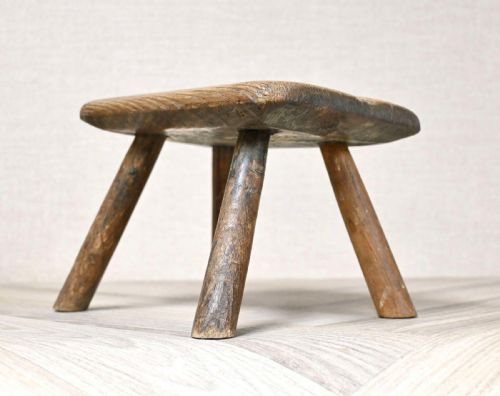
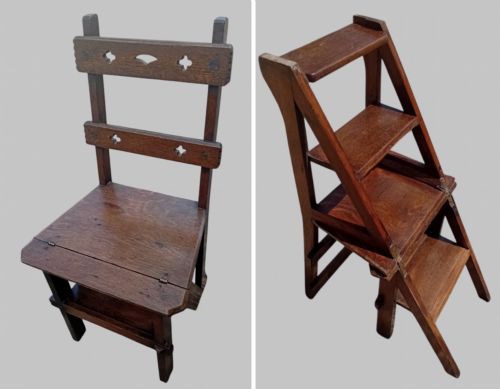
Carved oak steps are sturdy timber items designed for domestic or library use, spanning periods from the eighteenth century through to the twentieth century. When searching for carved oak steps, you will encounter diverse forms including standalone flights, stools, and ingenious metamorphic designs that transform from chairs into steps.
The pieces listed on this page cover multiple eras, notably Georgian and Victorian designs alongside later Arts and Crafts and Gothic Revival examples. These functional objects range from simple, rustic country pieces to sophisticated library furniture equipped with brass or iron hinges.
Many examples double as seating or decorative items, reflecting the versatility demanded by past owners. You will most frequently find nineteenth-century library steps and metamorphic chairs that combine practical elevation with heavy timber construction.
How they were made
Makers utilised solid oak timber as the primary structural material, often enhanced with brass or iron mechanisms on metamorphic items. Woodworking techniques relied on sturdy joinery to support heavy daily use in homes and libraries.
Surface decoration frequently includes carved details characteristic of the Gothic Revival, Arts and Crafts, and Aesthetic movements. Artisans shaped the timber by hand to create functional treads and supportive frames that endure across generations.
Current listings feature items from the eighteenth, nineteenth, and twentieth centuries, including Georgian and Victorian periods.
What varies in quality
Quality rests upon the cleverness of the mechanism in metamorphic examples and the crispness of the carved details on the oak frame. Finer pieces demonstrate superior timber selection and robust joinery that remains rigid through constant transformation.
Simpler primitive country items rely on honest, rustic construction, whereas formal library steps exhibit refined stylistic influences from specific design periods. The integrity of the original timber and hardware distinguishes standard utility pieces from exceptional examples.
Richard Hicks Bridgens
The Carved Oak Steps Glossary
- Metamorphic chair
- A dual-purpose piece of furniture designed to convert from a chair into a flight of steps. This ingenious mechanism relies on hinges and pivots concealed within the oak frame.
- Library steps
- A freestanding staircase built to reach high bookshelves in private studies and large rooms. These are constructed from solid timber with sturdy treads for safe elevation.
- Gothic Revival
- A design style drawing inspiration from medieval architecture, featuring pointed arches and heavy carved ornament. This aesthetic appears frequently on nineteenth-century oak furniture.
- Arts and Crafts
- A movement prioritising traditional craftsmanship and visible construction methods over mass production. Pieces from this era display honest materials and understated carved details.
- A-frame
- A structural configuration where the sides angle outward toward the base for increased stability. Georgian library steps often utilise this geometric form.
Carved Oak Steps: Frequently Asked Questions
How old are these oak steps?
The pieces span multiple historical periods, ranging from eighteenth-century examples to twentieth-century items.
Stylistic clues such as Gothic Revival carving or Art Deco influences help indicate the exact era of manufacture.
Were these steps used in homes?
These items served a practical purpose in domestic libraries, studies, and high-ceilinged rooms where books required reaching.
Their robust timber construction ensured they could withstand regular weight and daily household movement.
What materials are used in construction?
Solid oak serves as the primary structural timber across nearly all listed pieces.
Makers frequently incorporated brass or iron for hinges, catches, and folding mechanisms on convertible items.