


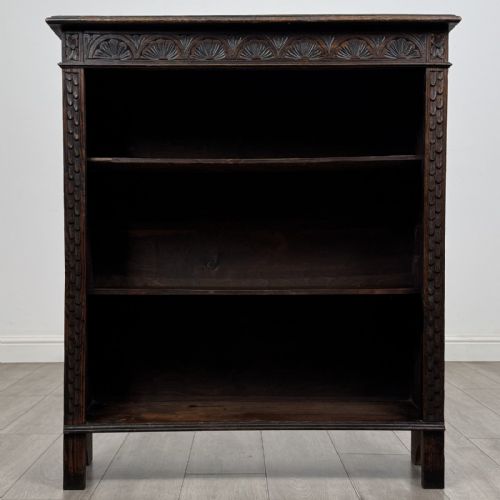
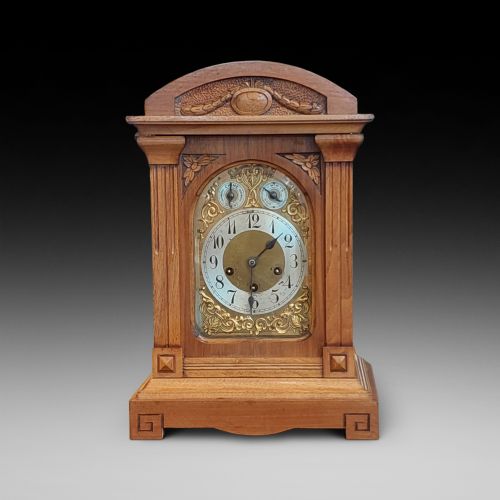

Carved Oak Shelf
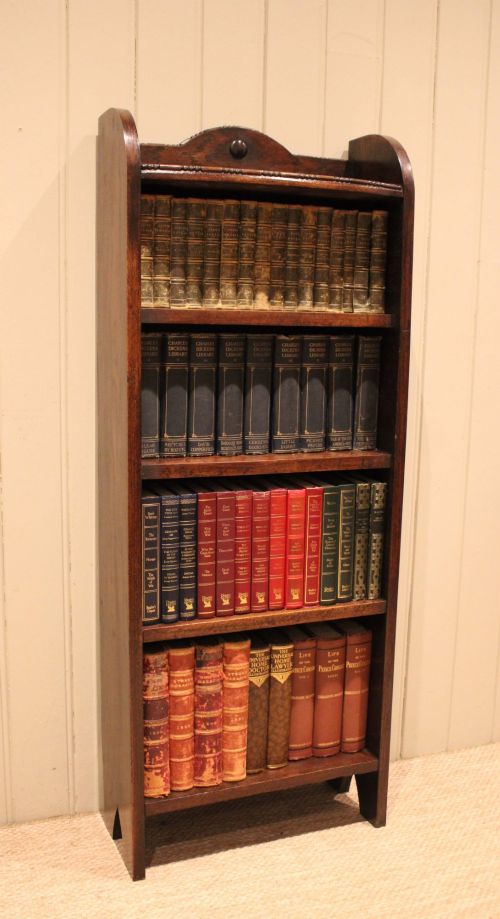
A carved oak shelf brings substantial timber grain and traditional joinery to a wall, holding books or plates with quiet utility.
Carved Oak Shelf
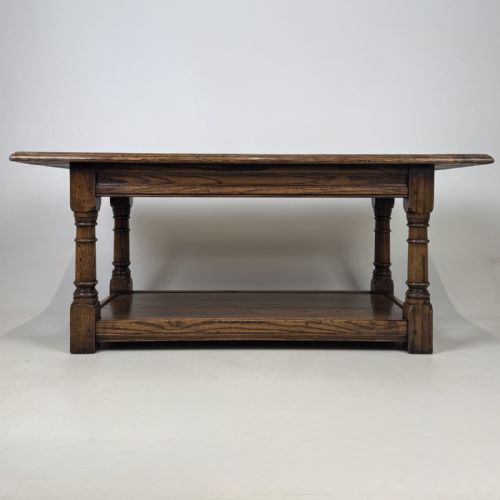
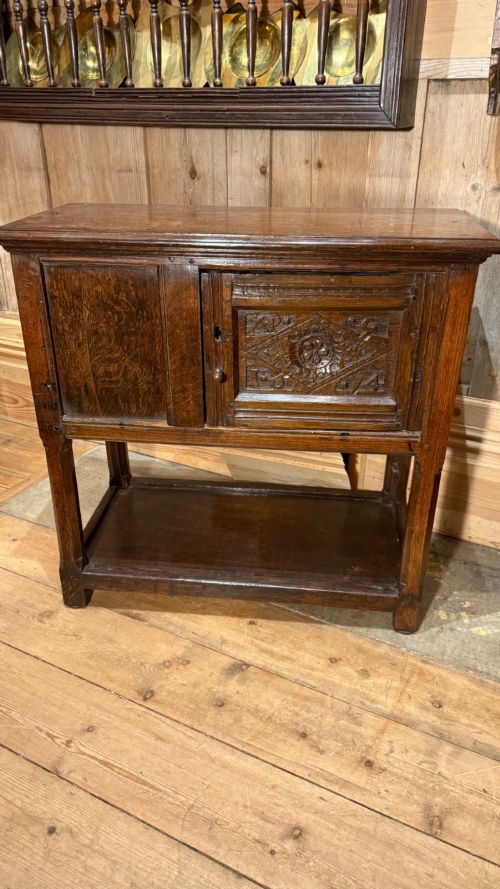
A carved oak shelf serves as a sturdy timber ledge for displaying books, plates, and small ornaments within domestic spaces. These pieces emerge primarily from the Victorian and Edwardian eras, spanning the nineteenth and early twentieth centuries.
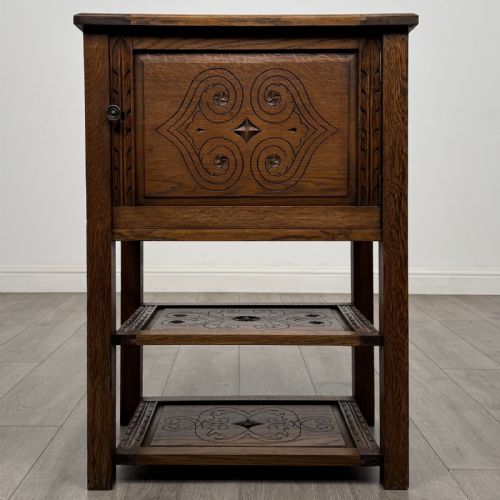
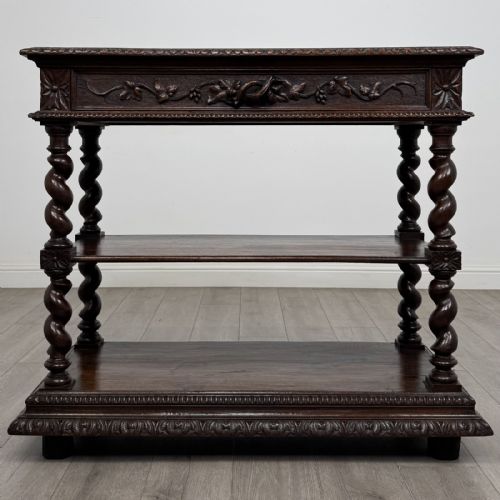
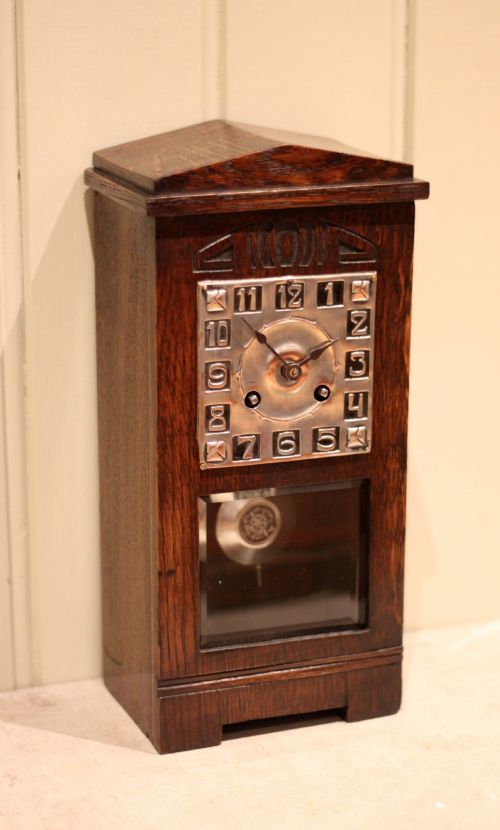
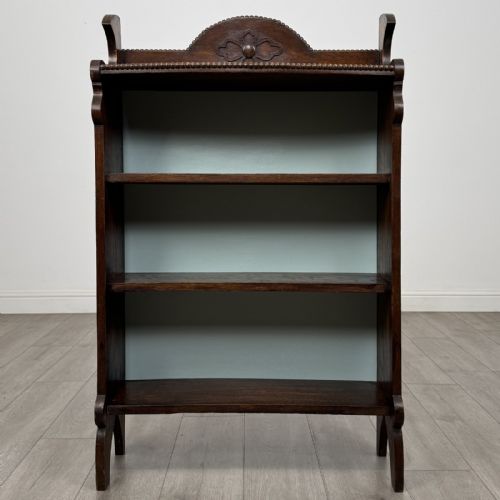
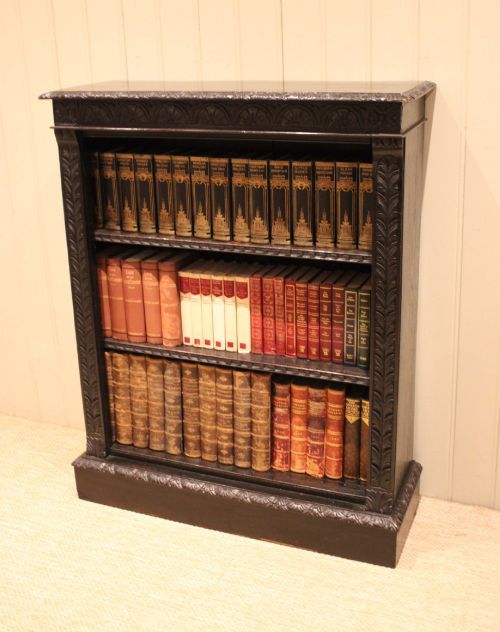
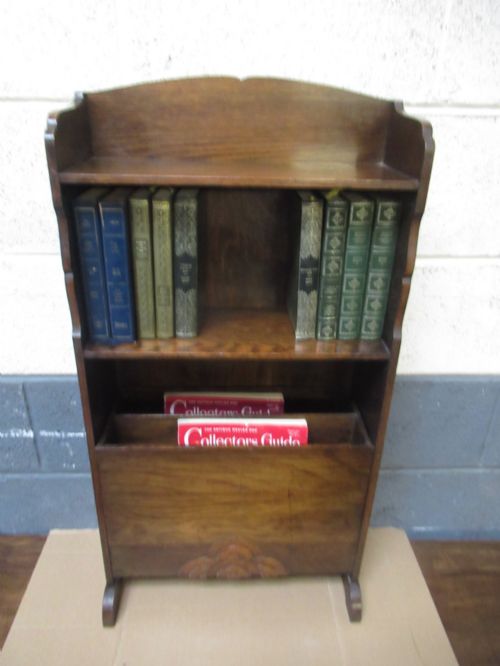
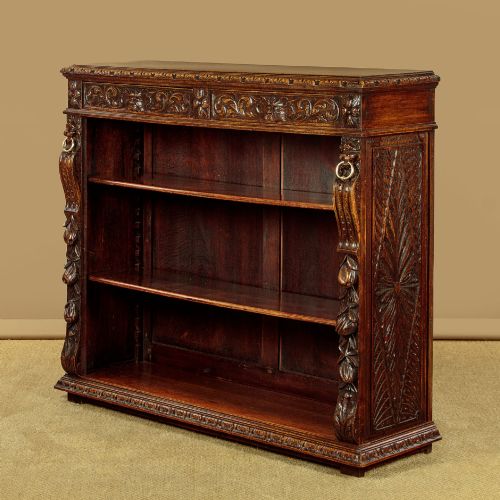
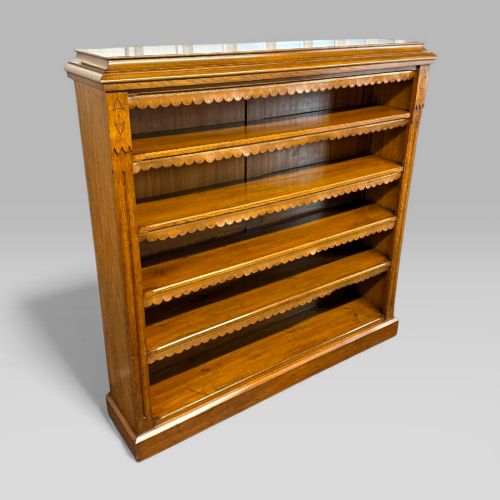
The selections encountered here often manifest as open bookcases, wall mounted racks, or decorative architectural ledges rather than simple boards. Makers utilise the durable hardwood to incorporate carved edges, panels, and brackets that reflect period tastes.
Examples frequently display stylistic influences from the Arts and Crafts movement, Gothic Revival, or Jacobean Revival traditions. Such objects bridge structural utility and decorative woodwork, suiting studies, hallways, and living rooms alike.
Materials and construction methods
Makers construct these items predominantly from solid oak, sometimes utilising tiger oak or golden oak varieties to emphasise distinct grain patterns. Brass or iron fixtures, including coat hooks and brackets, frequently accompany the timber structures.
Joinery methods rely on pegged joints, carved edges, and fitted panels rather than modern adhesives, ensuring lasting structural integrity. Workshops shape the timber using hand tools to create recessed mouldings and relief carvings suited to the domestic interior.
Carved Oak Shelf Retail Price Guide 2026
Typical asking prices for carved oak shelf among the pieces listed under this phrase on Sellingantiques today, from the lower quarter to the upper quarter. They describe what is for sale here now, not the wider market.
Listings span the nineteenth and early twentieth centuries, featuring oak, brass, and mahogany materials across wall shelves and bookcases.
Factors determining quality
The refinement of the hand carving separates standard utility items from more ambitious workshop productions. Deep relief work, clean geometric or organic motifs, and balanced proportions elevate certain pieces above plain utilitarian boards.
The selection of the timber grain itself, particularly in golden and tiger oak variants, dictates visual appeal. Intact original brass hardware and sound structural joinery further distinguish superior examples from simpler iterations.
John Moyr Smith·Bowman Brothers·Ercol
The Carved Oak Shelf Glossary
- Arts and Crafts
- A design movement prioritising traditional craftsmanship, visible construction, and simple forms. It rejected mass production in favour of honest materials.
- Tiger oak
- A quarter-sawn oak variety displaying strong medullary ray patterns resembling tiger stripes. Cabinet makers prize this timber for its decorative figure.
- Jacobean Revival
- A nineteenth century stylistic movement emulating seventeenth century English furniture. It employs heavy mouldings, panel work, and prominent carving.
- Gothic Revival
- An architectural and decorative style drawing on medieval pointed arches and structural motifs. Pieces from this tradition often feature pointed crests and tracery.
- Bracket
- A supporting member projecting from a wall to carry a shelf. These elements often incorporate structural carving or brass reinforcement.
Carved Oak Shelf: Frequently Asked Questions
What periods do these shelves date from?
The available pieces originate primarily from the Victorian, Edwardian, and early twentieth century periods, spanning from the mid nineteenth century through to the nineteen twenties.
Craftsmen working during these decades produced diverse forms reflecting historical revivals and the Arts and Crafts movement.
How were these shelves used originally?
Households mounted these wooden ledges on walls to hold books, display plates, or support everyday objects in reception rooms and hallways.
Many incorporated brass hooks beneath the timber surface to function simultaneously as cloak racks or utility hanging spaces.
What woods besides oak appear on this page?
While solid oak forms the primary structural material, certain related items incorporate mahogany, ebonised timber, and ceramic elements.
Metal components in brass and iron frequently appear as structural brackets, hinges, and hanging hooks.
How do I identify Arts and Crafts examples?
Arts and Crafts pieces emphasise honest timber construction, visible pegging, and restrained organic carving rather than excessive ornamentation.
They often display the distinct grain of golden oak and align with the design philosophies prevalent around nineteen hundred.