
Carved Oak Press
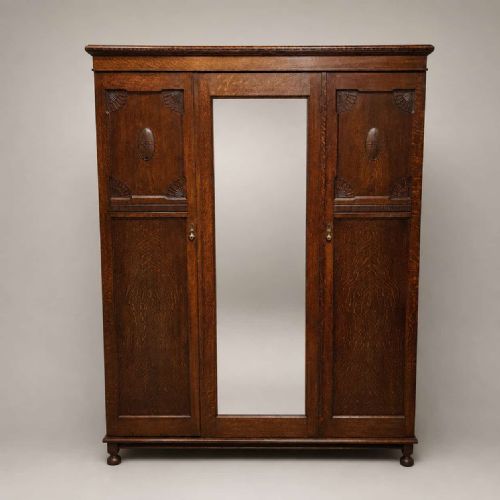
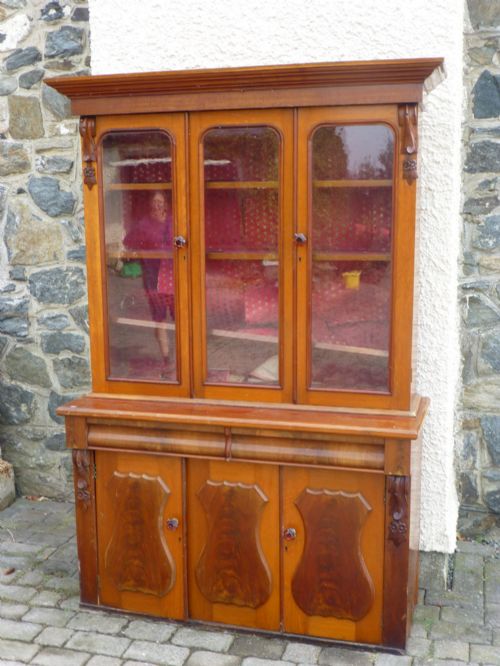
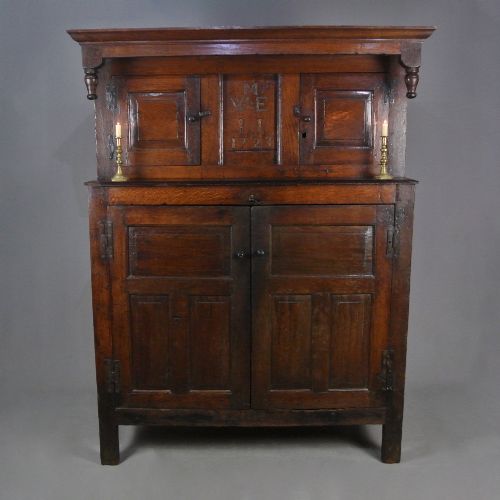
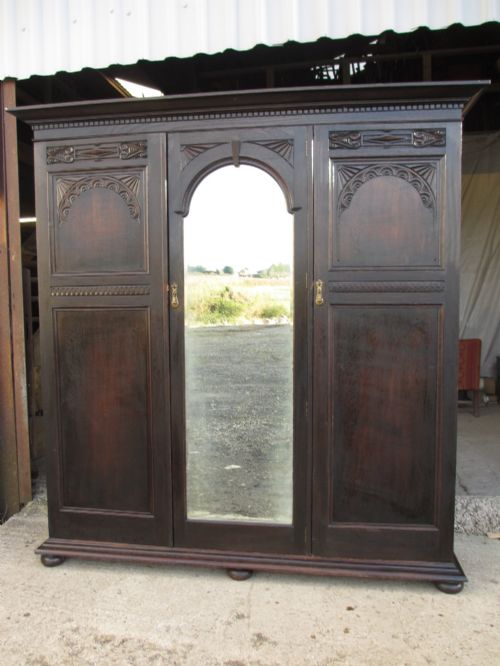
When you search for a carved oak press, you seek substantial timber storage pieces spanning centuries of regional cabinet-making.
Carved Oak Press
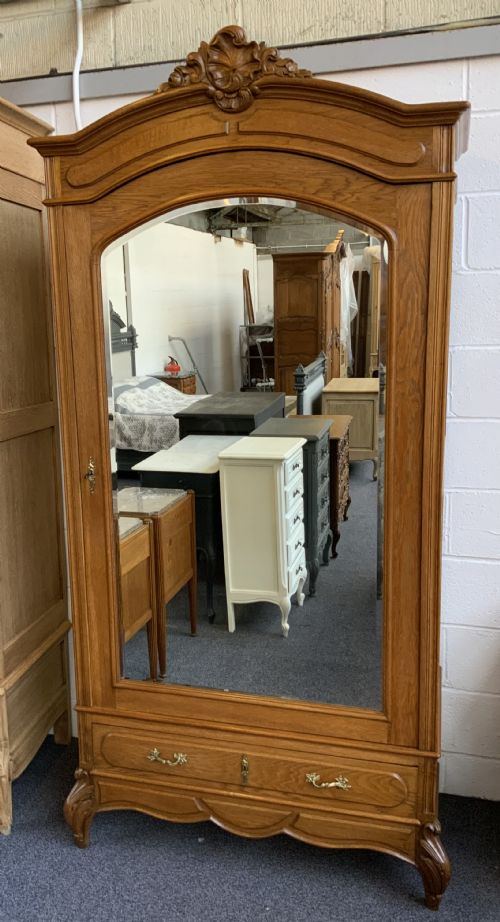
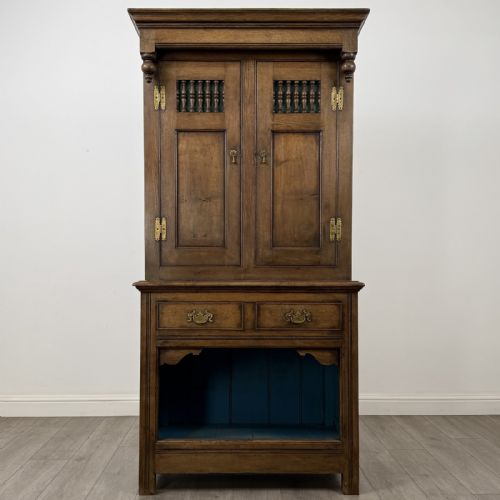
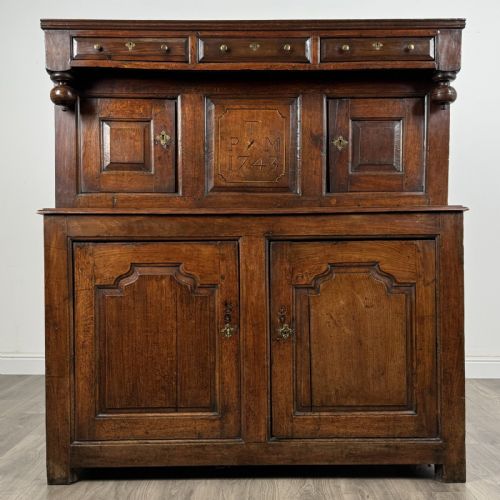
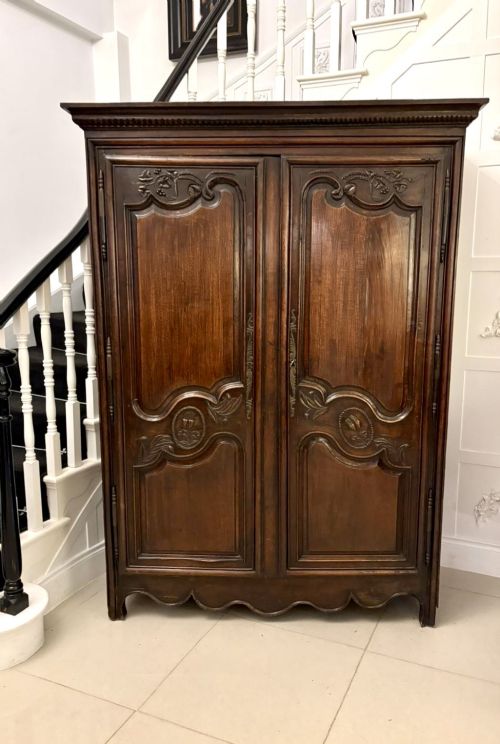
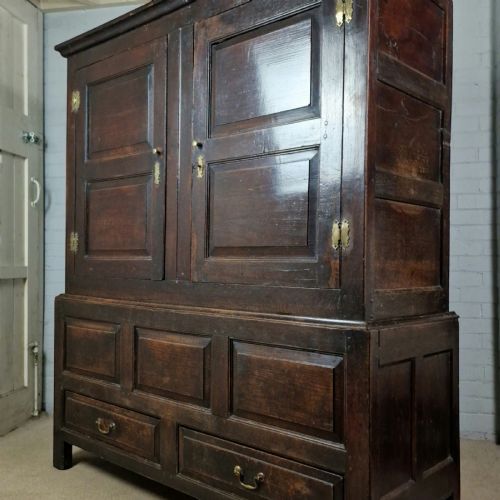
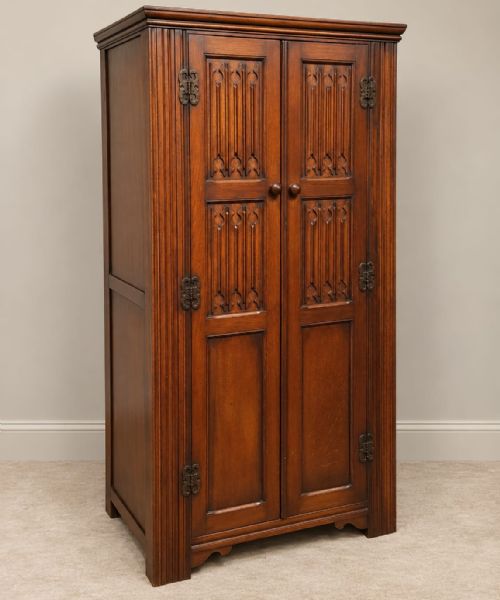
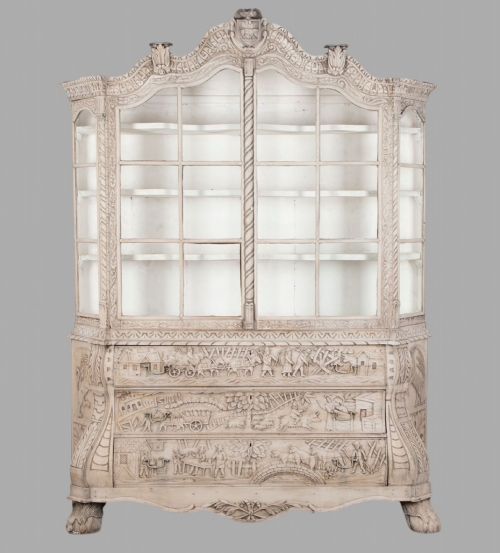
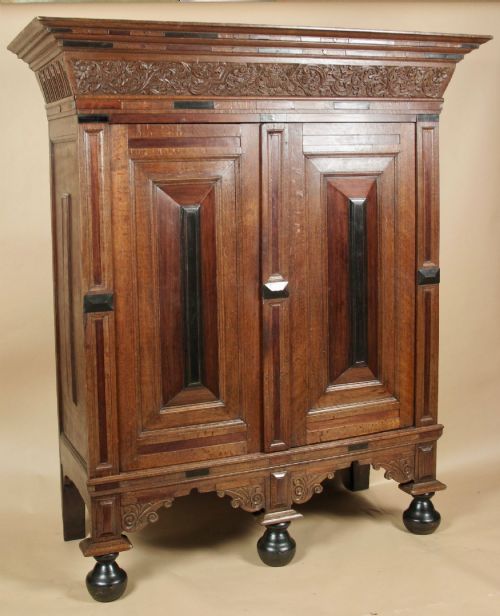
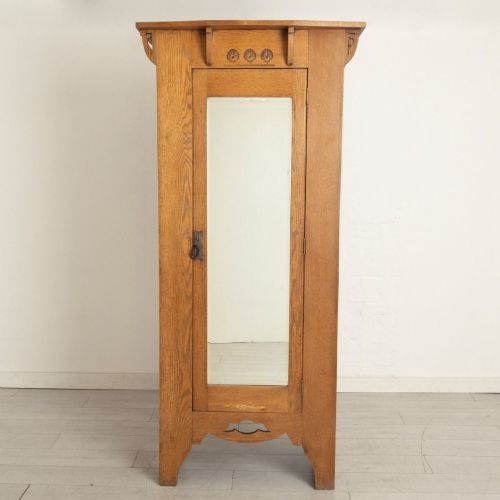
A carved oak press encompasses heavy storage furniture designed for textiles, provisions and household goods, taking forms such as court cupboards, linen presses, armoires and tridarns. These sturdy items originate from diverse domestic traditions across Britain and continental Europe.
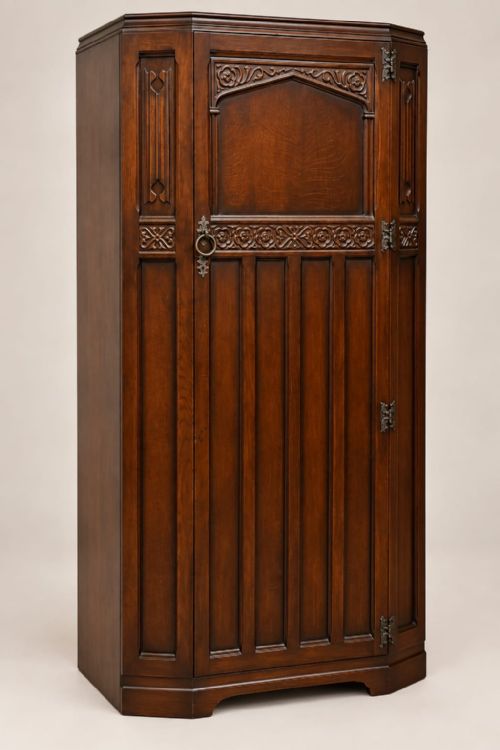
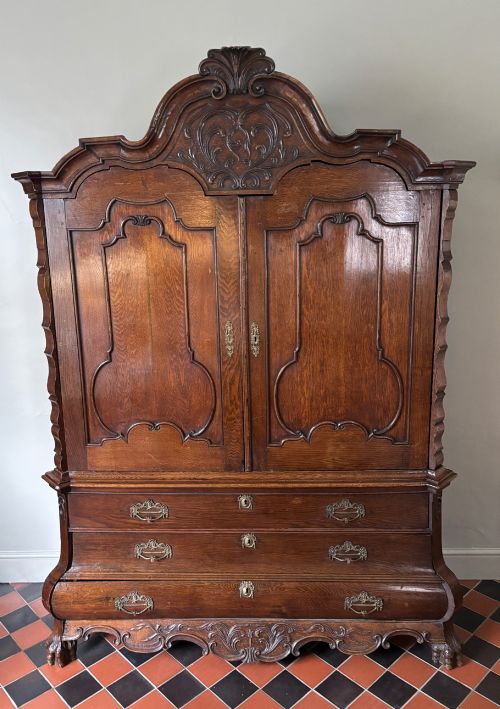
The selection here draws heavily from seventeenth-century vernacular origins through to later revival interpretations and twentieth-century wardrobes. Buyers encounter regional specialities like Welsh deuddarns and Dutch linen presses alongside French armoires and English court cupboards.
How they were made
Master joiners constructed these sturdy frames predominantly from solid oak, sometimes integrating secondary timbers such as walnut, fruitwood, rosewood, ebony or mahogany. Iron, brass and wrought iron provided structural hinges, handles and locking mechanisms.
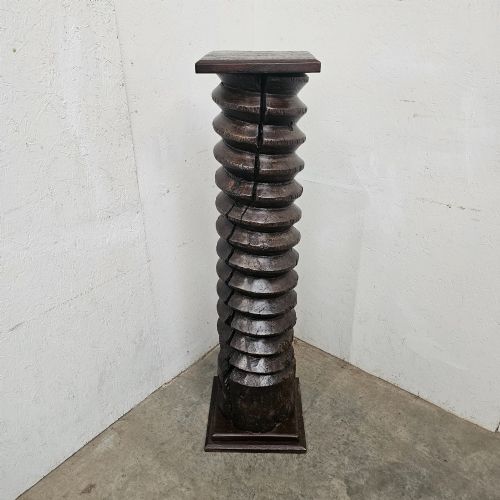
Carving techniques brought surface decoration to life through relief work, pillar panels and geometric motifs, occasionally finished with paint or polish. Iron screw threads also appear in specialised mechanical presses utilised for wine making.
Listings feature oak alongside walnut, glass, paint and wrought iron across seventeenth-century to twentieth-century periods.
What varies in quality
The distinction between ordinary utility items and superior examples lies in the depth and crispness of the hand carving, the preservation of original timber surfaces and the integrity of regional structural joints. Untouched historic condition with authentic patination commands greater appreciation than heavily restored timber.
Proportion and architectural balance set exceptional cabinet work apart from standard vernacular production. The harmony between panels, doors and cornices determines the visual presence of each cupboard.
The Carved Oak Press Glossary
- Court cupboard
- A traditional English or Welsh two-tier storage piece used for displaying plate and storing food or textiles. These structures date predominantly from the seventeenth and eighteenth centuries.
- Tridarn
- A distinctive three-tiered Welsh cupboard featuring an open middle section and enclosed top and bottom compartments. This form provided substantial storage capacity for rural households.
- Armoire
- A large standing wardrobe or cupboard originating in continental Europe. These pieces often feature single or double doors enclosing deep hanging or shelving space.
- Linen press
- A tall storage unit designed specifically for folding and housing textiles. The upper section typically holds sliding trays while the lower portion contains drawers.
- Deuddarn
- A traditional two-section Welsh cupboard predating the tridarn. It generally incorporates panelled doors and carved detailing specific to its rural origin.
Carved Oak Press: Frequently Asked Questions
What is a carved oak press?
A carved oak press is a heavy wooden storage furniture piece utilised for organising household goods, garments or provisions. These items encompass regional cupboard forms decorated with carved panels and mouldings.
Originating across British and European workshops, they span centuries of domestic cabinet-making traditions from the seventeenth century onward.
How were these cupboards used historically?
Households utilised these substantial pieces for storing family linens, woollens, food supplies and precious tableware. Different regional tiers allowed for both secure locking storage and the display of domestic wealth.
In rural communities, they formed the central storage fixture of the home, remaining in daily use across generations.
How do I care for antique oak furniture?
Protect antique oak surfaces by maintaining stable room temperatures away from direct heat sources and strong sunlight. This prevents timber from drying out or splitting.
Apply occasional microcrystalline wax to nourish the grain and preserve the historic patina without sealing the wood.
How can I tell the period of a cupboard?
Dating relies on examining construction methods, tool marks, joint types and stylistic motifs specific to eras like the seventeenth century or Georgian period. Pegged joints and hand-riven timber indicate earlier vernacular manufacture.
Hardware styles, secondary woods and regional design characteristics further help narrow down the date of origin.