


Carved Oak Leather Chairs
These carved oak leather chairs bring heavy period character and robust construction to a room, offering sturdy seating with deep historical resonance.
Carved Oak Leather Chairs
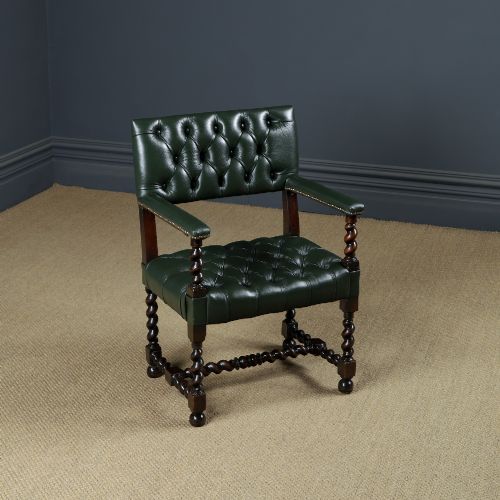
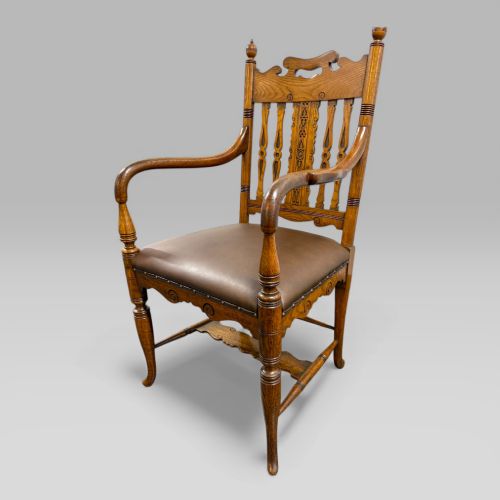
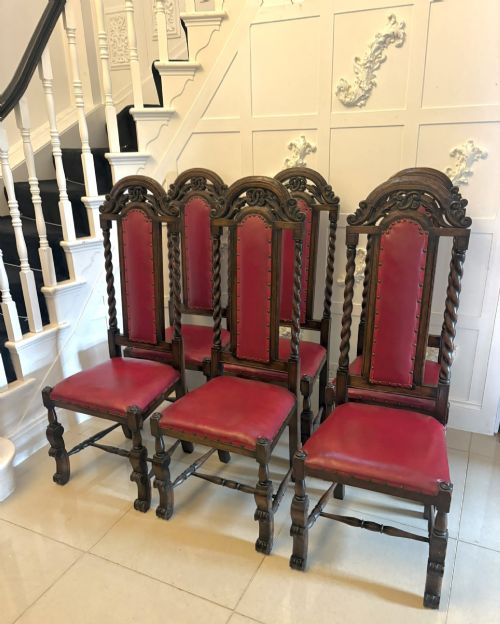
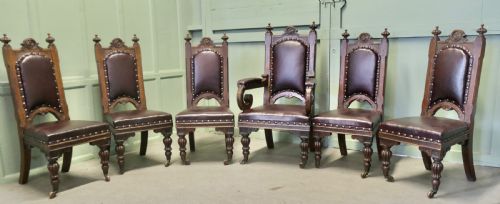
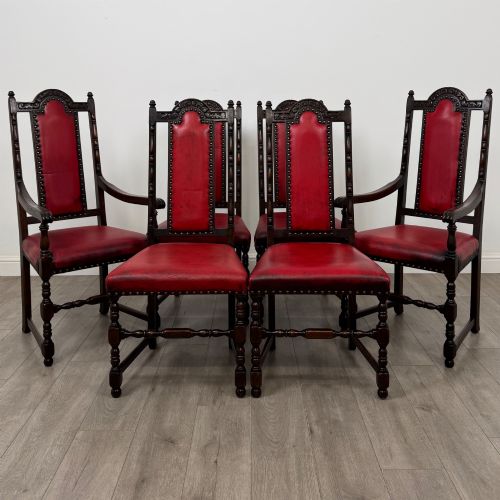
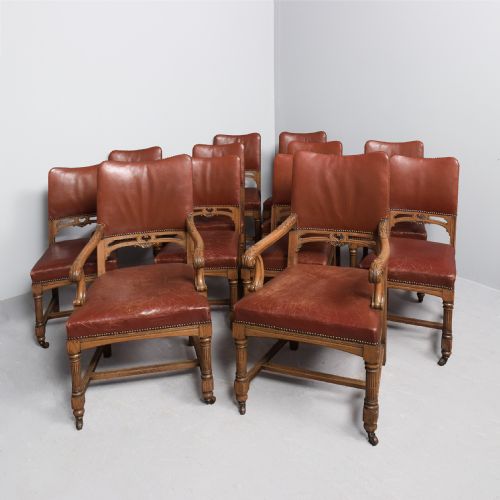
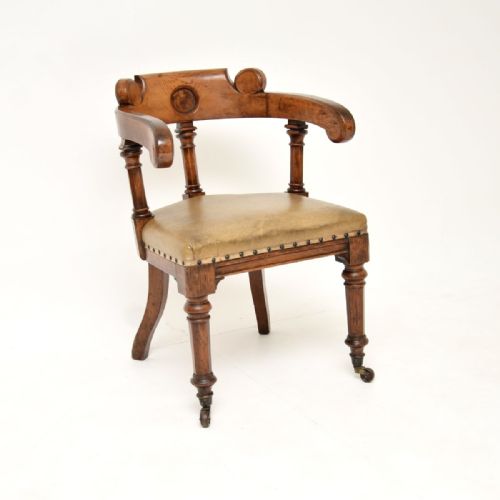
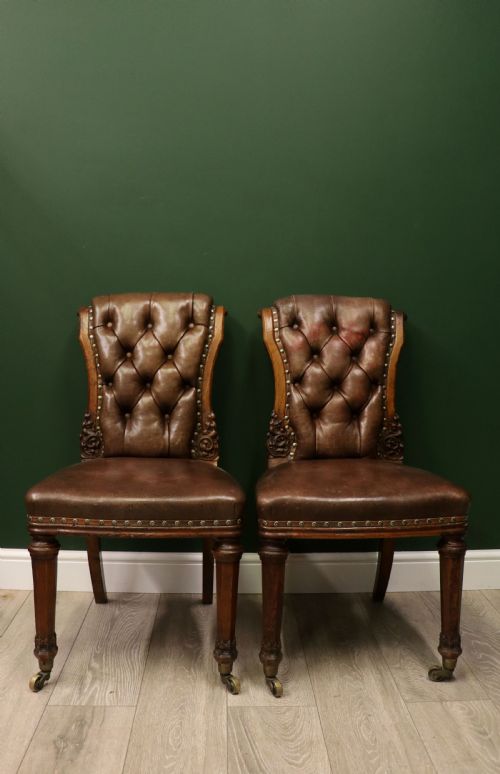
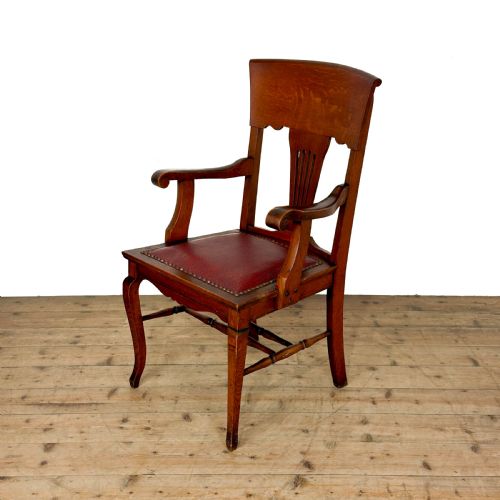
When searching for carved oak leather chairs, buyers encounter sturdy seating solutions spanning the Victorian era through the Edwardian period and into the early twentieth century. The selection typically comprises dining suites, library armchairs, and desk chairs that pair dense timber frames with hide upholstery.
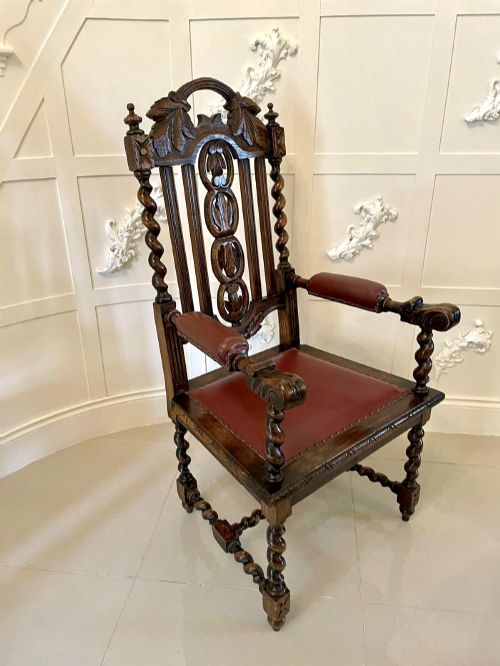
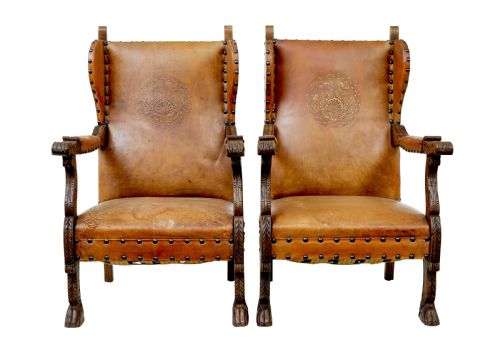
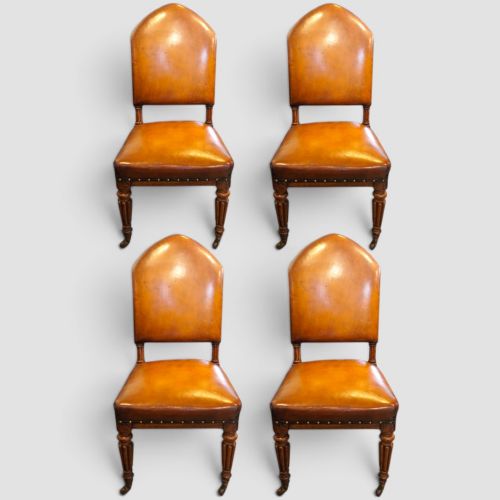
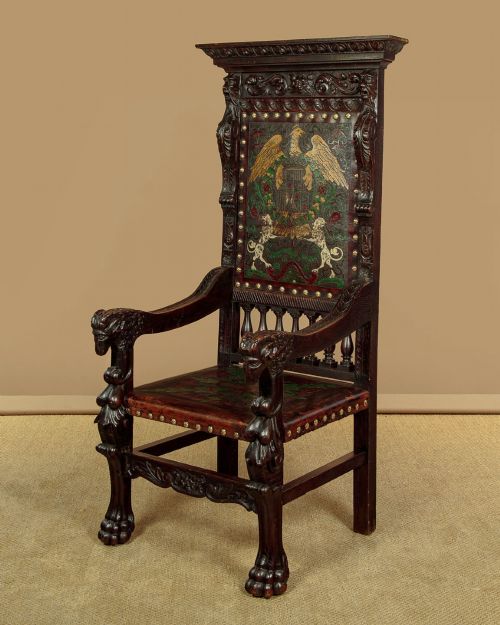
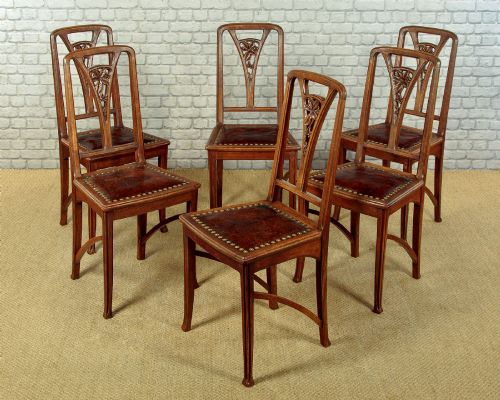
The most common examples on this page are nineteenth-century dining chairs and pairs of armchairs showing Gothic Revival, Jacobean, or Renaissance stylistic influences. These pieces range from simple side chairs with inset leather seats to high-backed throne chairs featuring elaborate relief work.
What varies in quality
The distinction between standard commercial seating and exceptional library or boardroom pieces rests on the depth and crispness of the carved ornamentation. Superior examples display sharply defined motifs executed by skilled hands rather than shallow, mechanical stamping.
Grade is further determined by the weight and selection of the timber, the integrity of the frame joints, and the thickness of the leather used for the upholstery. Original hide surfaces with appropriate patination command greater attention than later replacement covers.
Carved Oak Leather Chairs Retail Price Guide 2026
Typical asking prices for carved oak leather chairs among the pieces listed under this phrase on Sellingantiques today, from the lower quarter to the upper quarter. They describe what is for sale here now, not the wider market.
Several listings include historic desk chairs designed specifically for nineteenth-century ships and cockfighting rings.
Gillows·Bruce James Talbert·S&H Jewell·A W N Pugin·Heals of London
The Carved Oak Leather Chairs Glossary
- Gothic Revival
- A nineteenth-century design movement drawing inspiration from medieval architecture, featuring pointed arches, tracery, and heavy carved woodwork.
- Jacobean Revival
- A style emulating seventeenth-century English furniture production, characterised by straight lines, geometric paneling, and heavy turned legs.
- Caned
- Woven rattan or split reed material utilised for seat panels or backing beneath loose cushions or leather pads.
- Bergère
- An enclosed upholstered armchair with wooden framing exposed around the sides and back.
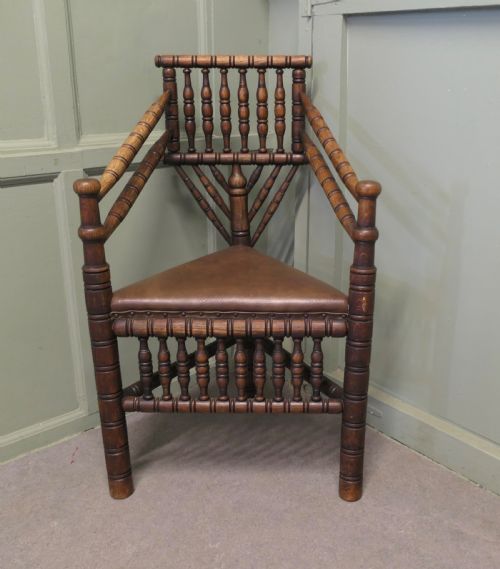
- Turners Chair
- A traditional tripartite chair constructed from cylindrical turned wooden spindles and rails.
Carved Oak Leather Chairs: Frequently Asked Questions
How do I date these chairs?
Dating relies on observing structural characteristics, timber patination, and stylistic markers tied to specific revival periods. Victorian and Edwardian examples often feature machine assistance alongside hand-finishing.
Examination of the underside, joining methods, and upholstery tack types provides further clues to the decade of manufacture. Comparing the decorative motifs against documented pattern books helps confirm the precise era.
Are these chairs comfortable for daily use?
Most period examples offer a firm seat due to traditional webbing and horsehair stuffing methods beneath the leather. High-backed variants provide substantial lumbar support for dining or desk work.
Library armchairs and wingbacks generally feature deeper proportions suitable for extended periods of reading or relaxation. Adding a discreet cushion can adjust the seat height and softness to modern preferences.
How should I care for the leather?
Maintain the hide by applying appropriate leather balms or conservation waxes to prevent drying and cracking over time. Avoid placing the furniture near direct heat sources or strong sunlight.
Regular dusting with a dry, soft cloth prevents particulate matter from settling into the grain and embossed details. Professional intervention should be sought if structural tears or severe surface degradation occur.
Can I mix these with modern tables?
The strong visual presence of carved timber allows these pieces to anchor contemporary dining or office setups effectively. Contrast creates a striking interior dynamic when paired with clean-lined glass or metal surfaces.
Scale is the primary consideration when combining antique seating with modern furniture architecture. Ensuring the seat height matches the table apron prevents ergonomic issues.