

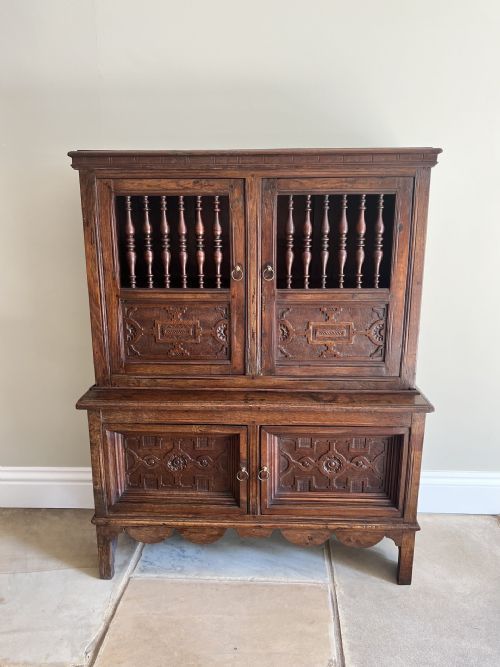
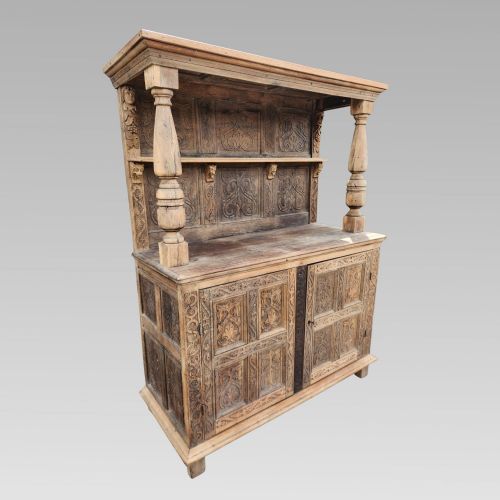


Carved Oak Kitchen Cabinet
A carved oak kitchen cabinet provides sturdy storage and display, bringing substantial timber storage and traditional character into the domestic heart of a home.
Carved Oak Kitchen Cabinet
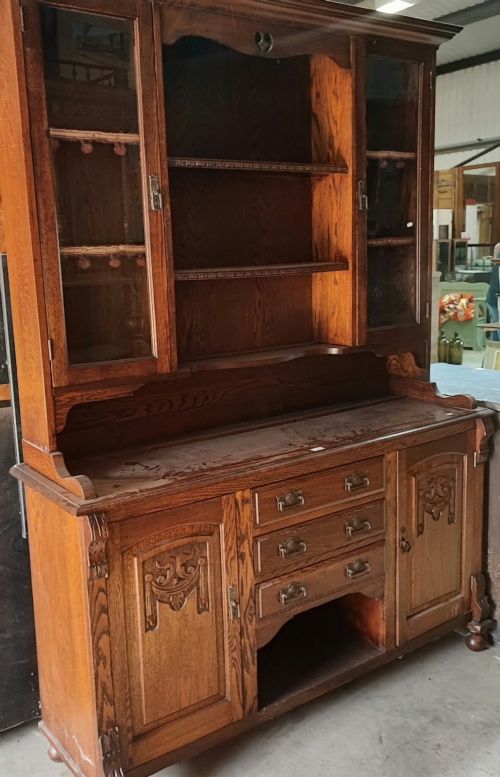
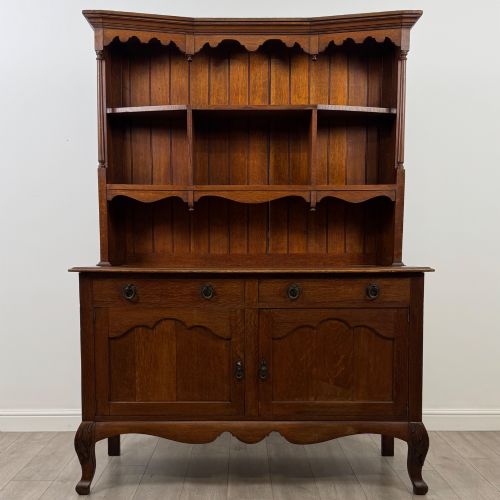
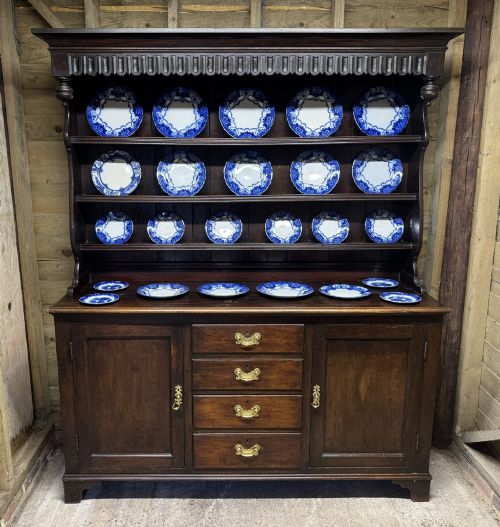
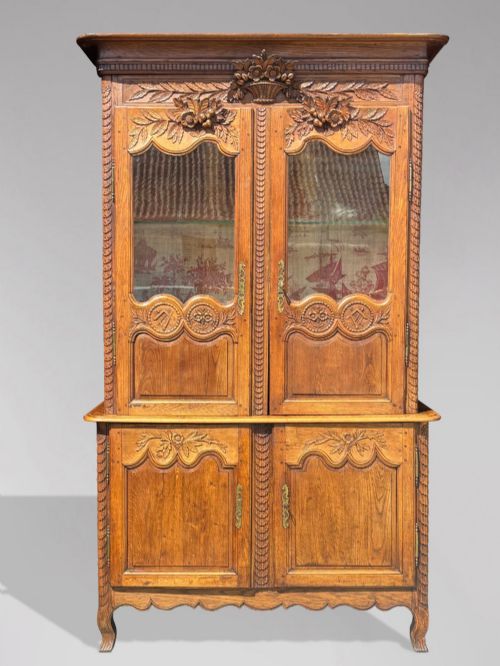
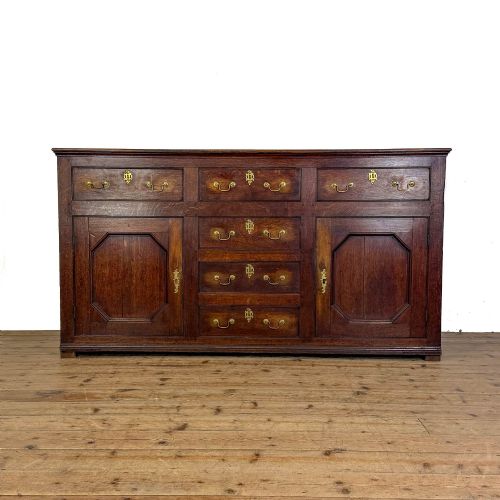
A carved oak kitchen cabinet encompasses robust storage forms including dressers, housekeeper's cupboards, and buffet de corps units designed for domestic utility. Buyers searching for a carved oak kitchen cabinet frequently encounter 18th-century country pieces and 19th-century Welsh or French provincial examples equipped with plate racks and panelled doors.
The regional variations range from Georgian country dressers to Jacobean revival styles and Arts and Crafts side cabinets. Pieces span the 18th century through to the early 20th century, reflecting long traditions of regional carpentry and utilitarian domestic design.
Proportion and joinery
Quality rests on the integrity of the timber selection and the precision of the joinery, distinguishing utilitarian workshop pieces from finer regional cabinet work. Well-proportioned cornices, balanced panel placement, and original hardware elevate a piece above standard utility items.
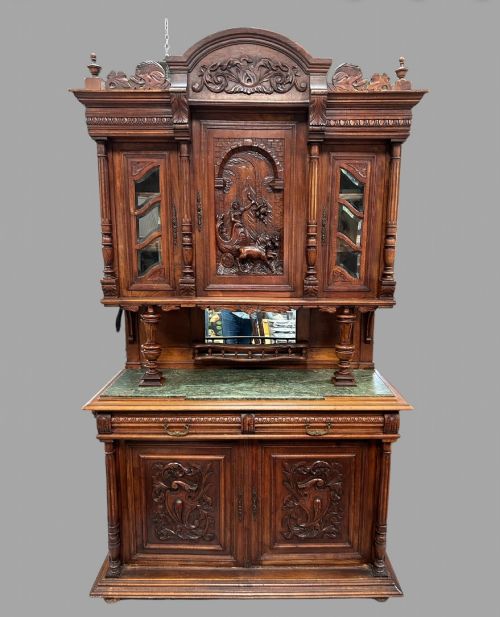
The depth and crispness of the carving distinguish superior examples, particularly on Jacobean style revivals and provincial buffets where decorative detail defines the facade. Originality of components, such as intact plate racks and matching upper and lower sections, determines the integrity of larger multi-part cupboards.
Some late Victorian oak cupboards hide fierce Green Man carvings amongst the foliage, watching silently over your morning toast.
Heals of London
The Carved Oak Kitchen Cabinet Glossary
- Buffet deux corps
- A large two-section storage cabinet or cupboard, typically featuring enclosed lower doors beneath an upper display or storage compartment.
- Welsh dresser
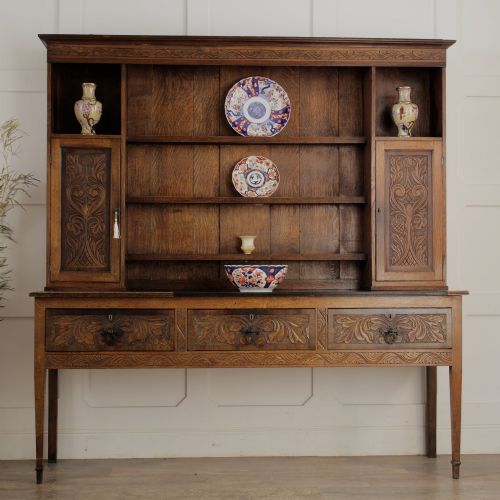
- A traditional kitchen storage unit combining a base of drawers and cupboards with an open wooden plate rack mounted on top.
- Housekeeper's cupboard
- A large tall storage cupboard traditionally used for linens, dry goods, and kitchen provisions in large country houses.
- Breakfront
- A cabinet design where the central section projects forward from the flanking sections, creating architectural rhythm across the front.
- Green Man
- A decorative architectural carving depicting a human face emerging from or entwined with foliage, often found on revival furniture.
Carved Oak Kitchen Cabinet: Frequently Asked Questions
How do I clean a carved oak cabinet?
Maintain the timber surfaces by dusting regularly with a soft dry cloth and applying natural beeswax sparingly to nourish the oak grain. Avoid modern liquid polishes or placing the cupboard near direct heat sources that might dry out the wood.
Keep the interior clean with simple ventilation and gentle wiping, ensuring brass and iron hardware remains free from excessive moisture to prevent tarnishing.
Are these cabinets suitable for modern kitchens?
These robust storage pieces integrate well into contemporary spaces, offering generous capacity for tableware, dry goods, and everyday kitchen equipment. Their natural timber tones and traditional proportions complement both rustic and modern interior schemes.
Ensure you measure ceiling heights and floor space carefully before placement, as many two-part dressers and housekeeper's cupboards possess substantial vertical and lateral dimensions.
How do I distinguish 18th-century from Victorian oak?
Eighteenth-century country pieces generally exhibit hand-sawn timber marks, pegged joints, and simpler patination built up through generations of domestic use. Victorian and revival pieces often display machine-assisted precision, heavier applied mouldings, and more exuberant carved motifs.
Examine the backboards and drawer construction for clues, as older pieces use wider planks and hand-cut dovetails compared to later standardised manufacturing methods.
What is the difference between a dresser and a cupboard?
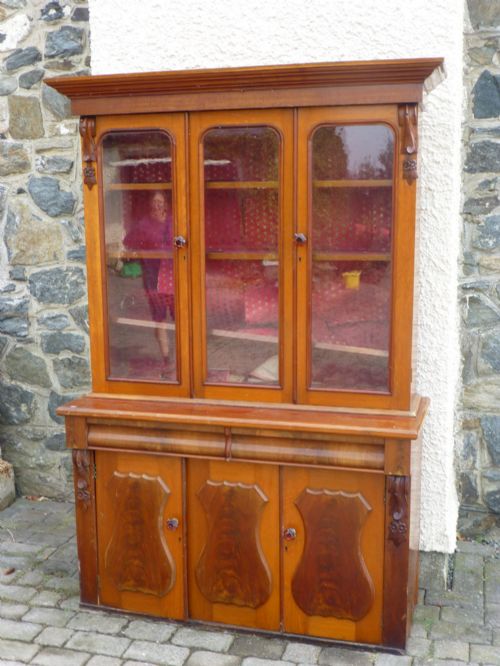
A dresser typically incorporates an open plate rack or display shelving positioned above a base section composed of drawers and lower cupboards. A cupboard focuses primarily on enclosed vertical storage behind solid or glazed doors.
Both forms served central roles in historical kitchens and dining spaces, with dressers prioritising tableware display and cupboards securing provisions or linens.