
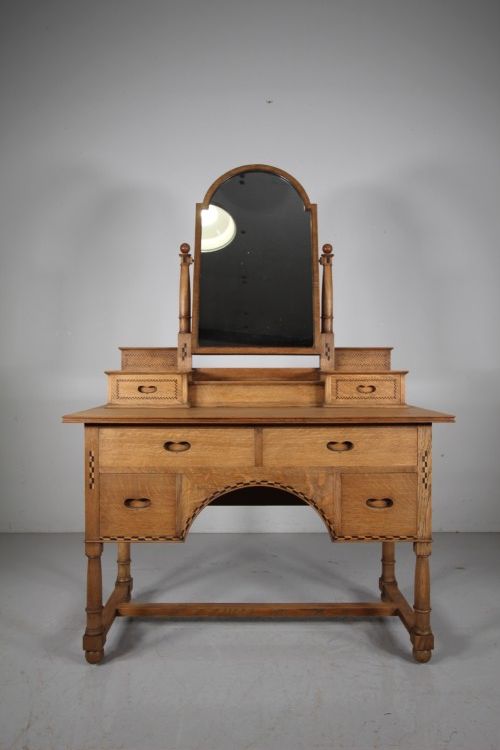
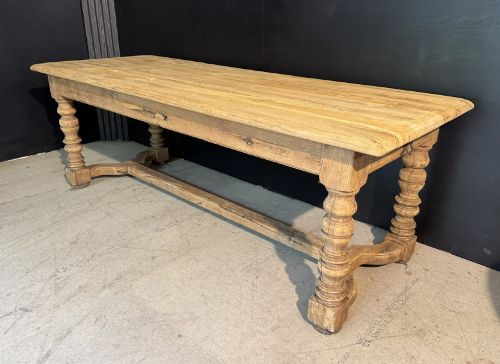
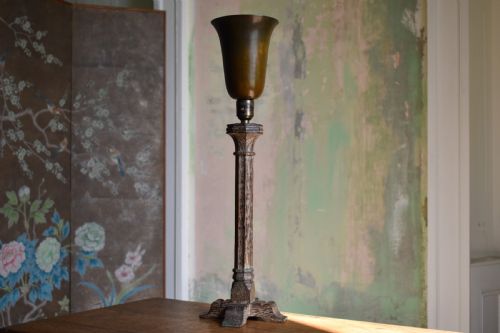
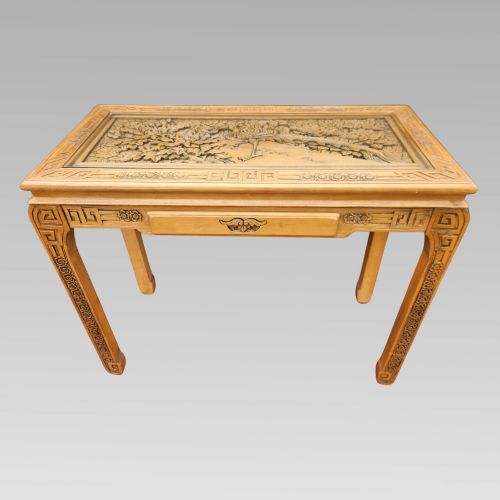
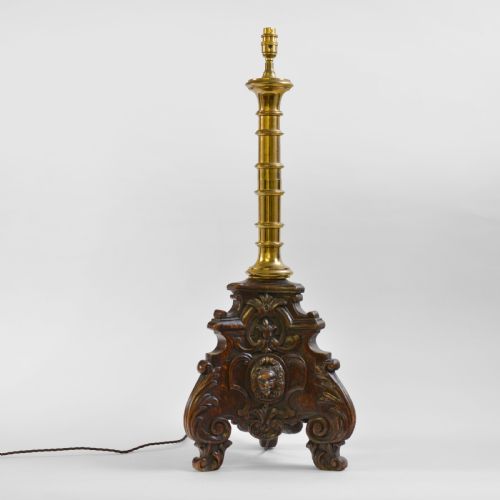


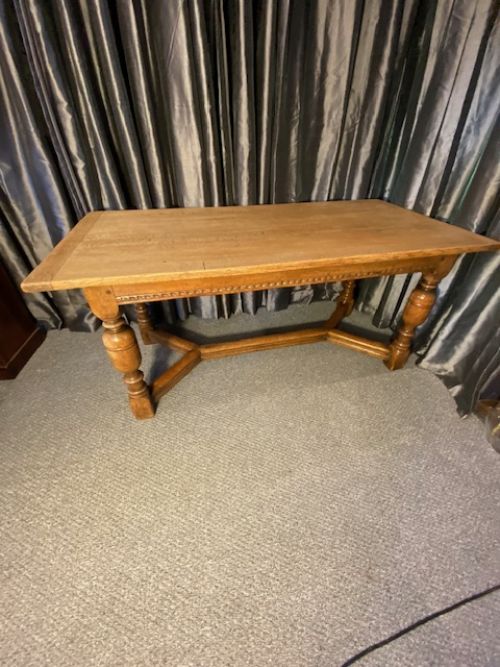


Carved Oak Desk Light
These carved oak desk light pieces bring rich timber texture and period character to a workspace.
Carved Oak Desk Light
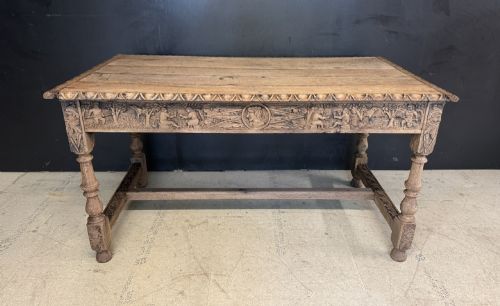
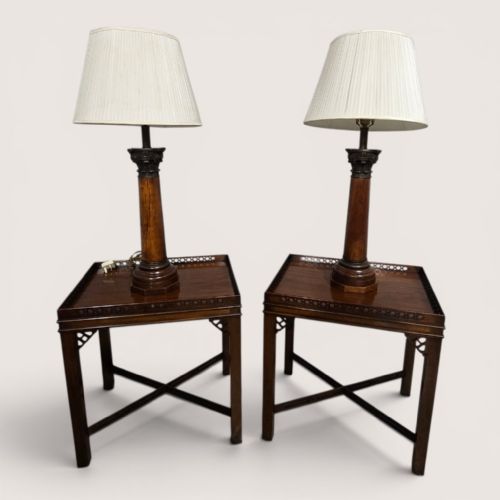
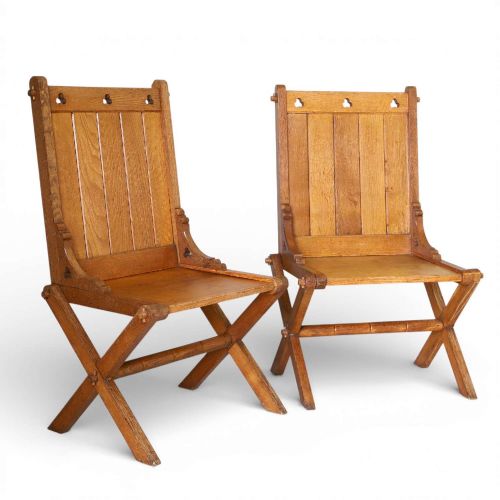
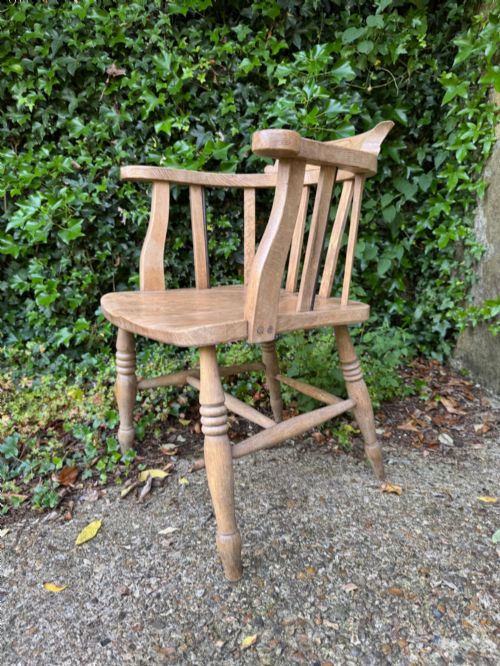
When searching for a carved oak desk light, you look at items that combine structural timber work with lighting elements from various historical periods. The examples found here span from the seventeenth century through to the twentieth century, encompassing styles such as Gothic Revival and Arts and Crafts.
You are most likely to meet table lamps and larger lighting fixtures fashioned from solid oak, sometimes paired with brass fittings or glass components. These pieces often feature detailed carving work that reflects the aesthetic movements of their respective decades.
How they were made
The construction of a carved oak desk light relies on dense hardwoods shaped by hand chiselling and joinery techniques typical of each era. Artisans utilised solid oak and occasionally applied limed or bleached finishes to alter the tone of the timber.
Metal elements such as brass or iron often accompany the woodwork to form the structural supports or lamp holders. These materials are combined to ensure stability while highlighting the natural grain of the oak.
Listings feature oak material paired with brass, glass, and iron across periods spanning the seventeenth to the twentieth century.
What varies in quality
The standard of a carved oak desk light depends on the depth and crispness of the hand carving executed in the timber. Pieces displaying sharp relief work and well-preserved joinery sit higher in the range than those with worn or soft details.
The selection of the oak itself, along with the integration of complementary materials like brass or glass, dictates the overall refinement of the object. Consideration is given to how cleanly the timber has been seasoned and finished over time.
The Carved Oak Desk Light Glossary
- Oak
- A durable hardwood native to temperate regions, widely utilised for centuries in furniture and lighting construction. It possesses a prominent grain pattern that accepts various finishes well.
- Gothic Revival
- An architectural and decorative style drawing inspiration from medieval forms, featuring pointed arches and trefoil details. This aesthetic appears frequently on nineteenth-century carved wooden pieces.
- Arts and Crafts
- A design movement prioritising traditional craftsmanship and simple forms over mass production. Objects from this tradition display visible hand-working and honest material use.
- Limed oak
- A wood treatment involving the application of a white pigment into the open pores of the timber. This technique creates a pale, frosted appearance that highlights the grain.
Carved Oak Desk Light: Frequently Asked Questions
How do I date a carved oak desk light?
Dating relies on observing the specific carving styles, construction methods, and joinery present in the oak timber. Stylistic clues such as Gothic Revival motifs or Arts and Crafts simplicity point directly to particular decades.
Comparison with documented examples from the nineteenth and twentieth centuries helps narrow down the period of manufacture. Hardware components like brass fittings also offer chronological markers.
What maintenance does solid oak require?
Solid oak benefits from occasional dusting with a dry, soft cloth to prevent the accumulation of dirt within the carved recesses. Avoiding direct sunlight and excessive heat sources protects the timber from drying out.
Applying a suitable wax polish periodically helps nourish the wood and maintain its natural lustre. Care should be taken around any integrated electrical components.
Where should I place a desk light?
These lamps suit traditional studies, libraries, or workspaces where wooden furniture predominates. Placing them on a solid oak desk or side table creates a cohesive material dialogue.
Ensure the surface is stable enough to support the weight of the timber and any associated metalwork. Adequate clearance allows the carved details to catch the surrounding light.
Are these pieces electrically updated?
Many older lighting fixtures undergo rewiring to meet modern safety standards while retaining their historic exterior appearance. It is prudent to have any vintage lamp inspected by a qualified professional before daily use.
Original brass lamp holders and switches are sometimes preserved alongside modern internal wiring. This approach balances period authenticity with contemporary domestic requirements.