

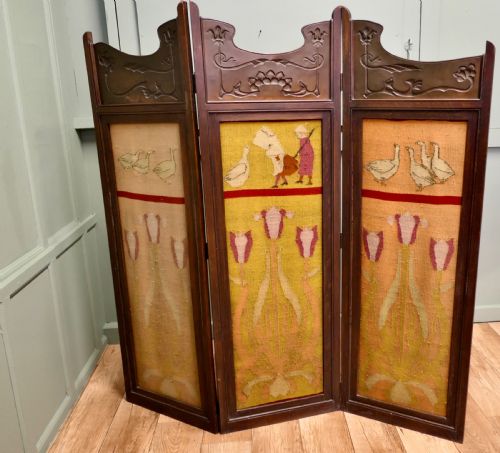
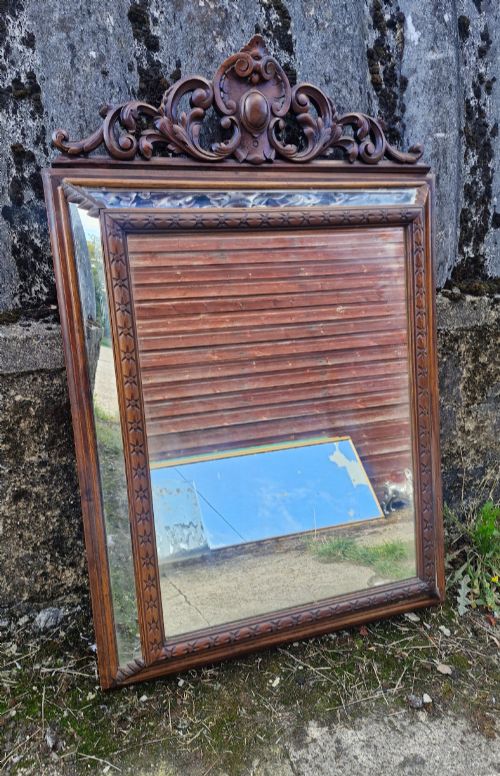
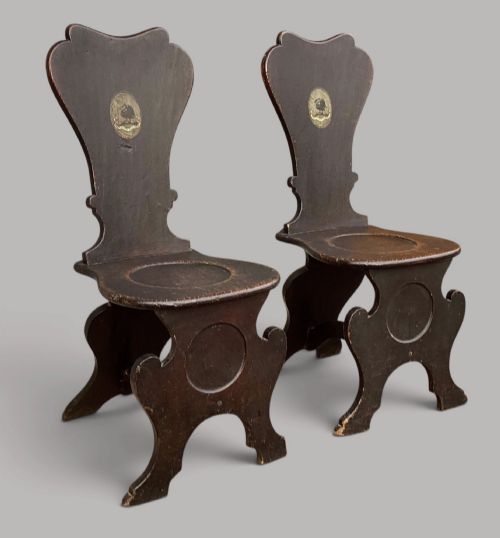
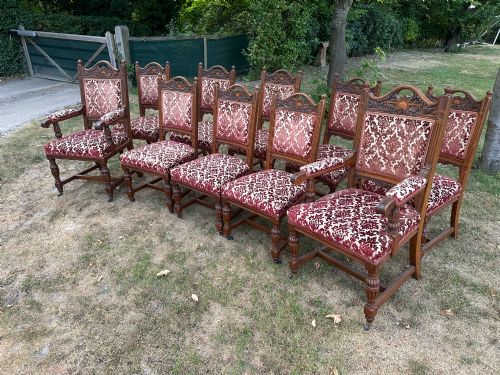
Carved Oak Cresting
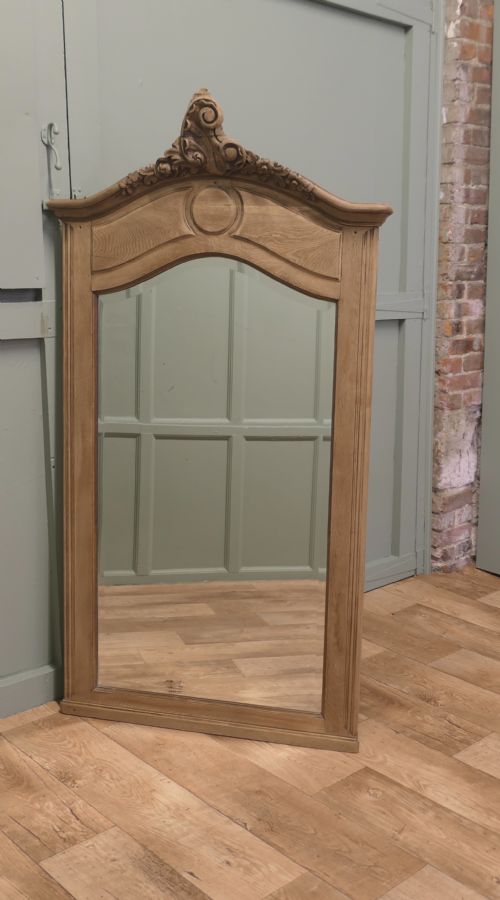
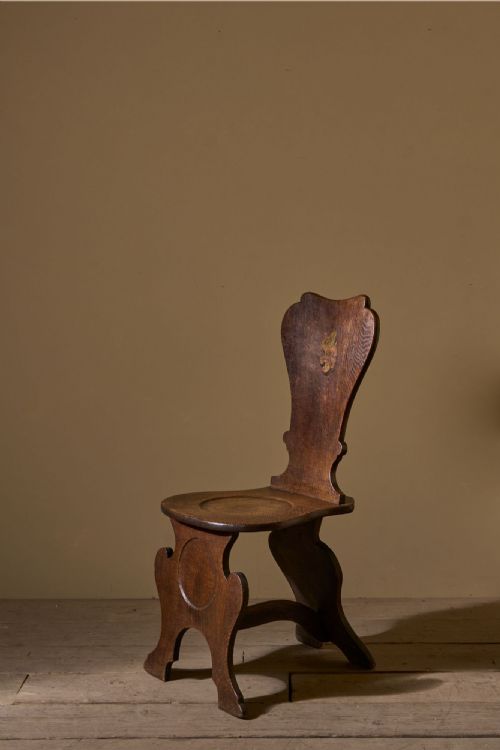
Carved oak cresting brings heavy timber ornamentation to architectural salvaged panels, mirrors, and seating.
Carved Oak Cresting
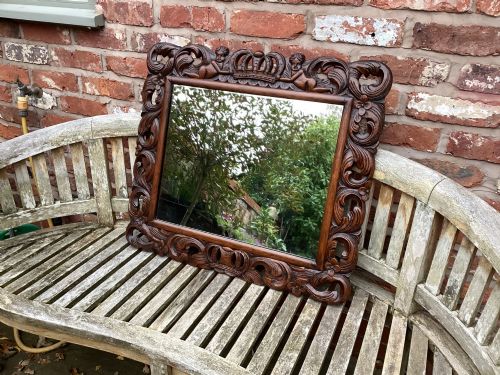
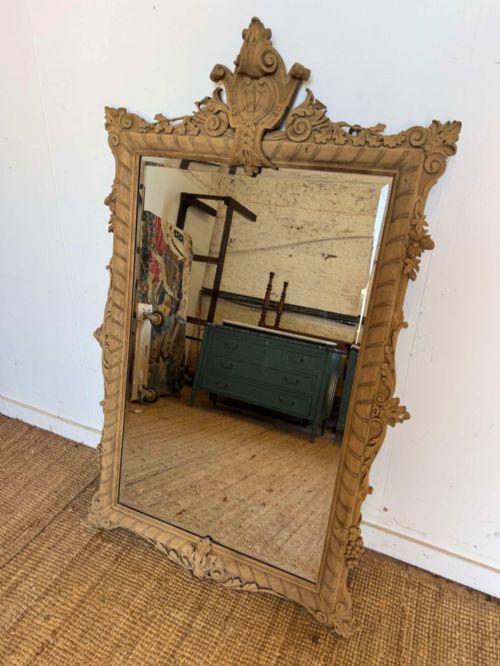
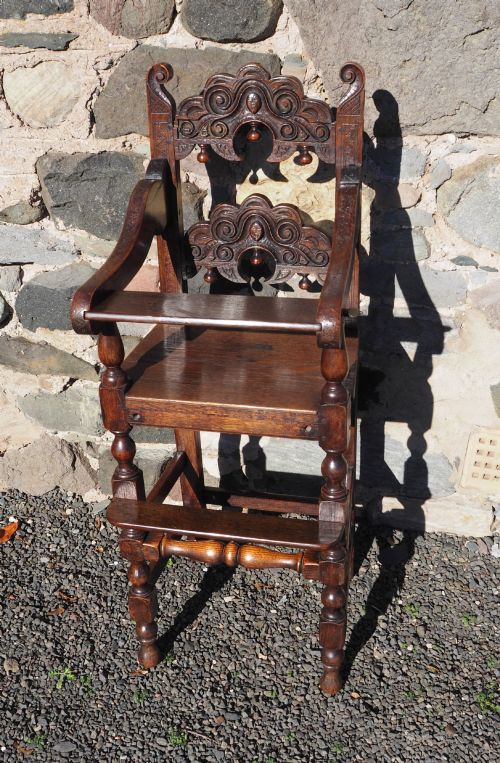
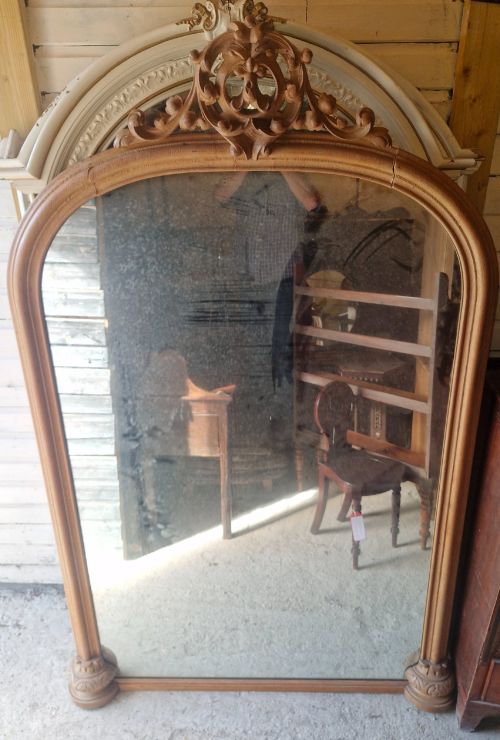
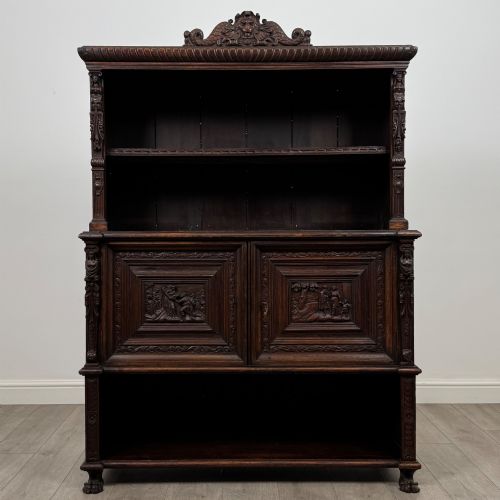
Carved oak cresting forms the decorative wooden top pieces and pediments found on mirrors, cupboards, and architectural salvage. These elements provide a distinct architectural silhouette to otherwise plain timber items.
The pieces appearing on this page span from the seventeenth century through to the twentieth century, encompassing revival styles like Jacobean, Gothic, and Victorian.
Buyers will encounter these decorative forms integrated into larger wooden furnishings or offered as standalone salvaged architectural fragments.
Materials and construction
Makers utilised solid oak timber for these decorative elements, often combining hand carving with joined construction techniques. The wood grain provides structural integrity alongside the ornamental surface relief.
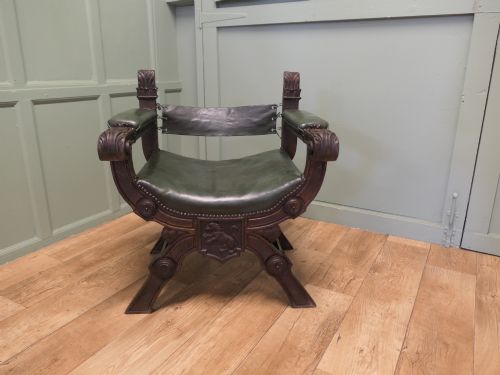
Secondary materials such as brass, glass, leather, and painted details appear alongside the primary oak framework in mirrors and folding screens.
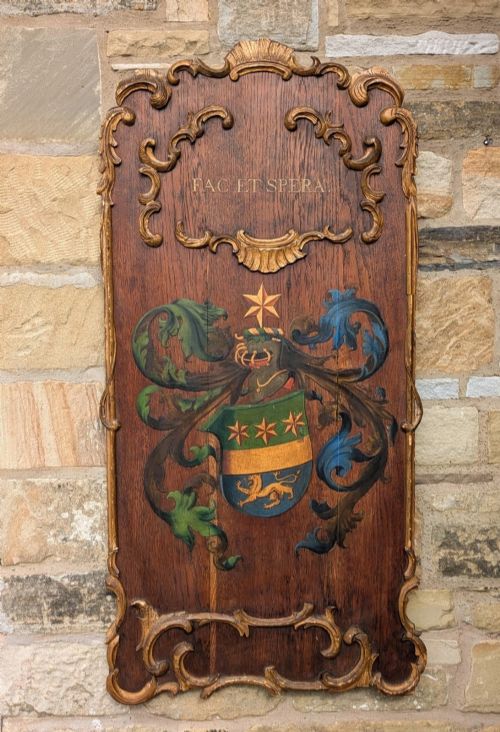
Surface treatments range from bleached finishes to traditional polish, highlighting the depth of the carved foliage and heraldic motifs.
Carved Oak Cresting Retail Price Guide 2026
Typical asking prices for carved oak cresting among the pieces listed under this phrase on Sellingantiques today, from the lower quarter to the upper quarter. They describe what is for sale here now, not the wider market.
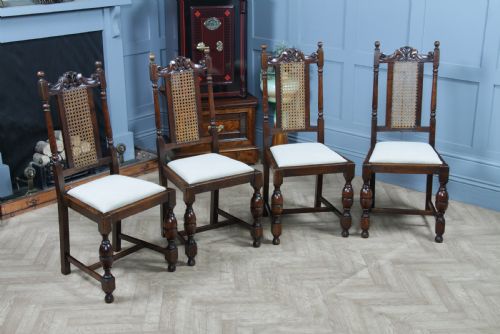
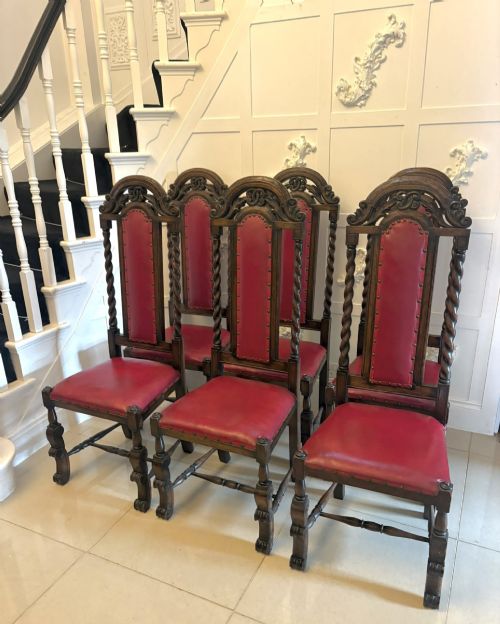
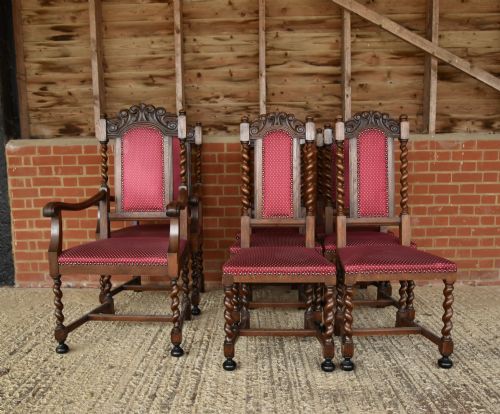
Listings feature oak material across multiple centuries, spanning seventeenth-century wainscot chairs to twentieth-century Edwardian dining seats.
Assessing quality and execution
The depth and crispness of the chisel work distinguish superior examples from simpler production, particularly where foliage, figures, or armorial shields are rendered. Sharp relief and well-defined edges demonstrate superior hand-carving skill.
The integrity of the timber joints and the preservation of the original surface patina determine the long-term character of each piece. Later replacements or heavy restoration alter the visual balance of the original design.
The Carved Oak Cresting Glossary
- Cresting
- The decorative carved top member of a mirror, chair back, or architectural element. It provides a finished, ornamental silhouette.
- Pediment
- An architectural gable or decorative cap placed above doors, cupboards, or mirrors. These elements often incorporate carved wooden details.
- Wainscot chair
- An early wooden armchair constructed with panelled backboards and solid timber seats. They frequently feature elaborate cresting along the top rail.
- Architectural salvage
- Building elements rescued from older structures for reuse as decorative objects. This category includes carved overdoors and wall plaques.
- Barley twist
- A turned wooden furniture leg or stretcher shaped in a spiral twist. This technique is common in seventeenth-century and nineteenth-century revival pieces.
Carved Oak Cresting: Frequently Asked Questions
How do I date carved oak pieces?
Dating relies on examining the tool marks, timber shrinkage, construction joints, and stylistic motifs present in the carving. Seventeenth-century work differs significantly in proportion and jointing from nineteenth-century revival pieces.
Comparing the style of the foliage or heraldry against known period examples helps establish the likely age of the timber.
Where should I place these in a home?
Wall-mounted mirrors and salvaged pediments work well above fireplaces, hallways, or low console tables where the top detail remains visible. Standalone items like armchairs and hall chairs integrate easily into traditional or eclectic interiors.
Ensure the mounting surface supports the substantial weight of solid oak architectural salvage.
How do I care for antique oak?
Maintain the timber by keeping it away from direct heat sources and extreme humidity fluctuations that cause the oak to split. Dust regularly with a dry cloth and apply occasional wax polish to nourish the surface.
Avoid using modern liquid cleaners or silicone polishes that damage the historic patina.