


Carved Oak Coal Box
These carved oak coal box examples combine sturdy utility with period character, offering a practical fireside accessory that anchors a traditional room.

Carved Oak Coal Box
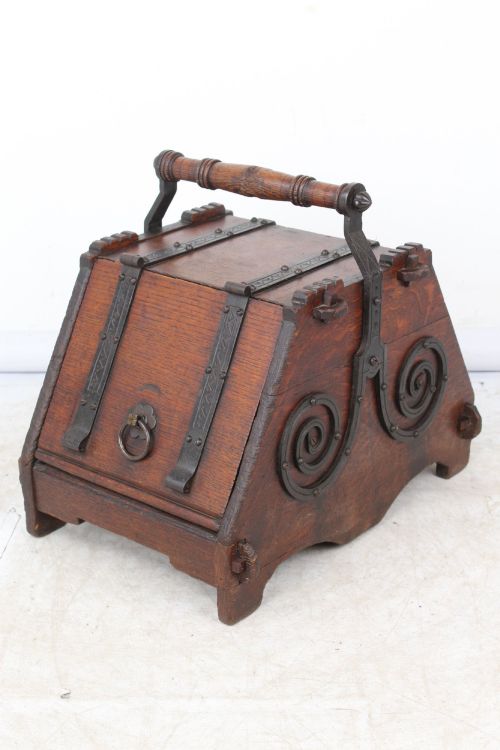
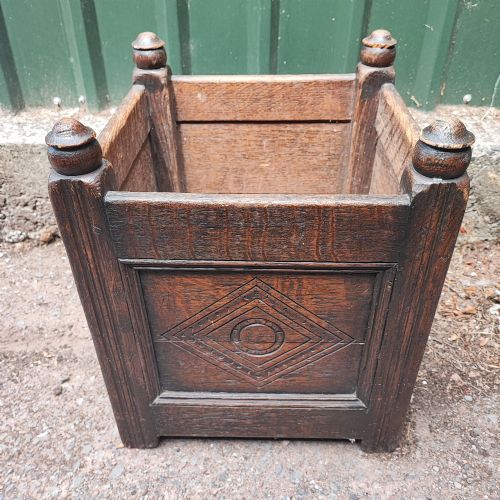
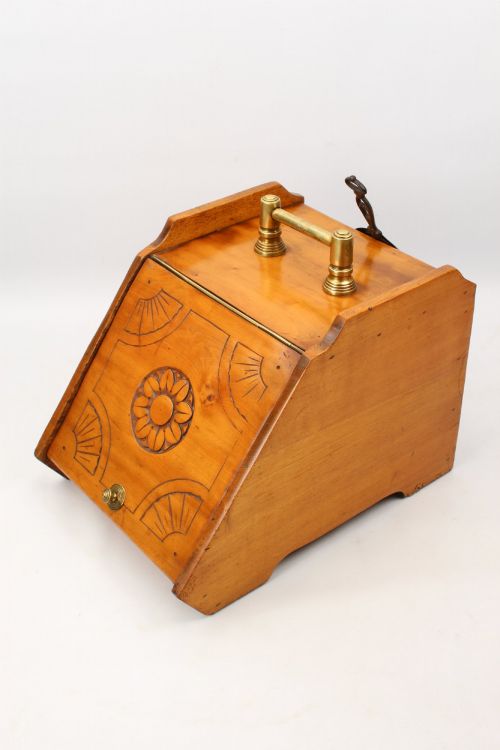
A carved oak coal box serves as a heavy-duty container for hearth fuel, appearing primarily in Victorian and Edwardian forms. The pieces you encounter range from standard hinged boxes to purpose-built purdoniums and scuttles designed to hold fuel neatly beside a fireplace.
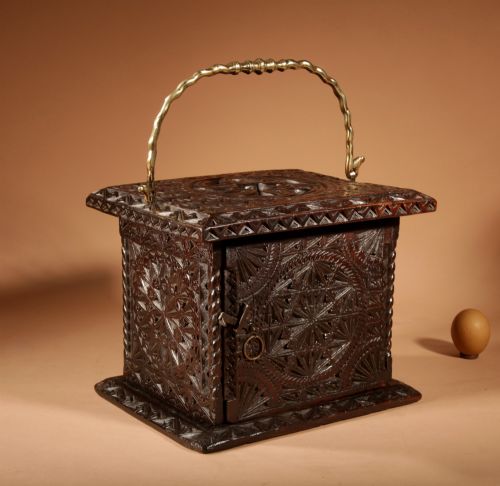
Makers utilised various decorative themes, producing items in Gothic Revival, rustic country, and Frisian folk art styles. Many retain functional interior elements such as metal liners or matching shovels for daily hearth maintenance.
Materials and construction
The primary material is solid oak, selected for its density and durability under regular household use. Artisans embellished the timber using chip carving, relief work, and Gothic motifs to transform utilitarian storage into decorative hearth furniture.
Metal components such as brass, iron, and silver plate appear as hinges, handles, and internal liners. These additions provided necessary reinforcement against heavy fuel and protected the wood from moisture and wear.
Common forms include traditional scuttles, purdoniums, and novelty items shaped like railway coal wagons.
Distinguishing quality and craftsmanship
Quality rests upon the crispness of the wood carving and the robustness of the structural joints. Superior examples display deeply chiselled ornamentation, such as Green Man masks or intricate geometric patterns, rather than shallow or mechanical stamping.
The presence of original hardware, including matching metal shovels, intact liners, and substantial brass mounts, elevates a piece. Better versions maintain smooth operational mechanisms on their lids and drop fronts despite decades of heavy service.
The Carved Oak Coal Box Glossary
- Purdonium
- A specialised type of coal box featuring a sloping front door that drops forward to release fuel. This form became common in late nineteenth-century homes to keep coal contained and out of sight.
- Scuttle
- A vessel traditionally used for carrying coal from an outside store to the hearth. These often include a swing handle and a matching metal shovel.
- Chip carving
- A primitive decorative technique where small chips are removed from a flat surface of wood to create geometric patterns. This method appears frequently on rustic and folk art pieces.
- Green Man
- A sculptural motif depicting a human face surrounded by or sprouting from foliage. It recurs frequently in Gothic Revival woodwork on Victorian fireside boxes.
Carved Oak Coal Box: Frequently Asked Questions
What is a purdonium?
A purdonium is a specific form of coal container with a drop-down front panel that makes accessing the fuel easier. They often house a metal liner inside the wooden outer case.
These were popular in middle-class Victorian and Edwardian households to keep hearth areas tidy and free from coal dust.
How do I clean an oak coal box?
Clean the exterior wood using a soft cloth and a suitable beeswax to nourish the grain without stripping the finish. Avoid using water or harsh chemical cleaners on the carved surfaces.
Empty the metal liner regularly to prevent moisture buildup and rust from damaging the internal base of the box.
Are these boxes meant to hold coal?
While originally designed to store coal for open fires, many owners now utilise them as log boxes or general storage for living rooms. The internal metal liners protect the wooden structure from debris.
Using them for dried logs or kindling keeps the original interior intact while serving a practical modern purpose.
How do I date a carved oak coal box?
Dating relies on examining the style of the carving, the hardware, and the construction methods used. Victorian and Edwardian pieces often display distinct Gothic Revival or Art Nouveau influences.
Patent stamps, the type of screws, and the presence of original brass handles or liners also provide clues to the exact manufacturing period.