



Carved Oak Bookends
Carved oak bookends bring substance and character to a shelf, keeping volumes upright with solid timber shaped by the carver's chisel.
Carved Oak Bookends
Carved oak bookends range from sturdy architectural fragments and desk accessories to animal figures and figural sculptures. These pieces serve to support rows of books while adding decorative weight to a study, library or mantelpiece.
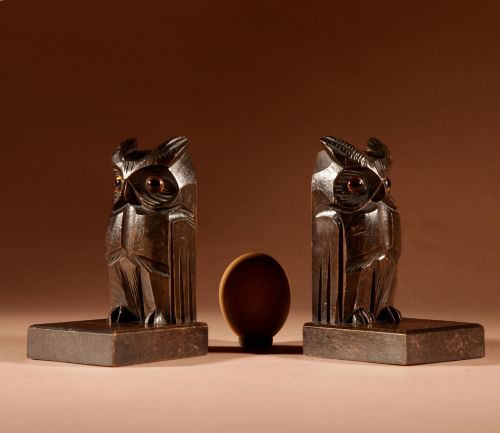
On this page, a buyer encounters examples spanning the Victorian and Edwardian eras through to the early decades of the twentieth century. The selection includes pairs shaped as owls, elephants, dogs and cricket equipment alongside Gothic Revival and classical motifs.
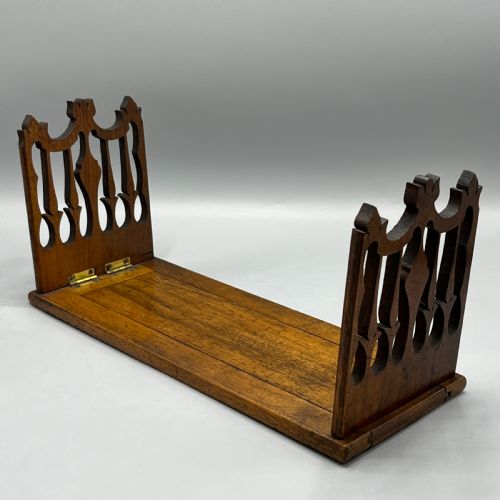
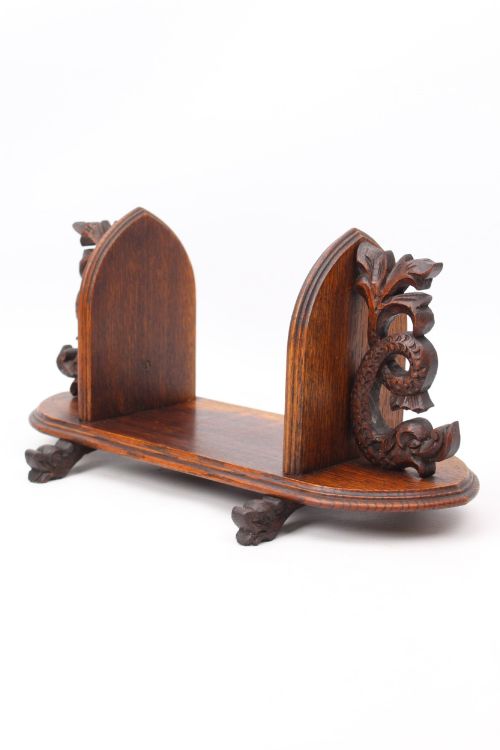
Makers and workshops utilised dense hardwoods to produce both functional supports and extendable book slides. The forms vary from simple wooden panels to elaborate terminals featuring griffins and lions.
How they were made
Makers carved these pieces primarily from solid oak and related timbers such as fruitwood, linden wood and general wood. Craftsmen employed hand chisels and gouges to shape the dense grain into detailed figures, architectural terminals and animal studies.
Many pairs incorporate applied details in bone or brass fittings to secure extending mechanisms and hinges. The surfaces show hand-finished wax polishes that protect the timber while highlighting the depth of the carving.
Carved Oak Bookends Retail Price Guide 2026
Typical asking prices for carved oak bookends among the pieces listed under this phrase on Sellingantiques today, from the lower quarter to the upper quarter. They describe what is for sale here now, not the wider market.
Wooden owls and elephants stand guard over nineteenth-century literature with permanent expressions of surprise.
What varies in quality
Quality in carved oak bookends lies in the crispness and depth of the hand carving rather than the mere presence of decoration. Pieces with strong anatomical detail in animal subjects or precise architectural lines command attention.
The choice of timber and the stability of the mounting plinths determine longevity. Superior examples maintain balanced proportions and integrated wooden or metal supports that bear the weight of heavy volumes without tipping.
Thornton Smith Co.·Robert Mouseman Thompson
The Carved Oak Bookends Glossary
- Gothic Revival
- An architectural and decorative style drawing on medieval forms, featuring pointed arches, tracery and heavy timber. This aesthetic often appears on nineteenth-century library furniture.
- Black Forest
- A style of wood carving originating in central Europe known for naturalistic depictions of animals and foliage. Owls and bears frequently feature in these figural works.
- Book slide
- An extending desk accessory designed to hold a varying number of volumes between two movable or fixed ends. These items often incorporate scissor actions or ratchets.
- Treen
- Small handmade wooden household objects valued for their utility and craftsmanship. The term covers utilitarian turned and carved items found in domestic interiors.
- Terminals
- Decorative architectural figures or busts that taper downward toward the base. These elements often form the supporting ends of book stands.
Carved Oak Bookends: Frequently Asked Questions
How do I date carved oak bookends?
Dating relies on stylistic clues, timber characteristics and construction methods visible in the wood. Victorian and Edwardian pieces often display distinct revival motifs or simpler domestic forms.
Changes in hardware, such as brass screws or extending mechanisms, also help place an object within a specific period like the nineteen-twenties or thirties.
Are these bookends strong enough for heavy books?
Solid oak and dense timber provide the natural weight needed to support heavy volumes without slipping. The mass of the wood prevents standard books from tipping the ends over.
For exceptionally large collections or folio volumes, extending book slides offer extra stability across a wider base.
Where should I place carved wooden bookends?
These pieces suit open bookshelves, desk tops, sideboards and library tables where both function and decorative carving remain visible. Placing them on sturdy shelves ensures proper support for the row of books.
Keeping them away from direct heat sources protects the timber from drying out and splitting over time.