

Carved Mother of Pearl
Carved mother of pearl pieces combine lustrous shell surfaces with delicate handwork, offering tactile appeal and historical charm.
Carved Mother of Pearl
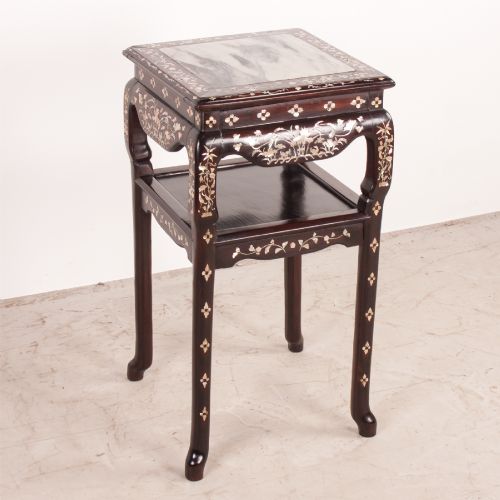
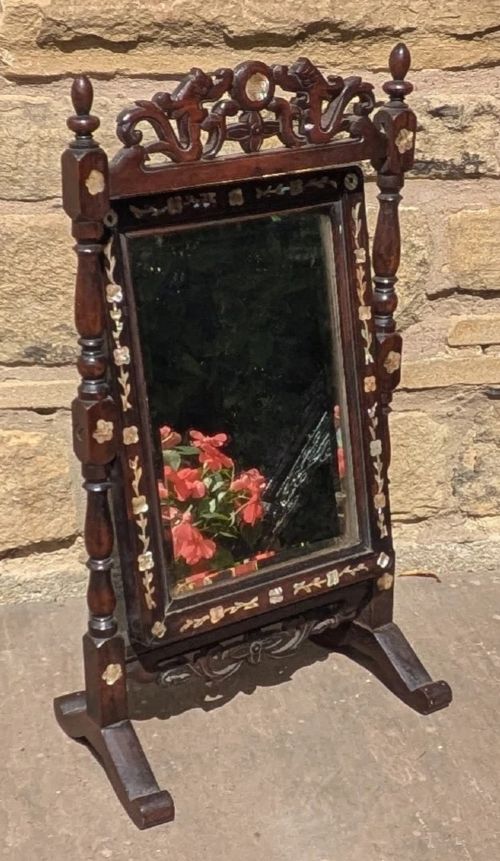
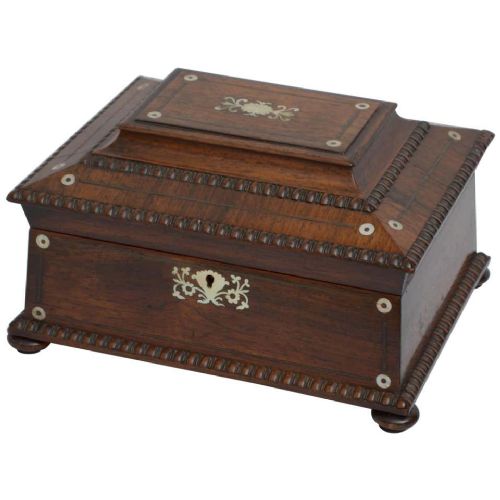
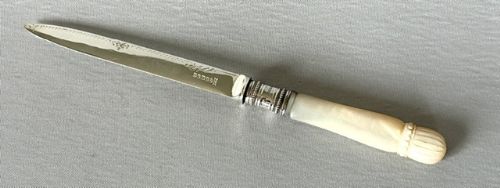
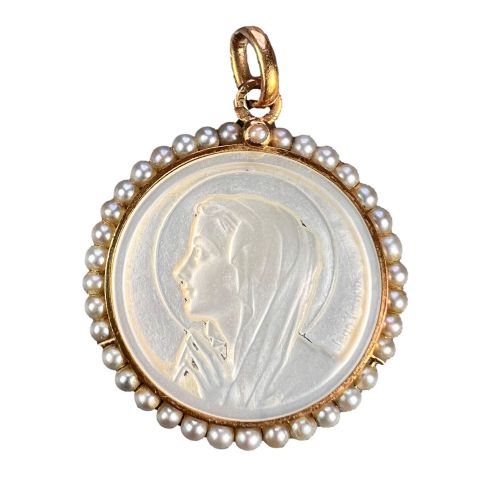
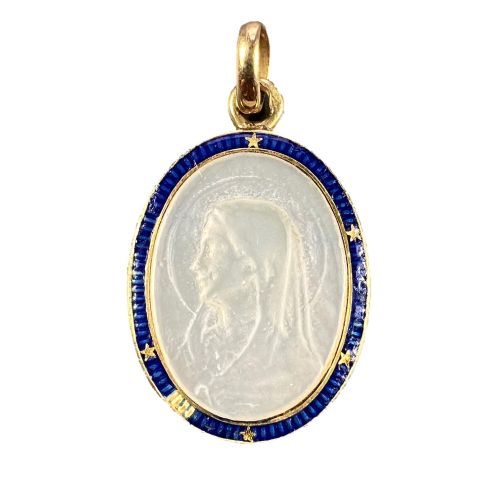
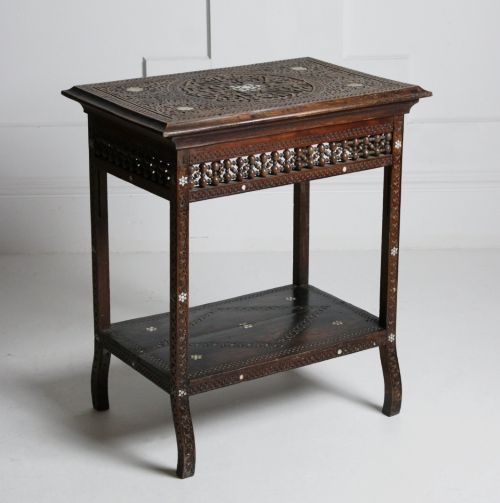
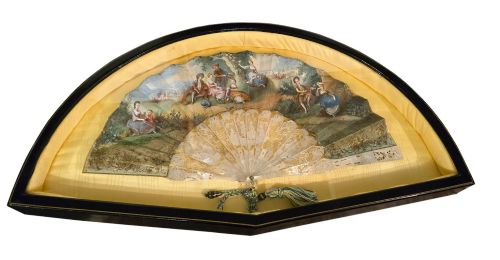
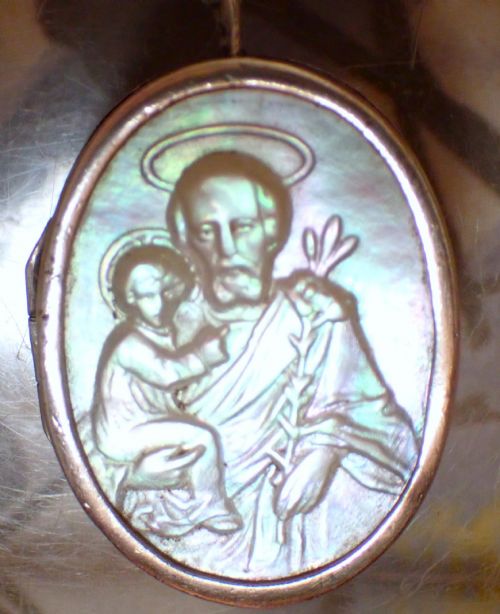
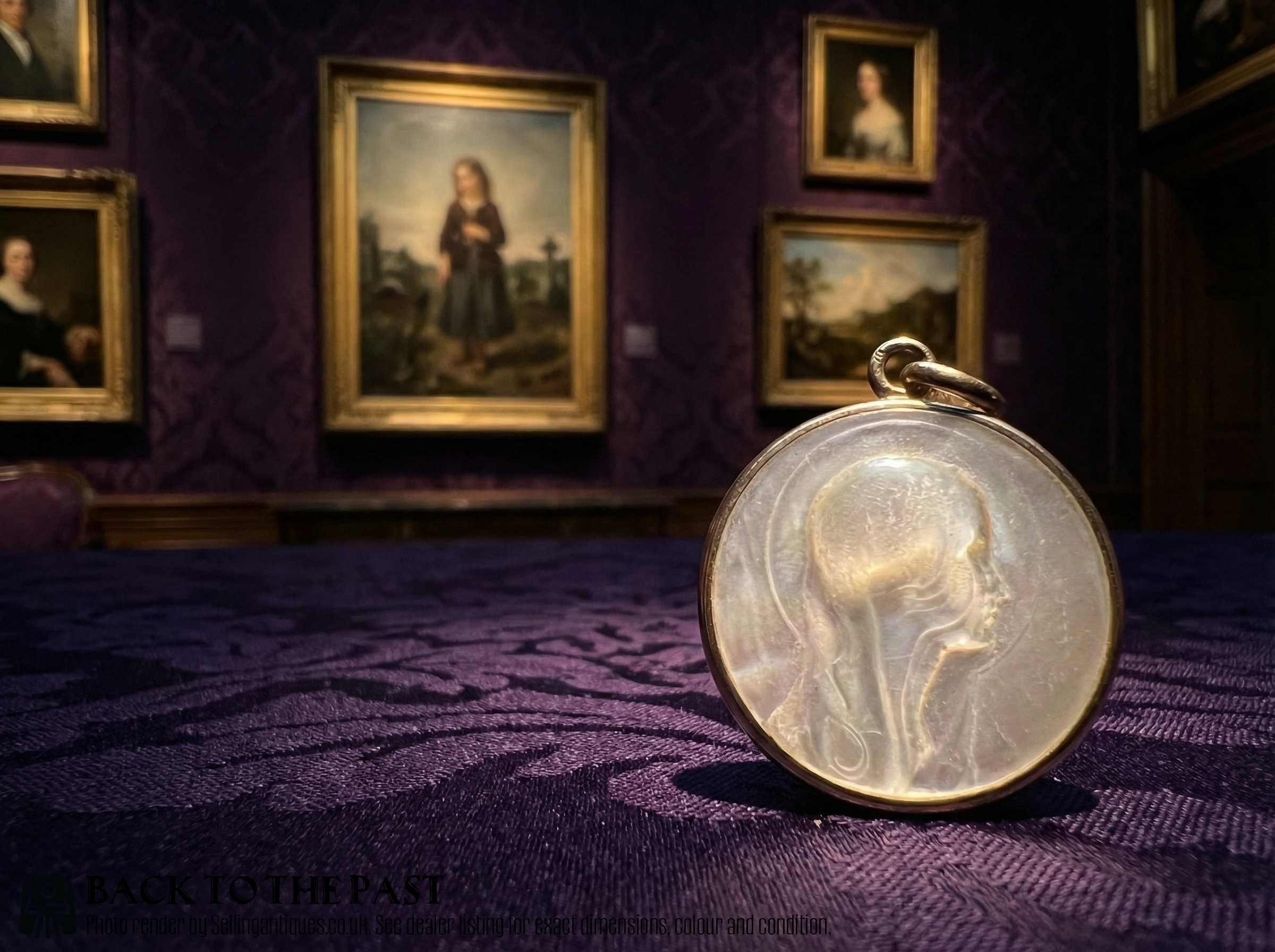
When you search for carved mother of pearl, you encounter a diverse range of items spanning decorative desk accessories, personal ornaments, and cutlery. The selection includes French devotional pendants depicting the Virgin Mary alongside Victorian fruit knives, butter knives, card cases, and snuff boxes.
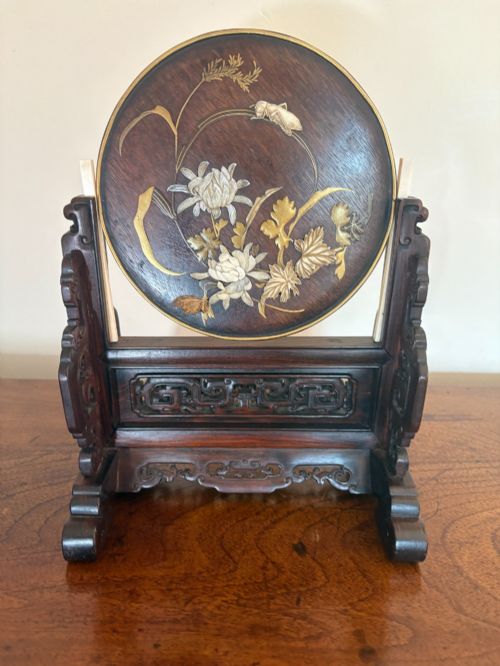
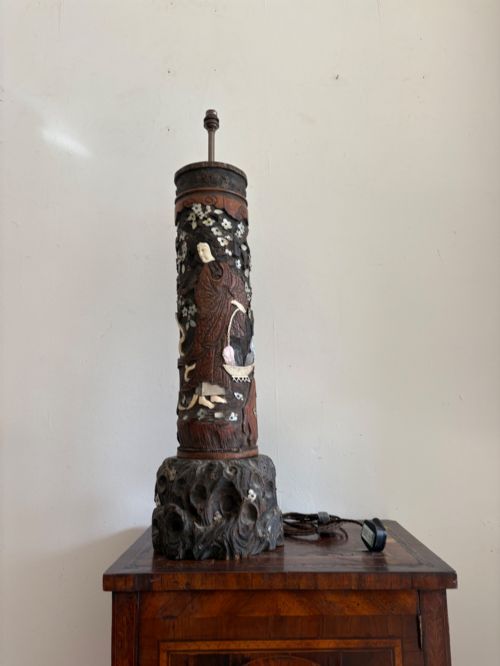
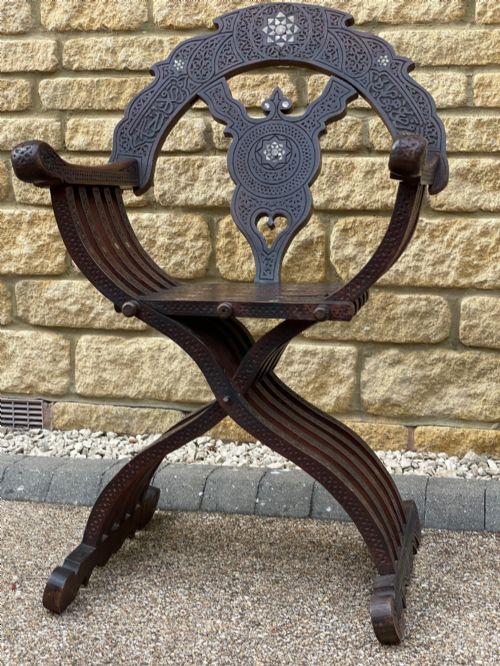
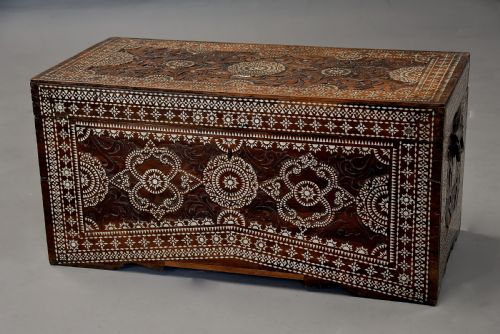
The pieces on this page lean heavily towards French devotional charm pendants from the early twentieth century, alongside Victorian silver-mounted utility pieces and earlier Georgian boxes. Shell surfaces feature low-relief carving, often capturing figural subjects or intricate foliate patterns.
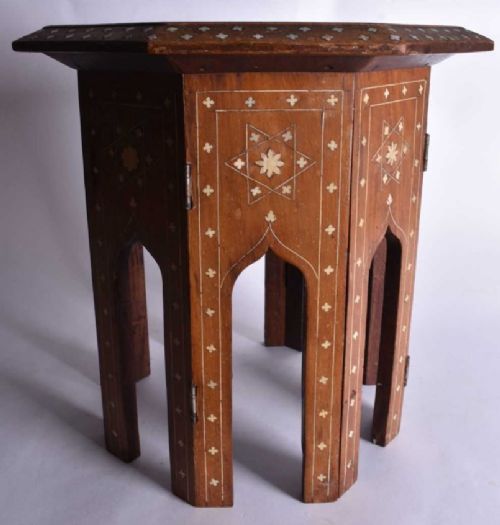
Domestic items such as letter openers, gaming counters, and folding dressing screens demonstrate how versatile this iridescent material proved across multiple centuries and stylistic movements, from Art Nouveau curves to Victorian utility.
What varies in quality
The depth and definition of the carving dictate the artistic merit of each piece, distinguishing flat surface engraving from crisp, high-relief modelling. Smooth, even iridescence across the entire shell plate without natural fissures or dull grey patches denotes superior material selection.
Integration between the shell and its metal mountings reveals the maker's skill, particularly where gold or silver bezels hold fragile nacre edges securely without overworking the material.
Carved Mother of Pearl Retail Price Guide 2026
Typical asking prices for carved mother of pearl among the pieces listed under this phrase on Sellingantiques today, from the lower quarter to the upper quarter. They describe what is for sale here now, not the wider market.
The documented periods span the Georgian era, Victorian epoch, Art Nouveau, and early twentieth century up to the 1930s.
Becker
The Carved Mother of Pearl Glossary
- Mother of pearl
- The iridescent inner layer of mollusc shells, valued for its shimmering play of light. This material forms the primary canvas for all items gathered under this heading.
- Nacre
- The scientific term for mother of pearl, secreted by oysters and other molluscs to line their shells. It consists of microscopic aragonite platelets bound together by organic matrices.
- Carnet de bal
- A traditional dance card marker or small notebook used at balls to record prospective dance partners. These French accessories often utilise finely carved mother of pearl covers.
- Pilgrim's plaque
- A devotional souvenir or commemorative token acquired by travellers at holy sites. Examples often feature meticulous carvings of religious figures.
- Gaming counter
- Small flat markers utilised in parlour games and card playing. Chinese export sets carved from shell were popular during the nineteenth century.
Carved Mother of Pearl: Frequently Asked Questions
What is mother of pearl?
Mother of pearl is the iridescent inner layer of certain mollusc shells, composed primarily of calcium carbonate crystals.
Its natural shimmer made it a favoured material for decorative items, gaming tokens, and knife handles throughout the nineteenth and early twentieth centuries.
How do I care for carved mother of pearl?
Clean pieces gently with a soft, damp cloth and dry them immediately to protect the delicate nacre surface.
Avoid exposing shell items to harsh chemicals, strong detergents, or prolonged direct sunlight which can dull the natural iridescence.
Are these items antique?
The pieces span various periods ranging from the Georgian era through to the early twentieth century.
Materials, mountings, and manufacturing styles help determine the approximate age of each individual object.
How were fruit knives used?
Victorian fruit knives with mother of pearl handles were personal dining accessories carried to peel and slice acidic fruits.
Silver blades prevented the metallic taste that steel blades often imparted when cutting fresh fruit.