




Carved Marquetry Dining Chairs
Carved marquetry dining chairs bring rich timber surfaces and distinct period character to the table, offering a refined setting for modern meals.
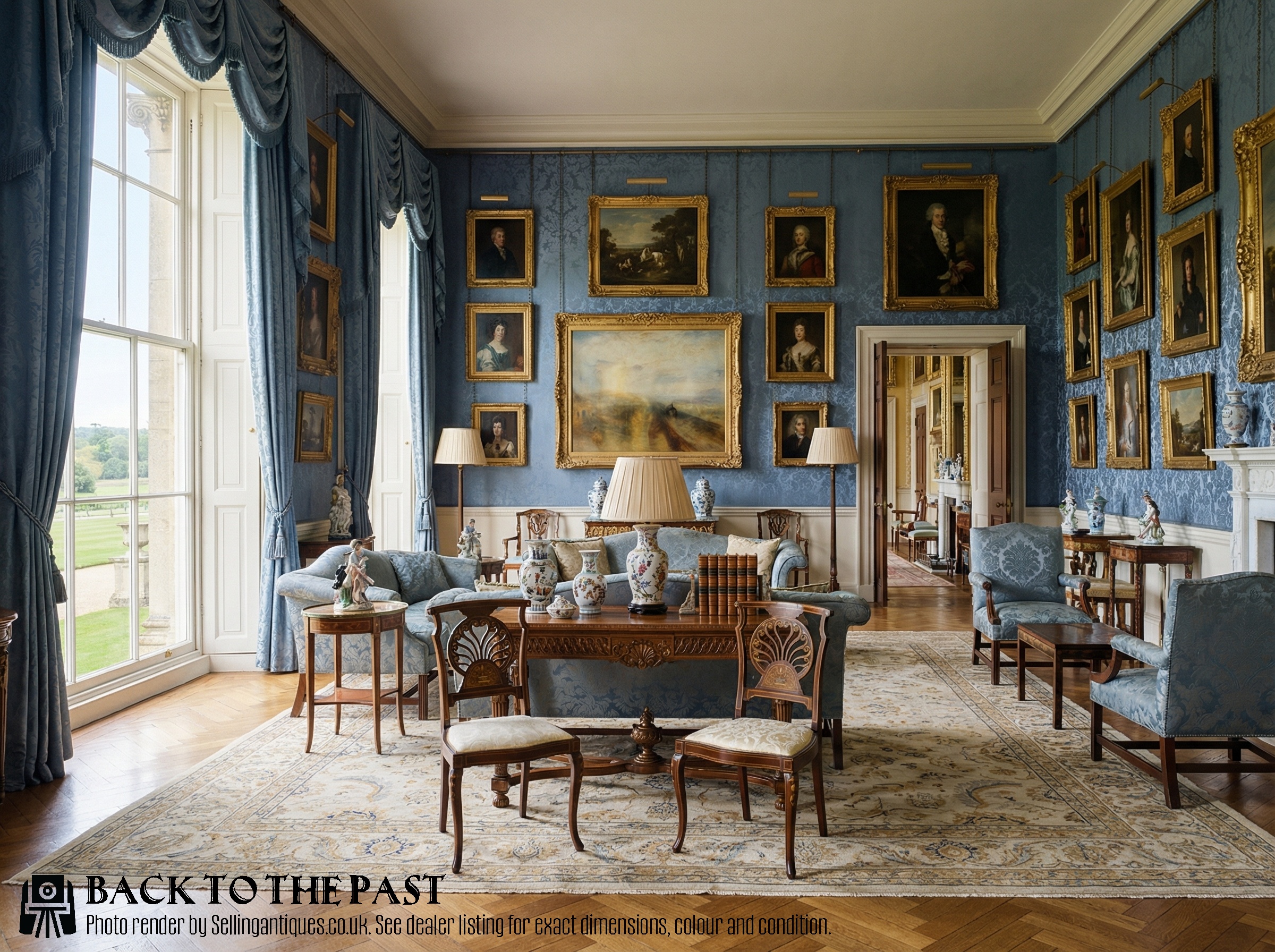
Carved Marquetry Dining Chairs
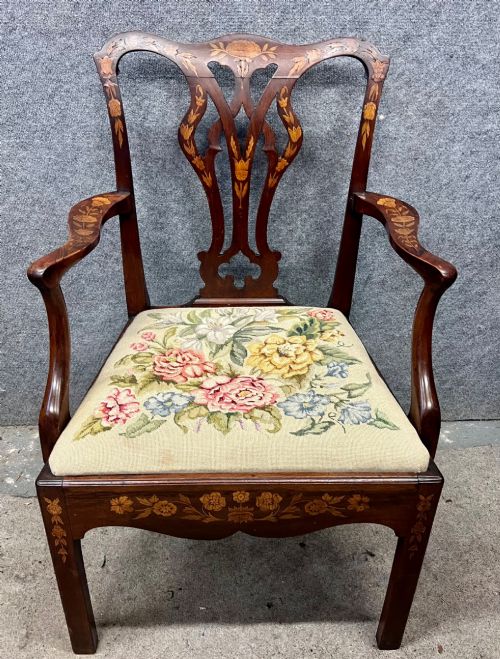
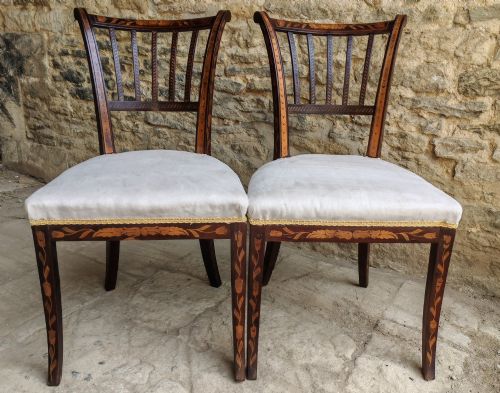
Carved marquetry dining chairs combine detailed woodwork with patterned surface inlays, taking forms such as standard dining chairs, side chairs, hall chairs, and occasional chairs. These seating pieces appear across multiple historical eras, spanning from the eighteenth century through the Georgian and Regency periods into the Victorian, Edwardian, and nineteen-hundreds eras.
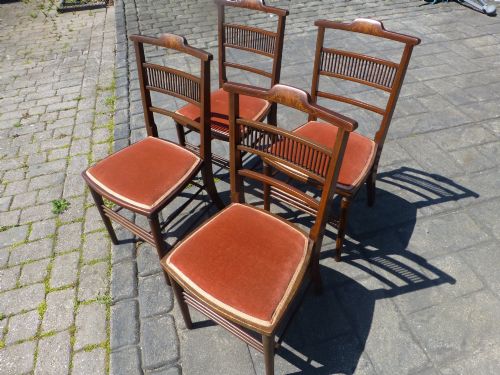
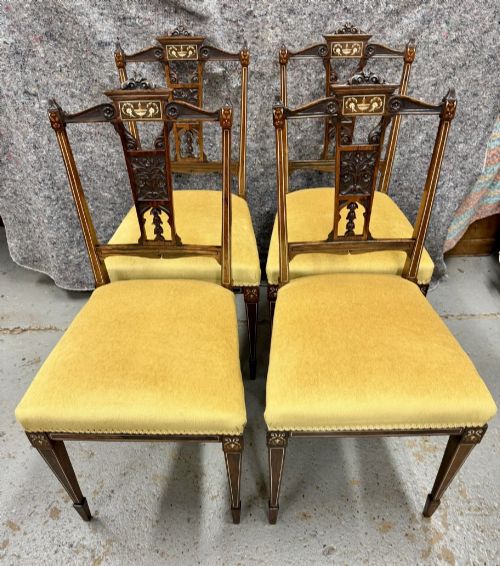
Buyers browsing this selection frequently encounter sets of four or six chairs, alongside smaller pairs and individual seating pieces. Styles range from classical Regency and Sheraton Revival to Dutch Rococo, Edwardian Art Nouveau, and Carolean Revival, reflecting diverse regional tastes and cabinet-making traditions.
The construction typically involves primary structural timbers enhanced by contrasting fruitwood inlay, wood inlay, or brass embellishments. Upholstered options feature fabric or velvet additions, balancing decorative surface work with practical seating design.
Materials and construction methods
Cabinet makers utilised dense hardwoods such as mahogany, walnut, rosewood, and faux rosewood for the primary frames of these chairs. These timbers provided the structural strength required for daily dining use while offering a dark, stable base for decorative work.
Surface decoration relied on precision cutting of fruitwood inlay and general wood inlay to create floral, geometric, or figurative marquetry patterns. Brass inlays also appear on specific Regency examples, contrasting sharply against the dark wood grain.
Where softness was required, makers integrated fabric or velvet upholstery into the seat pads. Carved details were shaped directly into the solid wood elements of the frame, such as high backs or legs, complementing the flat inlaid panels.
Carved Marquetry Dining Chairs Retail Price Guide 2026
Typical asking prices for carved marquetry dining chairs among the pieces listed under this phrase on Sellingantiques today, from the lower quarter to the upper quarter. They describe what is for sale here now, not the wider market.
The listings span multiple centuries, uniting mahogany, walnut, and rosewood with contrasting fruitwood and brass inlays.
Evaluating quality and craftsmanship
The sophistication of the marquetry work dictates much of the visual merit, with finer examples displaying tight joints in the inlaid fruitwoods and complex pictorial or botanical motifs. Simpler pieces rely on basic geometric lines or sparse brass stringing rather than elaborate multi-wood pictures.
Timber selection and frame preservation differentiate standard production from finer cabinet work, particularly in how well the joints remain stable over centuries of use. Chairs retaining their original matching timber grain and crisp carving display a higher degree of initial workshop investment.
The Carved Marquetry Dining Chairs Glossary
- Marquetry
- A decorative technique where small pieces of veneer are fitted together to form pictorial or geometric designs on a wooden surface. This differs from simpler inlay by covering the entire background surface with a patterned veneer puzzle.
- Fruitwood inlay
- The practice of inserting lighter or differently coloured fruit tree woods into a darker primary timber to create contrast. Cabinet makers favoured apple, pear, and plum woods for their subtle tones and smooth grain.
- Sheraton Revival
- A late nineteenth and early twentieth century design movement that reinterpreted the lighter, neoclassical furniture styles associated with George Sheraton. These pieces often feature delicate satinwood or fruitwood marquetry.
- Carolean Revival
- A style drawing inspiration from the ornate, carved furnishings of the mid-to-late seventeenth century English restoration period. Chairs in this style typically showcase elaborate scrolling woodwork and high upholstered backs.
- Faux rosewood
- A painted or stained finish applied to a more common timber to imitate the rich grain and dark colour of genuine rosewood. This technique allowed makers to achieve an expensive aesthetic at a lower production cost.
Carved Marquetry Dining Chairs: Frequently Asked Questions
How do I clean marquetry chairs?
Dust the timber gently with a soft, dry cloth to prevent dirt accumulation in the veneer joints. Avoid modern chemical polishes that can degrade historical finishes and moisture-sensitive adhesives.
Apply a microcrystalline wax sparingly once or twice a year to nourish the wood and protect the delicate marquetry surface. Keep the chairs away from direct sunlight and radiators to prevent the wood from shrinking and lifting the inlay.
Are these chairs sturdy enough for daily use?
Many of these pieces were built for functional dining and possess robust hardwood frames. However, centuries-old joints can loosen with heavy modern weight and constant movement.
Check the structural stability of the legs and stretcher joints periodically. Professional conservation can easily re-glue loose joints without altering the original antique fabric of the chair.
How do I date a marquetry chair?
Examine the underlying timber species, the style of the carving, and the complexity of the marquetry patterns. Regency and Georgian pieces generally show classical restraint, while Victorian and Edwardian revivals often incorporate bolder historicism or lighter satinwood.
Look closely at the construction methods used inside the seat frame and joints. Hand-cut fixings and older secondary woods point towards earlier periods, whereas uniform machine-cut elements suggest later nineteenth or twentieth-century manufacture.
Can I mix different styles around a table?
Mixing period seating styles is a traditional approach to interior decoration that adds visual depth to a dining room. Matching wood tones or similar heights helps create a cohesive arrangement despite differing decorative motifs.
Pairing side chairs from the same broader historical era, such as combining Georgian and Regency examples, maintains a balanced aesthetic. Ensure the seat heights align comfortably with standard dining table clearances.