
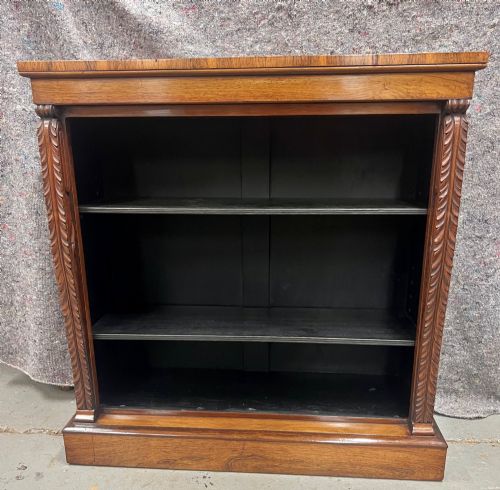
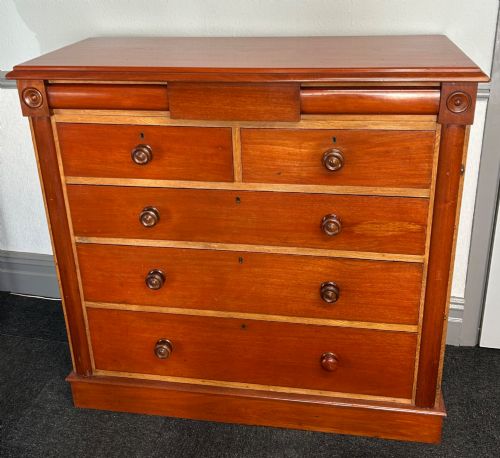


Carved Mahogany Plinth
A carved mahogany plinth provides a sturdy, elegant elevation for display, bringing sculptural timber grain and period presence to a room.
Carved Mahogany Plinth
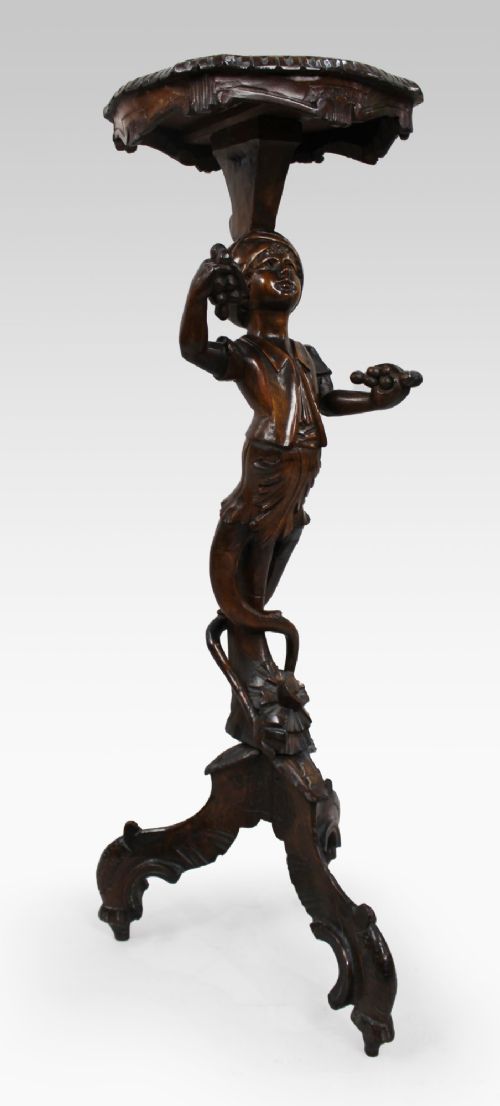
When you search for a carved mahogany plinth, you are looking at architectural supports, column stands, and display columns primarily originating from the Victorian period and the nineteenth century. These supports frequently appear as solid timber columns or architectural pedestals designed to elevate urns, busts, or decorative objects.
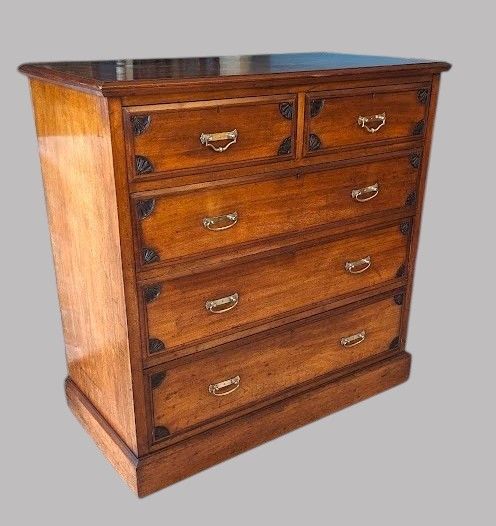
While the evidence shows a wide array of furniture forms including chests of drawers, console tables, and bookcases, the specific plinths and pedestals emerge in nineteenth-century designs alongside related column stands. You will encounter both single pieces and matched pairs, ranging from simple columnar forms to heavily carved figural examples.
The dominant materials visible across these listings are mahogany and flame mahogany veneer, occasionally accompanied by secondary woods such as oak and pine. These pieces reflect the cabinetmaker's skill in turning and carving dense timber to create stable architectural bases.
How they were made
Cabinetmakers constructed these pieces using solid mahogany and flame mahogany veneer applied to supportive carcase timbers, utilising traditional joinery and turning techniques. The dense grain of the timber permitted crisp, deep carving of decorative moulding, fluting, and figural elements.
Surface finishing relied on hand-applied polishes that highlighted the natural chatoyancy and deep reddish-brown tone of the mahogany. Where brass or mirror glass components appear in related furniture types, they are integrated with precise brass fittings and securely seated glass panels.
What varies in quality
Quality in these pieces is dictated by the selection of the timber and the crispness of the hand-carved detail. Superior examples display striking flame mahogany veneer patterns or deeply carved figural and columnar motifs that remain sharp and well-defined.
Structural integrity also separates standard utility pieces from finer works, visible in the weight of the solid mahogany and the stability of the base. The refinement of the turning and the depth of the carved enrichment directly indicate the skill of the original workshop.
The Carved Mahogany Plinth Glossary
- Plinth
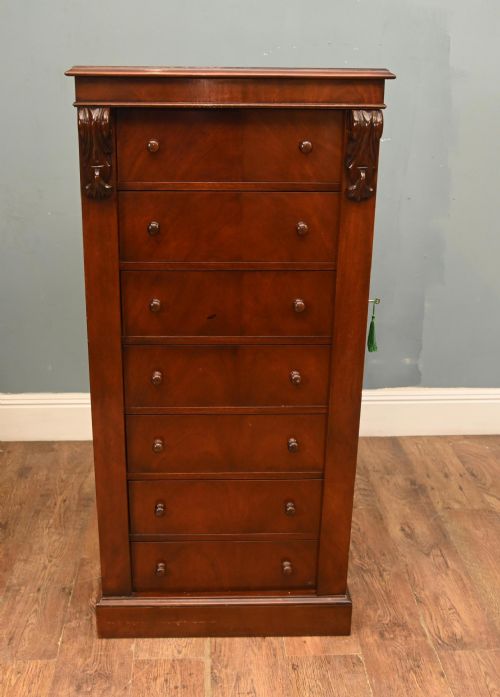
- A heavy base or rectangular block supporting a statue, column, or pedestal. In nineteenth-century furniture, it frequently forms the solid foundational base of a piece such as a Wellington chest.
- Pedestal
- An upright architectural support or pillar used to elevate objects for display. These items appear in solid mahogany and carved wood configurations.
- Flame mahogany veneer
- A thinly sliced sheet of mahogany timber displaying a distinctive, flickering flame-like grain pattern. Cabinetmakers applied this to prominent surfaces to create visual movement and depth.
- Wellington chest
- A tall, slender chest of drawers secured by a locking hinged side pilaster. The archive record shows examples featuring carved corbels mounted upon a plinth base.
- Console table
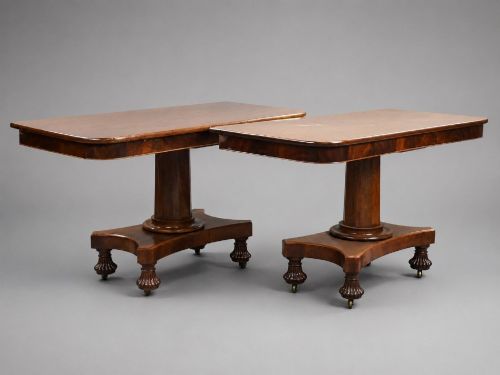
- A table designed to fit against a wall, frequently supported by decorative legs or architectural brackets. The evidence includes paired examples from the Georgian and William IV periods.
Carved Mahogany Plinth: Frequently Asked Questions
What is a carved mahogany plinth used for?
These pieces serve primarily as structural stands and display columns for heavy decorative objects, sculptures, or urns. They elevate art pieces to eye level within an interior space.
Their substantial timber construction provides the necessary weight and balance to support heavy items securely while adding architectural interest to a room.
How do I date a nineteenth-century pedestal?
Dating relies on observing the timber selection, turning style, and carving techniques characteristic of periods like the Victorian era or Regency. Examining the construction methods and secondary woods helps place the object within the 1800s.
Stylistic cues such as neoclassical revival motifs or heavy figural carving often point towards the later decades of the nineteenth century.
Are these pieces made of solid mahogany?
The evidence records both solid mahogany construction and pieces utilising flame mahogany veneer over secondary timbers. The choice of material varied according to the workshop and the specific form of the pedestal.
Solid timber was frequently utilised for turned columns and heavy structural elements, whilst veneers created striking grain patterns on flat surfaces.
How do I clean and maintain mahogany furniture?
Maintenance involves dusting with a soft, dry cloth and occasionally applying a traditional beeswax polish to nourish the timber. Avoid placing these pieces in direct sunlight or near heat sources to prevent the mahogany and its veneers from drying out.
Gentle care preserves the historical patina and protects the hand-carved details accumulated over the centuries.