

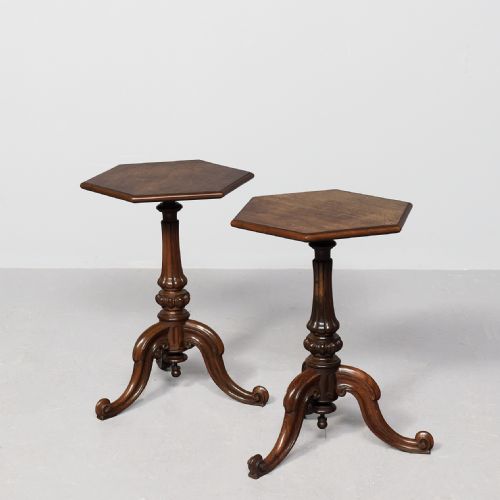
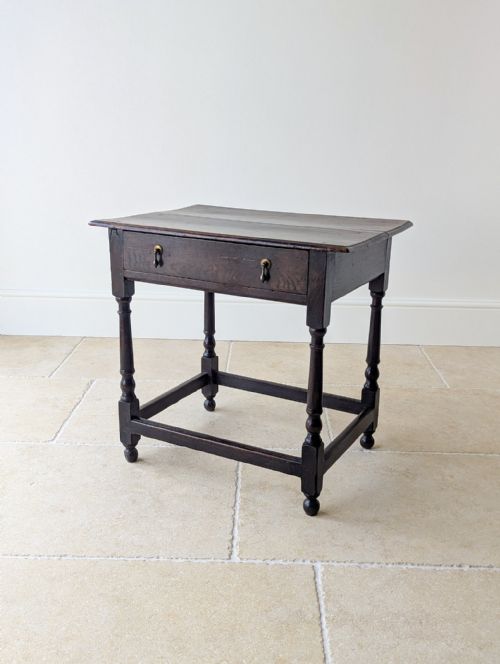
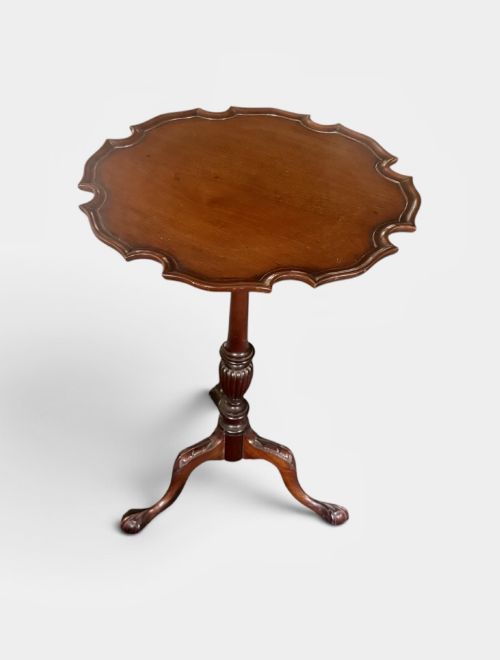
Carved Leg Lamp Table
These carved leg lamp table pieces bring tactile warmth to a room, offering sturdy support for lighting while displaying period craftsmanship.
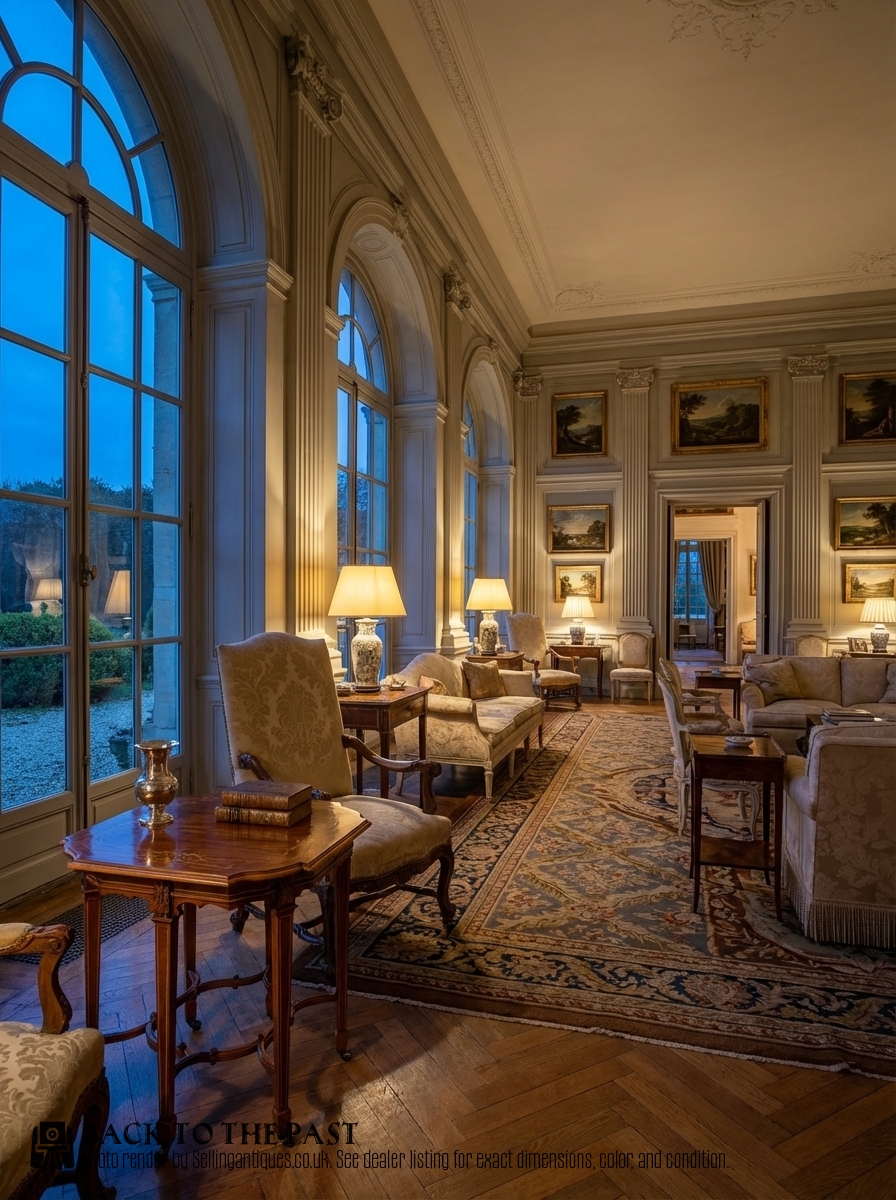
Carved Leg Lamp Table
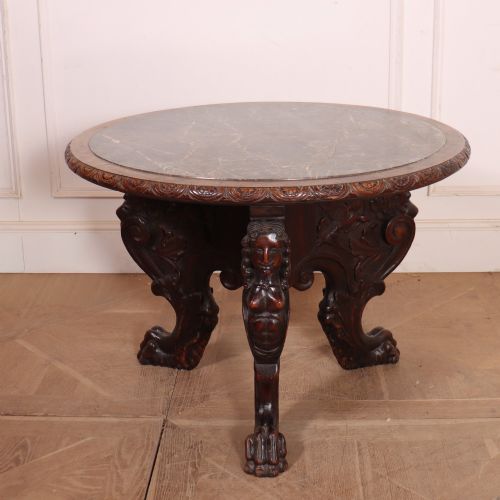
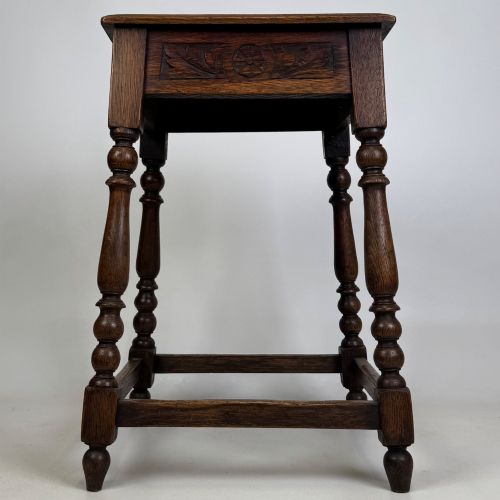
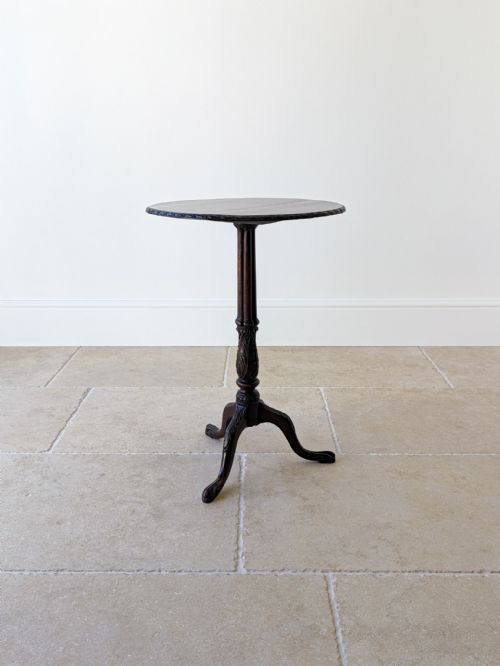
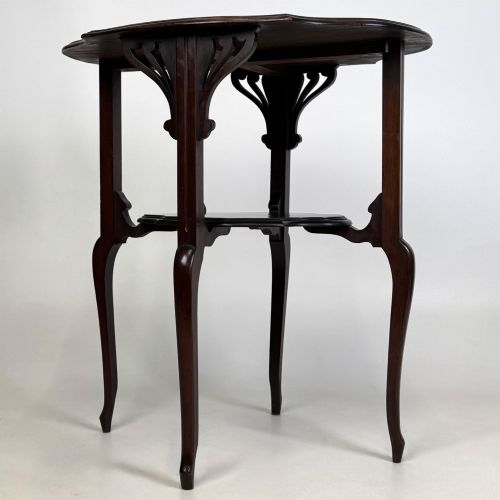
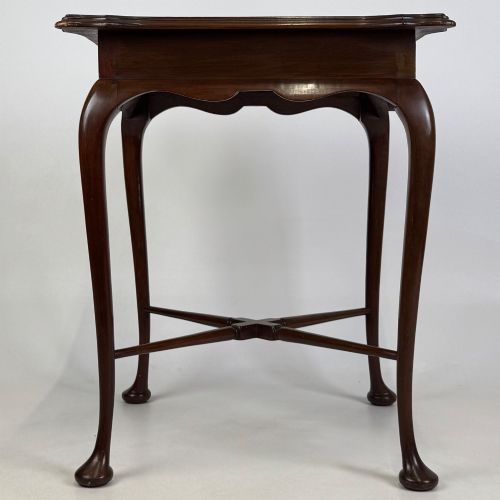
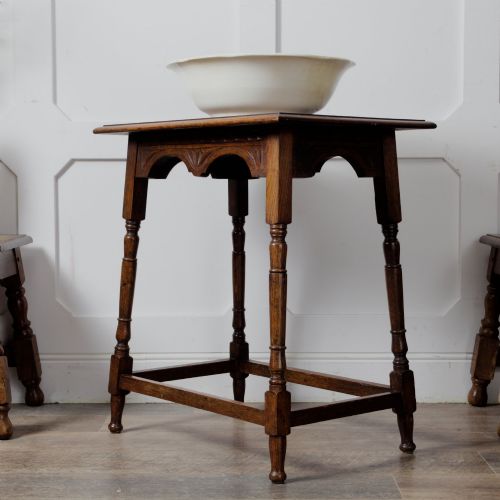
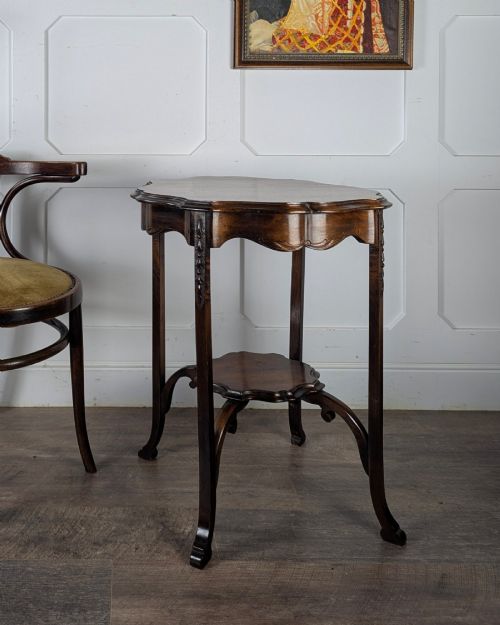
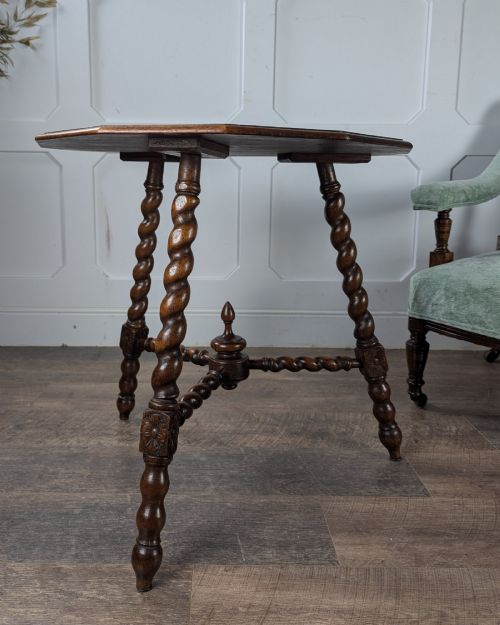
The forms span round tripod tables with shaped rims, octagonal tables, and rectangular side pieces. These functional items served domestic spaces as bedside surfaces, console tables, or centre tables in sitting rooms.
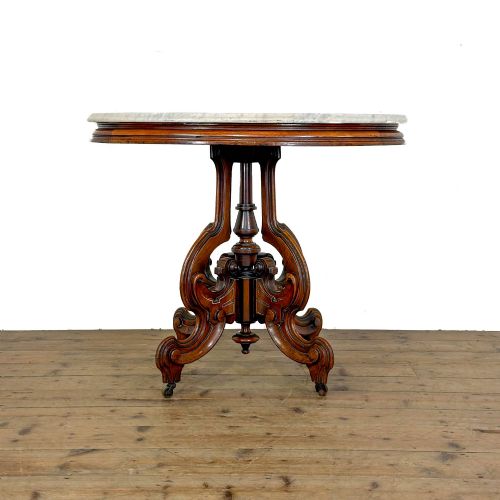
Makers drew on various historical revivals, producing pieces in Jacobean, Queen Anne, and Georgian styles. Oak and mahogany appear most often, supplemented by walnut, rosewood, and occasional marble tops.
How They Were Made
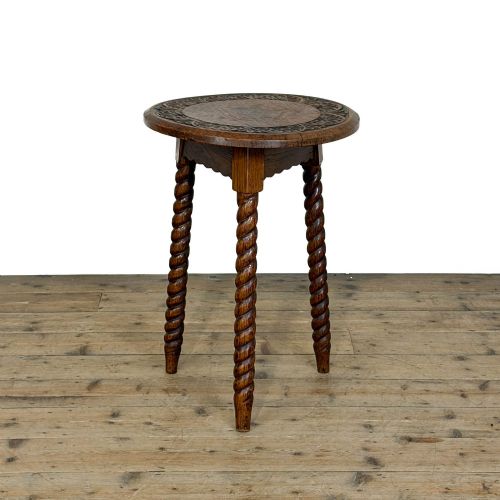
Cabinet makers utilised solid timbers like oak, mahogany, and walnut, often shaping tops from single boards or matched veneers. Turning lathes produced barley twist and bobbin legs, while hand chisels created the characteristic carved ornamentation.
Joinery techniques included mortise and tenon frames alongside tripod bases fitted with tilt-top mechanisms or detachable tops. Finishing involved polishing the timber to highlight natural grain patterns and rich colour.
Period origins include 17th Century, Georgian, Victorian, Edwardian, and 1920 designs.
What Varies in Quality
The depth and crispness of the carved details separate standard production from finer examples. Hand-carved foliage and mouldings show deliberate chisel work rather than uniform machine stamping.
Timber selection dictates the visual weight and longevity of the piece. Figured walnut, burr walnut, and dense solid oak with well-matched grains signify superior material choice compared to plain utility timber.
Shapland and Petter·Liberty and Co
The Carved Leg Lamp Table Glossary
- Tripod table
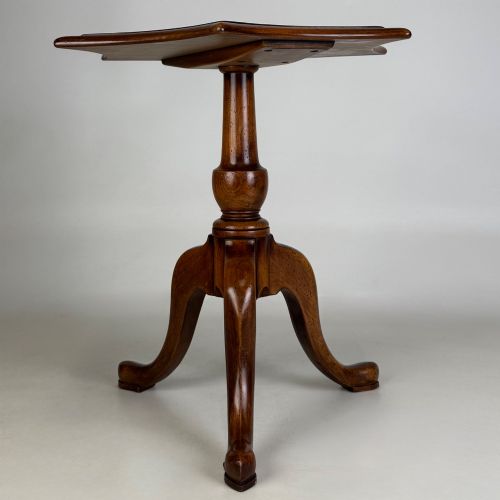
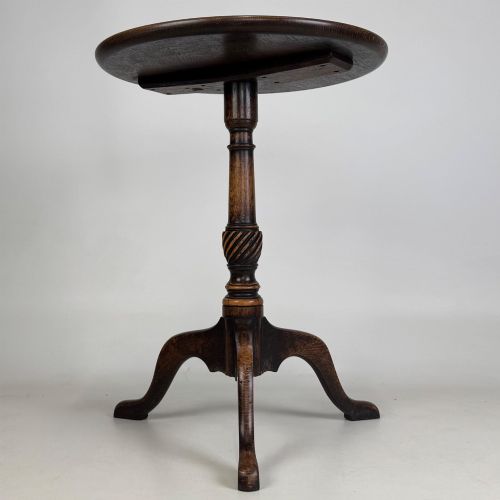
- A small stand supported by three pillar legs radiating from a central column. These tables became popular in the eighteenth century for serving tea or holding lamps.
- Tilt-top mechanism
- A hinge system allowing the table top to pivot vertically when not in use. This clever design enabled tables to stand flat against walls to save floor space.
- Barley twist
- A spiral turning technique resembling a twisted rope, cut into table legs or central pillars. This decorative turning gained prominence during the seventeenth century and returned in later revival pieces.
- Pie crust rim
- A raised, scalloped edge carved around the perimeter of a circular table top. The intricate shaping resembles the pastry edge of a baked pie.
- Occasional table
- A light, movable small table designed for intermittent use around a sitting room. These versatile pieces function easily as lamp stands or display surfaces.
Carved Leg Lamp Table: Frequently Asked Questions
What rooms suit a carved leg lamp table?
These compact tables fit easily beside armchairs, sofas, or beds where surface space is limited. Their detailed legs add architectural interest to corners without dominating the floor area.
They also function effectively in hallways as small console surfaces for keys and post, bringing period character to transition spaces.
How do I distinguish Edwardian from Victorian tables?
Victorian examples generally feature heavier timbers, darker finishes, and deep, robust carvings reflecting nineteenth-century revival tastes. Mahogany and oak dominate this era.
Edwardian pieces often appear lighter in scale, utilising figured walnut or lighter mahogany with refined, restrained carving influenced by eighteenth-century design revivals.
What is a tilt-top table used for?
Historical tilt-top tables allowed households to clear floor space quickly when entertaining guests. The top pivots to a vertical position so the table stores flat against a wall.
In modern rooms, this mechanism remains a clever feature that displays the underside construction and timber grain when the table rests aside.
Are these tables sturdy enough for heavy lamps?
Solid timber construction and substantial pillar supports give these pieces reliable stability for daily use. Tripod bases spread the weight evenly across three feet to prevent tipping.
Heavier marble-topped variants offer extra mass, keeping the structure firmly planted even when supporting substantial lighting fixtures.