


Carved Leg Bureau
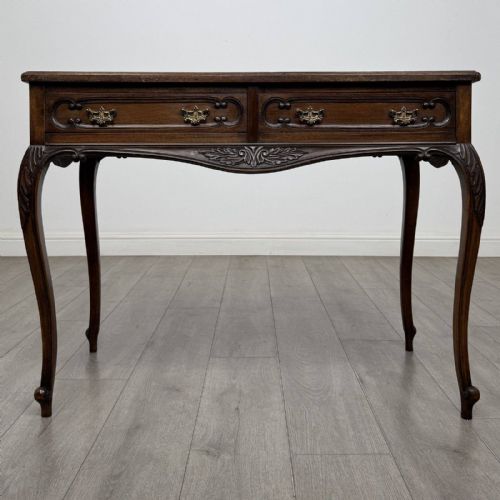
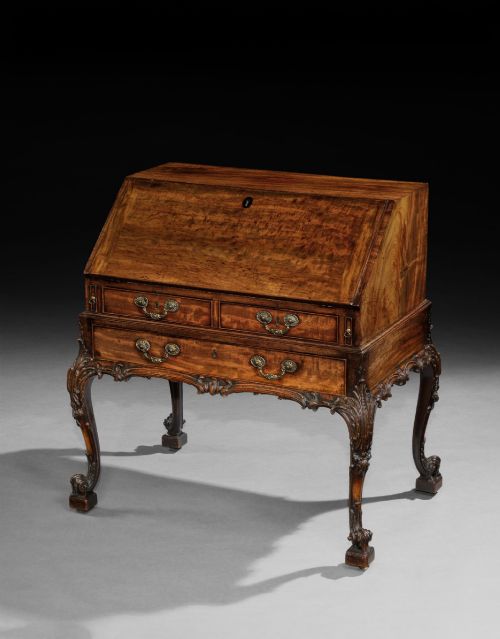
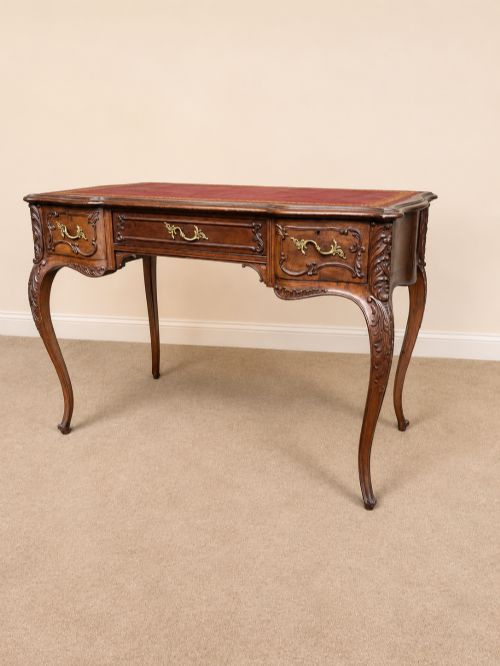
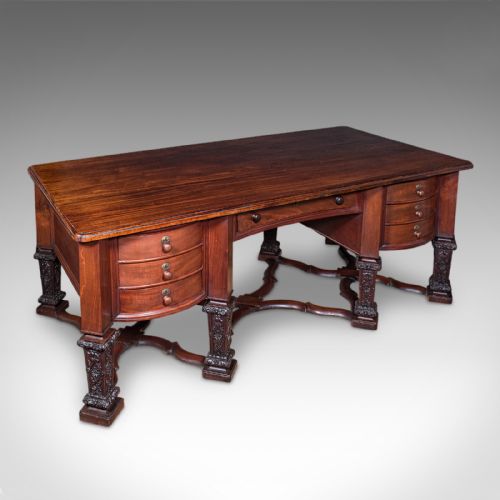
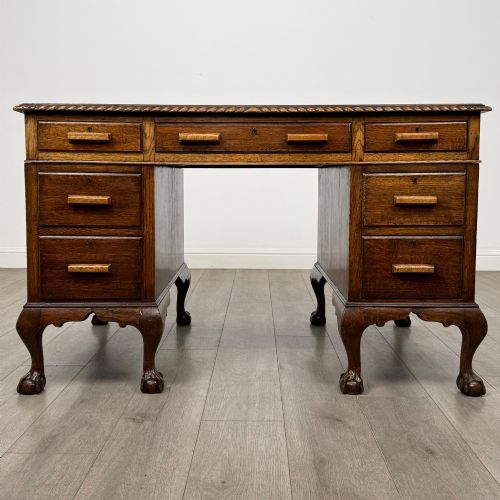
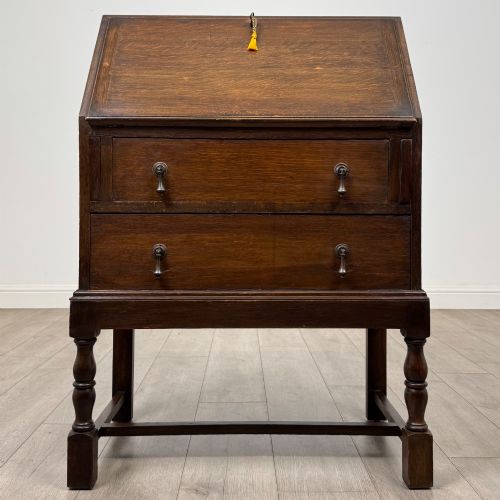
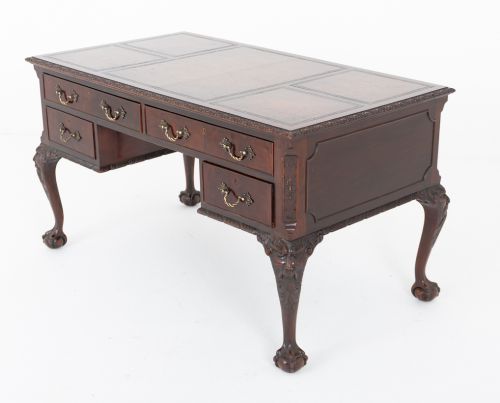
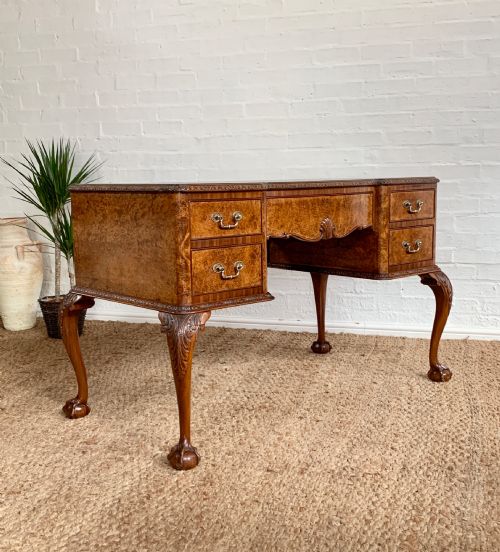
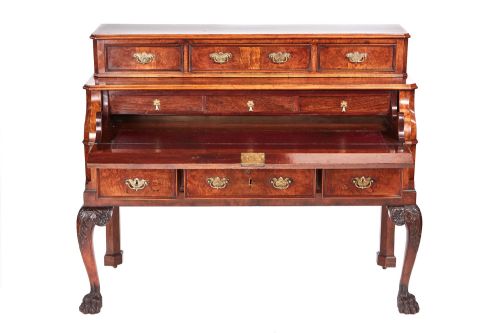
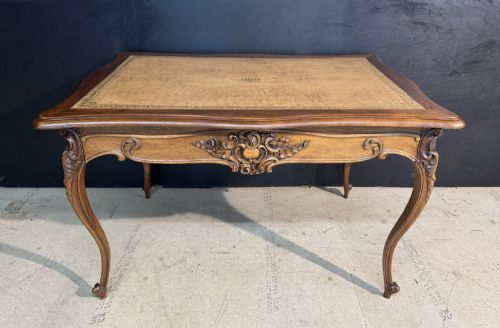
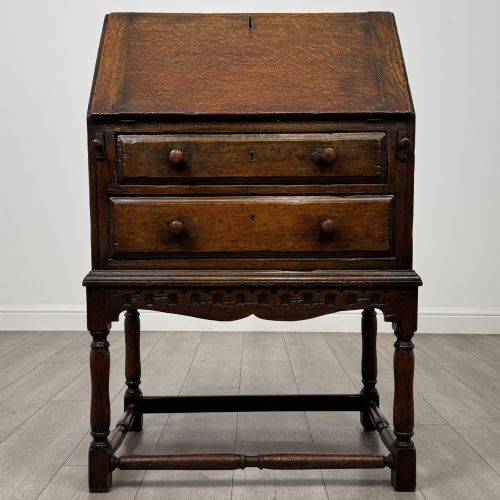
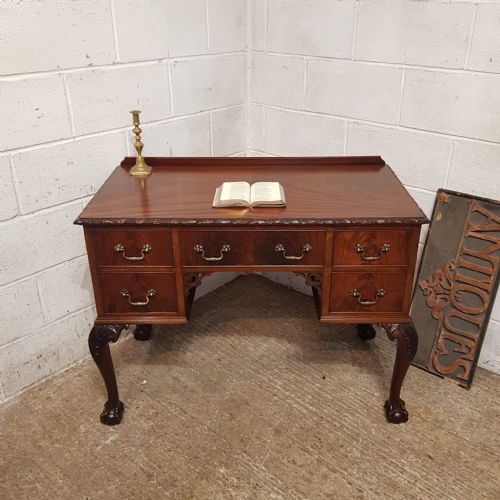
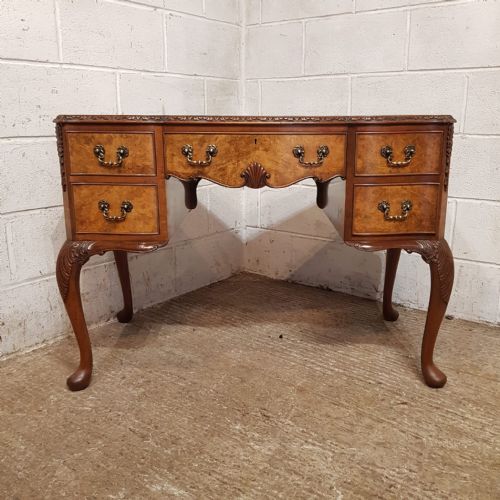
A carved leg bureau combines a fitted writing surface with lower support ranging from barley twist oak to carved paw feet.
Carved Leg Bureau
A carved leg bureau provides a practical workspace incorporating a drop-front writing flap or fitted interior alongside distinct lower support. Buyers searching for a carved leg bureau encounter Victorian and Edwardian examples fashioned primarily from oak and walnut.
The form appears alongside related writing furniture such as bureau bookcases and pedestal desks. Oak and walnut versions dominate the selection, often displaying revival styles like Jacobean or Queen Anne.
Materials and construction
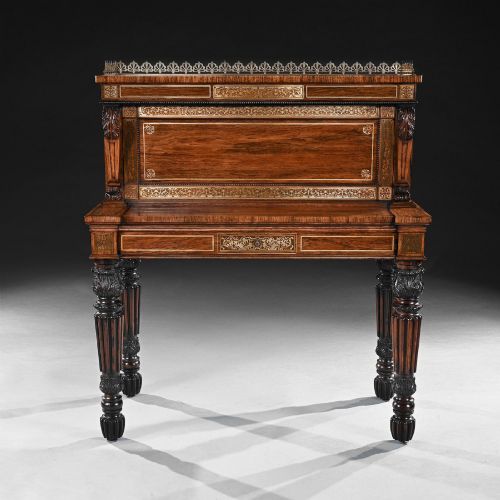
Cabinet makers utilised dense hardwoods including mahogany, burr walnut, and oak to build the primary carcass and drawers. Decorative elements often incorporated brass handles, leather writing surfaces, and glass panels.
Carving and turning techniques shaped the structural supports, producing barley twist legs, claw and ball feet, and carved paw feet. Surface finishes relied on polished veneers and natural timber grains.
Carved Leg Bureau Retail Price Guide 2026
Typical asking prices for carved leg bureau among the pieces listed under this phrase on Sellingantiques today, from the lower quarter to the upper quarter. They describe what is for sale here now, not the wider market.
Every serious writing desk needs a secret compartment hidden behind the pigeonholes for storing truly private correspondence.
Assessing quality and execution
Quality rests in the precision of the timber selection, such as figured burr walnut veneers paired with solid secondary woods. Finer pieces demonstrate crisp detail in the carved legs and smooth operation of internal pigeonholes and drawers.
Design cohesion separates standard production from superior examples, particularly where revival styles integrate proportions accurately with decorative brasswork or fitted leather inserts.
Gillows Oxford Street Workshop
The Carved Leg Bureau Glossary
- Bureau
- A desk featuring a sloping flap that opens to reveal a fitted interior of small drawers and pigeonholes. This form serves writing and storage functions simultaneously.
- Burr Walnut
- Timber taken from walnut tree growths, producing intricate and swirling grain patterns. Cabinet makers utilised these veneers on primary display surfaces.
- Jacobean Revival
- A nineteenth or twentieth-century style imitating seventeenth-century English furniture. Pieces in this taste commonly feature straight lines and turned supports like barley twists.
- Pedestal Desk
- A freestanding desk comprising two supporting banks of drawers beneath the work surface. A central kneehole provides space for the user.
Carved Leg Bureau: Frequently Asked Questions
What is a bureau bookcase?
A bureau bookcase combines a sloping writing desk compartment below with enclosed shelving or cabinet space above. This dual-purpose form maximises storage in studies and living rooms.
Such pieces appear in oak and walnut materials, aligning with the periods of the surrounding writing furniture.
How do I identify an Edwardian bureau?
Edwardian bureaux date from the early twentieth century and frequently utilise oak or mahogany. They often incorporate fitted writing interiors alongside turned or carved lower supports.
Construction methods from this era reflect mechanised timber preparation combined with traditional hand-finishing techniques.
Where should I place a walnut desk?
A walnut desk benefits from placement away from direct sunlight and heat sources to protect timber veneers and leather writing surfaces. Positioning the piece where natural light crosses the workspace aids reading and writing.
Allowing sufficient clearance around the desk ensures easy access to drawers and the drop-down writing flap.
What distinguishes revival styles?
Revival styles draw inspiration from earlier periods such as the Jacobean, Queen Anne, or Chippendale eras. Makers during the Victorian and Edwardian periods reinterpreted these historical designs using contemporary workshop methods.
Specific details like barley twist legs or claw and ball feet signal the particular historical influence chosen by the maker.