

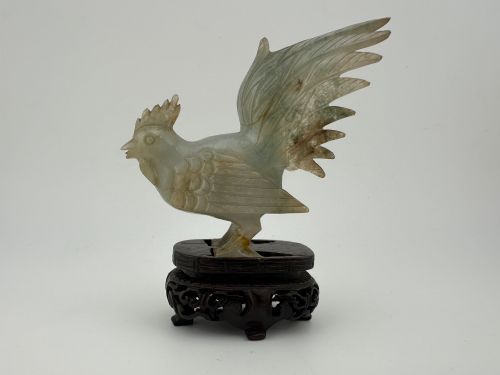
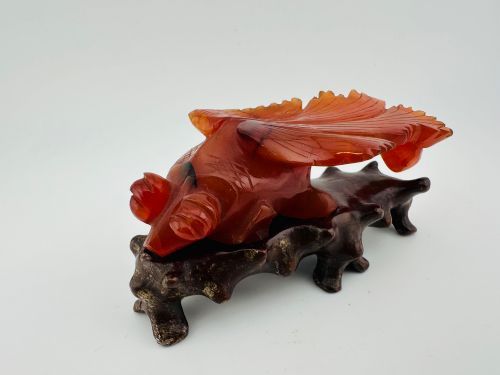
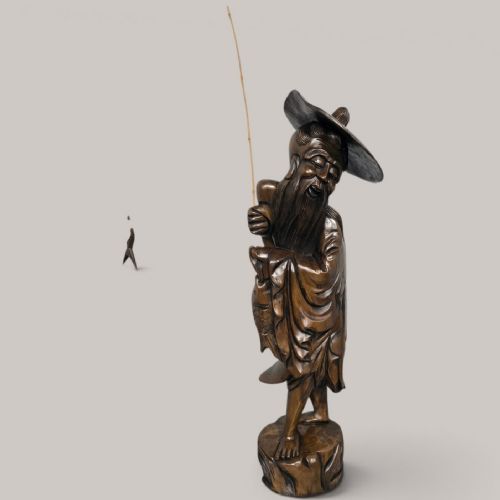
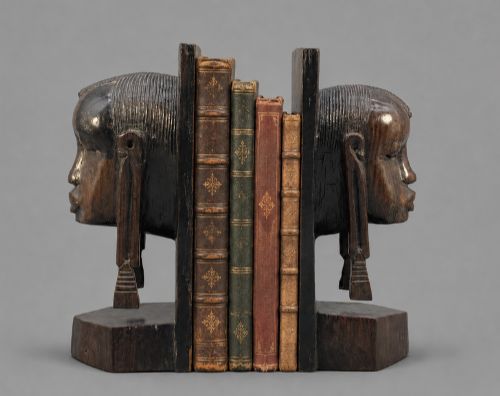

Carved Hardwood Sculpture
These pieces of carved hardwood sculpture span global traditions and centuries, offering rich visual presence to any room.
Carved Hardwood Sculpture
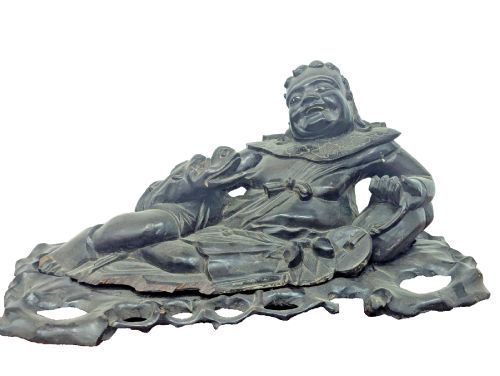
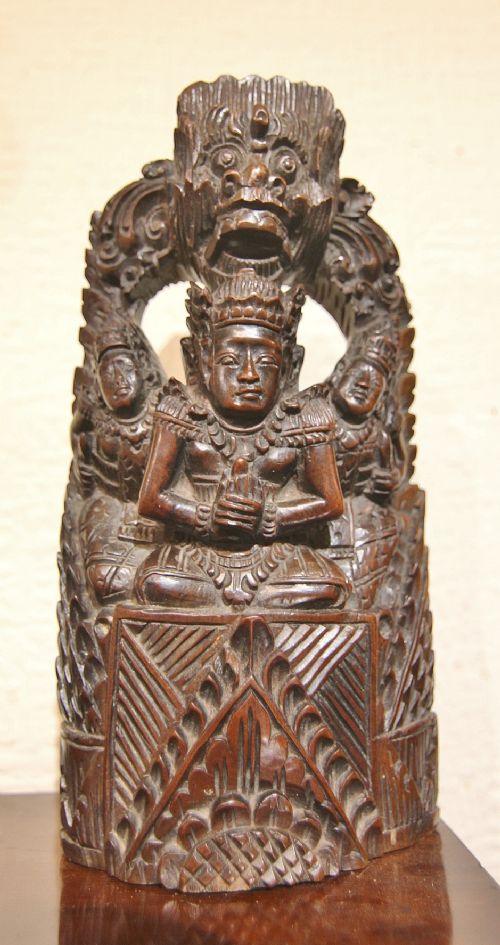
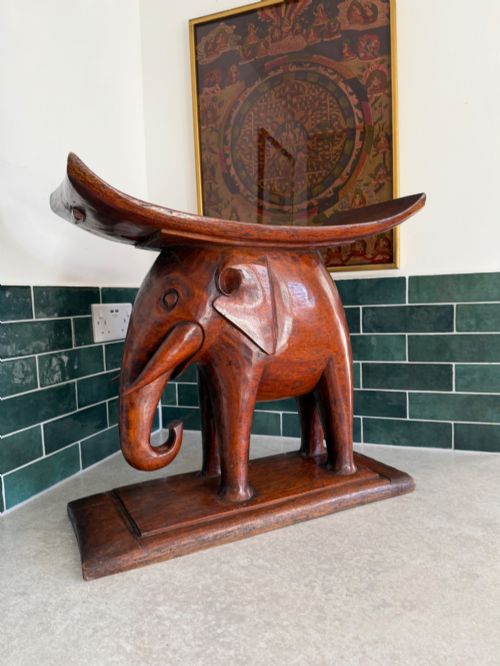
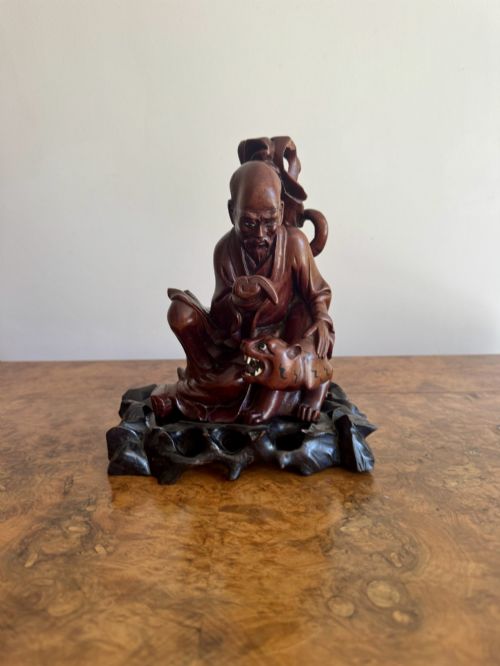
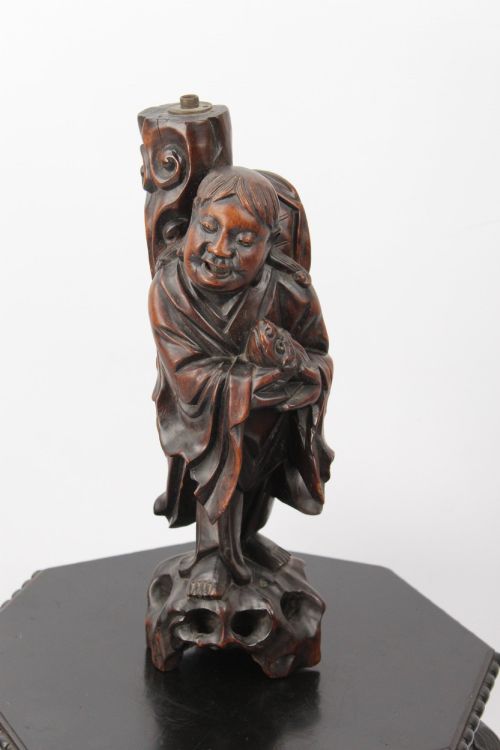
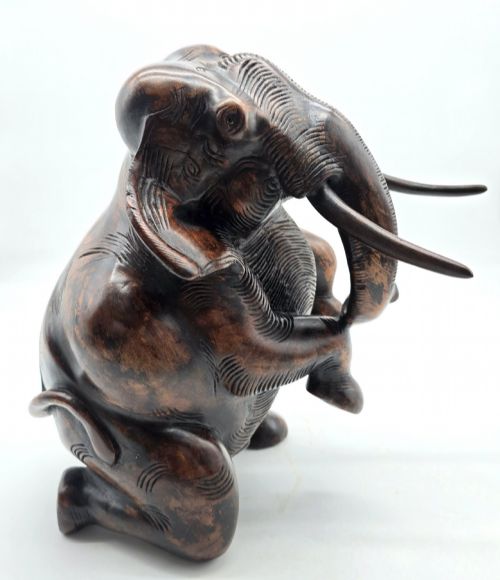
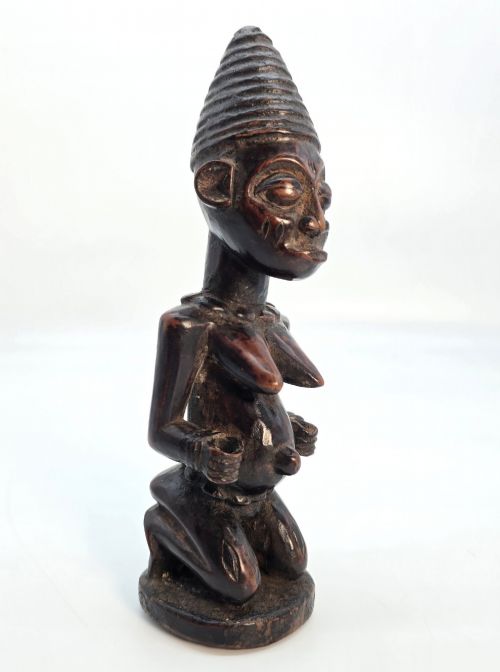
A carved hardwood sculpture represents figures, animals, and mythological subjects shaped from dense timbers across diverse regional traditions. The selection includes Chinese figures such as Daoist immortals, African tribal forms, Indian Raj period elephants, and European revival studies. Most examples date from the nineteenth and early twentieth centuries, reflecting traditional craftsmanship from Qing Dynasty workshops to Balinese and African carvers.
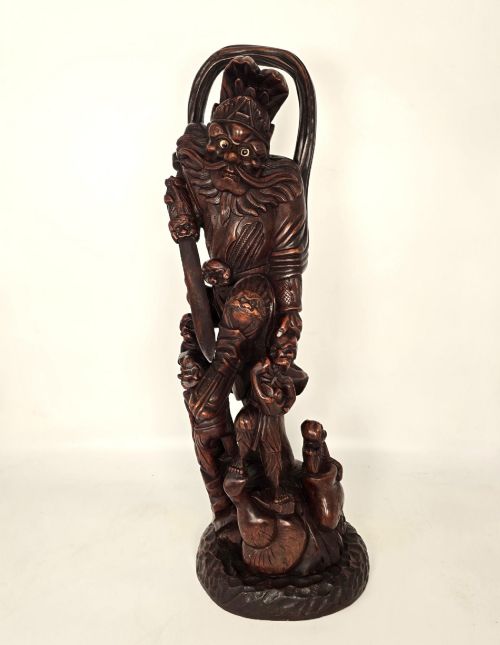
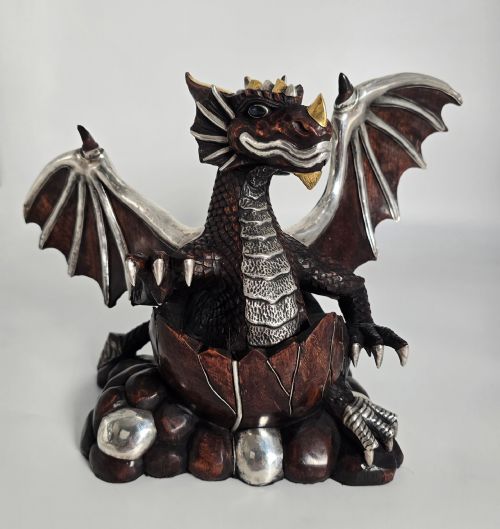
Buyers meet works ranging from intimate okimono to monumental guardian figures and matched pairs of animals. Many pieces incorporate specialised mounts, stands, or mixed metal and bone additions that complement the primary timber. Regional variations show distinct cultural iconography, from Chinese Buddhist and Daoist deities to Indonesian dancers and Maasai warriors.
Materials and Techniques
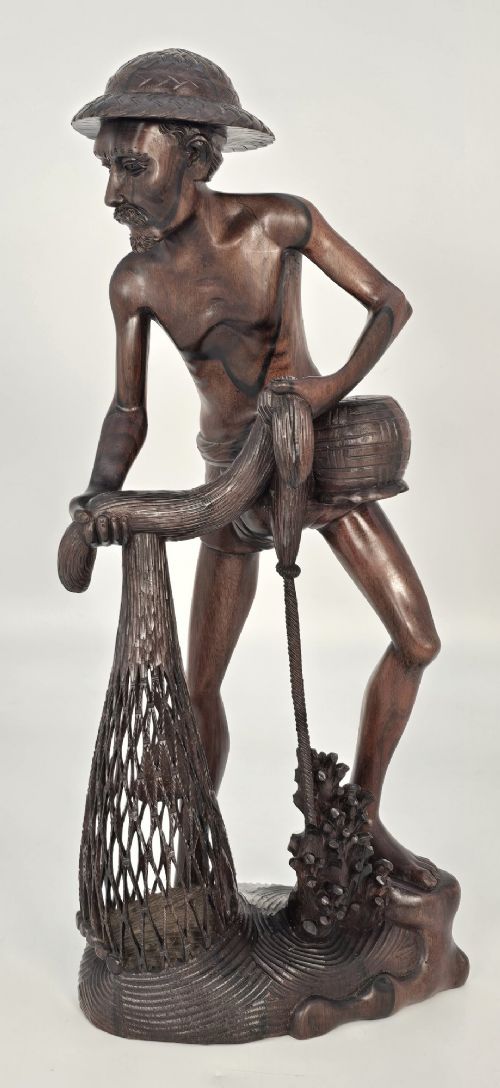
Maker traditions rely on dense timbers capable of holding intricate detail under deep chisel work. Sculptors utilise regional woods including ebony, teak, and general hardwoods, sometimes pairing them with bone, brass mounts, or painted surfaces. The carving technique involves reducing the block through detailed hand chiselling, allowing complex drapery, facial expressions, and animal textures to emerge from the grain.
Surface finishing ranges from smooth, polished patination that highlights the natural timber grain to painted highlights and mixed metal applications. Stands and integral bases are frequently fashioned from the same wood to support heavier figural compositions.
Carved Hardwood Sculpture Retail Price Guide 2026
Typical asking prices for carved hardwood sculpture among the pieces listed under this phrase on Sellingantiques today, from the lower quarter to the upper quarter. They describe what is for sale here now, not the wider market.
Among the carved animals standing ready to guard a modern mantelpiece, a vigilant iguana shares space with grinning monkeys and water buffaloes.
Evaluating Quality and Execution
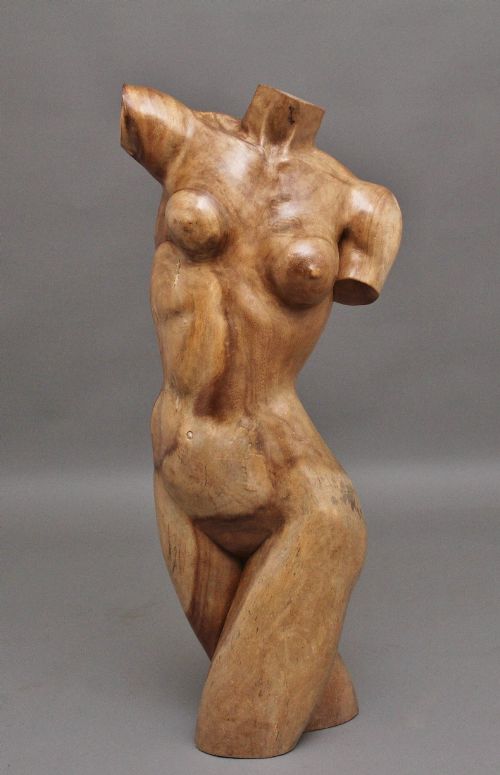
Quality rests upon the anatomical precision, depth of relief, and the liveliness of the carving. Superior pieces display confident handling of hair, hands, and facial expressions, whereas simpler works remain stiff or formulaic in execution. The integration of secondary materials, such as bone inlay or mixed metal mounts, also distinguishes finer studio pieces from standard decorative carvings.
Proportion and stance dictate visual success, particularly in large animal studies and complex human groupings. The natural figuring of the hardwood contributes significantly to the final aesthetic when the carver works with, rather than against, the grain.
V . Ramirez Bolivia
The Carved Hardwood Sculpture Glossary
- Okimono
- A Japanese freestanding ornamental carving intended for display on a shelf or in a tokonoma. These pieces often depict human figures, deities, or animals with high attention to naturalistic detail.
- Qing Dynasty
- The final imperial dynasty of China, lasting from 1644 until 1912. Carvings from this era frequently portray Daoist immortals, Buddhist figures, and mythical animals.
- Raj Period
- The period of direct British rule in the Indian subcontinent from 1858 to 1947. Sculptures from this era often depict ceremonial elephants, wildlife, and local figures in dense woods like ebony.
- Foo Dog
- A traditional Chinese architectural guardian lion depicted in pairs outside important structures. These stylised animals combine ferocious expressions with decorative manes and paws resting on globes.
Carved Hardwood Sculpture: Frequently Asked Questions
What is a carved hardwood sculpture?
A carved hardwood sculpture is a three-dimensional figure, animal, or decorative object shaped by hand from dense timber. These works originate from diverse global regions and historical periods, showcasing traditional craftsmanship.
Subjects range from religious deities and mythological creatures to wildlife and human figures. Each piece relies on the natural grain and strength of the wood to support intricate details.
How do I care for my sculpture?
Maintain your carved hardwood sculpture by keeping it away from direct sunlight and sudden temperature fluctuations. These environmental controls prevent the timber from drying out or splitting over time.
Dust the surface gently with a dry, soft cloth rather than using liquid polishes or chemical cleaners. Allowing the wood to develop a natural patina preserves its historical character.
How can I tell the period of a sculpture?
Dating relies on stylistic markers, costume details, and regional carving conventions associated with specific eras such as the Qing Dynasty or the Raj period. Examining the tool marks and the condition of the wood surface also aids identification.
Comparing the iconography with dated examples helps narrow down the origin and century of manufacture. Studio signatures or stamps, when present, provide further chronological clues.
Were these sculptures meant for display?
Many carved hardwood sculptures served as ritual objects, protective temple guardians, or decorative items within elite residences. Figures like Daoist immortals and guardian kings held spiritual significance in their original contexts.
Other examples, such as animal studies and okimono, were created primarily for aesthetic appreciation and domestic display. Their varied forms reflect the cultural practices of the makers.