




Carved Green Stone Ornaments
These carved green stone ornaments bring weight and colour to a room, ranging from grand Italian models to intricate Chinese sculptures.
Carved Green Stone Ornaments
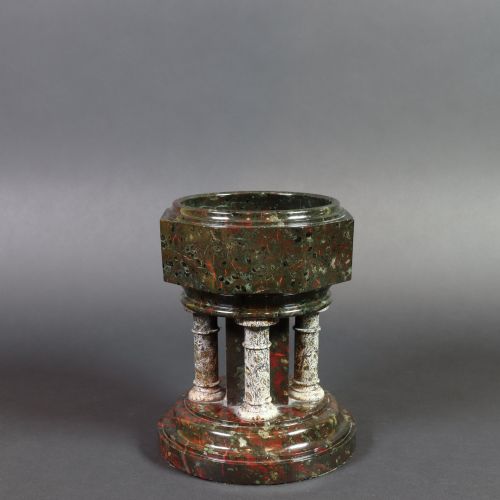
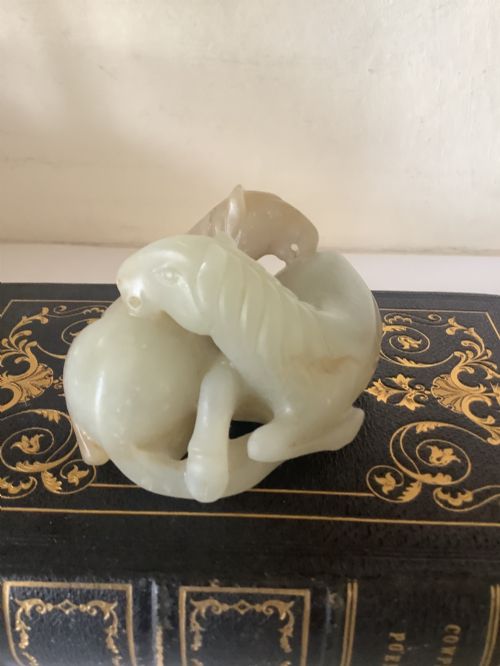
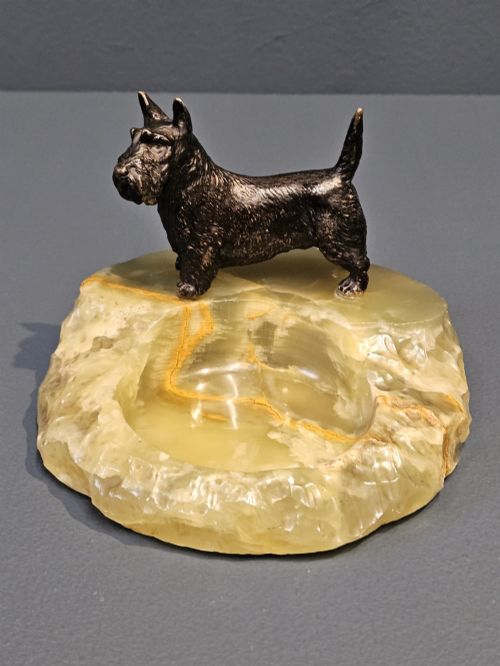
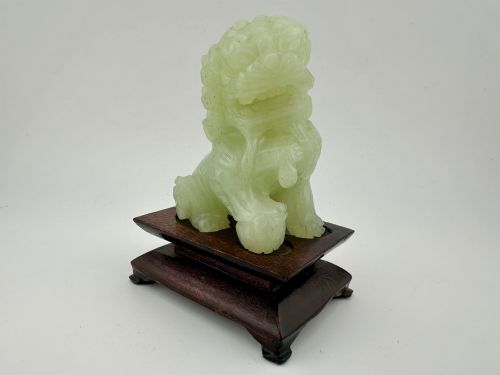
When you search for carved green stone ornaments, you encounter a diverse gathering of sculptural objects spanning the eighteenth to the twentieth centuries. These pieces cross European and Asian traditions, taking the form of animal figures, classical statues, architectural obelisks, and miniature table sculptures.
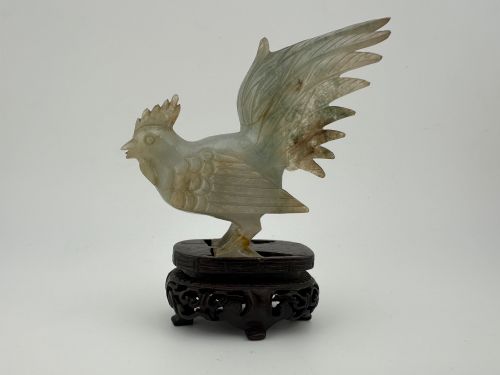
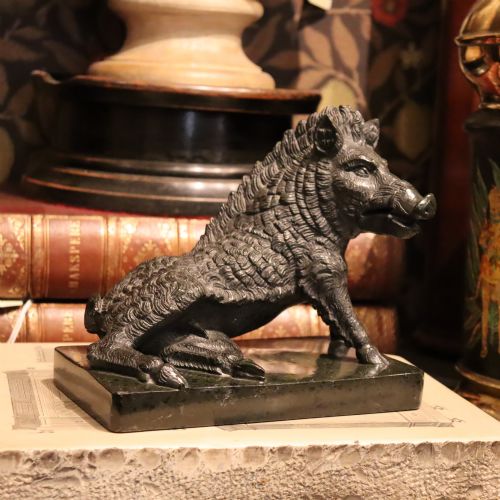
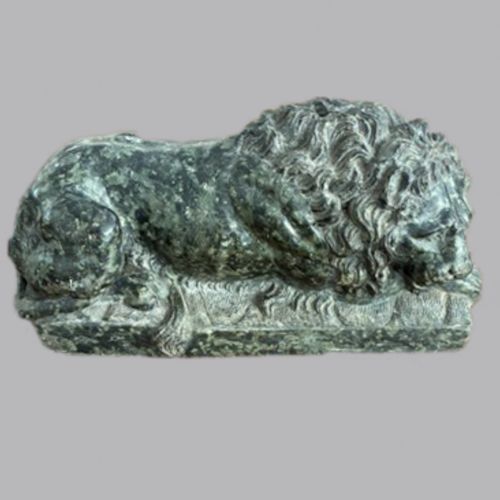
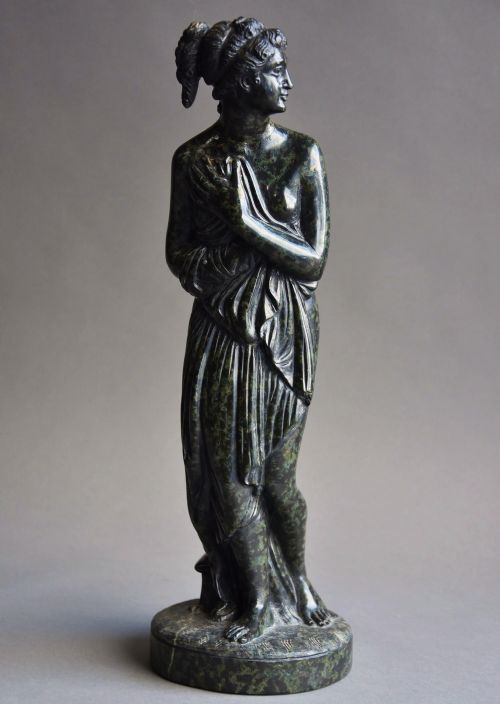
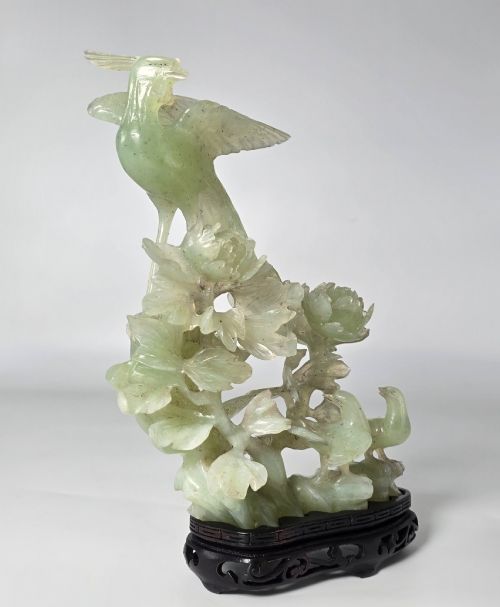
European works frequently emerge from the Grand Tour tradition, translating classical marbles and Italian monuments into rich serpentine and green marble. Alongside these, Chinese carvings utilise jade, jadeite, nephrite, and soapstone to depict birds, horses, monkeys, and landscape scenes.
The objects serve primarily as decorative sculptures, garden ornaments, and table centrepieces. You are most likely to meet nineteenth-century Italian Grand Tour animals and twentieth-century Chinese jade or hardstone carvings on this page.
How they were made
Makers shaped these ornaments from dense materials including jade, hardstone, serpentine marble, soapstone, and green Egyptian onyx. Working such stubborn substances required patient hand-carving and abrasive polishing to reveal the natural grain and depth of the stone.
Many Asian carvings incorporate fitted hardwood stands designed specifically to support the sculpture. European architectural and sculptural models relied on precise masonry techniques to replicate classical antiquities with strict geometric and anatomical accuracy.
Carved Green Stone Ornaments Retail Price Guide 2026
Typical asking prices for carved green stone ornaments among the pieces listed under this phrase on Sellingantiques today, from the lower quarter to the upper quarter. They describe what is for sale here now, not the wider market.
The listings on this page span the eighteenth, nineteenth, and twentieth centuries, uniting European neoclassical stone models with Chinese jade and soapstone carvings.
What varies in quality
Quality rests upon the natural clarity and colour of the material itself, alongside the precision of the carver's hand. Superior pieces demonstrate anatomical lifelikeness in animal figures and sharp, unblurred detail in architectural edges and drapery.
The integration between the stone sculpture and any subsidiary element, such as a carved hardwood base, dictates the overall success of the piece. Masterful handling transforms raw mineral into fluid movement and convincing texture.
The Carved Green Stone Ornaments Glossary
- Serpentine
- A green silicate mineral often used by Italian stonemasons for Grand Tour models due to its mottled, snake-like appearance. It polishes to a smooth, dark finish.
- Grand Tour
- A nineteenth-century cultural journey undertaken by wealthy Europeans who acquired classical souvenirs like marble models of famous sculptures. These items often replicated ruins and public monuments.
- Nephrite
- One of the two mineral species recognised as jade, known for its tough, fibrous micro-structure. It ranges from pale green to deep spinach tones.
- Obelisk
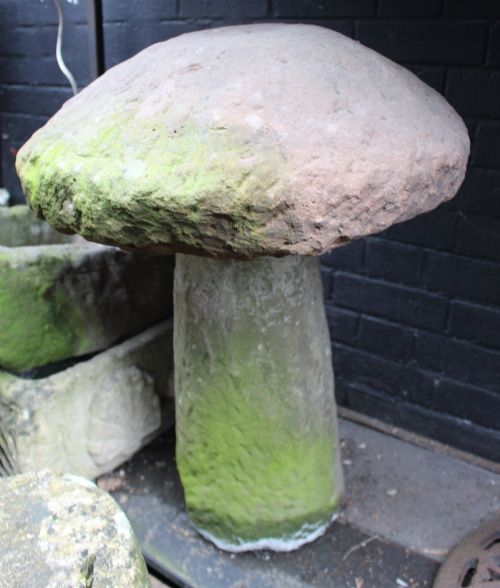
- A tall, four-sided, narrow tapering monument which ends in a pyramid-like shape at the top. Paired examples in green Egyptian onyx appear frequently in nineteenth-century interior decoration.
- Soapstone
- A softer metamorphic rock rich in talc, favoured in Chinese carving for its smooth feel and ease of intricate shaping. It takes a warm, matte lustre over time.
Carved Green Stone Ornaments: Frequently Asked Questions
How do I clean carved green stone ornaments?
Dust these pieces gently with a dry, soft brush to protect delicate carved edges and natural mineral surfaces. Avoid commercial chemical cleaners and excessive water, which can damage unsealed stone or fitted wooden bases.
For stubborn grime, a slightly damp cloth with mild soap works safely on hard jade or marble surfaces. Dry the object thoroughly immediately afterwards.
Are jade and nephrite the same thing?
Nephrite is one of two distinct minerals classified as jade, the other being jadeite. Both materials share immense toughness and historical significance in Asian carving traditions.
Distinguishing between them often requires gemological testing, though their dense, fibrous structures allowed artisans to carve remarkably intricate miniature sculptures and plaques.
What is a Grand Tour ornament?
Grand Tour ornaments are decorative sculptures and architectural models purchased by travellers touring historical sites in Italy and Europe during the eighteenth and nineteenth centuries. They served as tangible proof of classical education and refined taste.
Common subjects include reduced replicas of famous Roman and Florentine sculptures carved from local green marbles and serpentine.
Do Chinese stone carvings always include a stand?
Many significant Chinese jade and hardstone carvings feature custom-made hardwood stands designed to cradle the asymmetrical shape of the stone. These stands elevate the sculpture and anchor its display on a table or cabinet.
While some pieces stand independently, the presence of an original fitted wooden base often enhances the historical integrity of the piece.