

Carved Green Jade
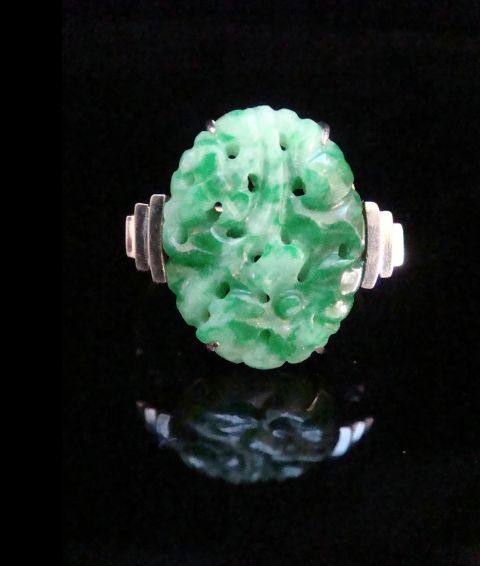
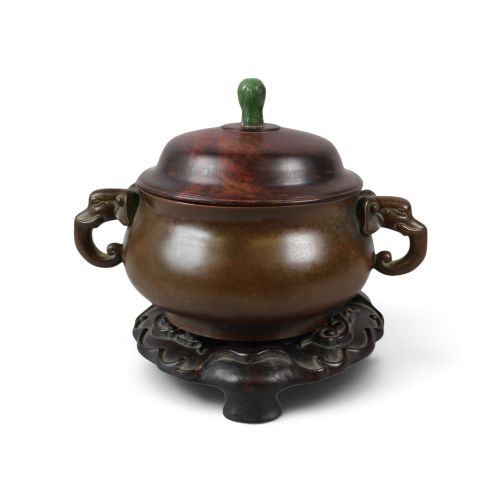
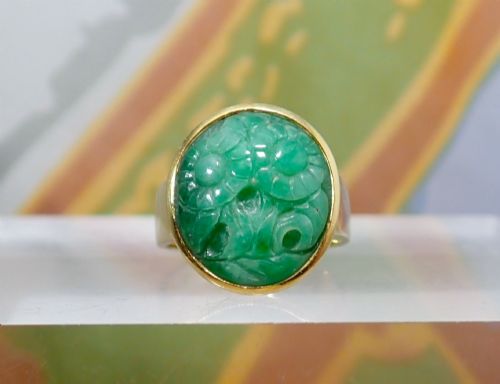
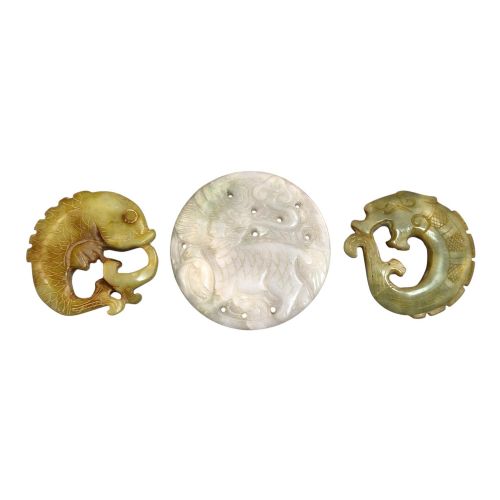
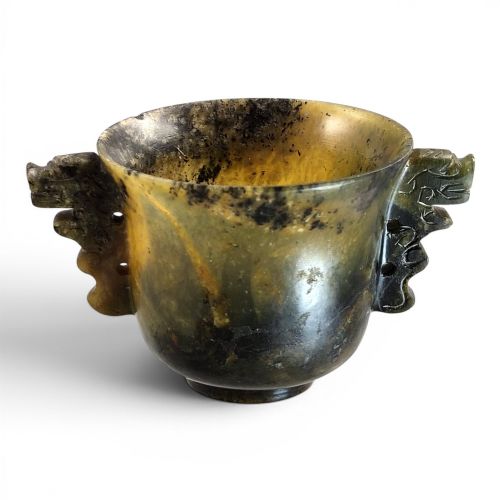
These pieces of carved green jade range from archaic ceremonial vessels and scholarly brush washers to Art Deco platinum rings and pendants.
Carved Green Jade
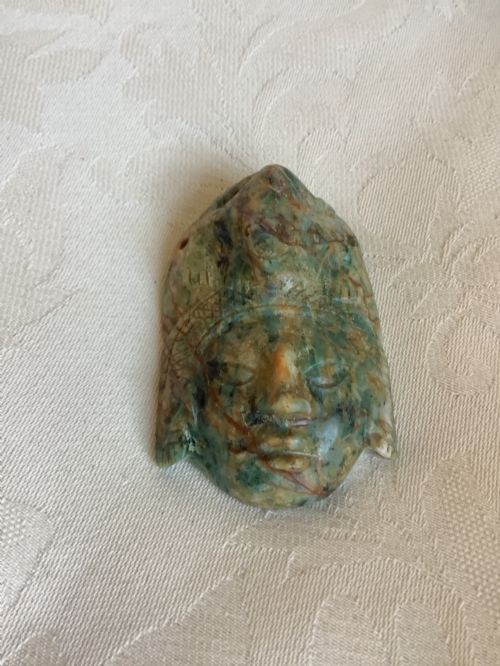
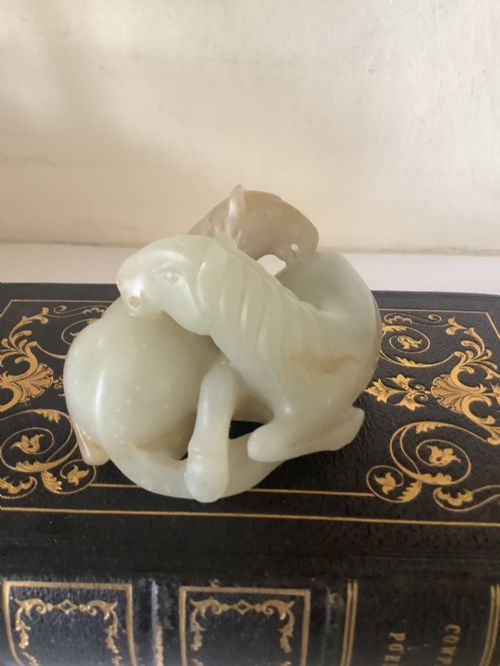
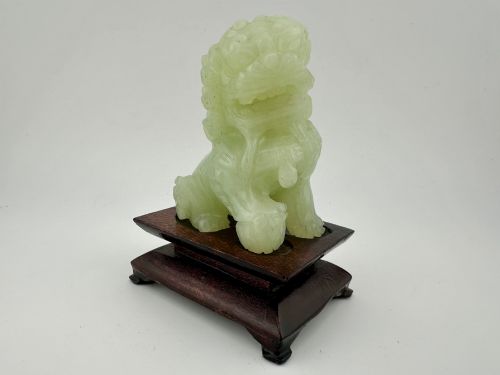
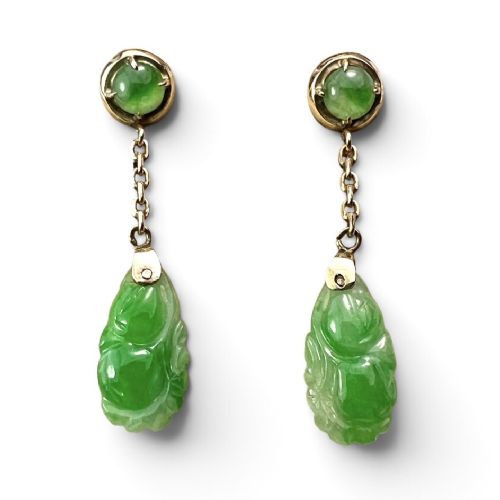
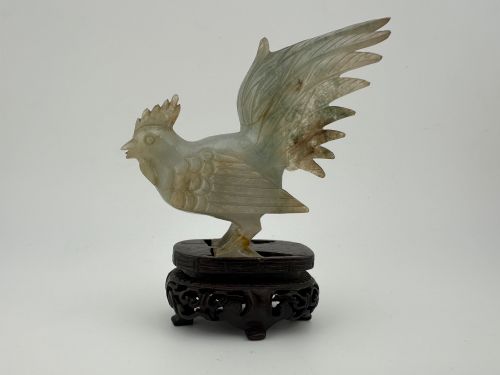
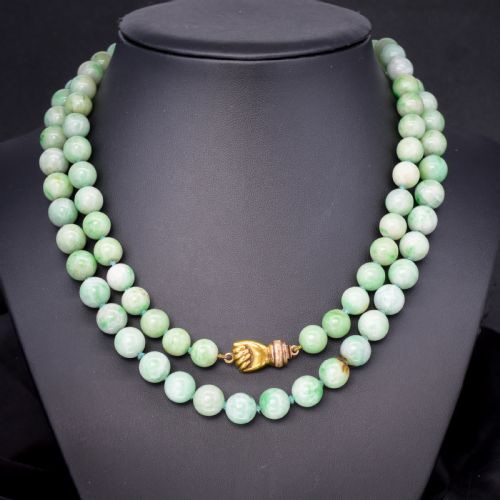
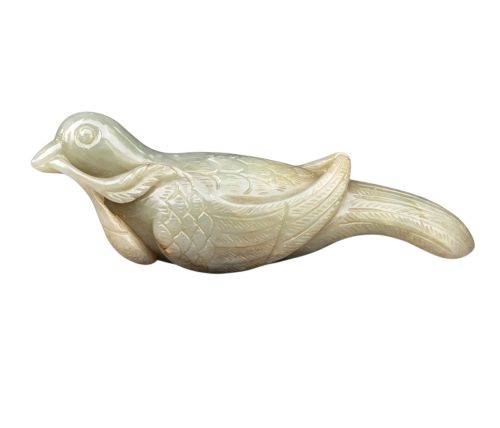
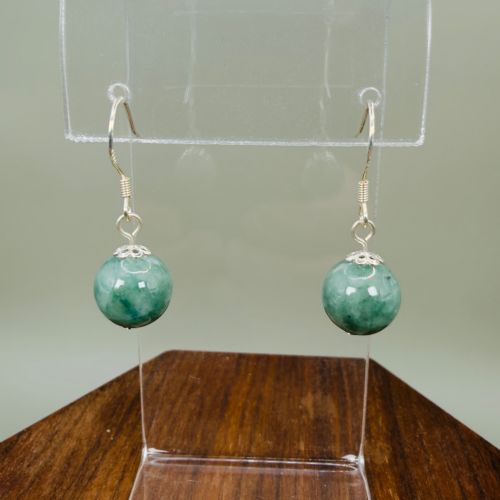
Carved green jade spans diverse objects, including sculptural figures of guardian lions, cockerels, horses, and water birds, often resting on custom hardwood stands. Smaller ornaments appear as pendants, beads, bi discs, talismans, and drop earrings mounted in gold, platinum, or silver.
The material itself shifts in tone, encompassing pale celadon, yellow-green, spinach-green, and dark green shades. Items originate from traditional Chinese dynasties, the Republic period, and Western Art Deco workshops, alongside occasional pre-Columbian examples.
Materials and carving techniques
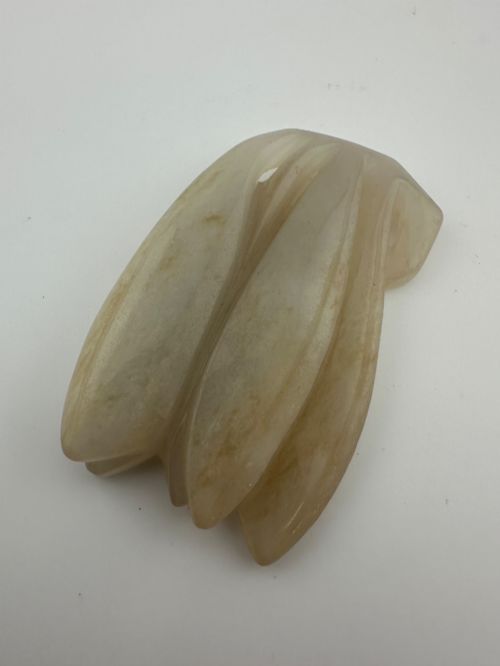
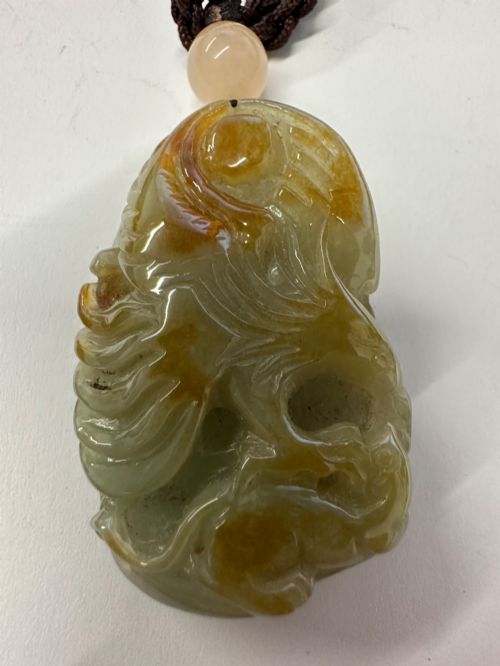
Carvers worked with nephrite and jadeite minerals, utilising the natural russet skin or contrasting inclusions of the stone to accentuate motifs such as dragons, phoenixes, and fruit. Hardwood stands were frequently carved to complement the contours of the primary jade sculpture or vessel.
Western jewellers set carved jade panels, beads, and drops into platinum, gold, and sterling silver mountings, frequently pairing the green stone with diamonds, pearls, or geometric Art Deco frameworks.
Several stone animals stand patiently upon custom wooden platforms, including guardian lions, cockerels, water birds, and a camel with its rider.
Evaluating the work
The standard of a carving depends on the subtlety of the execution, where fluid lines define musculature, feathers, and archaic taotie masks without losing the integrity of the original stone pebble. Superior pieces display thoughtful integration of natural russet or darker mineral patches into the design.
In jewellery, quality rests on the translucency and saturated imperial colour of the jadeite or nephrite, combined with the precision of the precious metal settings and any accompanying gemstone accents.
The Carved Green Jade Glossary
- Nephrite
- A dense, tough amphibole mineral utilised for centuries in Chinese carving due to its fibrous structure and resistance to fracturing.
- Jadeite
- A pyroxene mineral that yields bright green tones and higher translucency, frequently favoured in twentieth-century jewellery and pendants.
- Celadon
- A pale grey-green glaze or stone colour reminiscent of traditional ceramic finishes and specific jade variants.
- Archaistic
- A style that deliberately mimics the decorative motifs, shapes, and patination of ancient bronzes and ritual objects from earlier dynasties.
- Bi disc
- A flat circular jade artefact with a circular hole in the centre, historically associated with ancient ritual and cosmology.
Carved Green Jade: Frequently Asked Questions
How do I care for carved jade?
Clean jade gently using warm water and a soft cloth, avoiding harsh chemical cleaners or ultrasonic machines that might damage mounted settings or softer minerals.
Store pieces separately in padded compartments to prevent scratching from harder gemstones or metals.
What is an archaistic jade carving?
Archaistic carvings adopt the ancient vessel forms, taotie masks, and ritual symbols of early Chinese dynasties while being produced in later periods such as the Qing era or the early twentieth century.
These pieces reflect a scholarly reverence for historical antiquity and traditional craftsmanship.
How are nephrite and jadeite different?
Nephrite and jadeite are two distinct mineral species that share similar toughness and appearance but possess different crystal structures and chemical compositions.
Nephrite tends toward a greasy lustre and dense, fibrous green or celadon tones, while jadeite can exhibit greater transparency and vivid emerald hues.
Can I wear antique jade daily?
Pendants, beads, and rings set in gold or platinum are generally durable enough for regular wear, provided you remove them during strenuous physical activities.
Delicate openwork pendants and antique settings benefit from occasional checks by a jeweller to ensure secure mountings.