
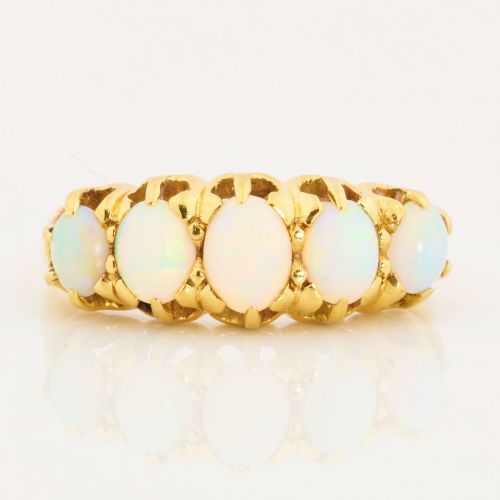
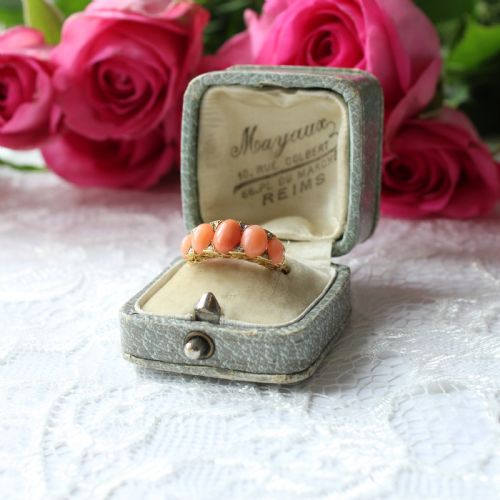


Carved Gold Setting Ring
A carved gold setting ring brings together period gemstones and precious metals, offering enduring craftsmanship from the Victorian era to the mid-twentieth century.
Carved Gold Setting Ring
The selections span from the late nineteenth century through to the 1960s, showing how jewellers adapted precious metals to frame diamonds, rubies, sapphires, opals, jadeite, and garnets. Most pieces found here utilise eighteen-carat yellow, white, or rose gold, alongside platinum and lower carat variants such as nine-carat and fifteen-carat gold.
How they were made
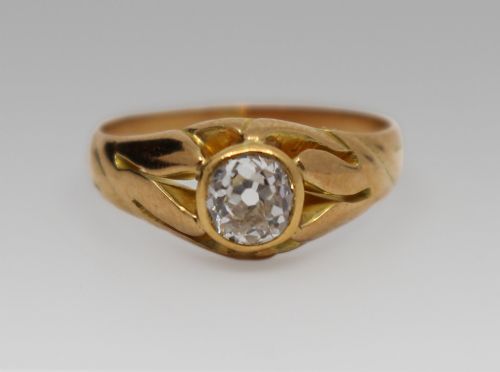
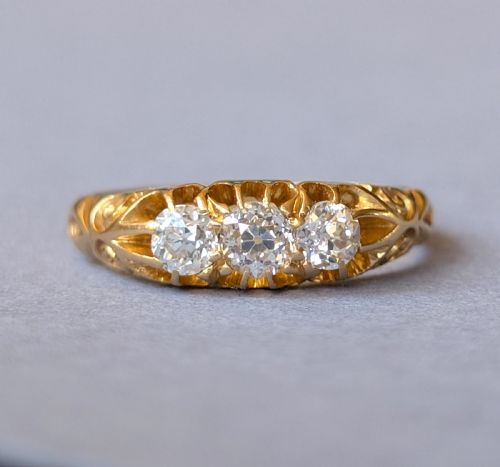
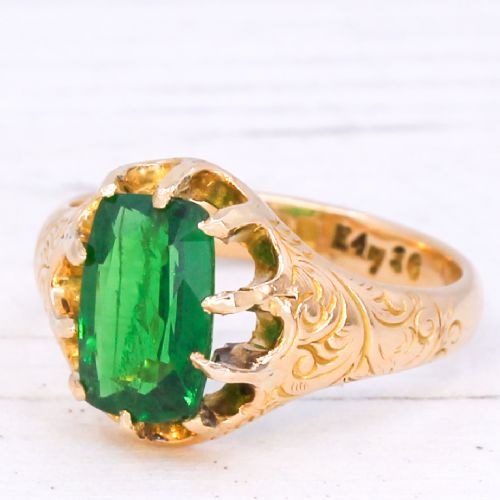
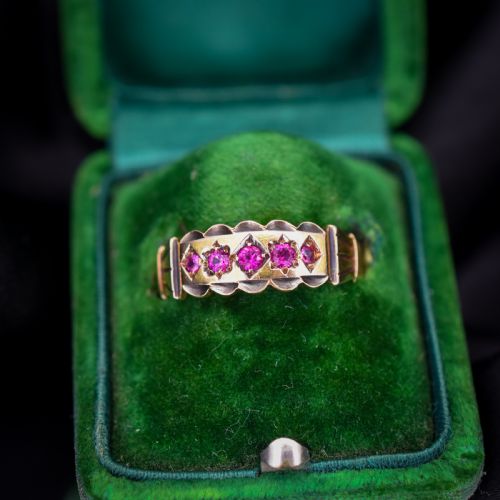
Goldsmiths shaped mounts from eighteen-carat yellow, white, and rose gold, often combining platinum settings for enhanced durability around diamonds and coloured gemstones. Metalwork techniques such as gypsy setting flush the stones into the heavy band, whilst ornate pierced and carved details define the shoulders and bezels.
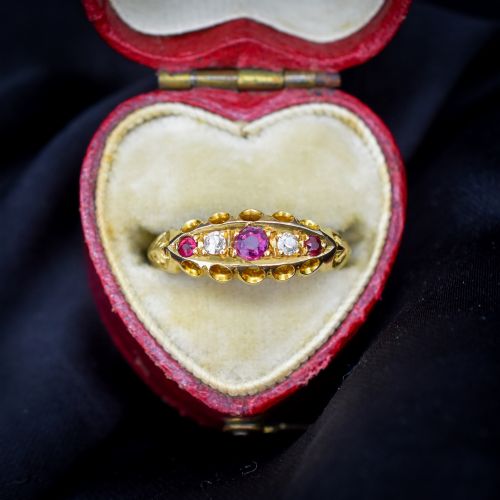
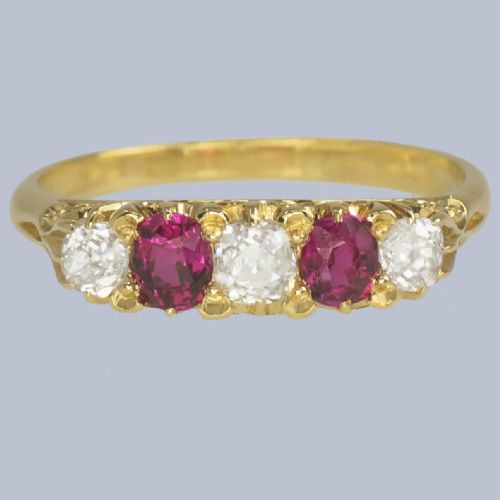
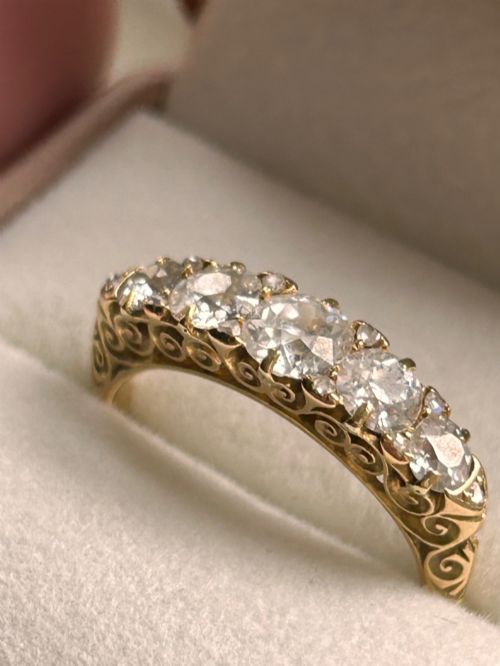
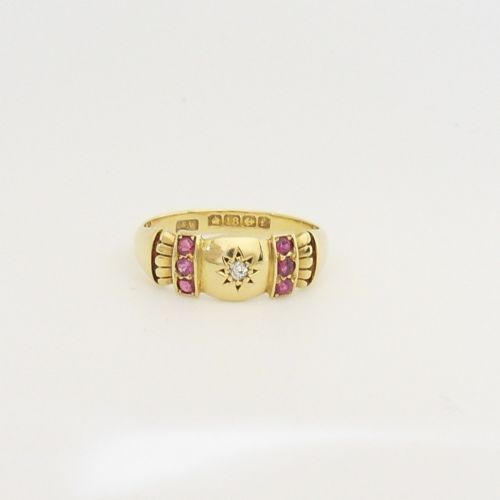
Gemstones including old cut diamonds, mine cut diamonds, rubies, sapphires, and carved jadeite were hand-selected to fit specific geometric or boat-shaped arrangements. Hallmarks stamped into the interior bands record assay office origins in cities like Chester and Birmingham alongside specific production years.
The listings span from the Victorian era through Edwardian and Art Deco periods to mid-century designs, utilising gold, platinum, and carved jadeite.
What varies in quality
The distinction between standard and superior pieces rests upon the crispness of the hand-carved detailing on the gold shoulders and bezels. Finer examples retain sharp, unrubbed engraving and structural integrity in the metalwork without thinning from decades of wear.
Gemstone selection and matching dictate overall tier placement, particularly in multi-stone configurations like five-stone rings and half eternities. Stones securely held within robust collets or flush gypsy mounts demonstrate careful initial manufacturing and subsequent maintenance.
The Carved Gold Setting Ring Glossary
- Gypsy ring
- A ring style featuring stones flush-set directly into a thick, tapered metal band. This robust setting style gained immense popularity during the Victorian and Edwardian periods for daily wear.
- Boat ring
- A ring configuration where the central gemstones are arranged horizontally in a navette or boat-like silhouette that tapers towards the shoulders. These typically showcase graduated diamonds alongside rubies or sapphires.
- Old cut diamond
- A precursor to the modern brilliant cut, characterised by a smaller table, higher crown, and open culet. These stones were hand-faceted during the eighteenth, nineteenth, and early twentieth centuries.
- Navette
- A pointed, elongated oval shape resembling the hull of a little ship, often utilised in cluster rings to maximise finger coverage. The French term translates directly to little boat.
Carved Gold Setting Ring: Frequently Asked Questions
How do I date these rings?
Dating relies heavily on official hallmarks stamped inside the band, which often indicate specific assay offices and production years. Stylistic clues such as Edwardian boat settings or Art Deco geometric motifs also help establish the correct era.
Changes in metal usage, such as the introduction of platinum alongside yellow gold, further narrow down the manufacturing period between the Victorian era and the mid-century.
Can I wear mine every day?
Many of these pieces were originally constructed for daily wear, particularly robust gypsy and heavy band configurations. However, older settings with delicate claws or softer stones like opal and jade require more careful handling.
Consulting a jeweller to check the security of the settings ensures the gemstones remain firmly anchored during regular use.
What is a gypsy setting?
A gypsy setting embeds the gemstone flush into the thick, solid metal band rather than lifting it up in traditional claws. This technique creates a smooth, rounded profile that protects the girdle of the stone.
First coming to prominence in the Victorian era, this secure mounting method proved particularly popular for men's and women's everyday diamond rings.
How do I clean antique gold?
Cleaning historic jewellery requires gentle methods, using warm water and mild washing-up liquid with a very soft brush to remove everyday oils. Harsh chemical dips should be avoided, especially on rings containing softer organic gems or fragile foiled stones.
Periodic professional inspection ensures that neither the gold prongs nor the flush-set bezels have loosened over time.