


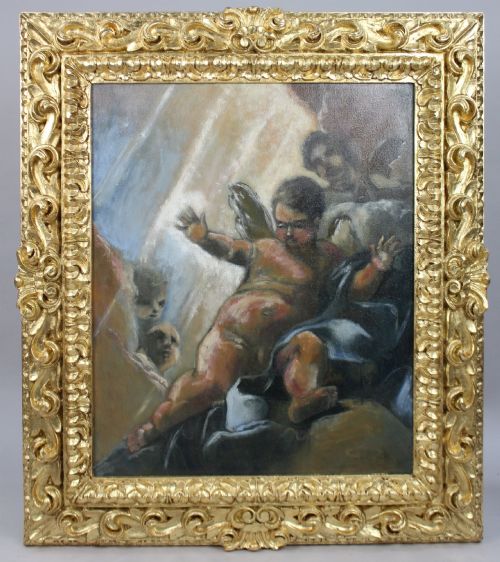

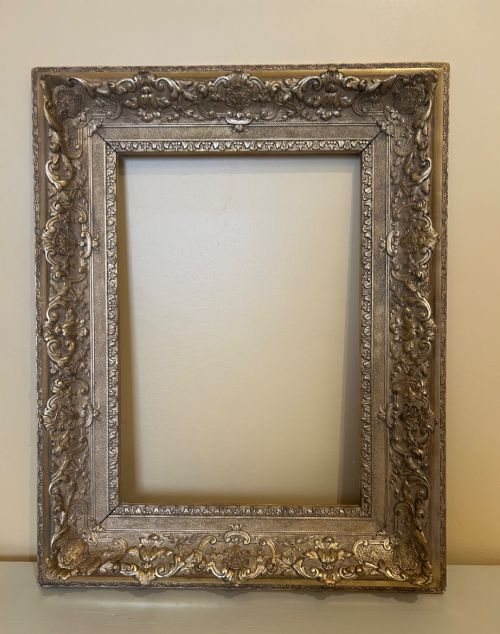

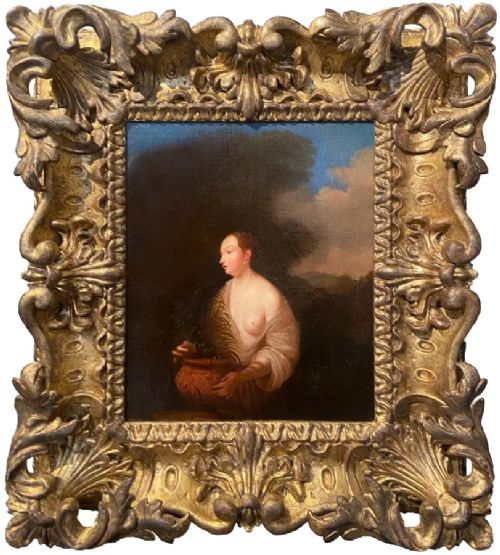
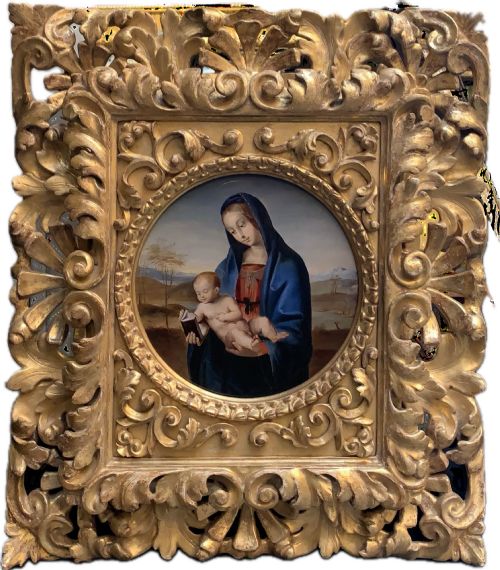
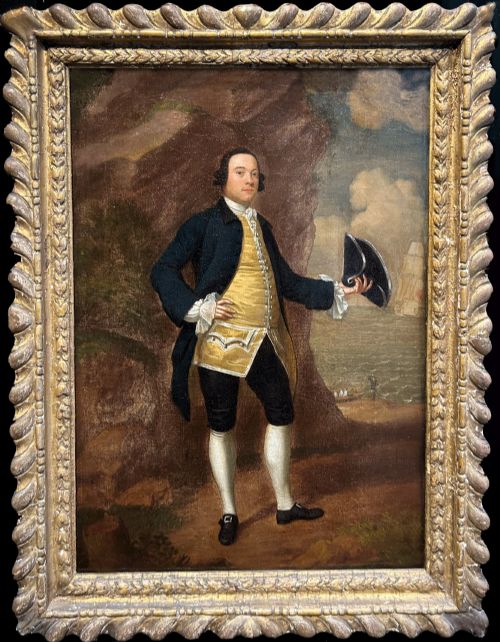


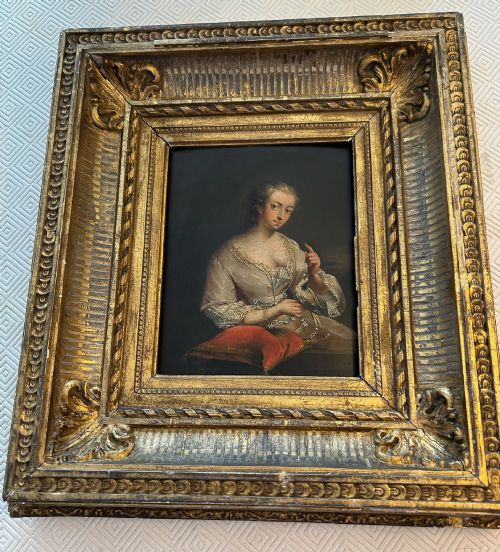
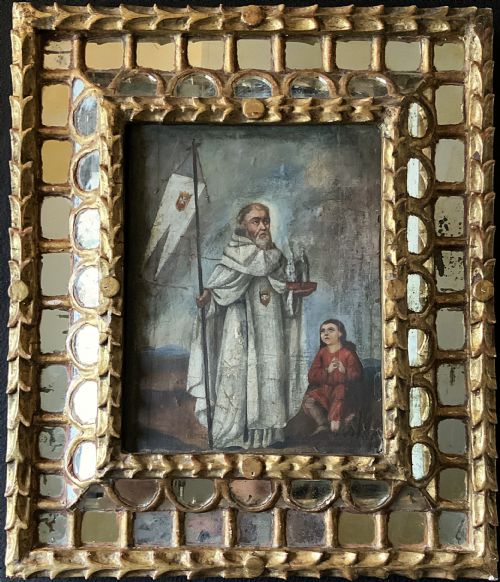
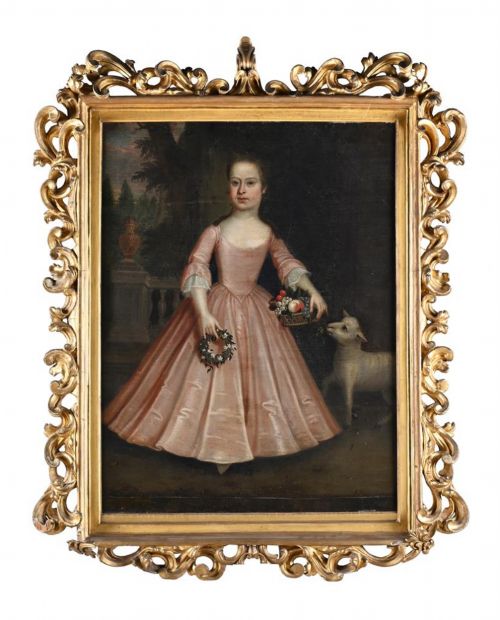

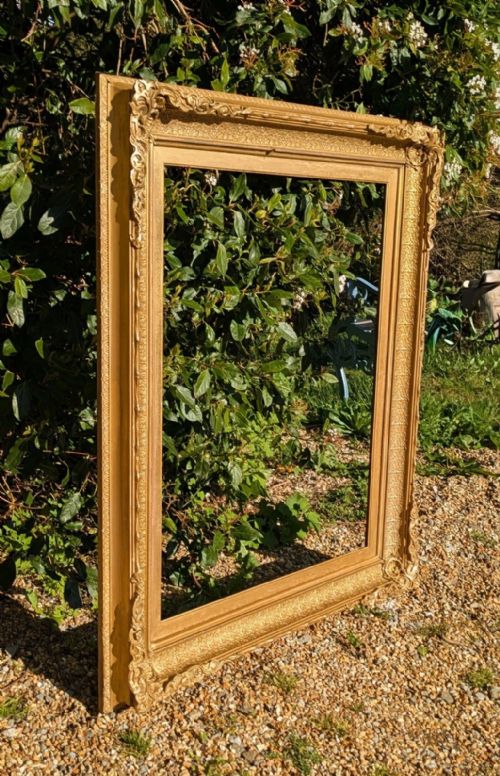
Carved Giltwood Portrait Frame
When you search for a carved giltwood portrait frame, you are looking for a historic enclosure shaped by wood and leaf that was built to hold oil on canvas.
Carved Giltwood Portrait Frame
A carved giltwood portrait frame is a decorative enclosure designed to house oil paintings, canvas works, and mirrors, often originating from centuries past. These items survive in various forms, from seventeenth-century Baroque configurations to later Victorian and Renaissance Revival examples.
The objects listed here include standalone surrounds as well as complete historical portraits rendered by European schools. Buyers frequently encounter frames paired with oil paintings depicting noble figures, religious subjects, or gentlemen in periwigs.
Many of these pieces reflect specific regional designs, such as Italian Florentine patterns or deep Dutch mouldings. They serve both to protect the artwork within and to project status through ornate wooden carving.
How they were made
Makers constructed these frames using a wooden base, which was then built up with layers of gesso to create a smooth surface for fine carving and detail work. Artisans carved intricate motifs directly into the wood or gesso layers before applying gold leaf.
The application of gold leaf required meticulous hand-gilding techniques to achieve a continuous metallic sheen across the moulded profiles. Craftsmen also used bole, a prepared clay ground beneath the gold, to enrich the warmth of the finished giltwood surface.
Among the historical faces looking out from these giltwood borders are domestic animals, a mischievous monkey, and nineteenth-century dogs.
What varies in quality
The depth and crispness of the carving distinguish finer frames from simpler production pieces, as master carvers achieved sharper undercut foliage and more expressive scrolls. The continuity of the gesso preparation beneath the gold leaf also dictates how well the surface reflects light over centuries.
Originality of the gilding and the presence of the untouched primary wood structure separate well-preserved historical examples from heavily restored counterparts. The weight and stability of the timber carcass further indicate the original workshop standards.
Sir Anthony van Dyck·Thomas Murray·Sir Joshua Reynolds·Sir Peter Lely
The Carved Giltwood Portrait Frame Glossary
- Giltwood
- Wood that has been coated with gold leaf or gold powder. This finish provides the characteristic metallic brilliance seen on historical picture frames.
- Gesso
- A plaster mixture used as a base coat on wood before gilding. It allows craftsmen to carve intricate decorative details prior to applying gold leaf.
- Trumeau
- A decorative wall mirror or panel incorporated into architectural woodwork. These pieces frequently feature carved giltwood borders surrounding an upper painting or mirror plate.
Carved Giltwood Portrait Frame: Frequently Asked Questions
How do I date a giltwood frame?
Dating relies on the profile of the moulding, the composition of the underlying gesso, and the style of the wood carving. Earlier centuries favour deep, layered profiles, while later periods introduce cast composition ornaments.
Examining the reverse of the wood carcass often reveals historical tool marks, joinery methods, and hardware that correspond to specific centuries of manufacture.
Are these frames meant to hold paintings?
These frames were originally constructed to house oil paintings on canvas or panel, serving as an integral architectural complement to the artwork. Many survive today still containing their period portraits.
Collectors also source empty frames of specific dimensions to house period-appropriate oil paintings that lack their original surrounds.
How should I clean a giltwood surface?
Giltwood requires minimal intervention, utilising only a soft, dry brush to gently remove dust from the recesses of the carving. Moisture and modern cleaning agents can dissolve the historical water-gilding technique.
Professional conservators should handle any structural consolidation or cleaning that involves the gold leaf surface to prevent irreversible loss.
What is the difference between gesso and carved wood?
Carved wood involves shaping the actual timber base using gouges and chisels to form the primary relief. Gesso is a plaster applied over the wood to build up fine details and provide a smooth ground for gilding.
Finer pieces feature extensive hand-carving directly in the wood, whereas later or mass-produced items rely more heavily on moulded gesso composition.