


Carved Giltwood Legs
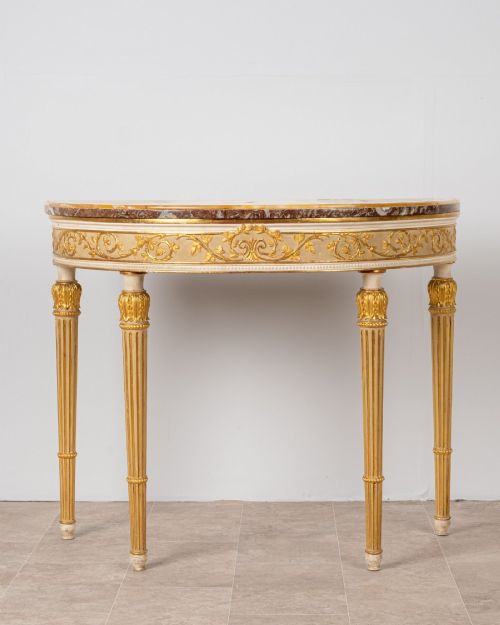
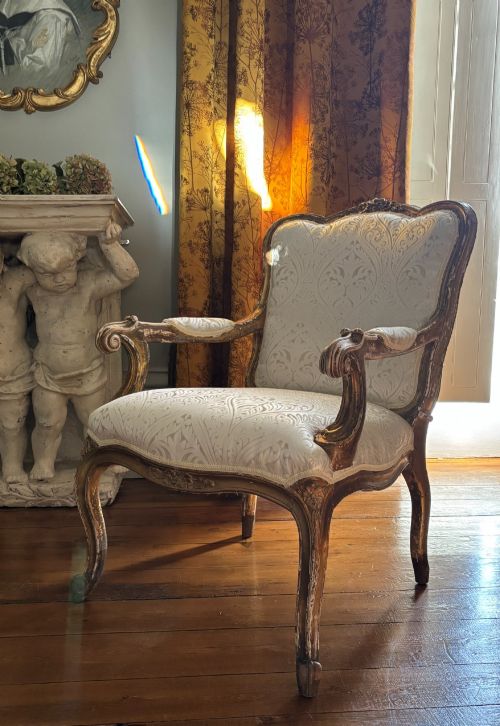
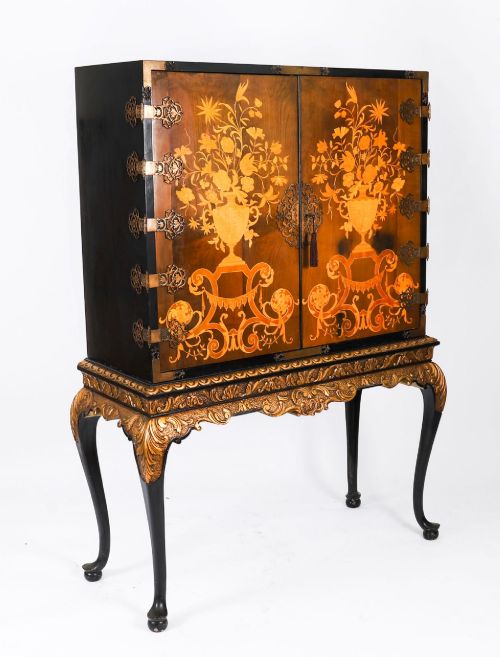
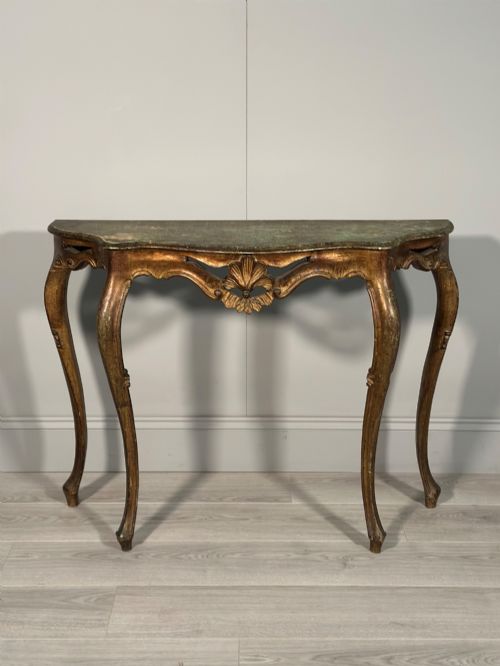
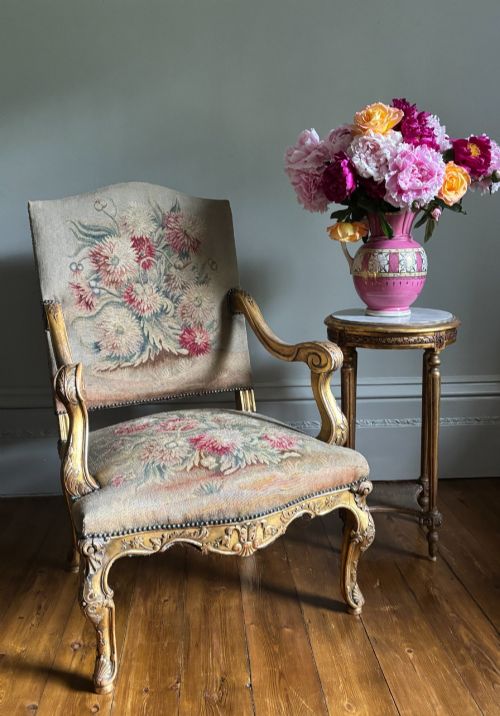
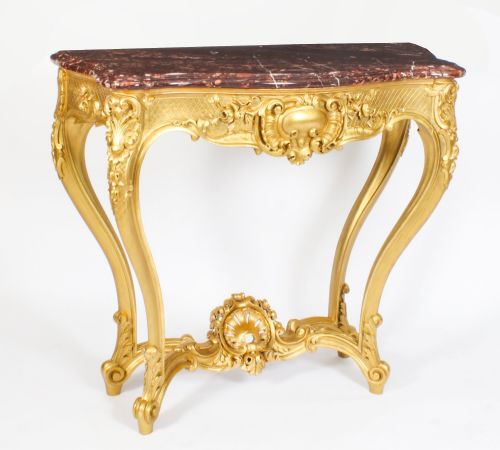
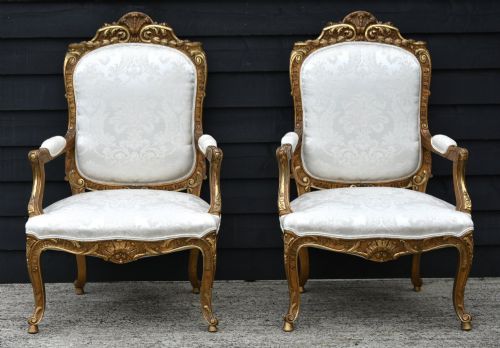
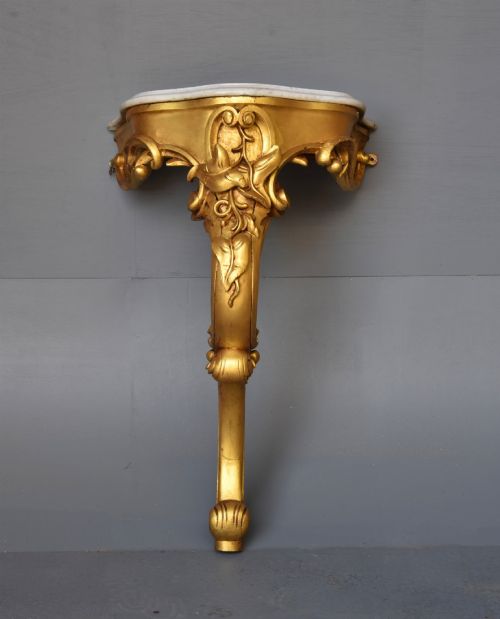
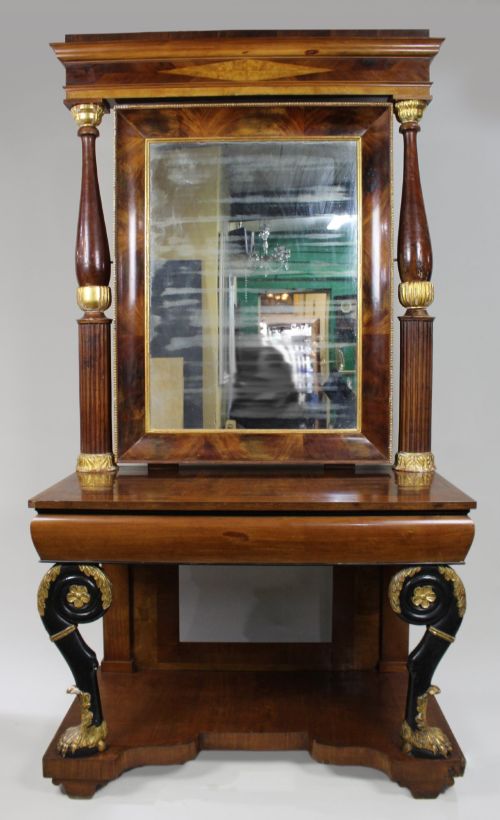
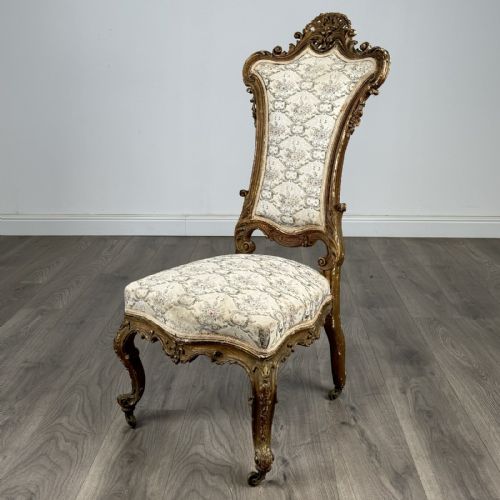
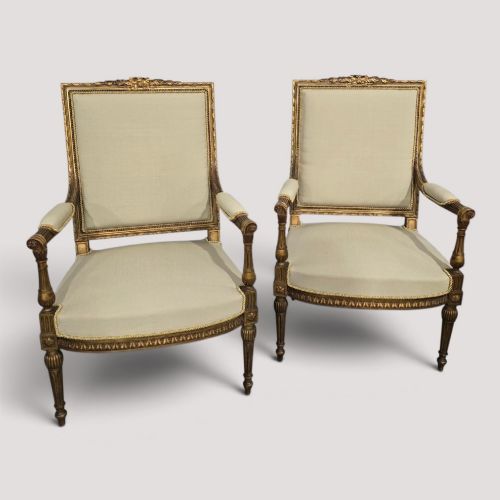
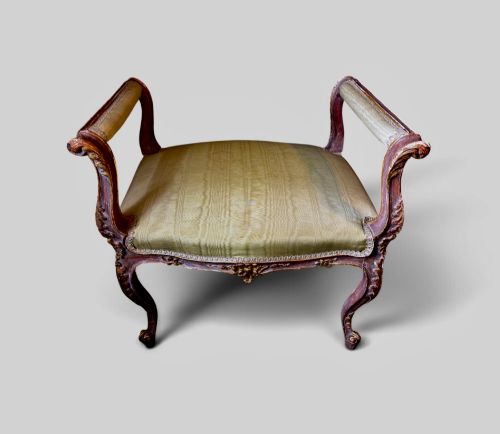
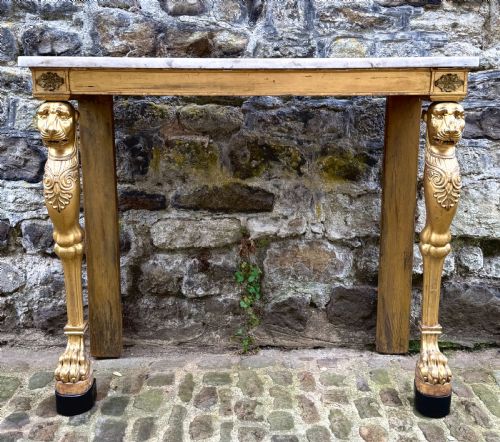
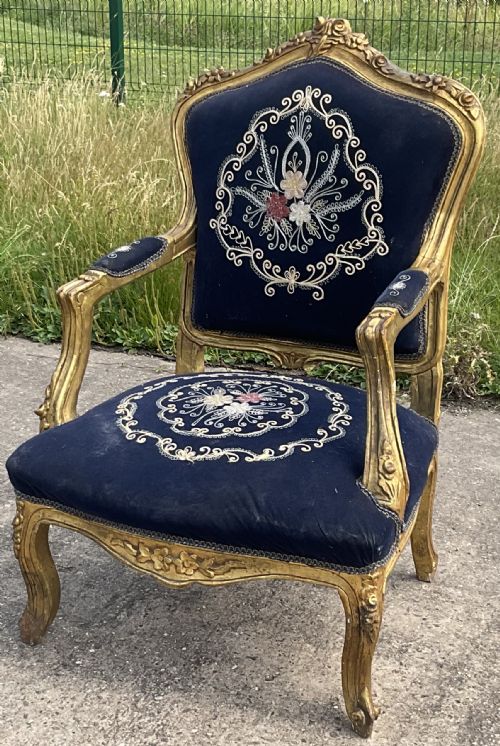
These carved giltwood legs anchor console tables, armchairs and settees from the eighteenth century to the twentieth.
Carved Giltwood Legs
Carved giltwood legs appear principally on seating and console tables originating in France, England, Italy and Germany. The selection centres heavily upon nineteenth-century pieces, alongside eighteenth-century items and later revivals spanning the early twentieth century.
Armchairs, side chairs, fauteuils and bergères form the core of the seating, while console tables and side tables provide the architectural counterparts. These supports carry distinct regional styling, moving from fluid rococo forms to restrained neoclassical geometries.
The phrase directs attention downwards to the structural foundation of chairs and tables where carvers expended significant labour. Cabriole profiles, fluted columns and tapered shafts dominate the physical evidence across these categories.
Materials and construction
Carvers typically shaped timber carcasses from native or imported woods before applying thin layers of gesso to smooth the surface detail. This plaster ground received intricate chisel work to sharpen acanthus leaves, fluting and floral motifs prior to gilding.
Gold leaf or metallic powder was laid over a preparatory bole, often bonded with size, then burnished with agate stones to create contrasting matte and polished areas. Secondary materials like marble tops, brass mounts, cane panels and silk textiles complete the composite builds.
Carved Giltwood Legs Retail Price Guide 2026
Typical asking prices for carved giltwood legs among the pieces listed under this phrase on Sellingantiques today, from the lower quarter to the upper quarter. They describe what is for sale here now, not the wider market.
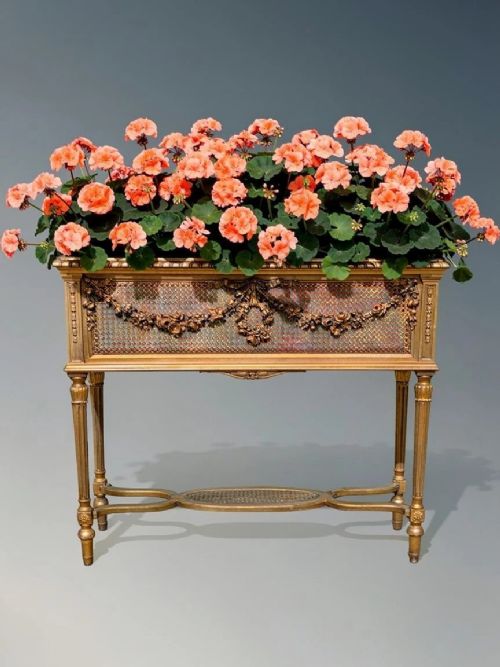
The furniture forms on this page range from console tables and window seats to bergères, fauteuils and footstools.
Quality variations
Mastery shows in the depth and crispness of the carving where human hands coax organic vitality from solid timber. Crisp undercut foliage and sharply defined fluting separate superior work from softer, mechanical mouldings.
The application of gold leaf reveals craftsmanship through the subtlety of burnishing and the preservation of underlying gesso contours. Heavier, clumsily applied metallic paints lack the luminous depth achieved by traditional leaf gilding over coloured bole.
Miles & Edwards
The Carved Giltwood Legs Glossary
- Giltwood
- Timber coated with gold leaf over a prepared gesso and bole ground. This finish provides a luminous metallic sheen that reflects candlelight and daylight within formal rooms.
- Gesso
- A plaster mixture applied to wood surfaces to create a smooth base for carving and gilding. It fills natural grain and allows crisp, sharp details to emerge under the carver's chisel.
- Cabriole
- A furniture leg that curves outward at the knee and tapers inward toward the foot, often ending in a scroll or pad. The profile mimics the natural double curve of animal limbs.
- Console table
- A wall-mounted or freestanding side table supported by two or more ornamental legs. They frequently feature marble tops and elaborate carved aprons.
- Fauteuil
- An open-framed upholstered armchair with exposed wooden arms originating in France. The armrests typically terminate in scrolls above cabriole supports.
- Bergère
- An enclosed upholstered armchair with solid upholstered sides resting on a wooden frame. These seats prioritise comfort while retaining formal decorative presence.
Carved Giltwood Legs: Frequently Asked Questions
What periods do these pieces span?
The selection spans from the eighteenth century through the Victorian era into the early twentieth century. Many items reflect nineteenth-century revivals of earlier French and English court styles.
Craftsmen across these decades reinterpreted historical motifs, applying traditional gilding techniques to chairs, settees and console tables.
How do I identify Louis XVI style?
Louis XVI pieces rely upon straight lines, symmetry and classical architectural vocabulary. Look for fluted legs, square corner blocks and neoclassical ornamentation like ribbons and bead reels.
This aesthetic contrasts sharply with the earlier curved asymmetry of rococo designs.
Where were console tables placed?
Console tables stood against drawing room and hallway walls, frequently paired with matching pier mirrors above them. Their decorative legs and marble tops served both formal and functional roles.
They provided flat surfaces for display objects while anchoring the architectural symmetry of high-ceilinged rooms.
How should I care for giltwood?
Giltwood requires gentle maintenance to protect the delicate gold leaf and gesso layers from moisture and physical abrasion. Dusting should occur with a soft, dry brush rather than chemical cleaning agents.
Direct sunlight and fluctuating humidity must be avoided to prevent the underlying timber from shifting and cracking the gesso.