

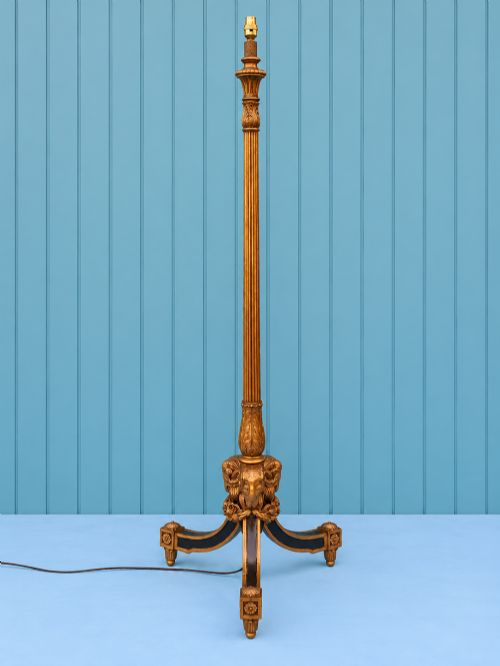
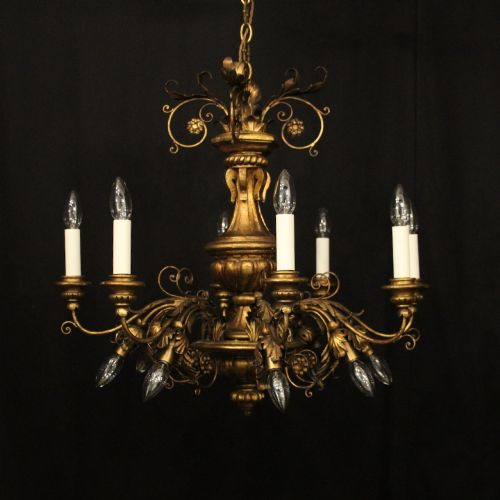

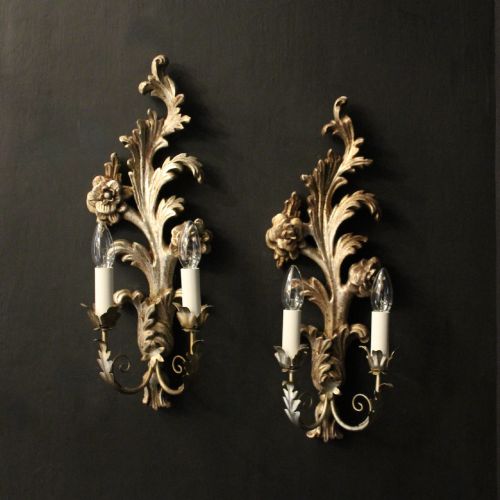
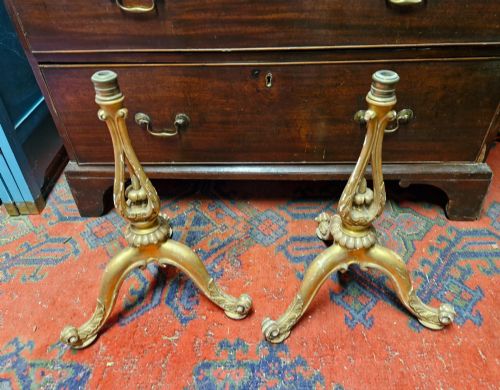
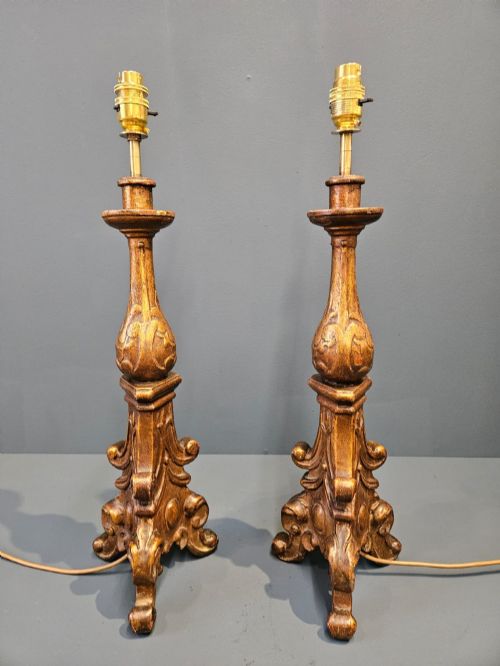
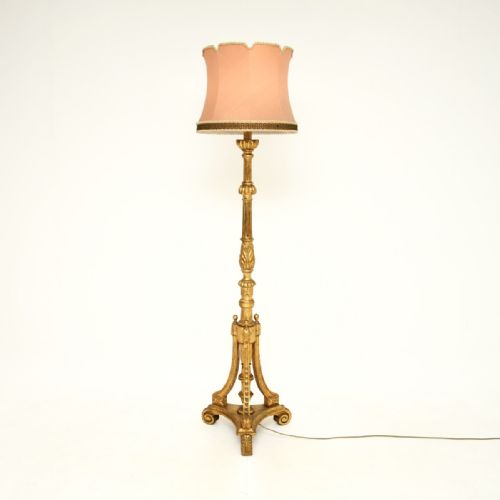
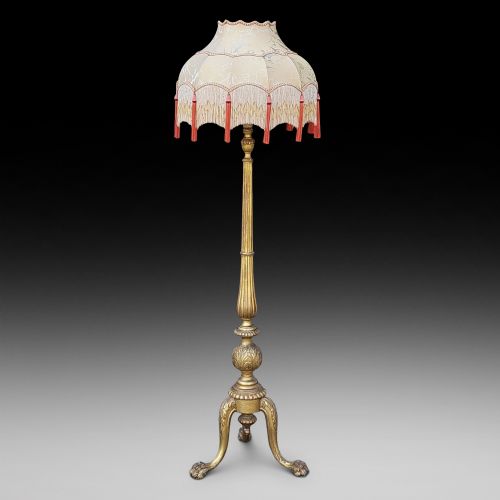


Carved Giltwood Lamp
A carved giltwood lamp brings warmth and rich texture to a room, cast in gleaming gold leaf over carved wood.
Carved Giltwood Lamp
A carved giltwood lamp transforms functional lighting into an ornate decorative statement for the interior. These pieces emerge in various forms, from tall standard lamps and floor lamps to compact table lamps adapted from earlier candlesticks and altar pieces. The listings demonstrate a strong presence of Italian Florentine designs, alongside French and English interpretations.
Makers drew heavily upon historical vocabularies, producing works in Neoclassical, Baroque, and Rococo styles. Pieces span multiple centuries, appearing in nineteenth-century interpretations as well as early twentieth-century revivals. Buyers encounter standard lamps on tall shafts alongside smaller table versions intended for side tables and pedestals.
Proportions vary from slender columnar floor lamps to robustly carved Italian standards with intricate scrolling foliage. Many examples originate from continental workshops, particularly in Italy and France, where wood carvers honed traditional gilding methods. Each object displays the distinctive character of hand-carved surfaces beneath layers of gold leaf.
Materials and construction
Craftsmen shaped these bodies from timber, applying layers of gesso to create a smooth, responsive surface for fine detail carving. Giltwood execution required skilled hands to carve intricate motifs such as acanthus leaves, fluting, and scrollwork directly into the wood or gesso layer. Gold leaf was then meticulously laid over a bole base, burnished to achieve a deep, warm metallic sheen.
Materials extend beyond simple timber and gold leaf, incorporating brass and metal fittings for electrical conversion or structural support. Certain related pieces combine carved giltwood frames with inset marble tops, particularly in table formats. Fabric elements often complete the lighting assembly on standard and table lamps.
Carved Giltwood Lamp Retail Price Guide 2026
Typical asking prices for carved giltwood lamp among the pieces listed under this phrase on Sellingantiques today, from the lower quarter to the upper quarter. They describe what is for sale here now, not the wider market.
Listings feature items spanning the eighteenth century through to the 1930s, encompassing styles from Italian Baroque to French Rococo and Neoclassical revival.
Judging quality in carved giltwood
The depth and crispness of the carving distinguish finer examples from simpler production. Superior pieces exhibit undercut foliage and sharp botanical or architectural details rather than soft, rounded moulding. The quality of the gesso application and the precision of the gold leaf burnishing dictate how light plays across the gilded surface.
Proportion and structural balance separate masterworks from routine workshop pieces. Standard lamps with harmonious column diameters and stable weighted bases demonstrate superior design intent. Original gilding surfaces retain greater desirability than later repainted or heavily restored finishes.
The Carved Giltwood Lamp Glossary
- Giltwood
- Wood that has been coated with thin sheets of gold leaf over a prepared gesso ground. This technique creates a luminous surface that catches ambient light.
- Gesso
- A plaster mixture applied to a wooden substrate to provide a smooth surface for carving and gilding. It allows craftsmen to achieve sharp, intricate relief details.
- Neoclassical
- A style inspired by classical antiquity, characterised by symmetry, straight lines, and motifs such as urns and fluting. It appears frequently in early twentieth-century standard lamps.
- Baroque
- An ornate style known for exuberant drama, deep scrolling, and dynamic movement. Italian and Spanish examples on this page often display these dramatic flourishes.
- Standard lamp
- A tall floor-standing lamp designed to illuminate a room from standing height. These pieces often feature turned or carved wooden columns on substantial bases.
Carved Giltwood Lamp: Frequently Asked Questions
How do I date a giltwood lamp?
Dating relies on stylistic clues, construction methods, and the wear patterns of the gold leaf. Nineteenth-century examples often display denser timber weight and deeper patination compared to later twentieth-century revivals.
Examining the internal wiring channels and the base construction helps separate older converted candlesticks from purpose-built electric standards.
Where were these lamps made?
The listings show a strong concentration of continental European origin, particularly from Italy and France. Florentine workshops produced many of the ornate standard lamps and wall lights found in this category.
English interpretations also appear, often following classical revival idioms popular during the nineteenth and early twentieth centuries.
How do I clean giltwood safely?
Giltwood requires delicate maintenance to protect the fragile gold leaf surface from abrasion or moisture damage. Dusting should be performed gently using a soft, dry brush without applying chemical cleaners.
Moisture can penetrate the gesso layer beneath the gold leaf, causing flaking or lifting over time.
Can I use standard lamps in modern rooms?
These lamps integrate successfully into contemporary interiors by adding texture, history, and a focal point of warm metallic reflection. Their classical forms contrast effectively against minimalist modern furnishings.
Pairing them with simple, neutral fabric shades allows the intricate carved giltwood base to remain the primary visual feature.