


Carved Gilt Wood Chair
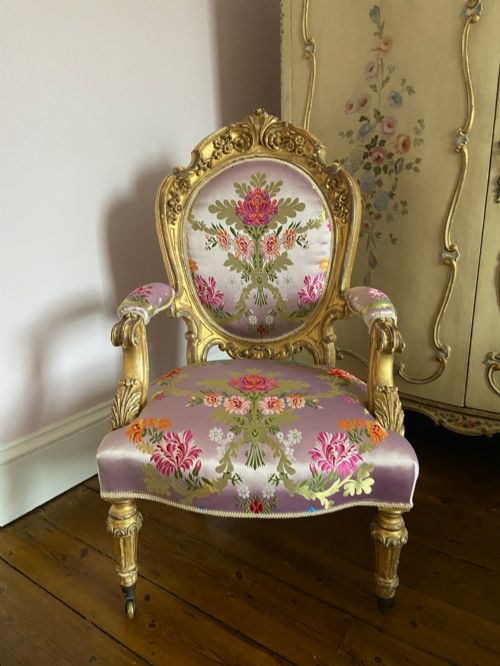
A carved gilt wood chair brings ornate continental glamour into a room, combining sculpted timber with reflective metallic finishes.
Carved Gilt Wood Chair
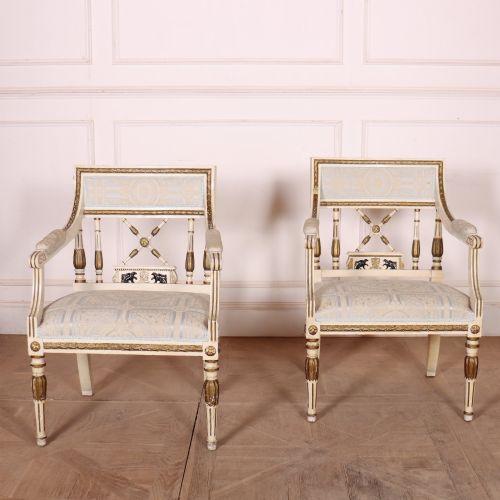
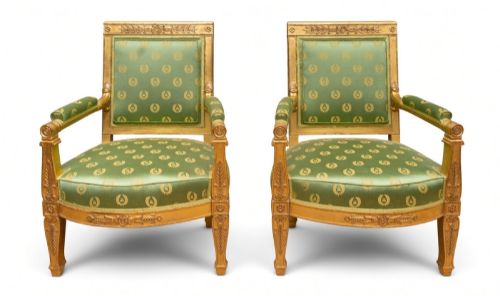
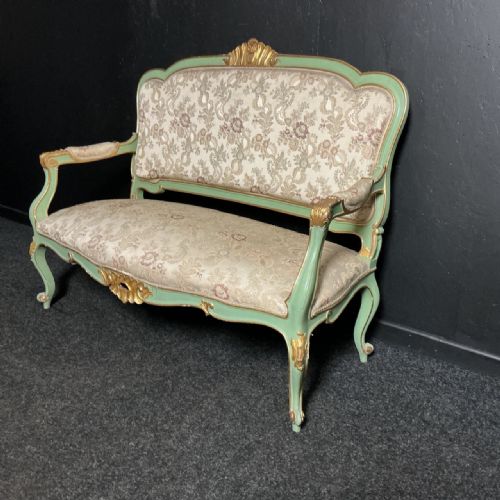
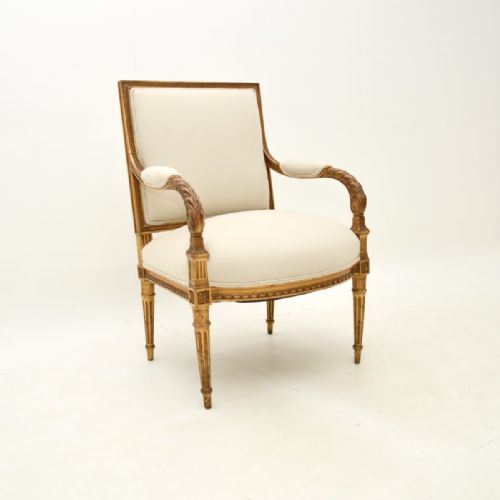
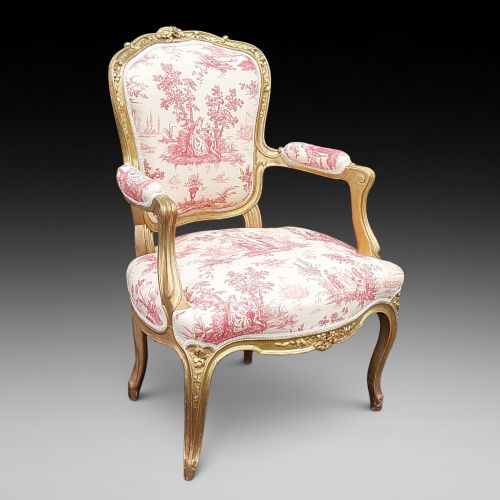
A carved gilt wood chair encompasses diverse seating forms ranging from grand open armchairs and fauteuils to intimate salon chairs, day beds, and side seats. The selection draws heavily on continental European aesthetics, with French and Italian influences appearing frequently alongside English and Anglo-Indian variants.
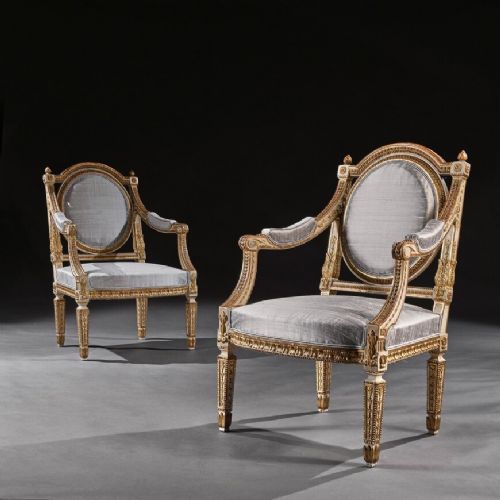
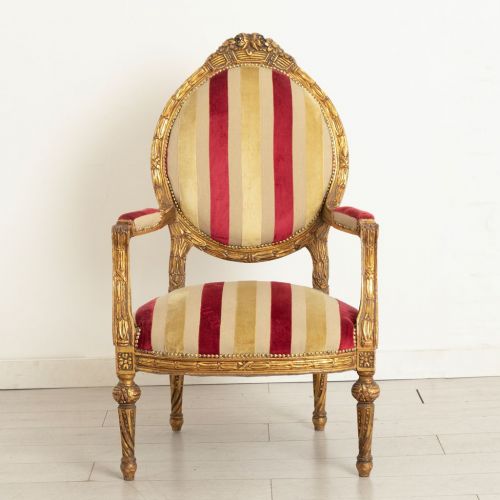
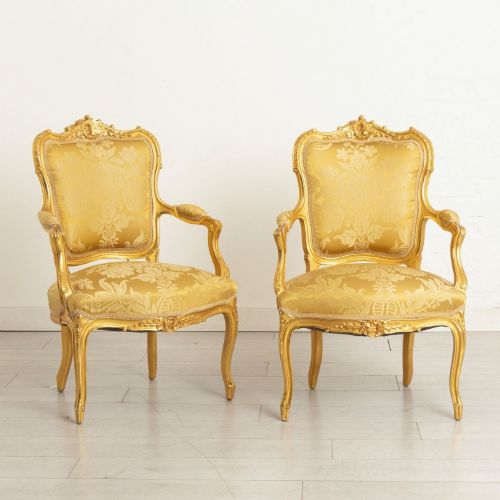
Most examples hail from the nineteenth century, though the design language often references earlier eighteenth-century periods such as the reign of Louis XVI or broader Rococo and Neoclassical revivals. Buyers encounter everything from matched pairs intended for formal parlours to single occasional chairs designed for bedrooms.
The underlying woodwork supports various configurations of upholstery, utilising silk, velvet, and fabric pads that contrast with the reflective metallic surfaces of the frames.
Distinctions in craftsmanship
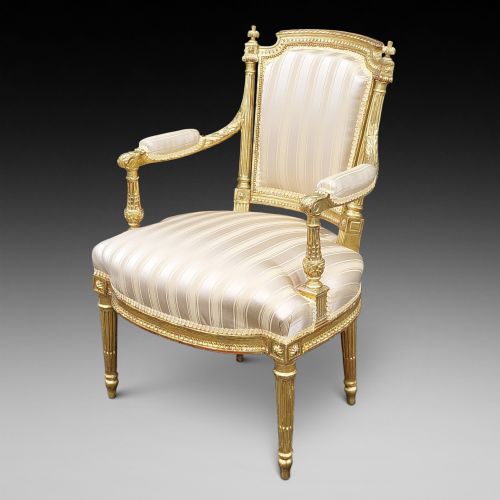
The crispness and depth of the hand carving separate simpler production from superior examples, where crisp acanthus leaves and defined mouldings demonstrate the hand of a skilled artisan.
The integrity of the underlying gilt layer dictates longevity, with higher-grade pieces retaining coherent gold leaf applications that age gracefully rather than flaking away.
Proportion and structural balance also divide the range, as master makers designed frames that balanced decorative opulence with ergonomic support.
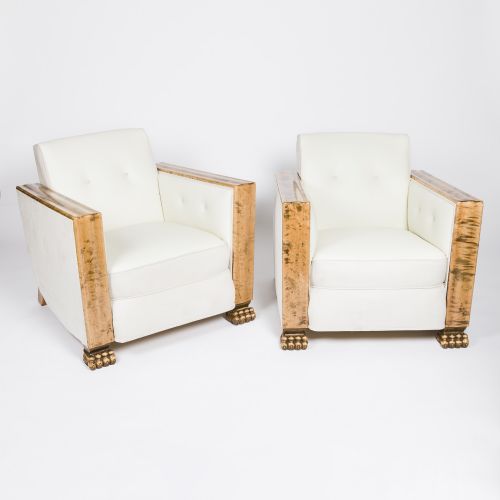
Listings span multiple centuries, capturing eighteenth-century Italian painted furniture alongside nineteenth-century French giltwood salons and twentieth-century Art Deco iterations.
Jacob Desmalter·Lamb of Manchester·Morison and Co
The Carved Gilt Wood Chair Glossary
- Giltwood
- Timber decorated with gold leaf applied over a prepared ground. This material defines the bright, reflective surfaces seen across continental seating.
- Fauteuil
- An open-framed upholstered armchair with exposed wooden arms. These items originated in France and typically feature padded armrests.
- Bergere
- A closed-arm upholstered armchair featuring solid sides filled with upholstery or cane work. This form provides a more enclosed seat than an open fauteuil.
- Parcel Gilt
- A decoration method where only specific carved highlights receive gold leaf while the rest of the frame remains painted or exposed. This technique creates a layered contrast across the wood.
- Rococo Revival
- A nineteenth-century design movement resurrecting the asymmetric scrolls, shell motifs, and curving lines of the eighteenth century. Pieces in this style prioritise fluid organic forms.
Carved Gilt Wood Chair: Frequently Asked Questions
How do I identify a Louis XVI style chair?
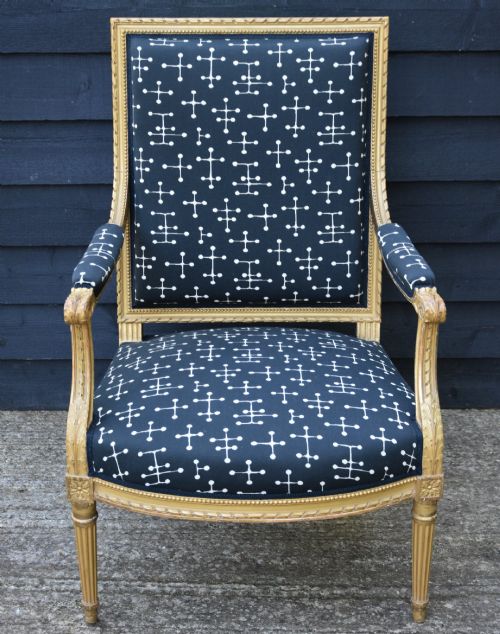
Look for straight tapered legs, often fluted, coupled with geometric oval or rectangular backs that contrast with earlier curving Rococo shapes.
Craftsmen working in this idiom favoured classical symmetry, incorporating carved ribbons, beaded borders, and acanthus leaves into the giltwood frames.
Were these chairs meant for daily use?
Many salon and parlour chairs served primarily for formal entertaining rather than heavy lounging, reflecting the polite social customs of their era.
Their sturdy timber frames remain functional, though delicate gilt surfaces benefit from careful placement away from direct friction.
How do I care for antique gilded surfaces?
Dust the carved frames gently with a soft dry brush, avoiding liquid cleaners or abrasive cloths that can lift the delicate gold leaf.
Keeping the chairs away from direct sunlight and excessive humidity preserves both the timber structure and the historic metallic finish.