

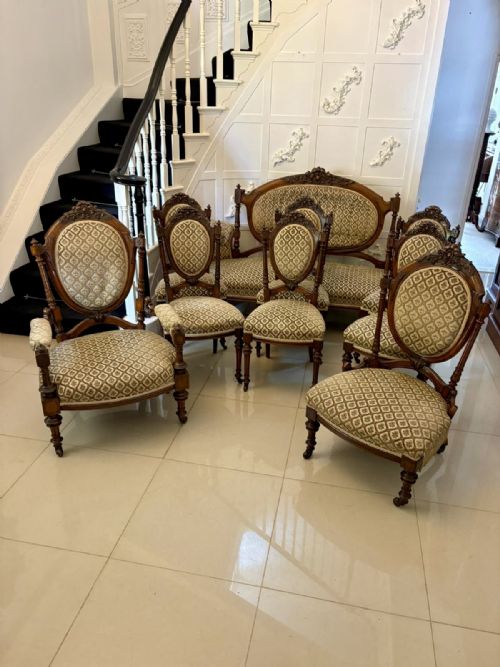


Carved Frame Parlor Chairs
These carved frame parlor chairs bring Victorian and Edwardian seating into modern interiors with walnut, mahogany, and giltwood frames.
Carved Frame Parlor Chairs
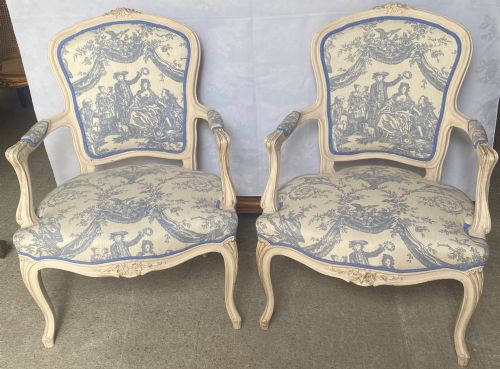
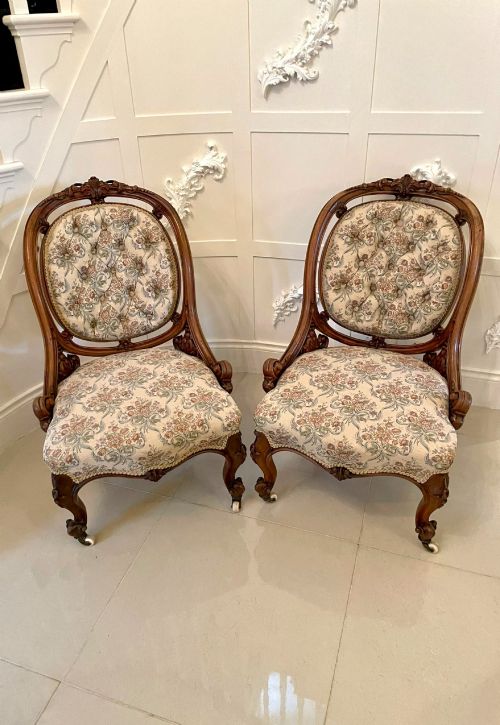
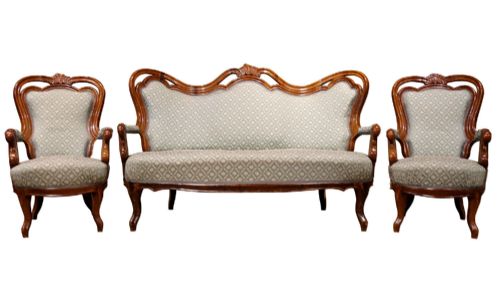
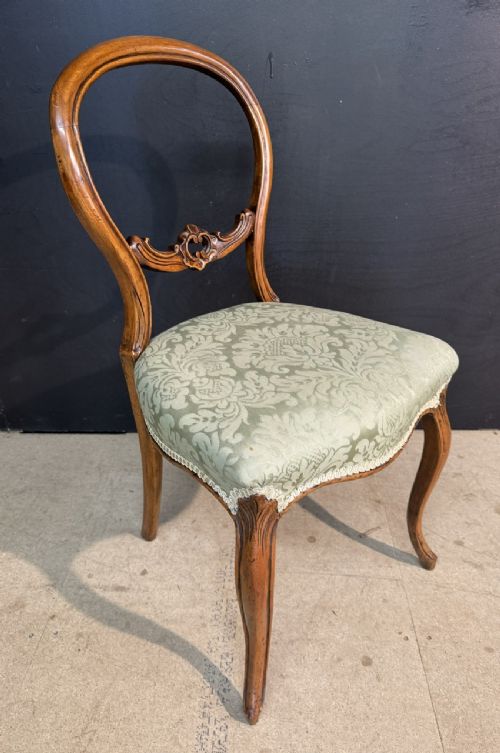
When you search for carved frame parlor chairs, you encounter nineteenth-century and early twentieth-century seating designed for formal reception rooms. The selection includes individual armchairs, side chairs, and large matching salon suites from the Victorian and Edwardian eras.
The most common examples on this page are Victorian walnut chairs featuring ornate woodwork and upholstered seats. You also find Edwardian inlaid rosewood pieces alongside French-influenced revival styles.
Makers shaped these walnut, mahogany, and rosewood frames into diverse forms, ranging from cabriole-leg vanity chairs to multi-piece salon suites and settees.
How they were made
Craftsmen shaped solid walnut, mahogany, and rosewood into elaborate curved frames using traditional hand-carving techniques. These wooden structures were then fitted with brass and ceramic castors on select models for mobility.
Upholstery formed a central part of the construction, utilising materials like damask and custom fabric over sprung or padded interiors. Giltwood accents also appeared on specific continental frames to enhance their decorative impact.
Carved Frame Parlor Chairs Retail Price Guide 2026
Typical asking prices for carved frame parlor chairs among the pieces listed under this phrase on Sellingantiques today, from the lower quarter to the upper quarter. They describe what is for sale here now, not the wider market.
Some chairs quietly roll on hidden ceramic castors, ready for an impromptu rearrangement of the nineteenth-century parlour.
What varies in quality
The depth and crispness of the hand-carving define the upper tier of these parlor chairs, separating standard production from exhibition pieces. Superior walnut and mahogany frames exhibit harmonious proportions and seamless joinery.
The choice of covering material alters the character of the piece, with damask and specialised upholstery fabrics indicating higher original investment. Complete matching salon suites demonstrate greater consistency in design than assembled groups of chairs.
The Carved Frame Parlor Chairs Glossary
- Cabriole leg
- A furniture leg that curves out and then narrows inward, terminating in a decorative foot. This form draws inspiration from animal legs and appears frequently on revival seating.
- Bergere tub chair
- An enclosed upholstered armchair with a rounded backrest flowing continuously into the arms. These French-inspired seats offer deep, enveloping comfort.
- Salon suite
- A matched set of seating furniture, often comprising a settee and multiple armchairs or side chairs. These suites furnished formal nineteenth-century reception rooms.
- Giltwood
- Wood that has been coated with a thin layer of gold leaf or gold paint. This finish highlights carved architectural details on nineteenth-century frames.
- Damask
- A reversible figured fabric woven on a jacquard loom, featuring patterns formed by contrasting warp and weft threads. It is commonly used for formal upholstery.
Carved Frame Parlor Chairs: Frequently Asked Questions
What periods do these chairs represent?
The inventory spans the nineteenth and early twentieth centuries, capturing Victorian and Edwardian aesthetics.
Specific dates range from mid-Victorian walnut pieces to late-period Edwardian inlaid rosewood designs.
How were parlor chairs used historically?
These pieces furnished formal reception rooms where hosts entertained guests and held social calls.
Matching suites and individual armchairs provided structured seating for conversation and display in nineteenth-century homes.
What woods dominate these frames?
Walnut and mahogany form the structural core of the majority of Victorian examples on this page.
Rosewood and giltwood also appear, particularly in Edwardian and continental French designs.
Are matching salon suites available?
Yes, the listings include multi-piece salon suites featuring coordinated frames and upholstery.
These sets range from three-piece groupings to large nine-piece collections.
How do I identify a French revival style?
French revival pieces often display giltwood finishes, tub chair configurations, or two-seat sofa formats.
They reflect eighteenth-century design influences adapted by nineteenth-century cabinetmakers.