

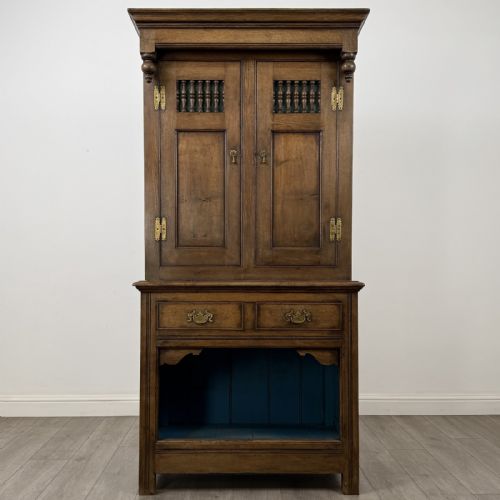
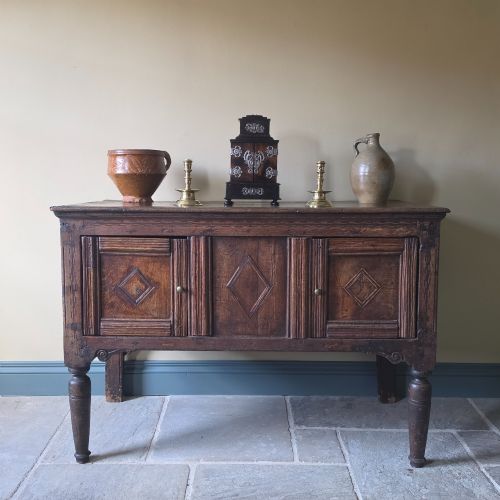
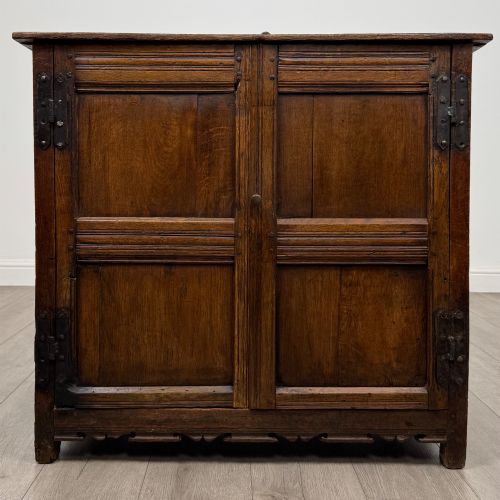
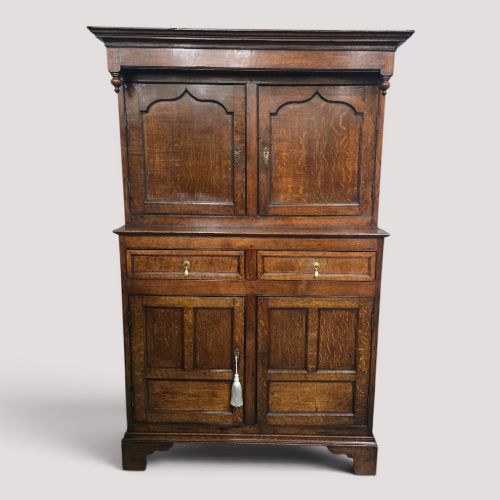

Carved Food Cupboard
A carved food cupboard is a sturdy domestic timber store built to keep provisions fresh, combining practical ventilation with intricate panels.
Carved Food Cupboard
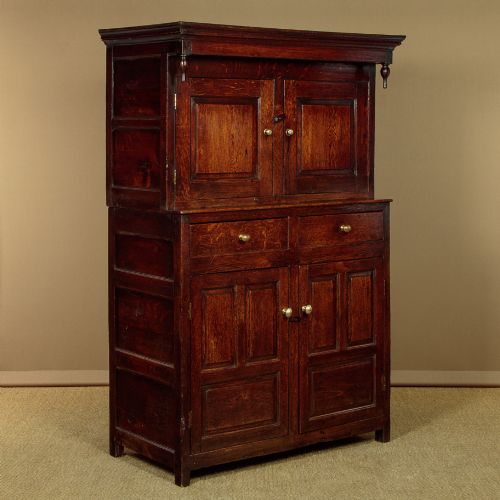
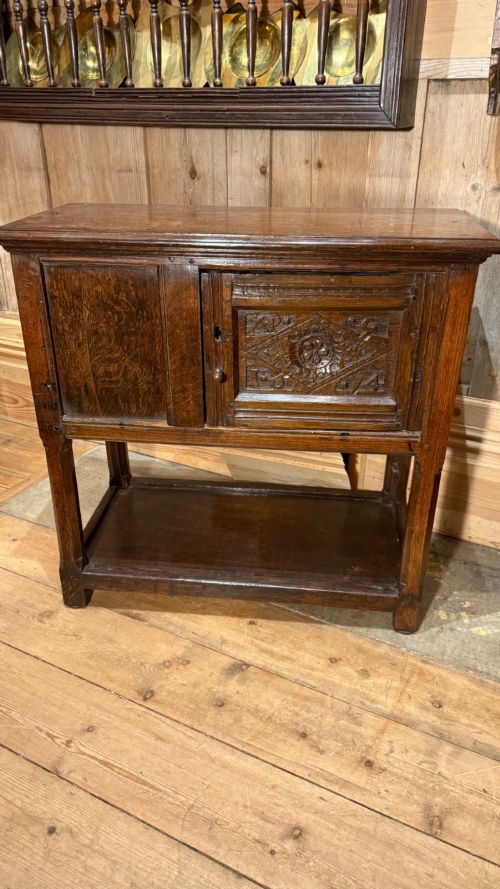
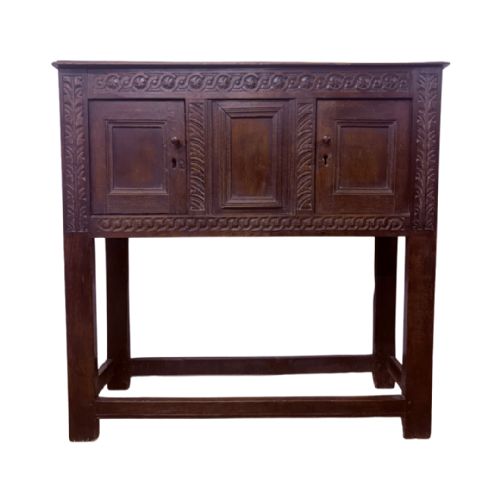
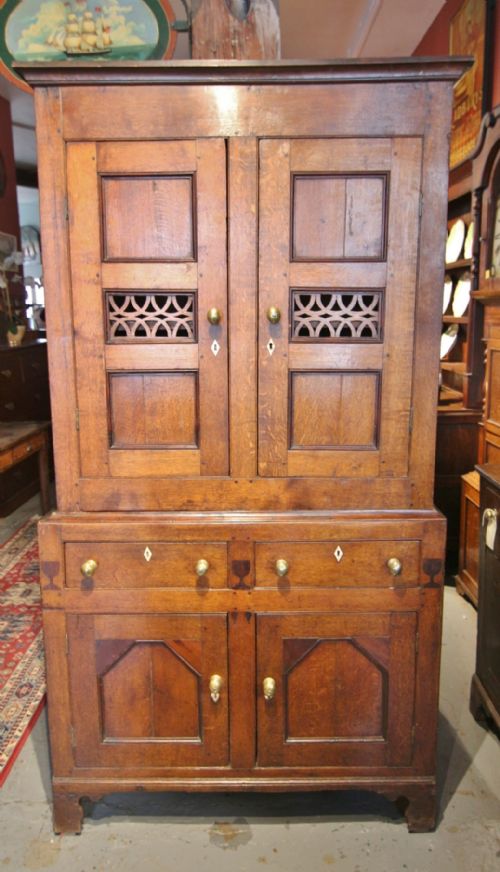
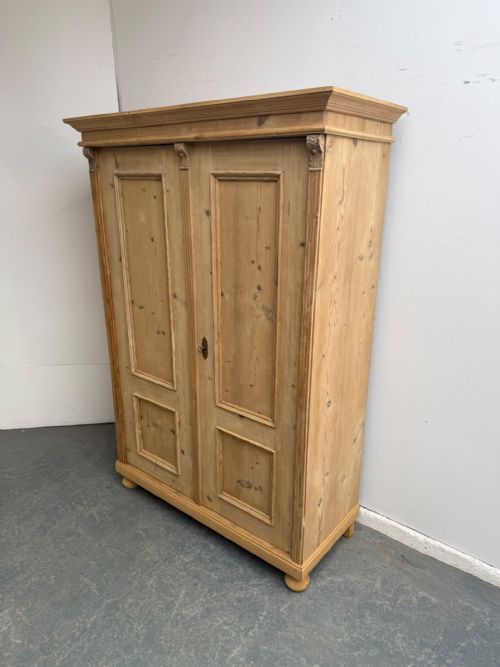
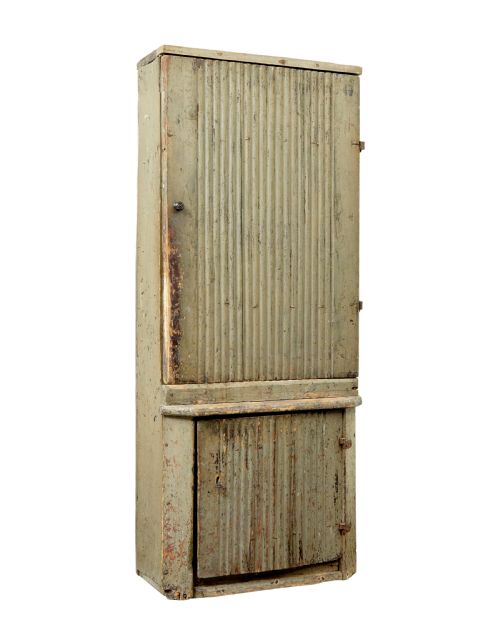
A carved food cupboard serves as a functional storage piece originating mostly from country houses and rural farmhouses, designed primarily to protect perishables from pests while allowing air circulation. Buyers seeking this phrase encounter heavy timber constructions ranging from compact wall units to substantial multi-tiered storage furniture.
The selections span distinct historical eras, with seventeenth-century joined oak examples appearing alongside eighteenth-century Georgian designs and nineteenth-century regional pieces. Welsh vernacular forms and French provincial fruitwood variants represent common regional stylistic expressions within the current selection.
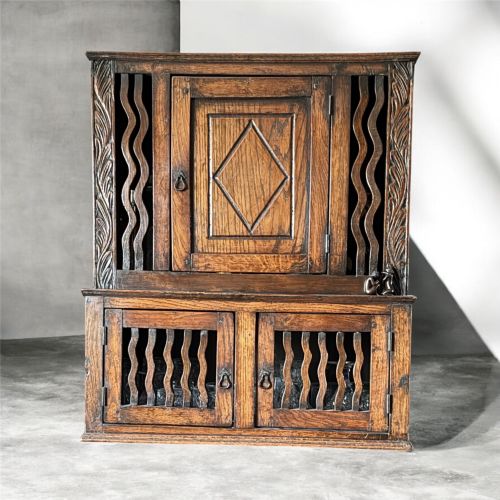
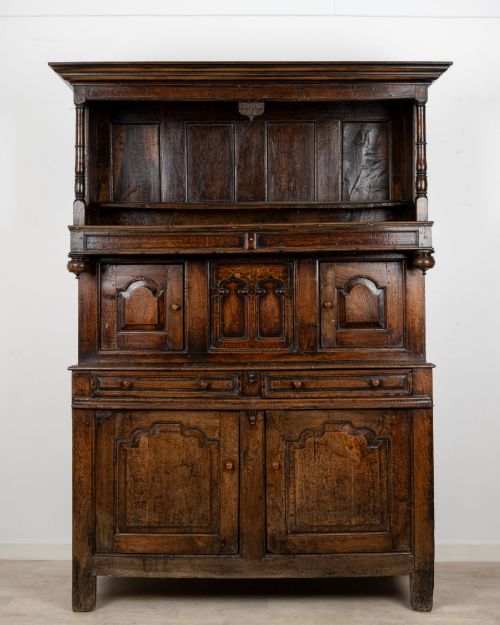
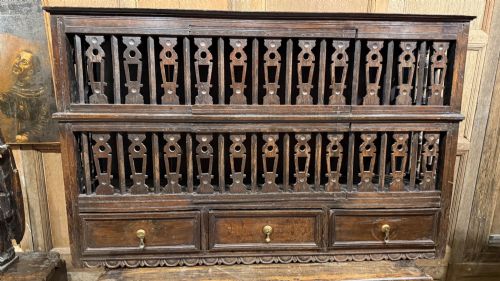
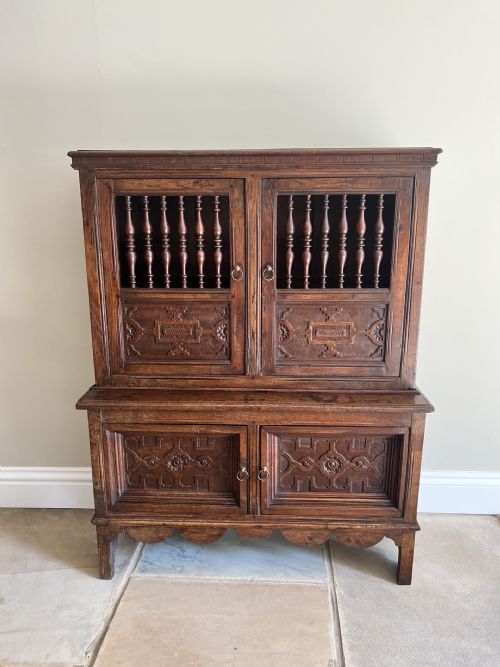
Makers utilised local timbers to construct specific regional forms such as the panetiere or the tridarn, which incorporate turned spindles, pierced panels, or carved motifs. These functional pieces translate historic domestic routines into striking focal points for contemporary interiors.
How they were made
Joinery techniques relied heavily on mortise and tenon joints secured with wooden pegs, ensuring sturdy frames that tolerated seasonal humidity shifts without failing. Panels were often panel-in-frame construction, allowing the wood to expand and contract naturally within grooves.
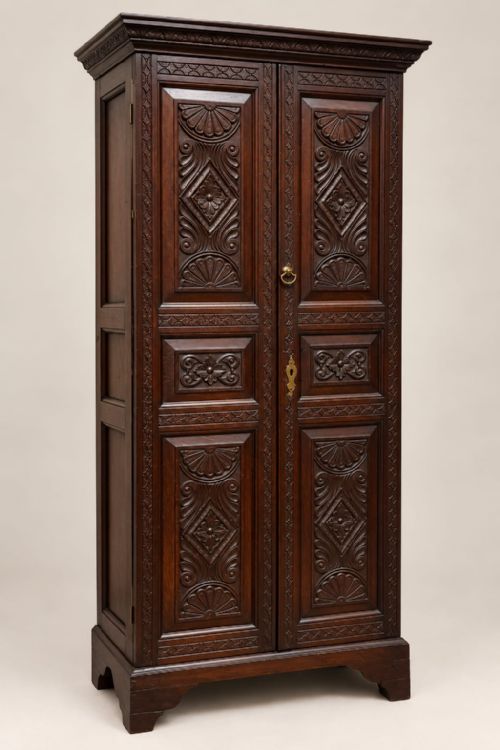
Local timbers such as English oak, fruitwood, pine, and chestnut formed the primary body of these storage units, supplemented by wrought iron hinges and brass escutcheons. Carving was executed by hand using gouges and chisels directly into the solid timber, often producing geometric strapwork, scrolling foliage, or pillar panels.
Carved Food Cupboard Retail Price Guide 2026
Typical asking prices for carved food cupboard among the pieces listed under this phrase on Sellingantiques today, from the lower quarter to the upper quarter. They describe what is for sale here now, not the wider market.
Bread cages were built so airy that mice must have considered them high-end wind tunnels.
What varies in quality
The depth and crispness of the hand-carved detail distinguish finer workshop output from simpler vernacular pieces, separating master carvers from provincial joiners. Surviving original surface patination, such as aged wax finishes on seventeenth-century oak, holds greater appeal than stripped or heavily restored timber.
Structural integrity depends on the retention of original ironwork, hinges, and the degree of timber replacement during past repairs. Pieces retaining their original stands, feet, and internal shelving layouts command stronger interest among collectors of early furniture.
The Carved Food Cupboard Glossary
- Court cupboard
- A formal seventeenth-century storage cabinet featuring an upper recessed section supported by pillars, used primarily for displaying plate and storing provisions.
- Livery cupboard
- A small domestic storage unit designed to hold rations or small food items, often featuring pierced or spindle-ventilated doors.
- Panetiere
- A traditional French freestanding or wall-mounted bread cage constructed with turned wooden spindles to allow ventilation for loaves.
- Tridarn
- A large three-tiered Welsh cupboard featuring open display shelves and enclosed lower storage compartments.
- Joined oak
- Furniture constructed using interlocking pegged mortise and tenon joints rather than relying predominantly on nails or modern adhesives.
Carved Food Cupboard: Frequently Asked Questions
What is a carved food cupboard?
A carved food cupboard is a historic timber storage unit designed to ventilate and protect perishable provisions from pests. These pieces utilise pierced panels, slats, or turned spindles to maintain airflow.
They reflect regional craftsmanship from the seventeenth century onward, utilising native woods like oak, fruitwood, and pine with hand-chiselled ornamentation.
How were food cupboards used historically?
Historically, households used these cupboards in kitchens or butteries to store bread, cheese, and meats away from household rodents and dampness. The ventilated doors ensured that dry goods remained fresh before modern refrigeration existed.
Over time, many transitioned into general domestic storage or display furniture within country houses and farmsteads.
How do I identify a seventeenth century cupboard?
Seventeenth-century cupboards typically display joined oak construction with pegged mortise and tenon framing, heavy mouldings, and hand-carved geometric or floral strapwork. The timber surfaces generally exhibit a deep, dark patination acquired over centuries of waxing.
Iron H-hinges, split-spindle appliqués, and boarded backs further indicate early manufacturing methods distinct from later revival periods.
How do I style a antique food cupboard at home?
An antique food cupboard provides substantial visual weight and texture, making it an effective focal point in a dining room, hallway, or kitchen. Its natural timber tones complement neutral plaster walls and exposed stone.
Use the interior shelving for everyday tableware or linens, letting the carved exterior doors and patinated wood add historical character to modern spaces.