

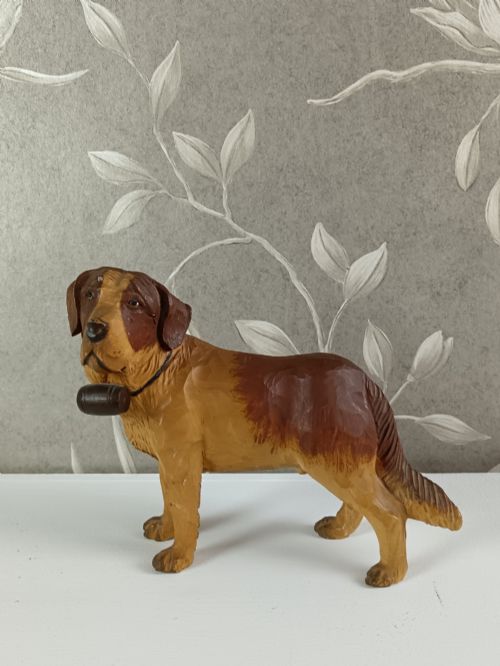
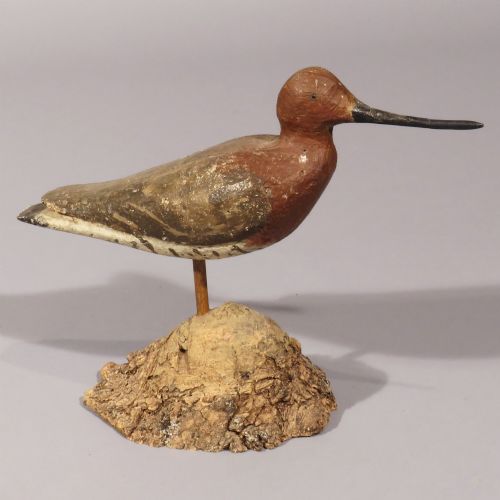
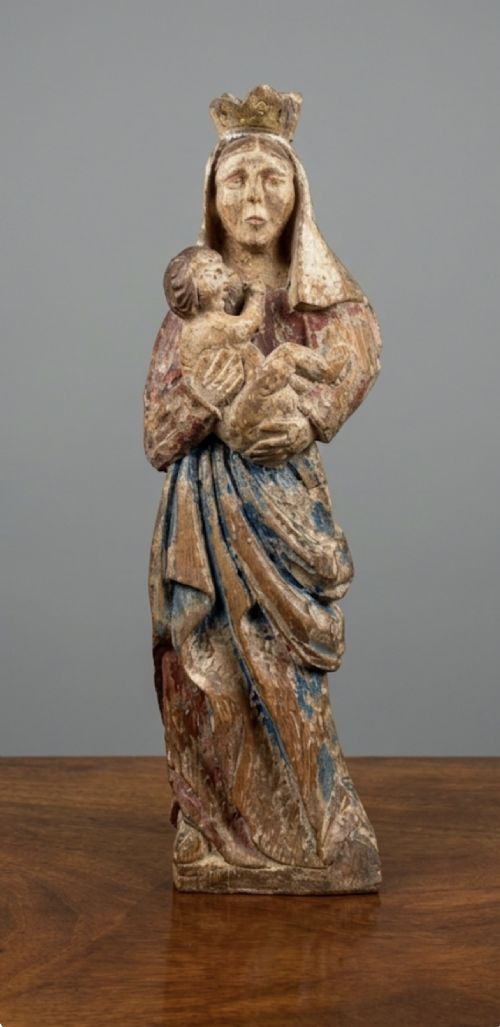
Carved Folk Art Sculpture
These pieces of carved folk art sculpture bring direct hand-carved character into a room through vernacular figures, animals and utilitarian objects made by untrained hands.
Carved Folk Art Sculpture
A carved folk art sculpture represents vernacular creativity produced outside formal academic traditions, encompassing everything from animal figures to human forms. When exploring carved folk art sculpture, buyers encounter regional interpretations shaped by local materials and cultural practices rather than metropolitan studio rules.
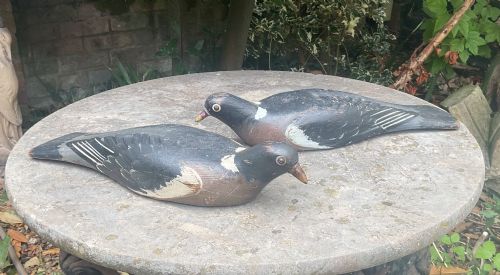
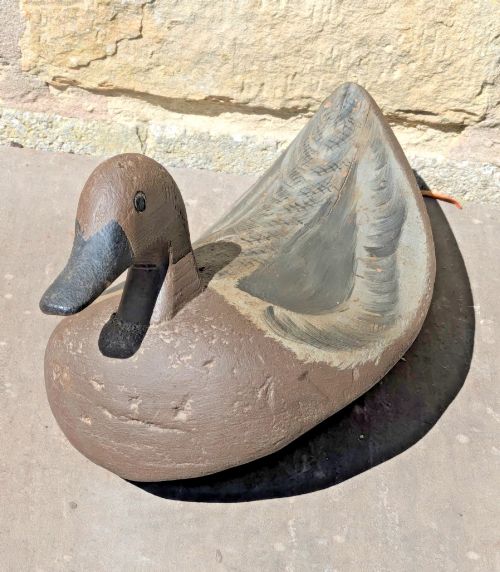
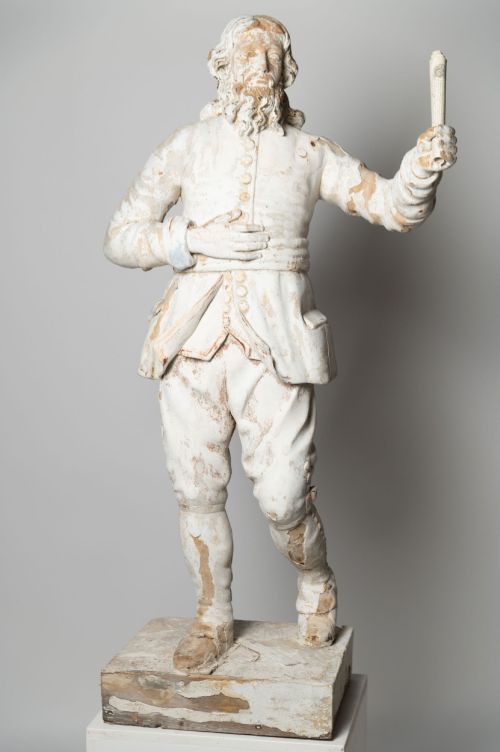
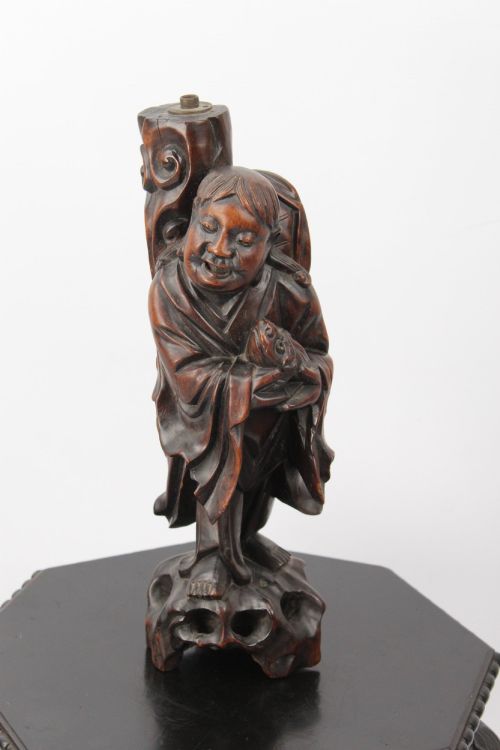
The objects span practical items and purely decorative works, including bird decoys, trade signs, devotional figures and carousel animals. Most examples originate from the eighteenth century onwards, with nineteenth-century and Edwardian pieces appearing regularly across English, French, Scandinavian, German and Japanese origins.
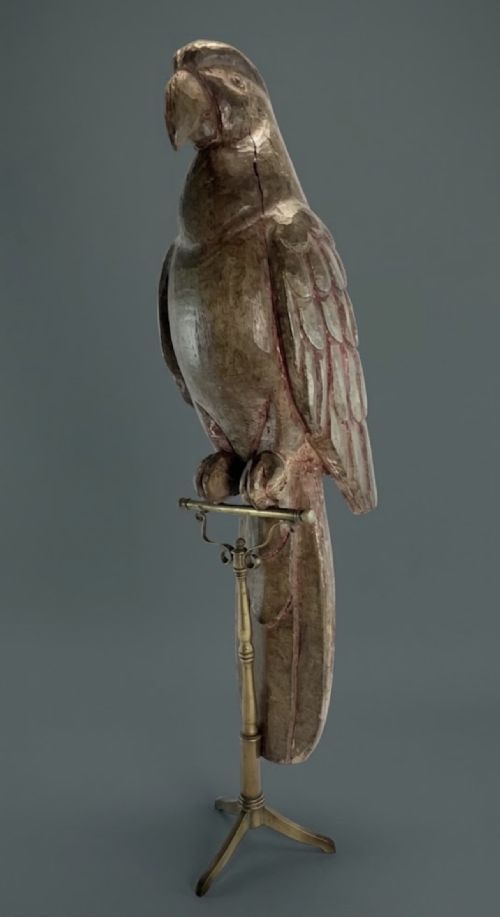
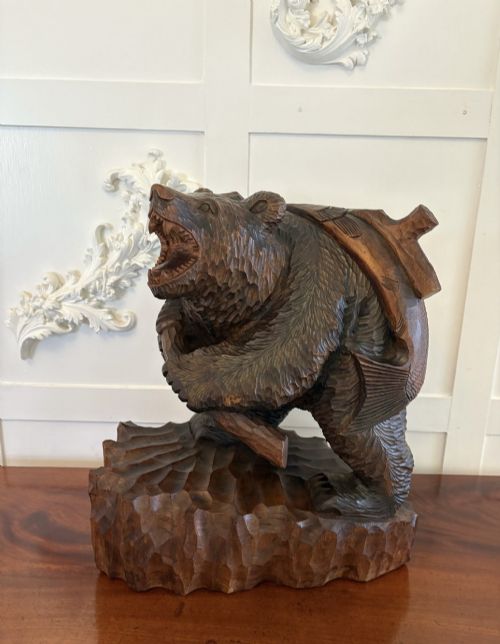
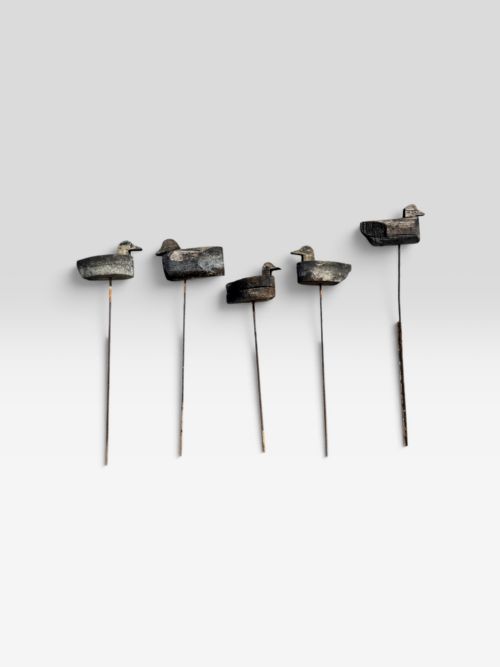
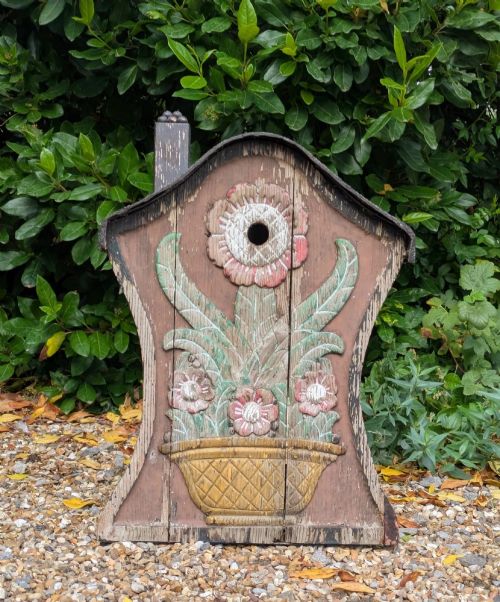
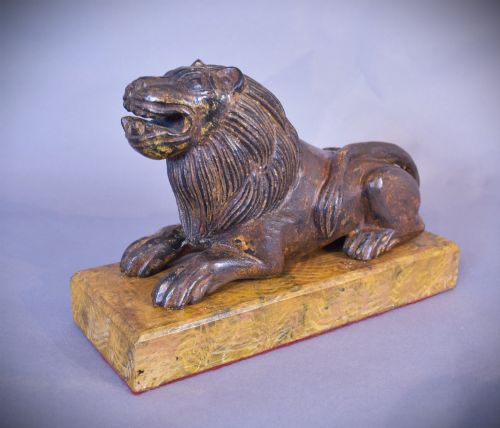
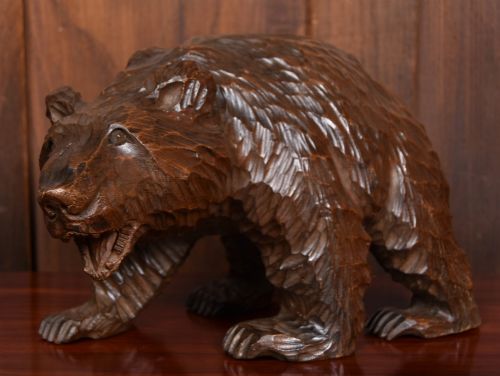
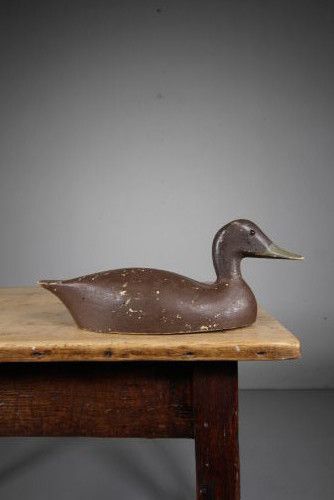
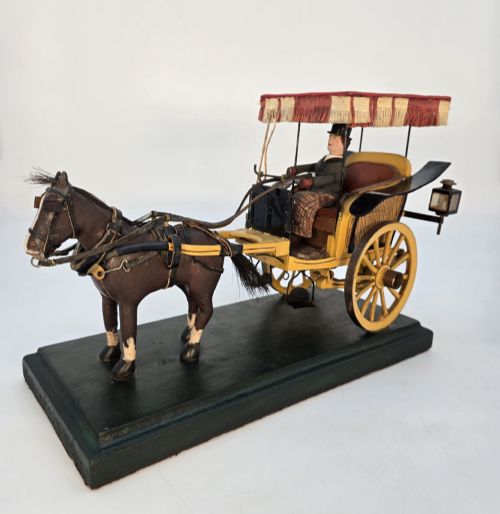
Animal subjects dominate the selection, particularly carved bears, decoy ducks and horses, alongside religious carvings and architectural models. These pieces serve as standalone decorative objects that rely on naive charm and direct sculptural presence rather than polished academic execution.
How they were made
Makers utilised available local timbers such as oak, yew, linden wood and miscellaneous hardwoods, often working with simple hand tools to shape the material directly. Many sculptures incorporate added metal components, glass eyes, or brass stands to complete the composition.
Surface finish plays a defining role in the construction, with numerous pieces displaying original paint, applied pigments or natural patination built up through handling and age. Carvers also combined wood with bone, slate, cork and tanned seal skin depending on the regional tradition and the specific object type.
Listings feature wood, paint, metal, glass, brass and carved slate across eighteenth-century to 1930s periods.
What varies in quality
Quality rests in the vigour and confidence of the carving, distinguishing direct, expressive work from hesitant or purely mechanical execution. The strength of the silhouette and the character captured in a naive animal or human form separate superior pieces from standard workshop output.
The integrity of the original surface finish heavily dictates value, as untouched original paint or authentic historical patina carries far more visual and historical weight than later overpainting or aggressive cleaning. Proportion, structural balance and the harmony between material and subject complete the measure of a successful piece.
The Carved Folk Art Sculpture Glossary
- Decoy
- A carved and painted bird or animal replica utilised by hunters to attract wildlife. These objects now function as independent decorative sculptures appreciated for their simplified forms.
- Naive art
- Visual work created by an artist without formal training in perspective, proportion or academic technique. The style relies on intuitive expression and direct observation.
- Black Forest carving
- Woodwork originating from the mountainous region of central Europe, particularly associated with realistic animal sculptures such as bears. The style often incorporates practical elements like trays or stands.
- Whimsey
- An intricate object carved by hand, often from a single piece of wood or enclosed within a glass bottle, produced during quiet periods or captivity. These items demonstrate high levels of patience and knife skill.
- Trade sign
- A large carved or painted object displayed outside a shop to advertise a specific trade or commodity. Such pieces combine bold visual graphics with robust outdoor construction.
Carved Folk Art Sculpture: Frequently Asked Questions
What is folk art sculpture?
Folk art sculpture comprises decorative and utilitarian objects carved by non-professional artisans, often reflecting local traditions, materials and everyday life.
These pieces range from animal decoys and religious figures to trade signs and miniature models, valued for their direct, unacademic aesthetic.
How were wooden decoys used?
Makers constructed wooden decoys to float on water or sit on shores, enticing wild birds within range of hunters.
Over time, exposure to weather and handling imparted distinctive painted surfaces that collectors prize today.
How do I date folk art?
Dating relies on examining tool marks, timber species, structural wear and the composition of surface paint or patination.
Comparing regional styles and known historical trade practices helps narrow the period of manufacture.
Where did Black Forest carvings originate?
Black Forest carvings emerged from the forested mountain regions of central Europe, notably Germany and Switzerland, during the nineteenth century.
Local woodcarvers specialised in lifelike animal figures, particularly bears engaged in human activities.
Are painted wooden sculptures fragile?
Painted wooden sculptures require stable indoor environments away from direct sunlight and dramatic humidity shifts to prevent timber movement and paint flaking.
Gentle dusting with a dry cloth is sufficient for routine maintenance.